You might wonder which motor is better: brushless vs non brushless. Brushless motors often stand out because they avoid mechanical contact, which means less wear and lower maintenance. You get higher efficiency, sometimes reaching 85% or more, and a longer lifespan. On the other hand, brushed motors offer simplicity and lower cost, making them a smart choice when budget matters most. Your decision depends on what you need—performance, durability, or value. INEED gives you both options, so you can select the motor that fits your project best.
Key Takeaways
Brushless motors offer higher efficiency, often reaching 85% to 90%, making them ideal for energy-saving applications.
Brushed motors are more affordable upfront, but they require regular maintenance due to brush wear, increasing long-term costs.
Choose brushless motors for projects needing high speed and power, such as drones and power tools, for better performance.
Brushless motors have a longer lifespan, lasting up to 10,000 hours, compared to 3,000 hours for brushed motors, reducing downtime.
Consider your project’s needs: brushless motors excel in demanding tasks, while brushed motors suit simple, budget-friendly applications.
Brushless vs Non Brushless: Main Differences
When you compare brushless vs non brushless motors, you notice clear differences in how each motor works and what you can expect from them. Understanding these differences helps you choose the right motor for your needs. INEED offers both types, so you get access to a wide range of solutions for any project.
How Brushless Motors Work
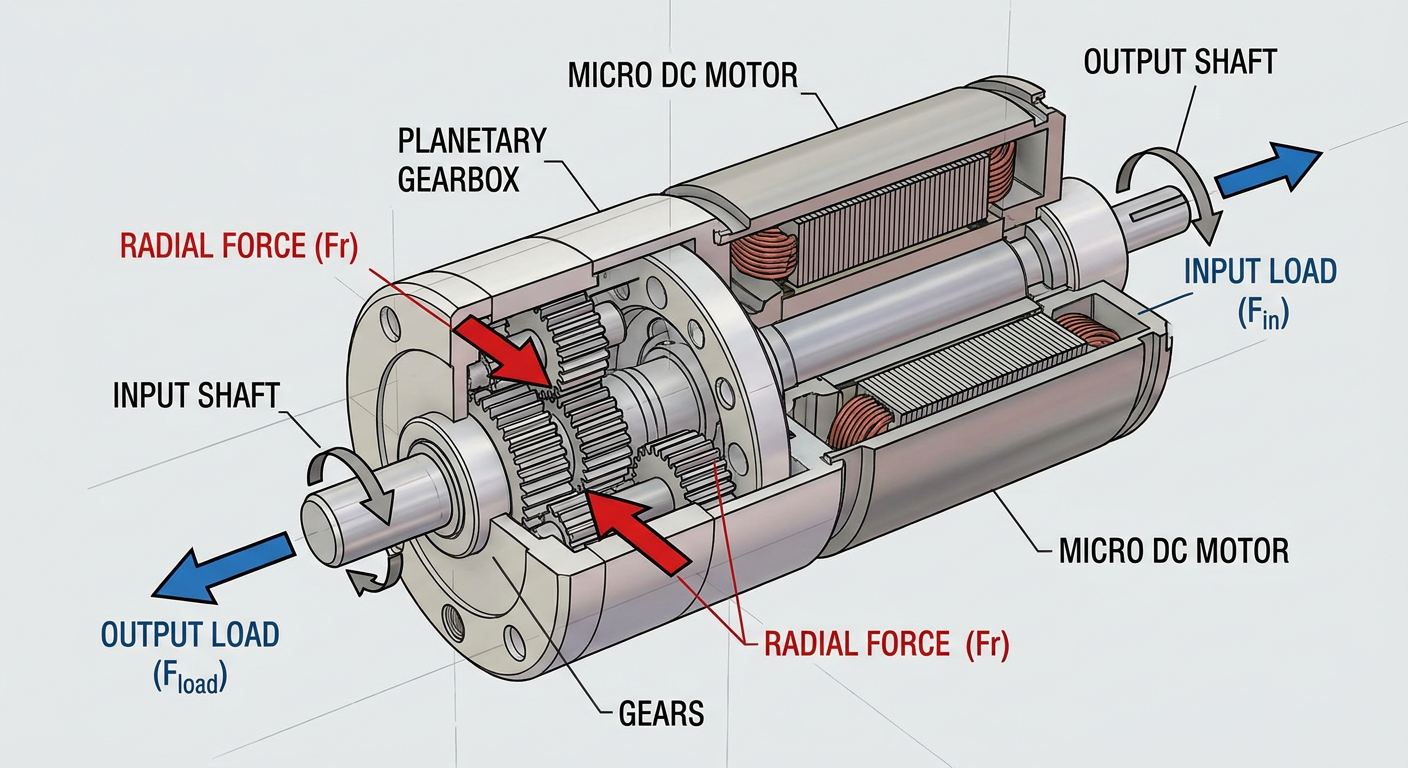
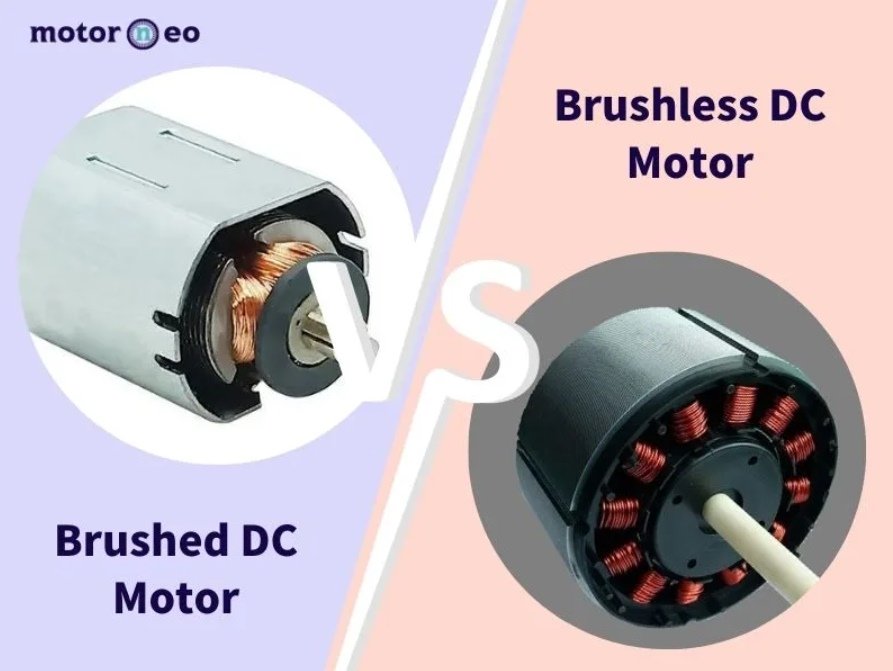
Brushless motors use advanced technology to deliver power efficiently. You find permanent magnets on the rotor and fixed electromagnets in the stator. An electronic controller manages the flow of electricity, switching the current to keep the rotor spinning. This design removes the need for brushes, which means less friction and lower maintenance. You get quiet operation and high efficiency, often reaching up to 90%. Brushless motors work well in precision devices, robotics, and electric vehicles.
Feature | Brushed Motors | Brushless Motors |
|---|---|---|
Rotor Components | Electromagnets on the rotor | Permanent magnets on the rotor |
Commutation Method | Mechanical commutator and carbon brushes | Electronic controller providing AC power |
Electromagnet Location | On the rotor | Fixed in the outer shell (stator) |
Maintenance | Requires regular maintenance due to brush wear | Lower maintenance, no brushes to replace |
How Brushed Motors Work
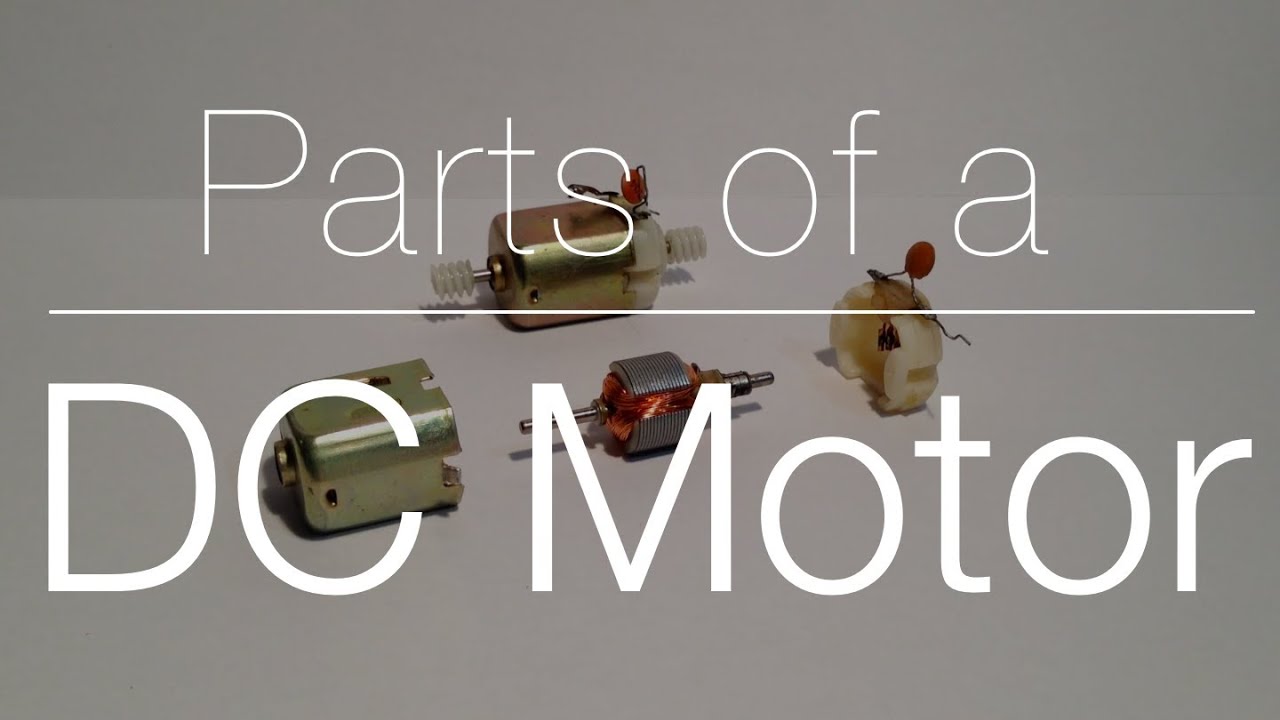
Brushed motors use a simple design. You see electromagnets on the rotor and carbon brushes that touch a commutator. As the motor spins, the brushes switch the current, making the rotor turn. This mechanical process creates friction, which leads to wear and noise. You need to replace brushes over time. Brushed motors suit household appliances, toys, and low-cost industrial uses.
Feature | Brushed Motors | Brushless Motors |
|---|---|---|
Commutation Method | Mechanical brushes and commutator | Electronic controller |
Efficiency | 70%-75% | 85%-90% |
Maintenance | Requires regular maintenance due to wear | Low maintenance, longer lifespan |
Noise and Vibration | Generates noise and sparks | Operates quietly with low vibration |
Control | Simple voltage variation or PWM | Advanced electronic drivers and control algorithms |
Applications | Household appliances, toys, low-cost industrial use | Precision devices, robotics, electric vehicles |
Tip: The difference between brushless and brushed motors affects how much maintenance you need and how long your motor lasts. If you want less upkeep and more efficiency, brushless is the way to go.
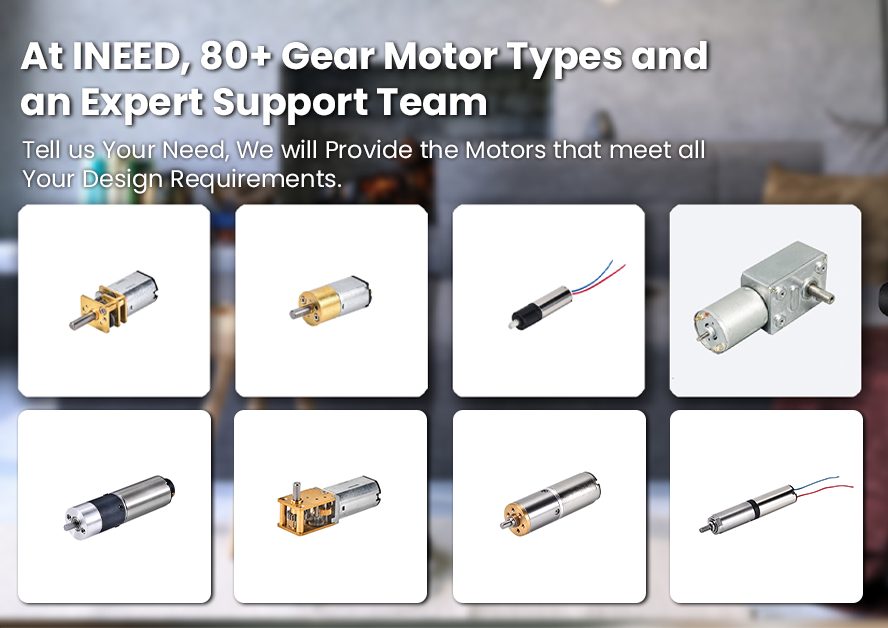
INEED specializes in both brushed vs brushless motors. You can choose from micro DC motors, brushless gear motors, and more. The company’s expertise ensures you get reliable motors for any application. When you look at brushless vs non brushless, think about your project’s needs and how each motor type fits your goals.
Performance Comparison: Brushless vs Brushed
When you compare brushless motors and brushed motors, you see clear differences in how each type delivers speed, power, and efficiency. This performance comparison helps you decide which motor fits your needs best. INEED offers both options, so you can choose the right solution for your project.
Speed and Power
Brushless motors stand out for their impressive speed and power. You get higher torque and faster rotation because these motors use electronic controllers instead of mechanical brushes. Brushless motors can reach speeds up to 80,000 RPM, especially in compact designs like those from INEED. You find these motors in drones, electric vehicles, and power tools where high speed matters.
Brushed motors use a simpler design. You see them in toys, household appliances, and some industrial machines. Their speed is limited by friction from the brushes and commutator. Most brushed motors reach lower RPMs and provide less torque compared to brushless motors.
Here is a table showing common performance metrics used to compare brushless motors and brushed motors:
Metric | Description |
|---|---|
Power | Energy made by torque and speed working together |
Max Efficiency | How well the motor turns electricity into power |
Current Curve | Shows how more torque uses more electricity |
Power Curve | Shows how much power the motor gives in Watts |
Speed-Torque Curve | Shows how speed and torque change together |
You notice brushless drills can deliver up to 80% more power than brushed motors. Some brushless motors reach torque ratings as high as 1,200 in-lbs. This extra power means you finish tasks faster and use less battery. You get longer run times and better motor performance.
Brushless motors provide higher torque and faster speed.
Brushed motors offer reliable power but at lower speeds.
Tip: If you need maximum speed and power for demanding tasks, brushless motors are the top choice.
Efficiency and Heat
Efficiency is a key factor when you compare brushless motors and brushed motors. Brushless motors use electronic commutation, which reduces friction and energy loss. You see motor efficiency levels between 85% and 90%. These motors stay cool even during long periods of use. You benefit from less heat, lower energy consumption, and quieter operation.
Brushed motors generate more heat because the brushes and commutator create friction. You often find built-in blowers or vents in brushed motors to manage this heat. About 20% of the power fed into brushed motors turns into heat from the brushes. Overall, up to 40% of the energy can be lost as heat. This lowers motor efficiency and can shorten the lifespan of the motor.
Here is a table comparing efficiency and heat generation:
Motor Type | Efficiency Level | Heat Generation Level |
|---|---|---|
Brushed | 70% to 85% | Higher due to friction and electrical losses |
Brushless | Over 90% | Lower due to absence of brushes and commutators |
Brushless motors operate without brushes or commutators, so you get less friction and less heat.
These motors maintain cooler temperatures, even at high speeds or during continuous use.
Brushless motors, especially those with variable frequency technology, show significant energy savings over brushed motors.
Note: High efficiency means you save energy and reduce costs over time. Brushless motors help you achieve this with less heat and longer life.
When you choose brushless motors from INEED, you get advanced designs that maximize efficiency and minimize heat. You enjoy quiet operation, longer lifespan, and better energy savings. Brushed motors from INEED offer reliable performance for basic tasks, but brushless motors give you the edge in demanding applications.
You see the difference in motor performance every time you use a brushless motor. You get more speed, more power, and less heat. This makes brushless motors the preferred choice for projects where efficiency and durability matter most.
Cost and Value: Brushed vs Brushless
Initial Cost
When you look at the price of motors, you notice a clear difference between brushed motors and brushless motors. Brushed motors usually cost less at the start. You see them in many budget-friendly devices because their design is simple and does not need extra electronics. Brushless motors have a higher initial price. You pay about 30% more for brushless motors compared to brushed motors, especially in electric vehicles. The extra cost comes from the need for electronic controllers and sensors. If you want a motor for a basic project or a toy, brushed motors help you save money upfront. If you need advanced features, brushless motors offer more value over time.
Brushed motors: Lower initial cost, simple design.
Brushless motors: Higher initial cost, advanced technology.
Tip: If your project needs high efficiency or long-term reliability, consider investing in brushless motors even if the upfront cost is higher.
Long-Term Value
You should think about more than just the purchase price. Maintenance and durability play a big role in the total cost of motors. Brushed motors need regular brush replacements. You spend more on upkeep as time goes on. Brushless motors need very little maintenance. You save money because there are no brushes to replace and fewer moving parts to wear out. Over the years, brushless motors last longer and keep working smoothly. You get better value for your investment.
Here is a table that shows how costs add up over time:
Motor Type | Initial Cost | Maintenance Cost | Total Cost |
|---|---|---|---|
Brushed Motor | $15-25 | $20-30 (brush replacements) | $35-55 |
Brushless Motor | $35-50 | $5-10 (rare maintenance) | $40-60 |
You see that brushless motors may cost more at first, but you spend less on repairs and replacements. The longer lifespan and lower maintenance make brushless motors a smart choice for many applications. INEED offers both brushed motors and brushless motors, so you can pick the best option for your needs. If you want a motor that delivers high torque, lasts longer, and needs less care, brushless motors give you the best long-term value.
Durability and Maintenance: Brushless Motors
Lifespan
When you choose brushless motors, you invest in longevity and reliability. These motors last much longer than brushed motors because they do not have brushes that wear out. The absence of brushes removes the main source of mechanical wear, so you get stable performance over time. You can expect brushless motors to operate for 10,000 hours or more in commercial applications. In comparison, brushed motors usually last around 3,000 hours before needing major repairs or replacement.
Here is a quick look at average lifespans:
Motor Type | Average Lifespan |
|---|---|
Brushed Motors | 3,000 hours |
Brushless Motors | 10,000 hours or more |
You see that brushless motors can last three to five times longer than brushed motors. This extended lifespan means fewer interruptions and less downtime for your equipment. If you need consistent torque and reliable operation, brushless motors deliver outstanding results.
Maintenance Needs
Brushless motors require very little maintenance. You do not need to replace brushes or commutators, which are common wear parts in brushed motors. This design reduces the risk of failure and lowers your maintenance costs. You benefit from fewer service calls and less time spent on repairs.
Brushless motors do not have brushes or commutators, so you avoid regular replacements.
You experience stable operation under different conditions, which leads to a longer service life.
Lower failure rates mean less downtime and reduced maintenance expenses.
Brushed motors need frequent attention because the brushes and commutator wear down with use. You must replace these parts regularly, which increases costs and can interrupt your workflow. Brushless motors, on the other hand, keep running smoothly with minimal care.
Common failure modes for brushless motors include overheating, bearing wear, electrical overstress, magnet degradation, contamination, controller issues, mechanical misalignment, and manufacturing defects. You can prevent most problems by following proper installation and using quality components, like those from INEED.
Tip: If you want motors that offer maximum longevity and minimal maintenance, brushless motors from INEED are a smart choice for your project.
Application Guide: Choosing the Right Motor
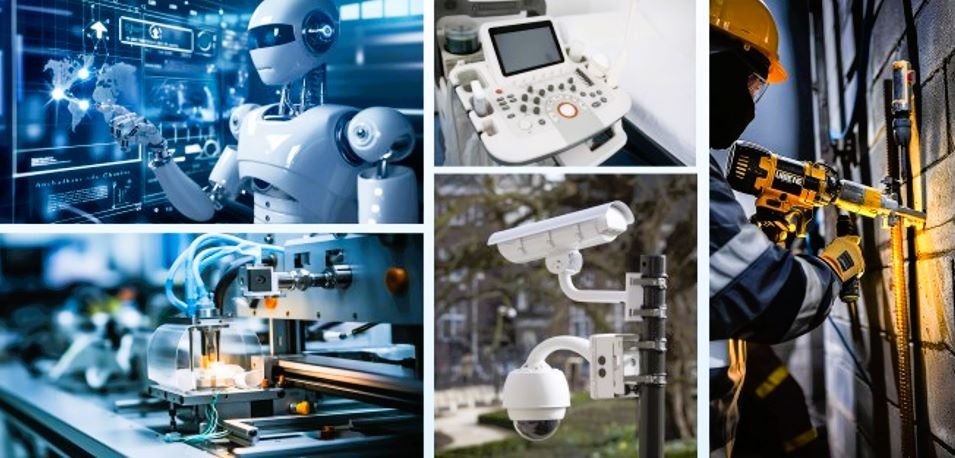
Choosing the right motor for your project depends on the application. You need to consider factors like efficiency, reliability, and ease of use. INEED offers a wide range of solutions for electric screwdrivers, medical devices, robotics, and more. Let’s look at how you can select the best motor for different uses.
RC Vehicles and Drones
You want speed, control, and reliability in rc car applications and drones. Brushless motors have become the standard for high-performance applications in this field. You get higher efficiency, longer lifespan, and better drone performance. These motors deliver superior speed and torque, which means your vehicles accelerate faster and respond quickly to controls. You see brushless motors in electric vehicles and drones that require precise movement and power.
Brushed motors still have a place for beginners. You find them easy to install and less expensive. They work well in basic vehicles and entry-level drones. However, you notice lower efficiency and shorter lifespan. These motors generate more heat and need more maintenance.
Here’s a table to help you compare motor types for vehicles and drones:
Motor Type | Pros | Cons |
|---|---|---|
Brushed Motors | Inexpensive, easy to install, compatible with simple ESCs, ideal for beginners. | Lower efficiency (~75–80%), shorter lifespan, generate more heat, limited top speed and responsiveness. |
Brushless Motors | Higher efficiency (up to 90%), longer lifespan, greater power-to-weight ratio, superior speed and torque control. | More expensive, require compatible brushless ESCs, slightly more complex setup. |
Tip: If you want the best drone performance or plan to upgrade your rc vehicles, choose brushless motors. You get more power and less maintenance.
Power Tools and Electric Screwdrivers
You use power tools and electric screwdrivers for tasks that demand strength and precision. Brushless motors give you superior power compared to brushed motors. You notice longer runtime, which helps when you work for extended periods. These motors let you adjust power settings, so you can handle delicate jobs without damaging materials. You see brushless tool options in professional-grade electric screwdrivers and drills.
Brushed motors work well for basic tools. You find them in budget models and simple household tools. These motors provide reliable performance but need more frequent maintenance. You replace brushes and deal with more heat during heavy use.
Here are the main advantages of brushless motors in power tools:
You get more power for tough jobs.
You enjoy longer battery life and efficiency.
You can adjust settings for delicate tasks.
Note: INEED’s DC gear motor solutions for electric screwdrivers offer both brushed and brushless options. You can select the motor that matches your needs for torque, speed, and durability.
Medical and Industrial Uses
You need precision and reliability in medical devices and industrial automation. Brushless motors excel in these environments. You benefit from improved thermal management because these motors have a shorter, lower resistance path for heat dissipation. You see reduced friction losses, which means higher efficiency and less wear. Brushless motors provide better speed control, which is crucial for medical equipment and robotics.
In industrial settings, you want motors that operate quietly and safely. Brushless motors do not produce sparks and run with low noise and vibration. You spend less time on maintenance, which keeps your machines running longer. Brushed motors offer a simple design and lower cost, but you deal with more maintenance and medium efficiency.
Here’s a table comparing important factors for industrial automation:
Factor | Brushed Motor | Brushless Motor |
|---|---|---|
Efficiency | Medium | High |
Maintenance | Need additional maintenance | No need |
Noise and Vibration | Medium | Low |
Cost and Complexity | Low | Medium (added electronic control) |
Design and Operation | Mechanical commutator | Electronic control |
Speed and Torque | Specific points | Wide range |
Safety | Sparks | No sparks |
Electrical consumption | Medium | Low |
You see brushless motors convert electrical power to mechanical power with minimal energy loss. You get safer operation and less downtime. These motors distribute heat evenly, reducing the risk of overheating. You use brushless motors in high-performance applications like medical devices, robotics, and electric vehicles.
Tip: For medical and industrial uses, brushless motors from INEED provide the efficiency, safety, and reliability you need.
You can choose brushed motors for simple, low-cost projects. For demanding tasks, brushless motors deliver the best results in vehicles, drones, tools, and medical equipment.
Pros and Cons: Brushless vs Non Brushless
When you compare the pros and cons of brushed and brushless motors, you see clear differences in performance, cost, and maintenance. Understanding these points helps you choose the right motor for your needs.
Brushless Motor Pros
You get high efficiency, often reaching 85% to 90%.
Brushless motors offer a longer lifespan because there are no brushes to wear out.
Maintenance needs stay low, saving you time and money.
You experience quiet operation with minimal vibration.
Electronic control gives you precise speed and torque adjustments.
Brushless motors work well in sensitive environments, such as medical devices and robotics.
You benefit from lower energy consumption and cooler operation.
Tip: Brushless motors from INEED deliver reliable performance and advanced features for demanding applications.
Brushless Motor Cons
You pay a higher initial cost due to advanced electronics.
Brushless motors require compatible controllers, which can add complexity.
Setup may take more time if you are new to electronic motor systems.
Brushed Motor Pros
Brushed motors give you a simple design and easy installation. You spend less money upfront, making these motors ideal for cost-sensitive projects. You get reliable performance for basic tasks that do not need high efficiency or advanced control. You can use brushed motors in toys, household appliances, and simple industrial machines.
Brushed Motor Cons
Disadvantage | Description |
|---|---|
Brush Wear and Maintenance Demands | Brushes wear out, so you need regular maintenance and replacements. |
Operational Efficiency Limitations | Brushed motors run less efficiently, especially at high speeds, which increases energy costs. |
Electrical Noise Generation Issues | The commutation process creates electrical noise that can interfere with sensitive electronics. |
Comparison Table: Total Cost of Ownership
Motor Type | Initial Cost | Maintenance Cost | Lifespan | Efficiency |
|---|---|---|---|---|
Brushed | Lower | Higher | Shorter | 75% – 80% |
Brushless | Higher | Lower | Longer | 85% – 90% |
Note: When you weigh the pros and cons of brushed and brushless motors, consider your budget, maintenance needs, and the level of performance you expect. Brushless motors from INEED provide long-term value and advanced control, while brushed motors offer simplicity and lower upfront costs.
You want the best performance and reliability for your project. Brushless motors give you high efficiency, long lifespan, and quiet operation. You see brushless motors excel in robotics, consumer electronics, and industrial automation. Brushless motors work well for high-speed, high-torque, and energy-saving needs. Brushless motors also help you future-proof your investment. If you need basic performance or have a tight budget, brushed motors offer a simple solution. Brushless motors require less maintenance and last longer. Brushless motors from INEED receive high customer satisfaction for reliability and energy savings. Brushless motors are ideal for demanding environments. Brushless motors support your informed decision.
Application Need | Best Choice |
|---|---|
Brushless motors | |
Low noise | Brushless motors |
Long lifespan | Brushless motors |
Simple, low-cost projects | Brushed motors |
Minimal maintenance | Brushless motors |
You can request free samples to test brushless motors for your application. Visit INEED’s website to learn more and make the right choice.
FAQ
What is the main difference between brushless and brushed motors?
Brushless motors use electronic controllers instead of brushes. You get higher efficiency, less maintenance, and longer life. Brushed motors use physical brushes, which wear out over time and need regular replacement.
Can you use a brushless motor in place of a brushed motor?
You can often replace a brushed motor with a brushless one. You need a compatible electronic controller. Check your device’s voltage and size requirements before making the switch.
Why do brushless motors last longer?
Brushless motors have no brushes to wear out. You avoid friction and dust buildup. This design lets the motor run cooler and smoother, which increases its lifespan.
Which INEED motor should you choose for medical devices?
You should choose INEED brushless motors for medical devices. They offer quiet operation, high efficiency, and minimal maintenance. These features make them ideal for sensitive and demanding environments.
How do you maintain a brushed motor?
You need to check the brushes regularly. Replace them when they show signs of wear. Keep the commutator clean. This routine helps your brushed motor run smoothly and last longer.