BLDC (Brushless DC) motors deliver high efficiency, low noise, and long service life—ideal for compact devices and precision motion systems.
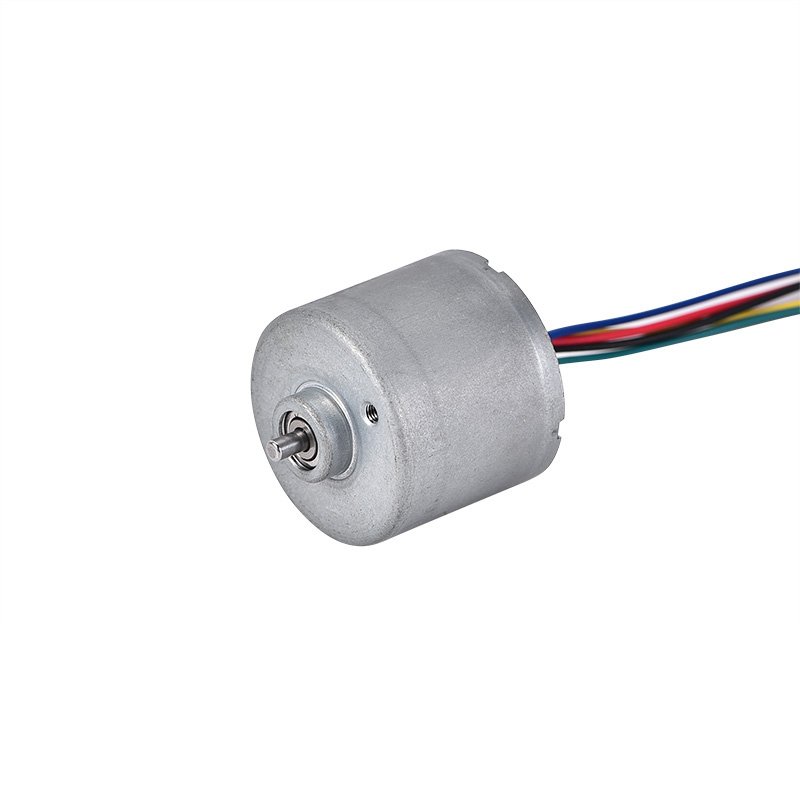
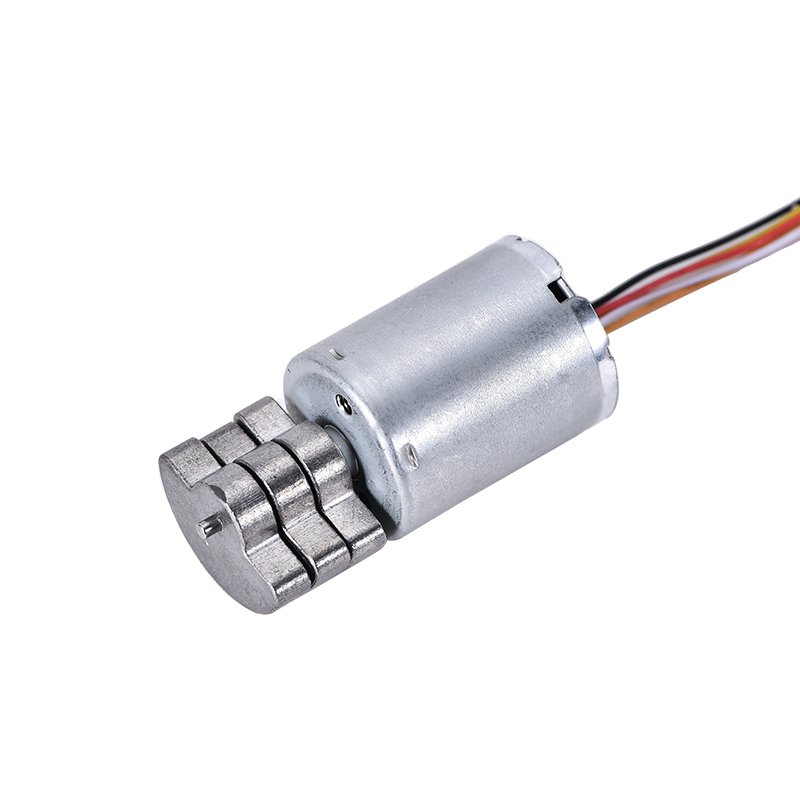
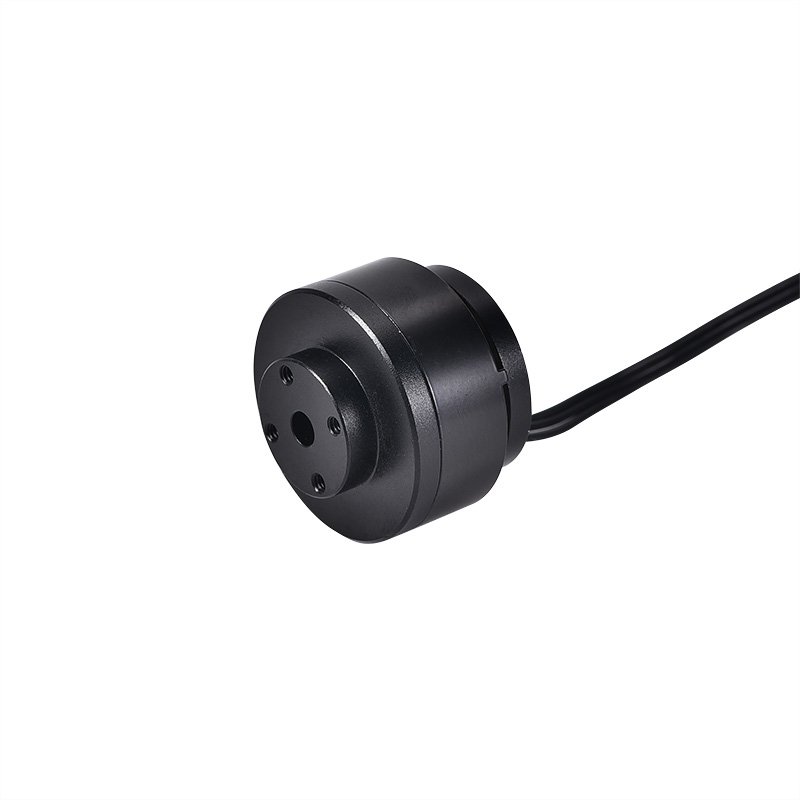
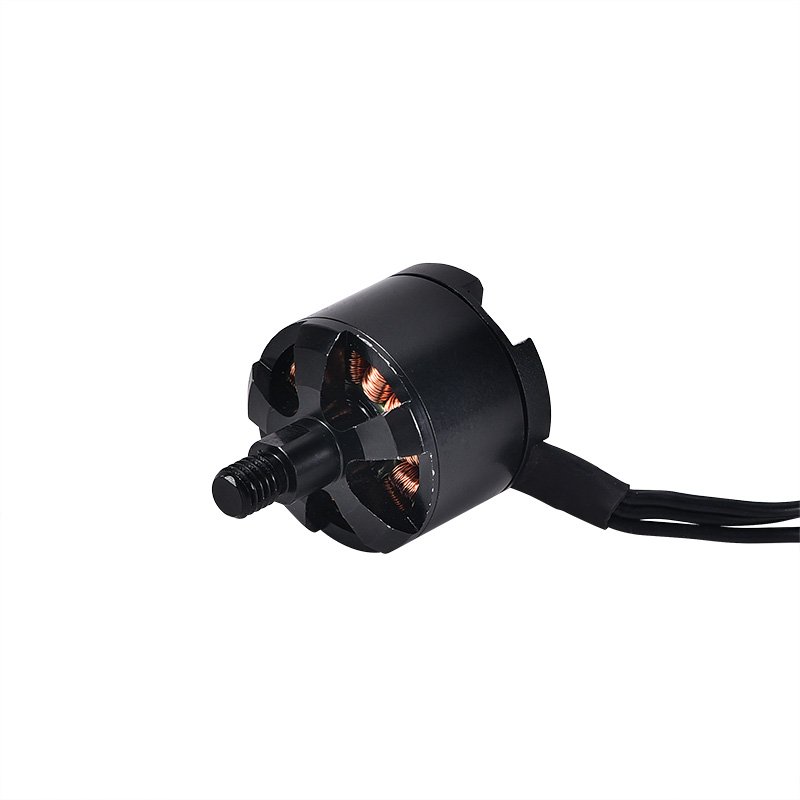
INEED Motors focuses on 12V / 24V micro & small BLDC motors, including inrunner (inner-rotor) and outrunner (outer-rotor) designs, with options for Hall-sensored or sensorless control.
Share your voltage, target RPM, space limit and load—we’ll recommend 2–3 suitable models and provide datasheet/CAD for evaluation.

Use this quick guide to choose the right 12V/24V micro BLDC motor in minutes. If you’re not sure about torque or current, send your application info—we can help estimate and recommend.
Step 1 — Define your requirement
Step 2 — Choose structure & feedback
| DECISION | CHOOSE A WHEN… | CHOOSE B WHEN… |
|---|---|---|
| Inrunner (Inner-rotor) vs Outrunner (Outer-rotor) | Higher RPM, compact diameter, stable high-speed operation | Higher torque at lower RPM, better cooling, propeller/gimbal-type loads |
| Hall-sensored vs Sensorless | Reliable low-speed start/stop, tighter commutation control | Lower cost, simpler wiring, good mid-to-high speed operation |
Step 3 — Confirm integration needs
To get a fast recommendation, send: voltage (12V/24V), target RPM, space limit, load/torque, and whether you prefer Hall or sensorless.
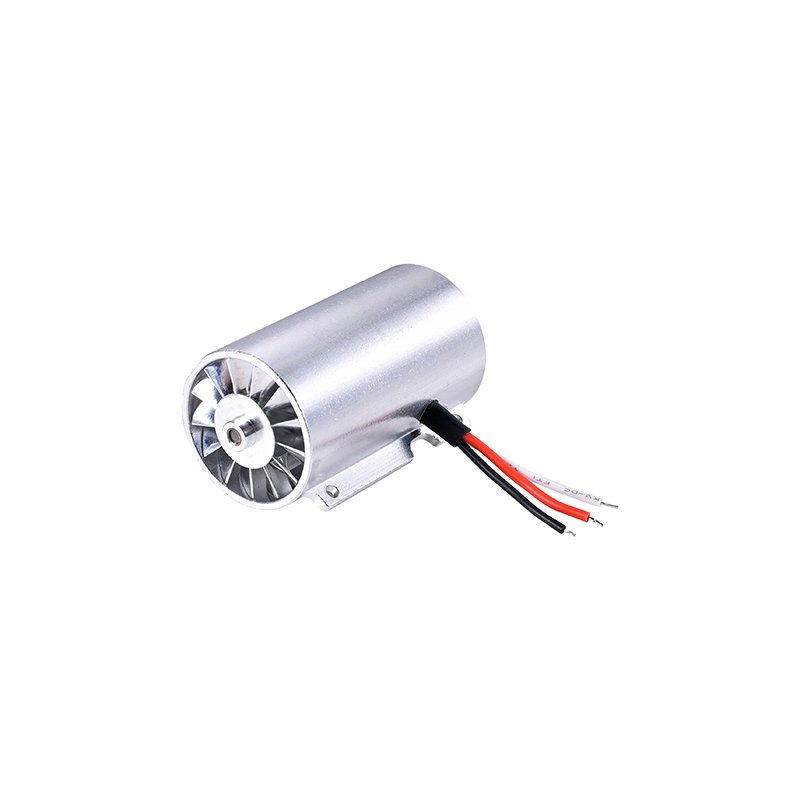
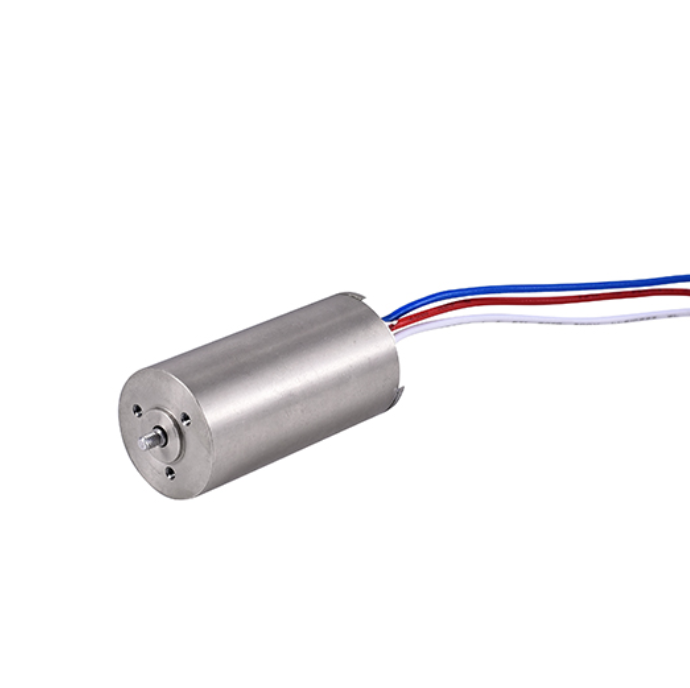
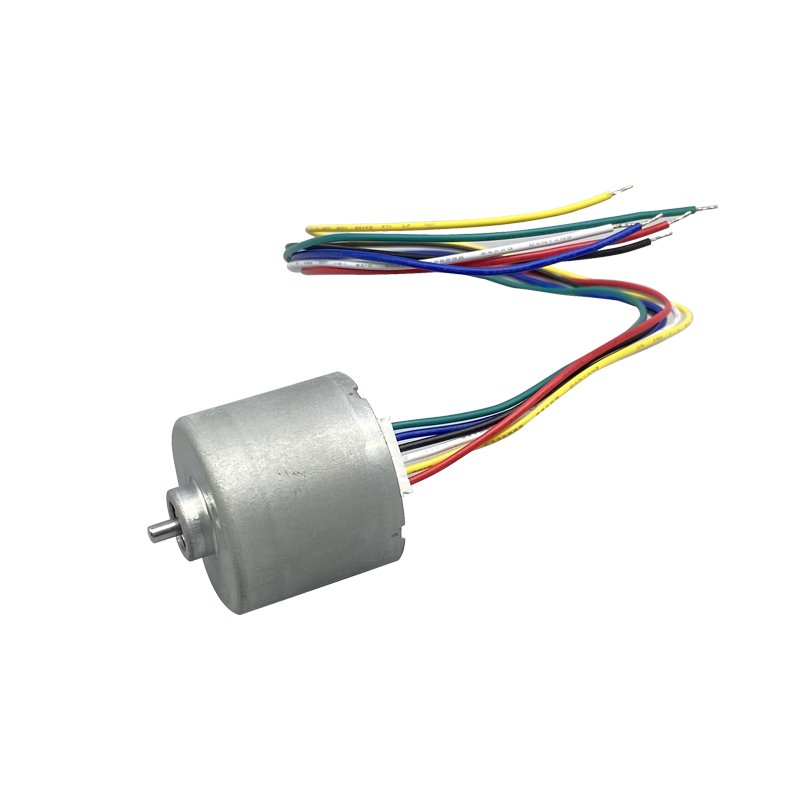
Below are our micro & small BLDC motor options. Start with inrunner vs outrunner, then choose Hall-sensored or sensorless based on your low-speed starting requirement and cost target.
In micro BLDC motors, electronic commutation replaces brushes, improving lifetime and reducing noise. Rotor magnets rotate while stator windings remain stationary, and the controller commutates based on Hall sensors or back-EMF (sensorless).
In a brushless DC motor, as the name suggests, it operates without the use of brushes for commutation. Instead, electronic commutation is employed to convert electrical energy into mechanical energy, eliminating the need for brushes.
The coils of the brushless motor are located on the stator of the motor, while the permanent magnets are fixed on the rotor. The rotor rotates a full 360 degrees.
Since the coils no longer rotate and only the permanent magnets rotate, brushes are not required. Motor commutation is achieved through electronic devices that utilize Hall sensors to detect the position of the permanent magnet poles. The electronic circuitry then switches the direction of current in the coils at the appropriate moments to ensure the correct magnetic field direction for motor operation. This eliminates the drawbacks associated with brushed motors. With this certain BLDC technology, BLDC motor suppliers are able to manufacture all kinds of small brushless DC motors that meet industries’ needs.

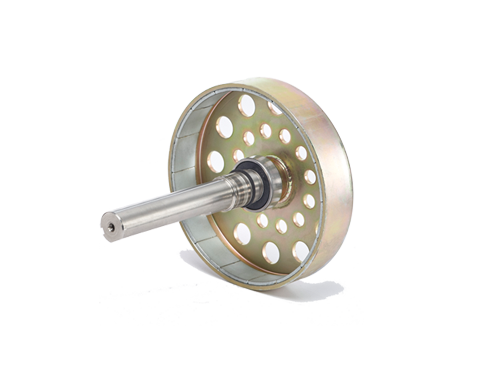
A brushless DC motor is a unique type of motor in terms of its structure. Firstly, its internal DC motor components do not generate rapid mechanical wear, making it virtually maintenance-free. However, over time, the brushes in a brushed DC motor undergo more mechanical wear, eventually leading to motor failure. This is the secret behind the long lifespan of brushless DC motors. Moreover, by eliminating brushes, there are no dust, debris, or sparks generated, significantly reducing electromagnetic interference on radio-controlled devices and minimizing heat and noise generation. This key advantage allows brushless DC motors to operate with ultra-low electrical noise, low friction, and smooth operation. In contrast, brushed motors rely on brushes for commutation, and the intense sparking inside the motor is a direct cause of high motor noise. If your application requires limiting electrical noise, then a brushless DC motor is the most suitable and preferred choice.
When a brushed DC motor may be enough
If lowest upfront cost is the #1 priority, runtime is short, and periodic maintenance/replacement is acceptable, a brushed DC motor can still be practical. For long life, low noise, and higher efficiency, micro BLDC is usually preferred.
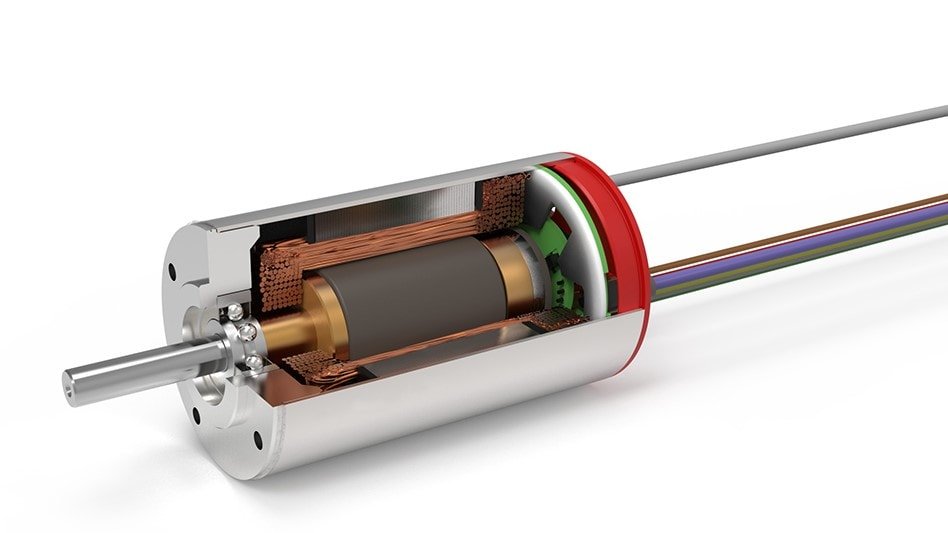
For brushless DC motors, it is important to avoid reversing the polarity as it can result in motor damage. Our brushless DC motors typically have 3-8 wires. Generally, sensorless motors have 3 wires, while sensored motors have 8 wires. Sensored brushless motors feature built-in Hall sensors, whereas sensorless motors do not have Hall sensors.
For toy-grade small drones: Coreless DC motors.
They are easy to control, just like any other DC permanent magnet motor. They offer a good power-to-weight ratio but have limited (and short) lifespan due to commutator wear.
For hobby-grade and professional-grade drones: Brushless DC (also known as electronic commutation or BLDC).
For aircraft, outrunner types are preferred due to higher torque and better cooling. They can directly drive propellers. For cars/boats, traditional inrunner motors are more popular and require some gearing.
All brushless DC motors require a special and complex electronic drive circuit called an Electronic Speed Controller (ESC). BLDC motors have been in use for a long time in areas such as fans, floppy disk drives, and hard disk drives, but the components used in drones feature extremely strong rare-earth magnets and offer the best power density among all electric motors.
Voltage (12V/24V), target RPM, space limit (diameter/length), load/torque (or load description), duty cycle, noise limit, and Hall vs sensorless preference.
Yes. We can provide datasheet and 2D/3D drawings for evaluation after you share basic requirements.
Yes. We support customization for integration, including shaft type/length, cable/connector, and winding.
In most table fans and pedestal fans, the motor is typically a simple AC shaded-pole motor – a quiet, inexpensive, and mechanically straightforward induction motor. However, due to its design, it has low torque and efficiency. Ceiling fans typically use capacitor-start and run AC motors, with an inverted stator and windings in the center, while the hub serves as the squirrel cage rotor. In large warehouses, the fans are driven by large industrial induction motors through gearboxes. These fans have huge blade spans and are capable of moving a significant amount of air. The fans in computers are low-power brushless DC motors with built-in electronic components – they are simple to manufacture and ubiquitous. The latest high-end ceiling fans utilize brushless DC motors and electronic controllers to improve efficiency and torque.
Brushless DC motors are available in various voltage ratings to suit different applications. The common types are 12V BLDC motors, 24V BLDC motors,and higher, depending on the specific requirements of the application. Contact INEED Motors now for the specific voltages you want.
Yes. Based on voltage/current and sensor type, we can suggest a suitable control solution.
It depends on model and customization level. Send your specs and quantity for an accurate lead time.
With proper sealing and system design it’s possible. Share your environmental requirement (e.g., target IP level) to evaluate.
You need our support, and we are ready to provide assistance.
Struggling with DC motor complexities? We specialize in custom small gear motor and micro DC motor, offering expert solutions to simplify design, manufacturing, and delivery. Let’s work together to make it easier for you.
Contact us today!
Download and view the full series catalog for free
You need our support, and we are ready to provide assistance.
Motor products pose complexities in understanding, specifying, and integrating, with no industry standards. We offer expertise to mitigate design, manufacturing, and supply risks.
Contact our team now.
You need our support, and we are ready to provide assistance.