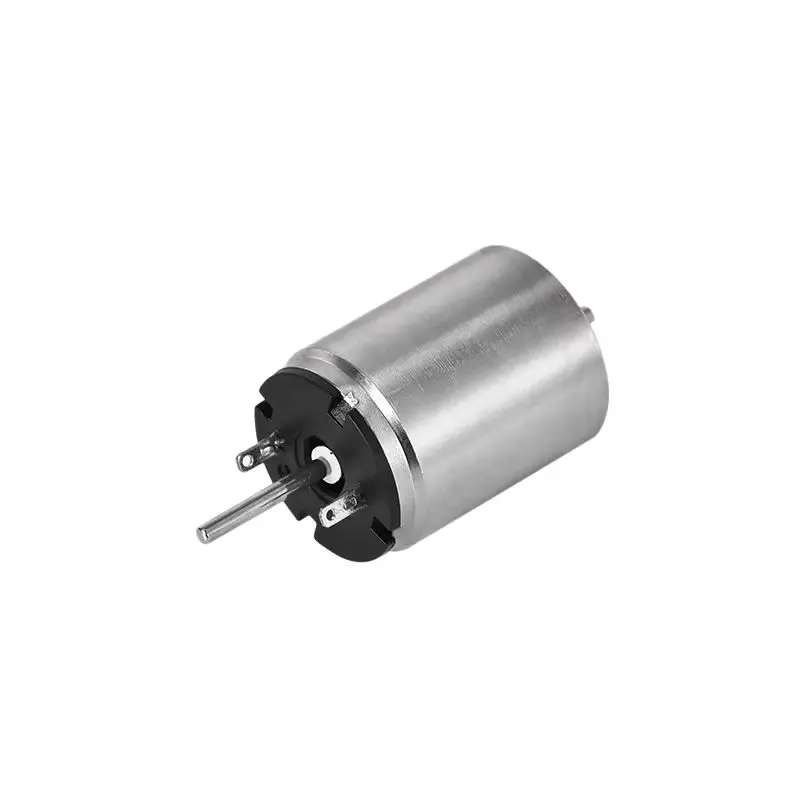
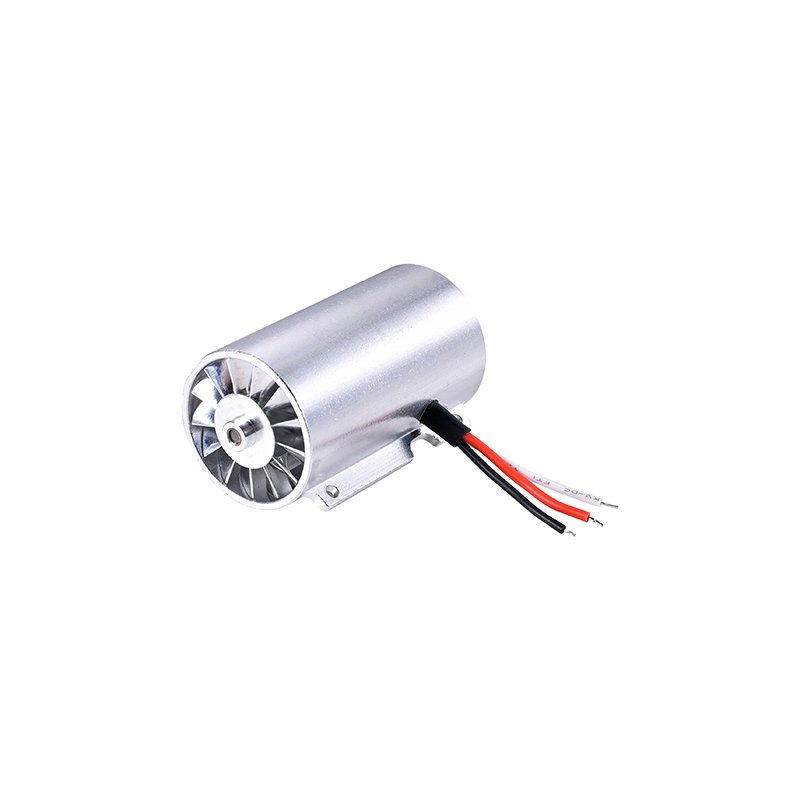
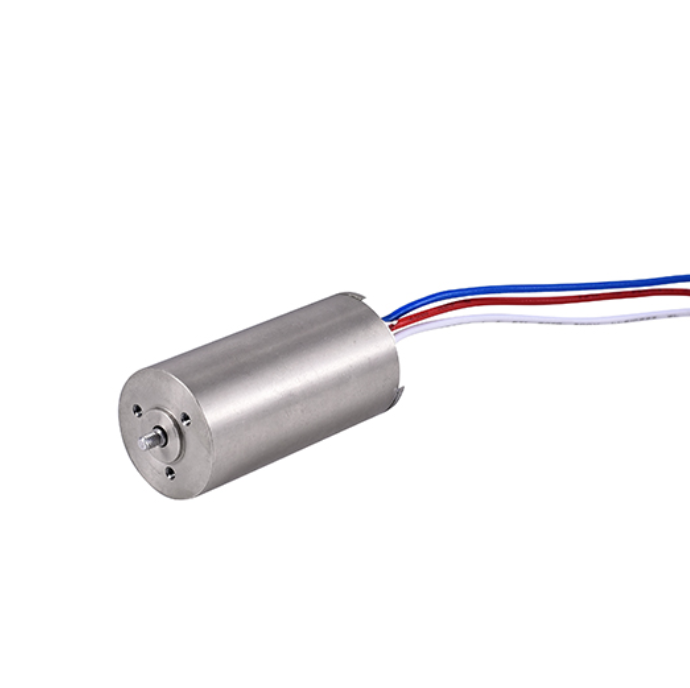
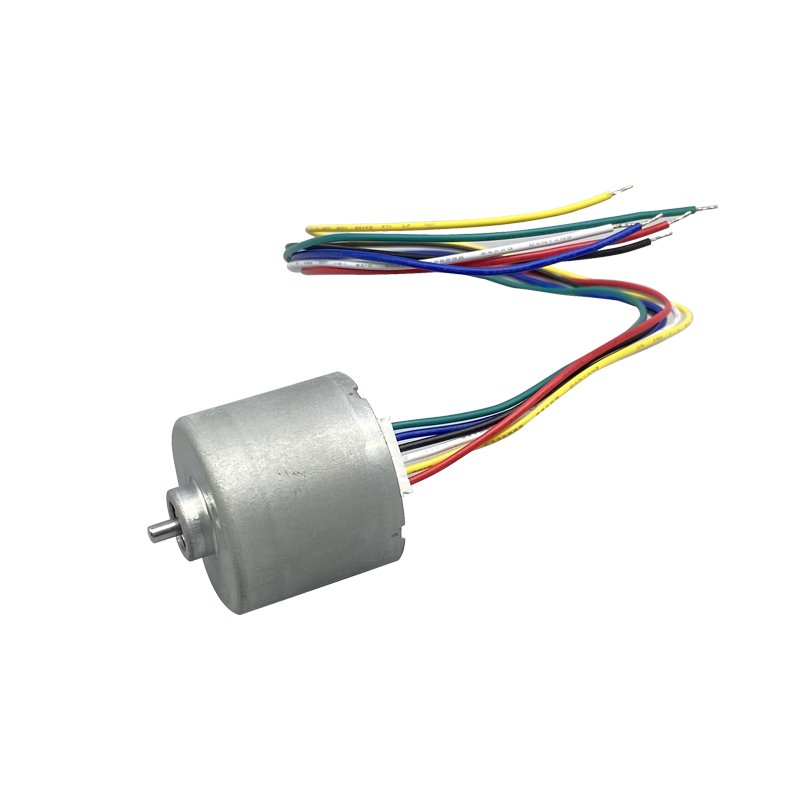
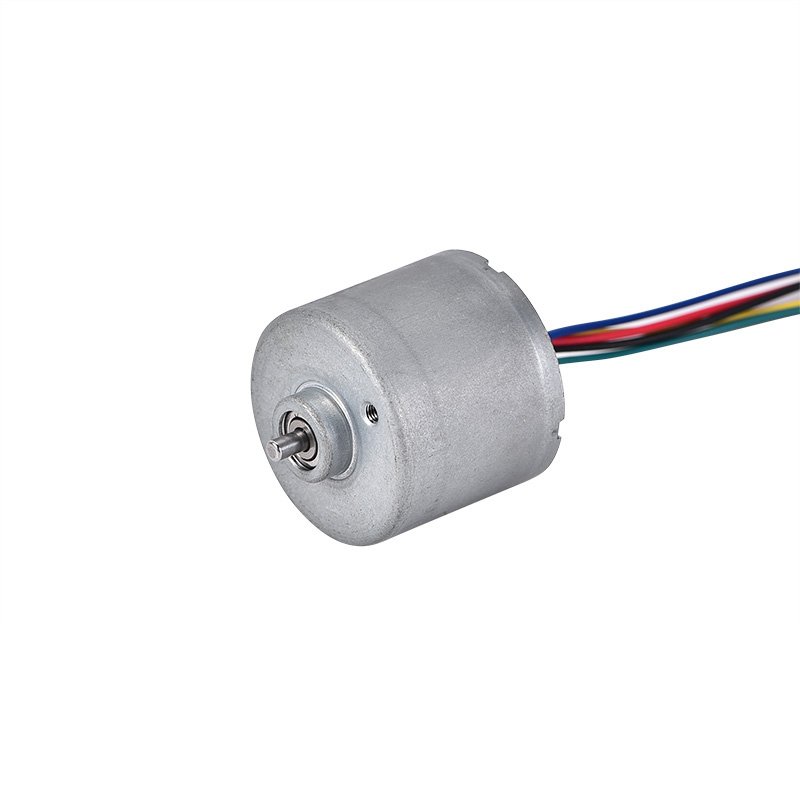
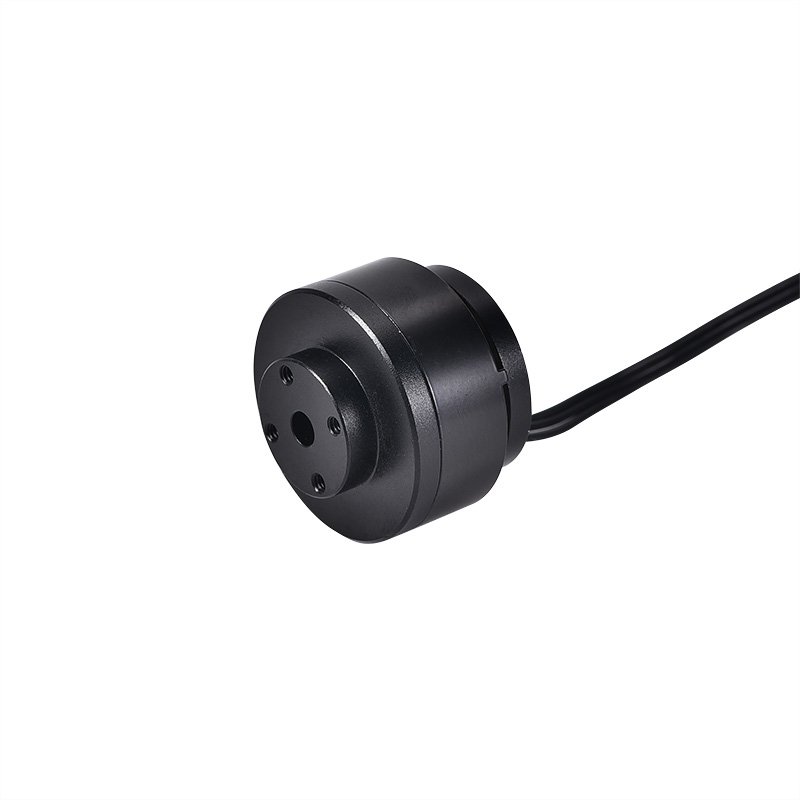
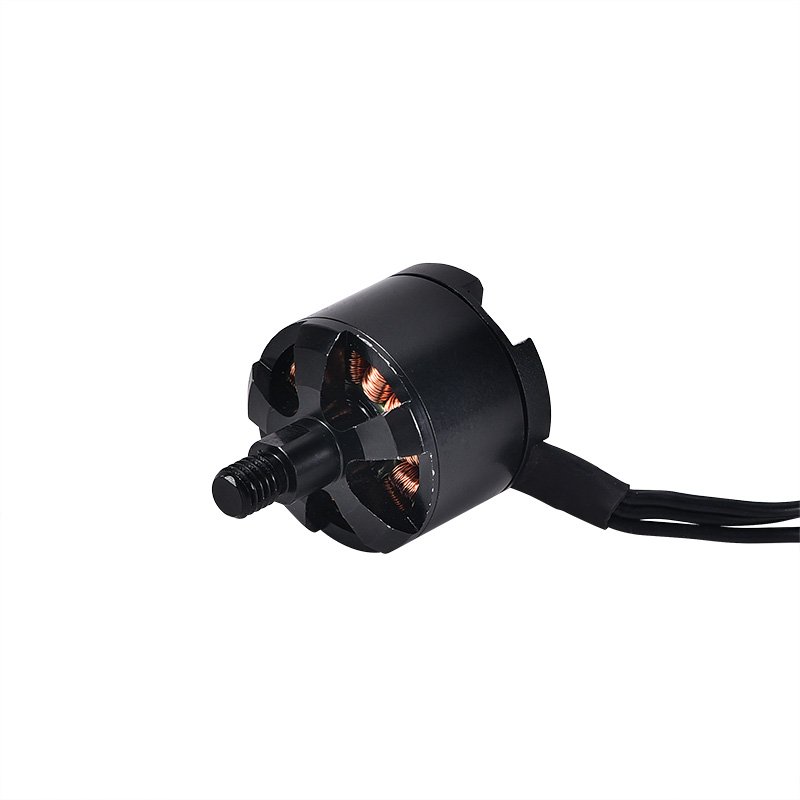
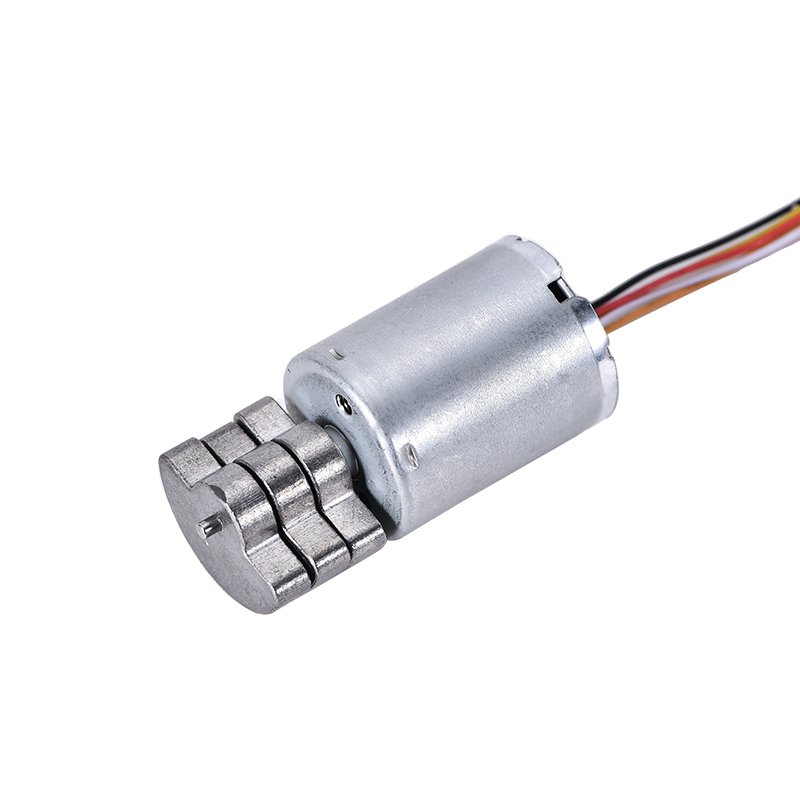
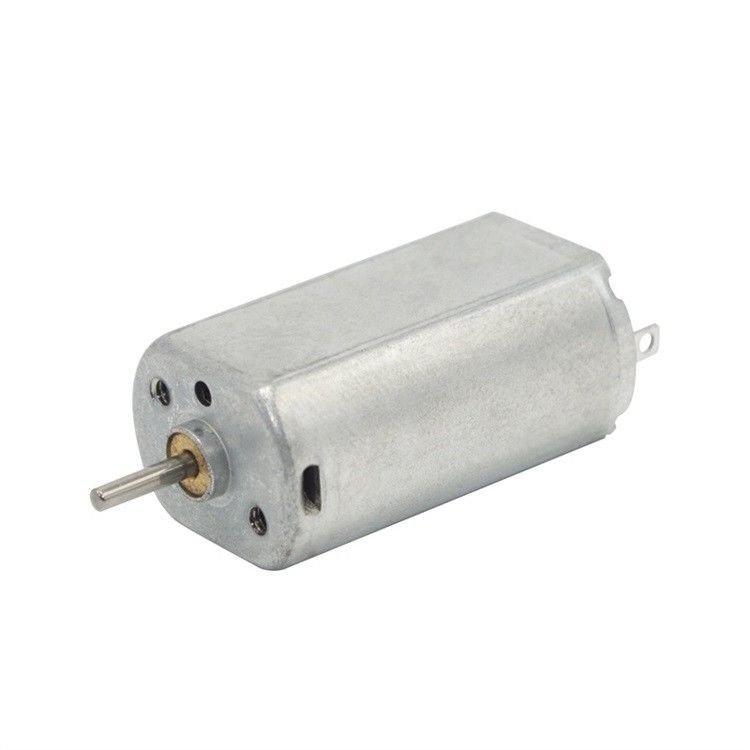
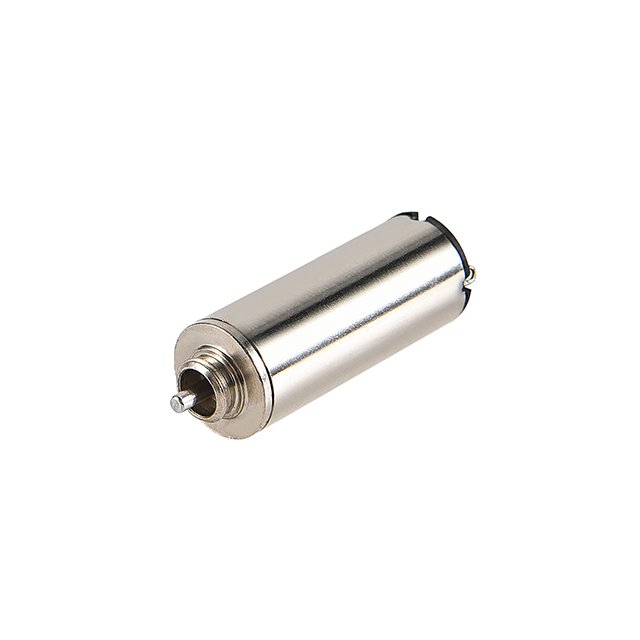
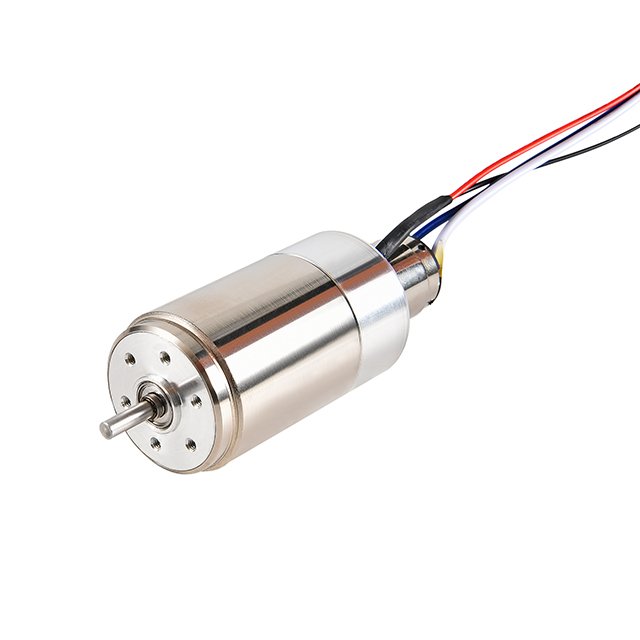
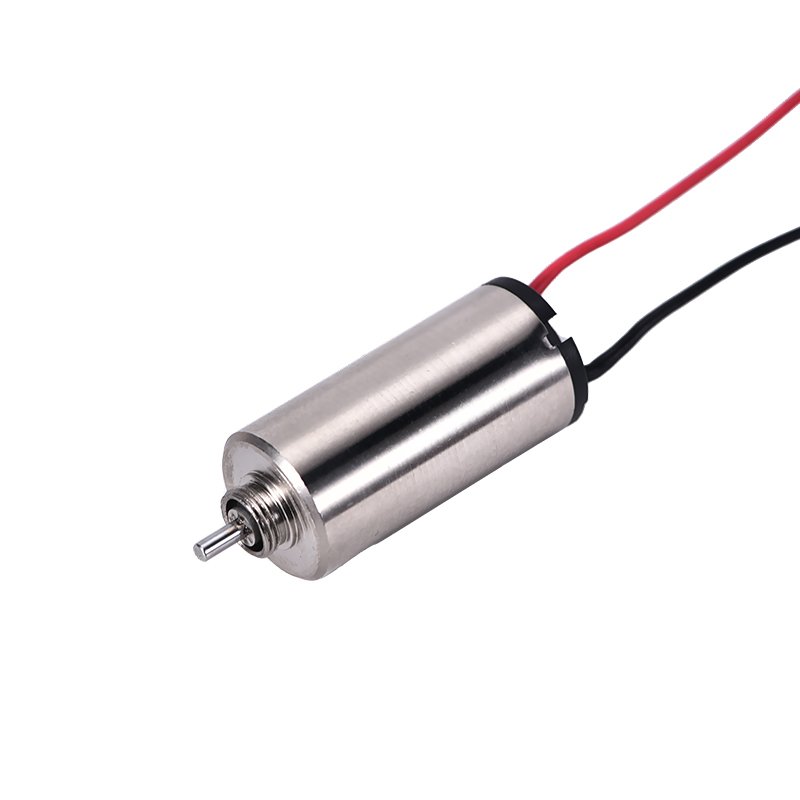
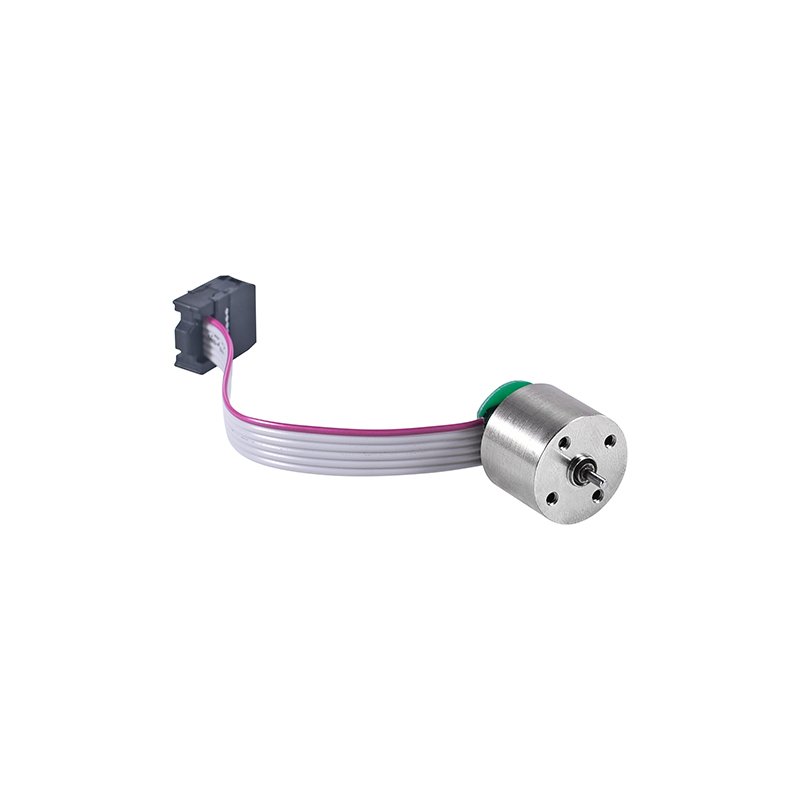
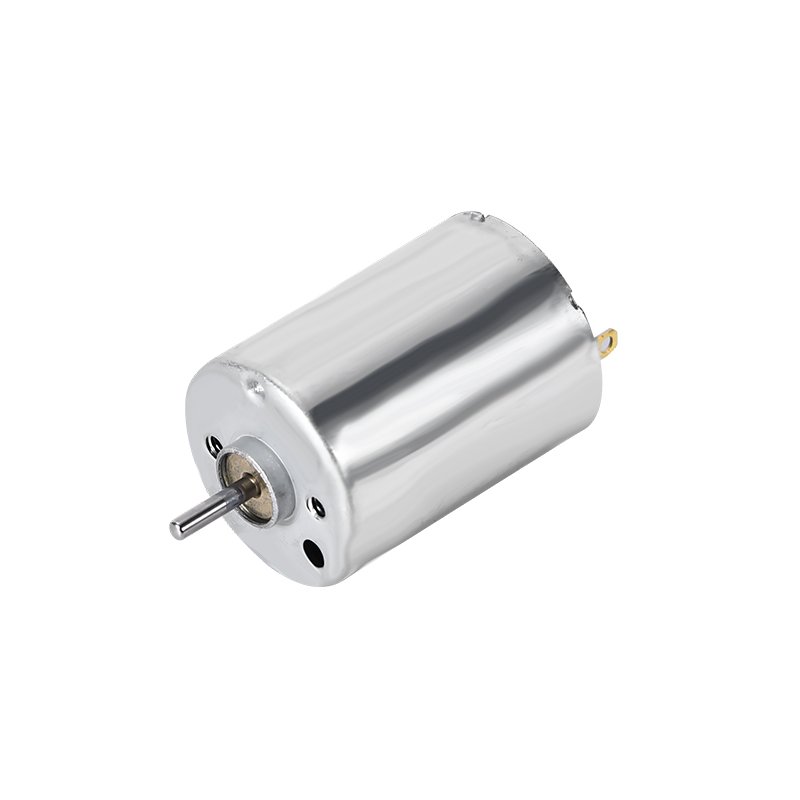
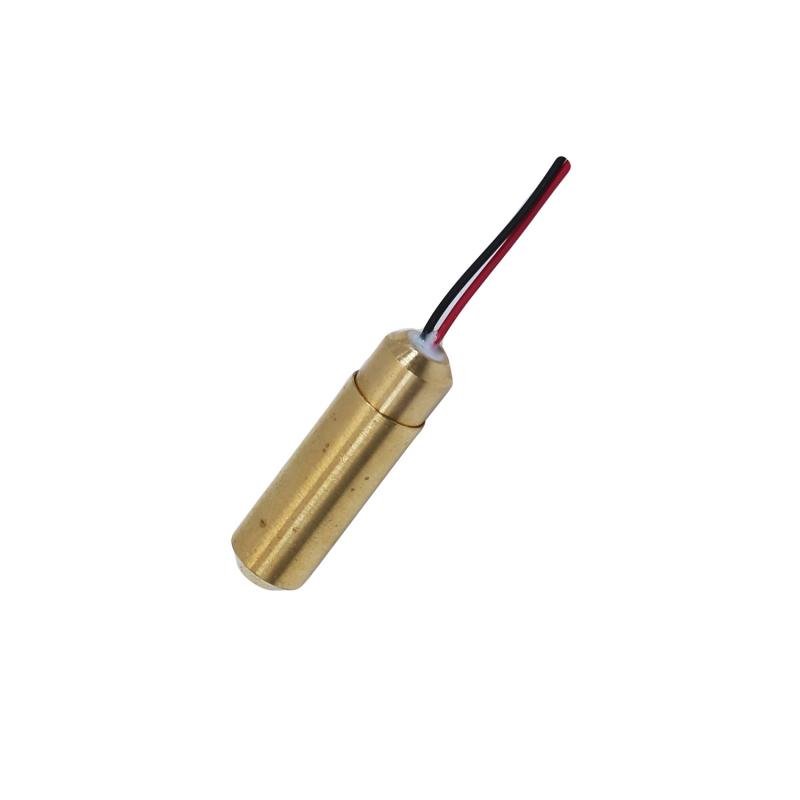
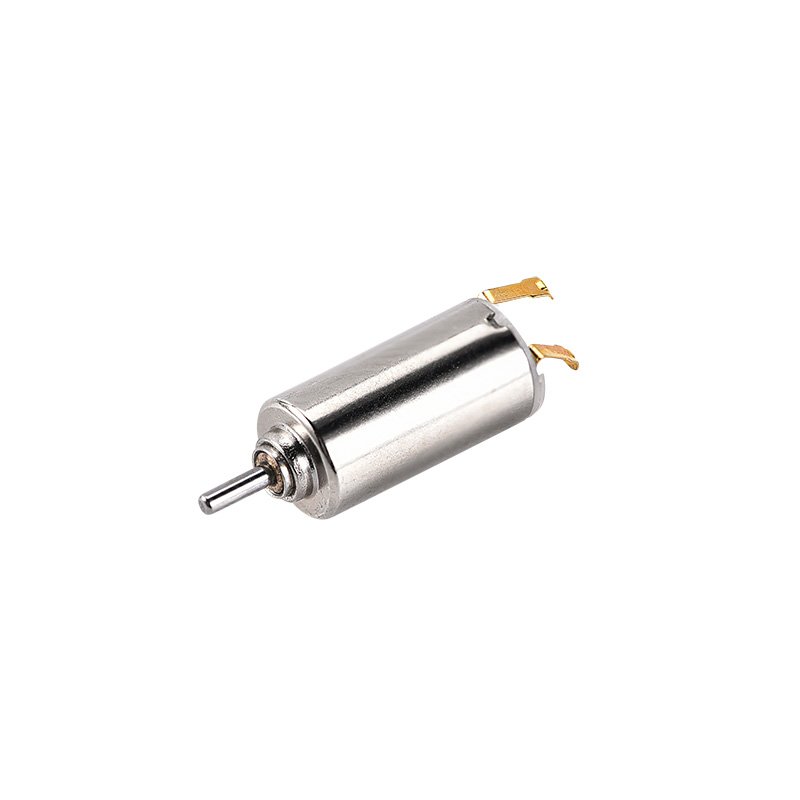
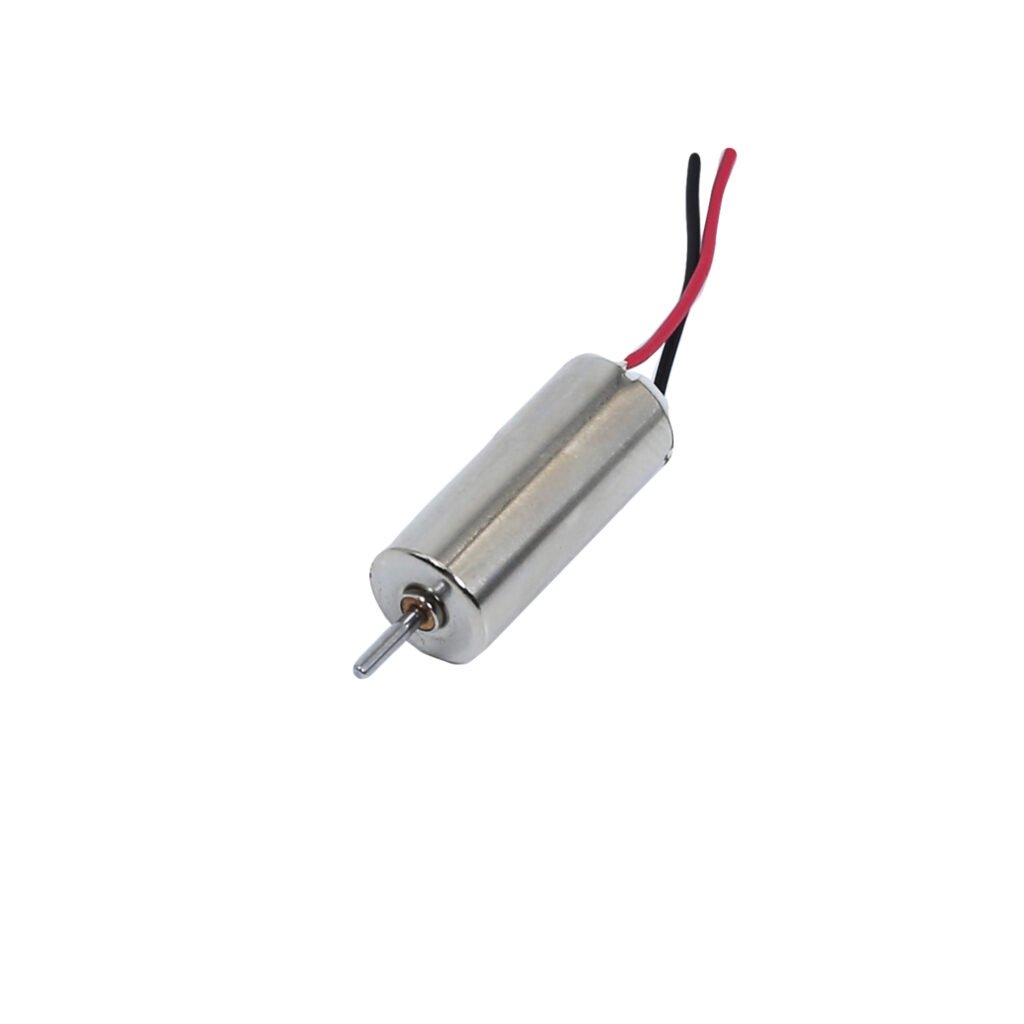
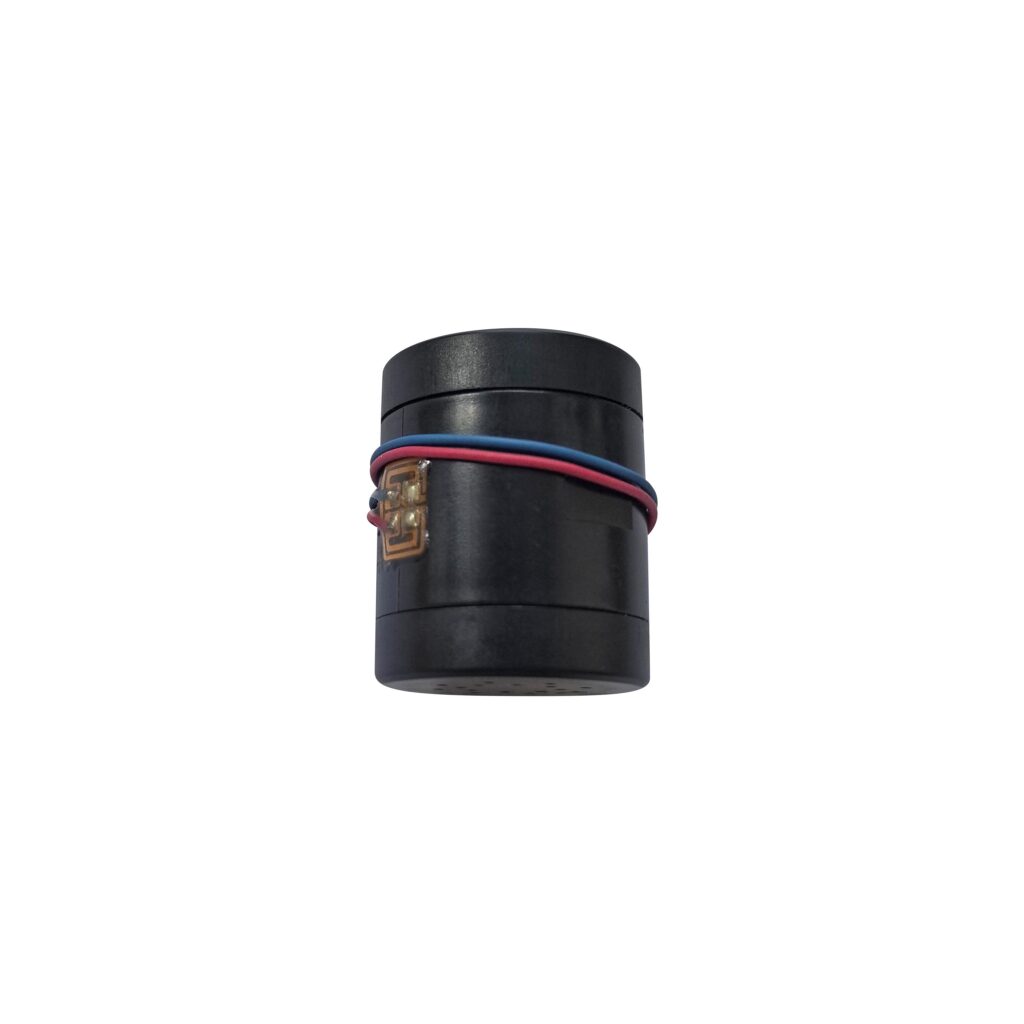
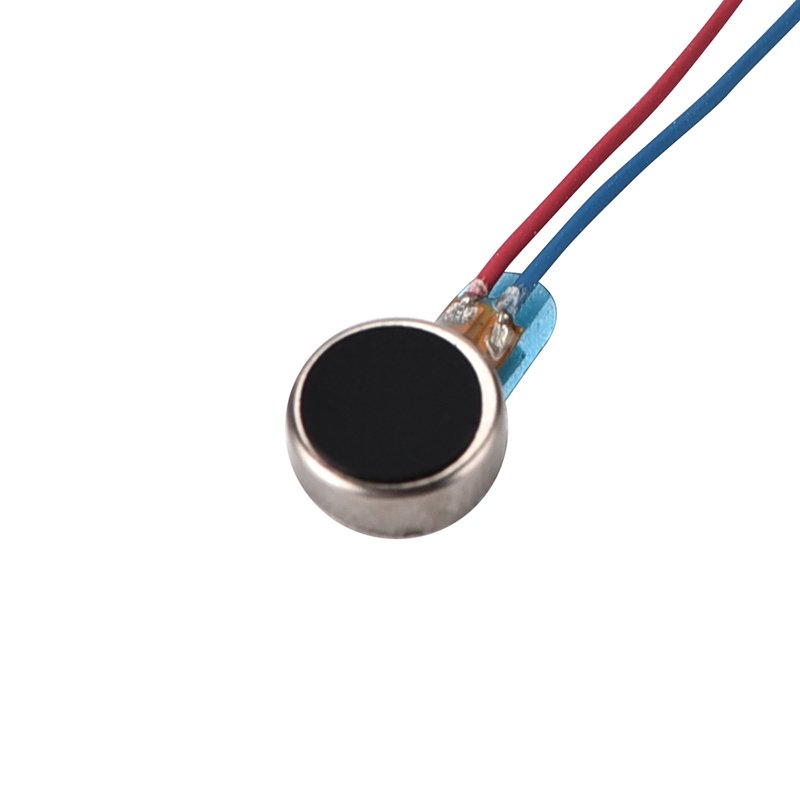
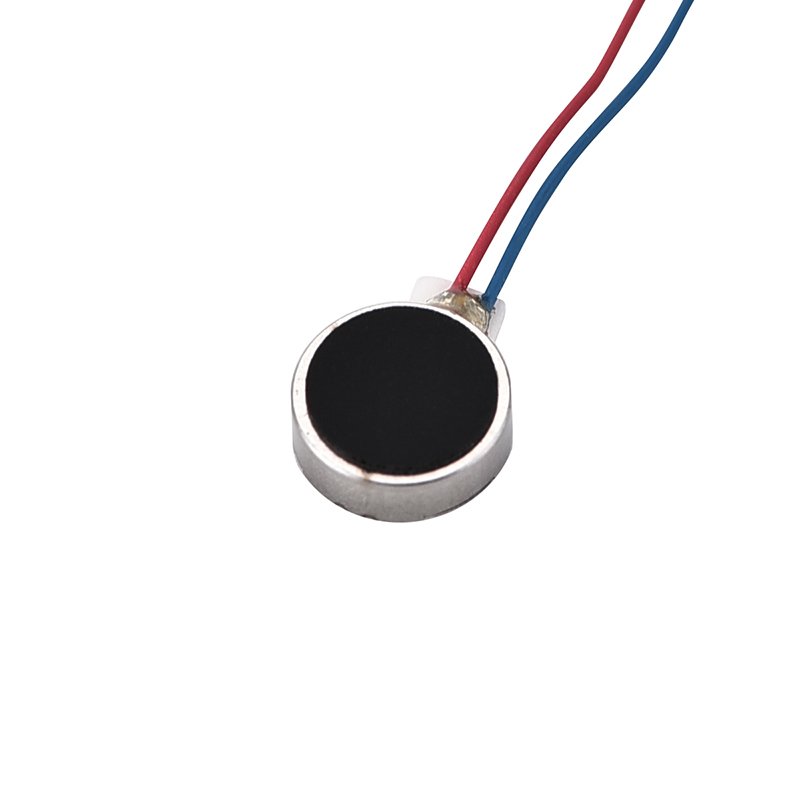
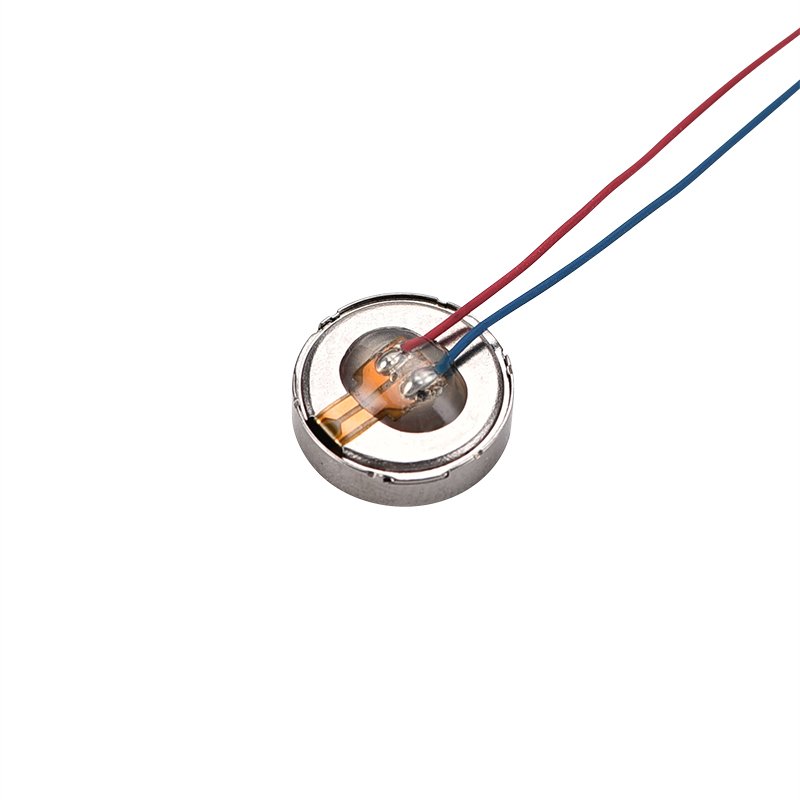
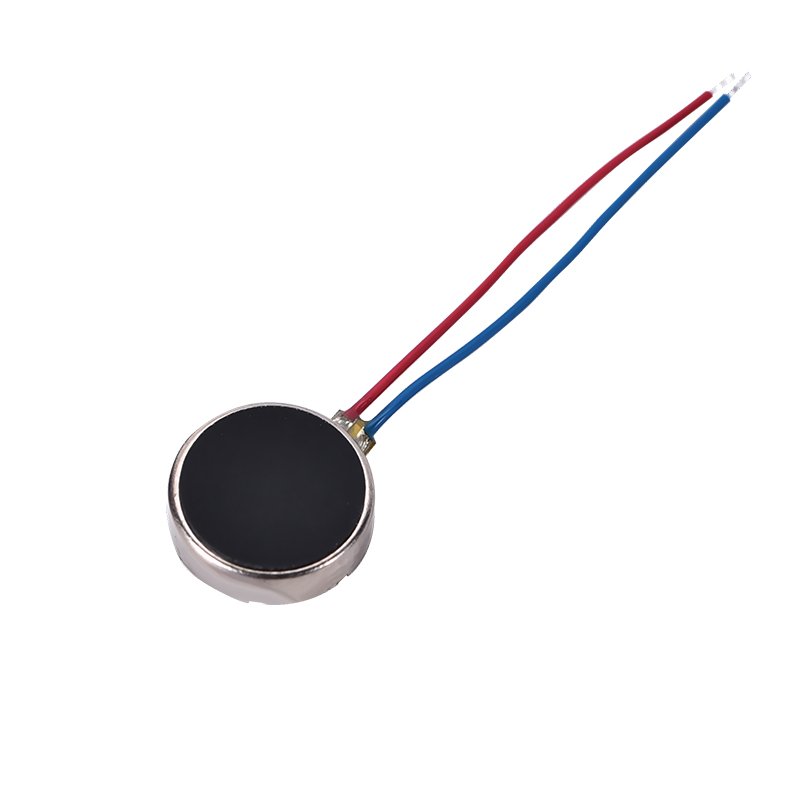
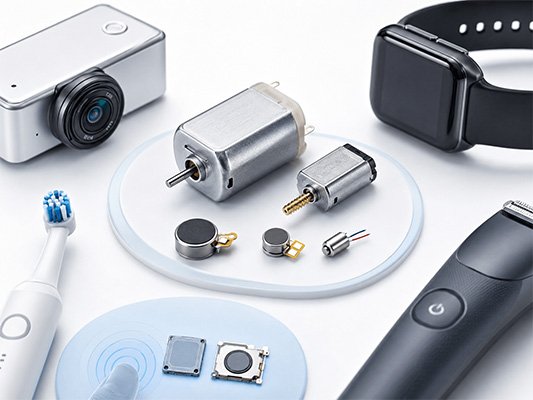
Micro DC motors are compact DC motors designed for space‑limited devices. INEED supplies micro motor sizes from 4mm to 42mm+ and supports prototype →pilot run → mass production for industrial, medical, instruments, and consumer applications.
A “micro motor” can be classified in more than one way. To keep things clear for both engineers and search engines, we use two primary dimensions plus one function-oriented category.
Use this quick comparison to shortlist the right motor type before moving into voltage, torque, speed, duty cycle and driver requirements.
| Type | Best for | Pros | Trade-offs | Control / Driver |
|---|---|---|---|---|
| Brushed (iron-core) |
Cost-sensitive systems, simple control | Low cost, simple wiring, good starting torque | Brush wear, higher electrical noise | Direct DC / PWM Recommended protection |
| Micro BLDC | Long life, low EMI, high efficiency | Long lifespan, low maintenance, cleaner commutation | Needs driver and tuning | BLDC driver Hall / sensorless |
| Coreless (Brushed) |
Fast response, precision motion in compact size | Very low inertia, smooth start, high power density | Needs good current and thermal design | DC / PWM |
| Coreless (BLDC) |
Premium performance and long life | Excellent efficiency and dynamics in small size | Higher complexity and cost | BLDC driver |
| Vibration (ERM / LRA) |
Haptics and alerts | Compact haptic options, quick integration | Not for continuous mechanical power output | Optional haptic driver |
Micro BLDC motors, also known as brushless DC motors, are preferred when you need long service life, high efficiency, and lower EMI. In micro-size designs, BLDC can be especially valuable for battery-powered devices and applications with tight noise constraints.
For detailed BLDC principles and control topics, see: Brushless DC Motors With The Latestly BLDC Technology | INEED Motors
Get a QuoteBrushed micro DC motors are a practical option when you need simple wiring, straightforward speed control, and strong value for volume production. They are widely used in compact actuators and instruments where cost and simplicity matter.
| What you care about | Recommendation |
|---|---|
| Lowest BOM cost | Brushed iron-core |
| Very simple control | DC / PWM and current limit |
| EMI sensitive | Consider BLDC or add suppression design |
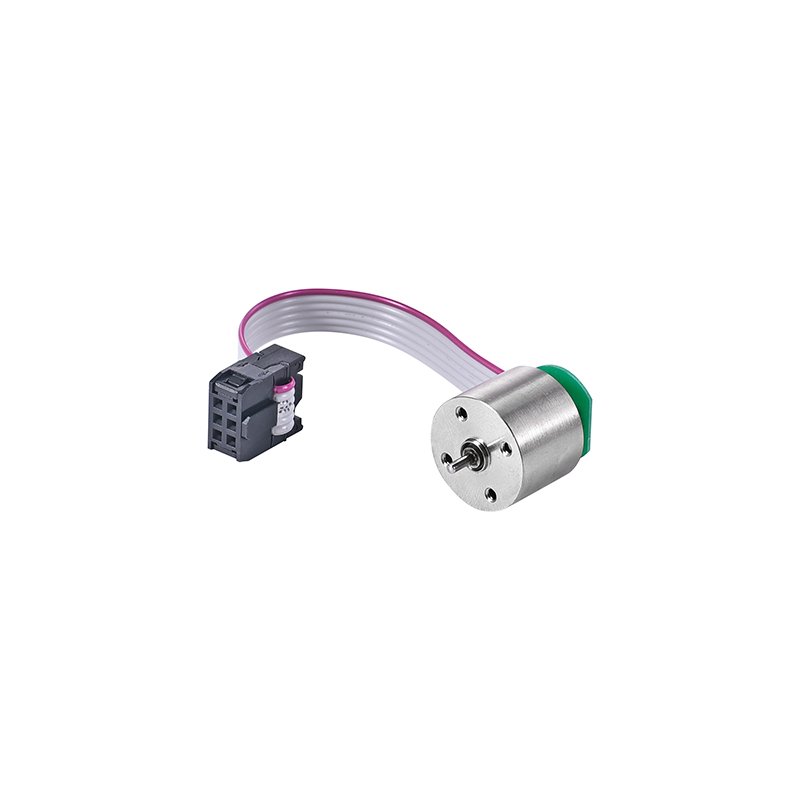
Coreless describes the rotor construction, not the commutation type. A coreless motor can be brushed coreless or coreless BLDC. Coreless designs are known for low inertia, fast response, and strong performance in compact spaces.
| If your application needs... | Consider coreless because... |
|---|---|
| Fast response / quick acceleration | Low inertia |
| Efficient output in compact size | Reduced rotor losses |
| Smooth motion | Lower cogging tendency, design-dependent |
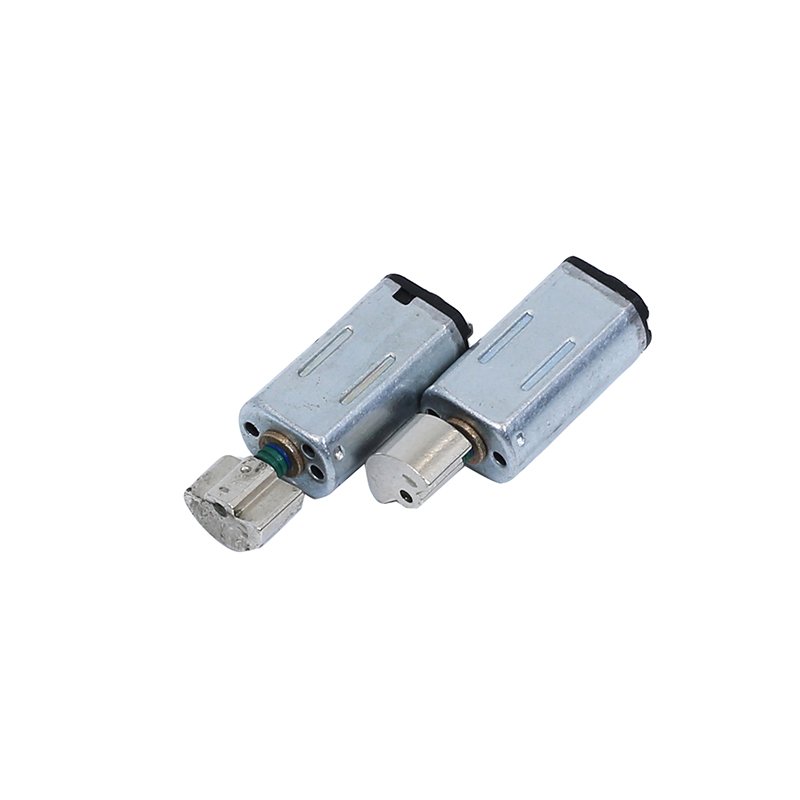
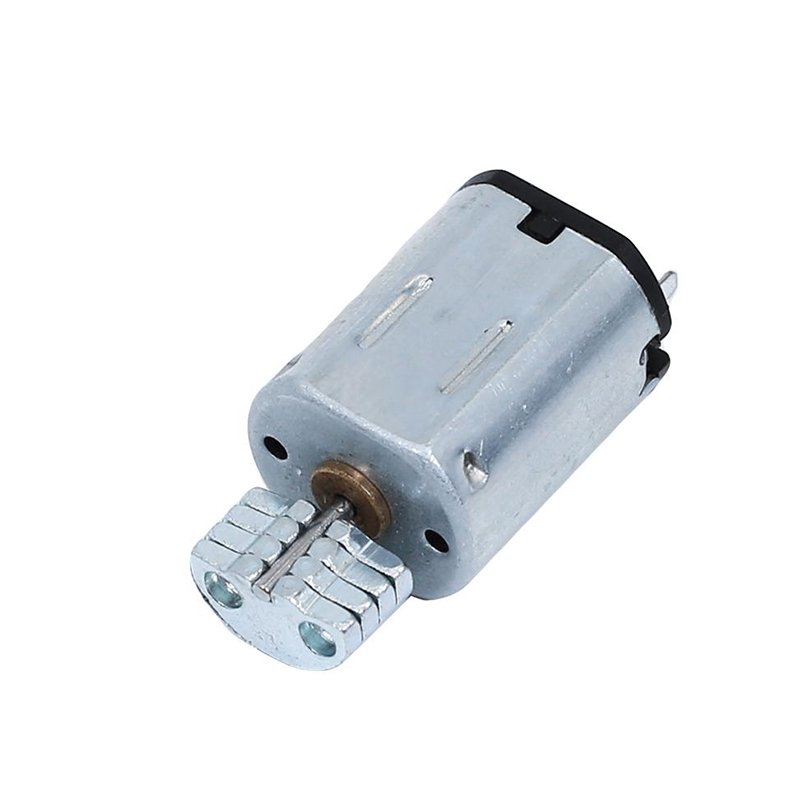
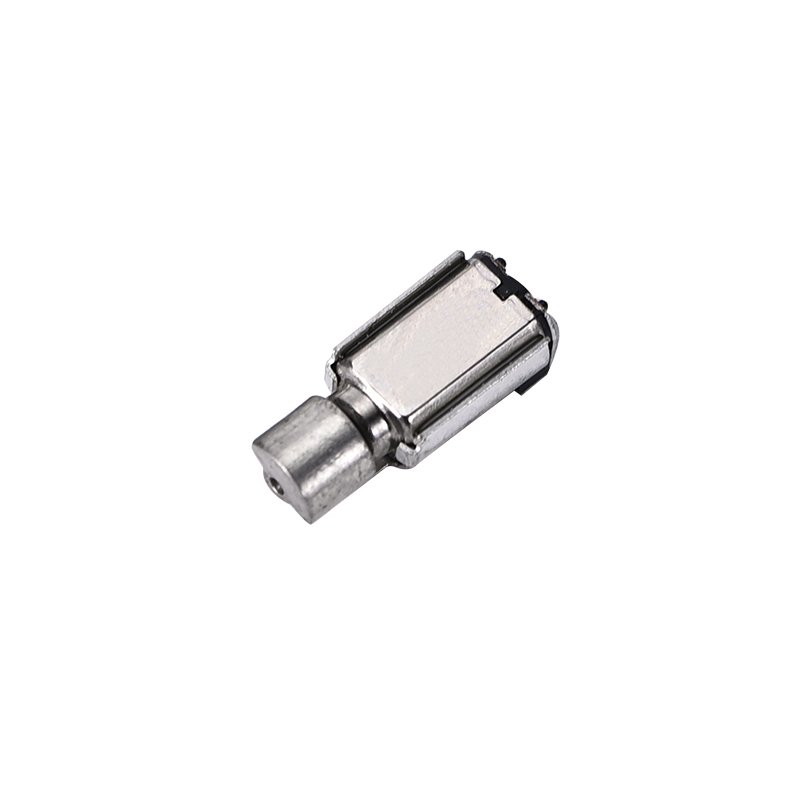
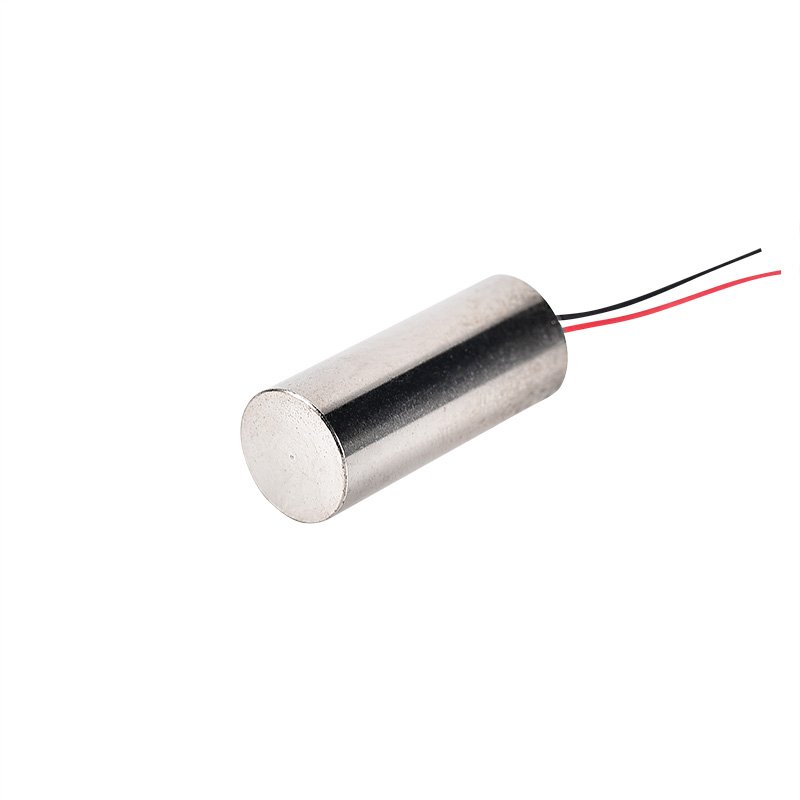
Micro vibration motors are designed for haptic feedback and alerts. The two most common types are ERM, eccentric rotating mass, and LRA, linear resonant actuator. Selection is mainly driven by vibration force, frequency, waveform, and integration constraints.
View series list for wearables, ERM, LRA and brushless coin vibration motor types.
View Series ListNote: External pages are provided as a reference library for series browsing. For project quotation and engineering support, please use the contact form below.
Share your target vibration force, voltage, size limit and mounting method for a suitable recommendation.
Get a Quote
A micro DC motor generally refers to a compact DC motor used in space‑limited devices. In our product range, “micro” typically covers 4mm to 42mm+ motor sizes. (Industry definitions may vary by application and standard.)
Choose brushed for simplicity and cost. Choose BLDC when lifespan, efficiency, and EMI are critical (driver required).
BLDC details: https://ineedmicromotors.com/brushless-dc-motors/
Common voltages include 3V–24V, depending on your system power source and load requirements.
Brushed motors can often be driven directly (with protection). BLDC motors require a driver/controller.
Most commonly via PWM. For reliable operation, define duty cycle, current limit, and thermal conditions.
To recommend the best micro DC motor quickly, please share: target speed (RPM), required torque/load, supply voltage, duty cycle (continuous/intermittent), size limits (diameter/length), noise/EMI requirements, operating environment (temperature/humidity), and expected lifetime. If you have drawings, you can also send 2D/3D CAD files for evaluation.
Motor projects can be complex in specification and integration. Our sales engineering team can help reduce design and supply risks from prototype to mass production.
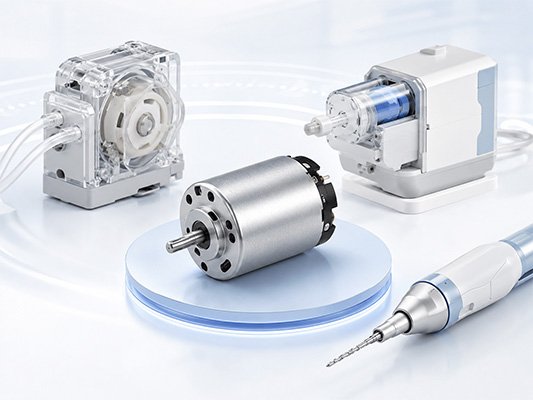
Download and view the full series catalog for free
You need our support, and we are ready to provide assistance.
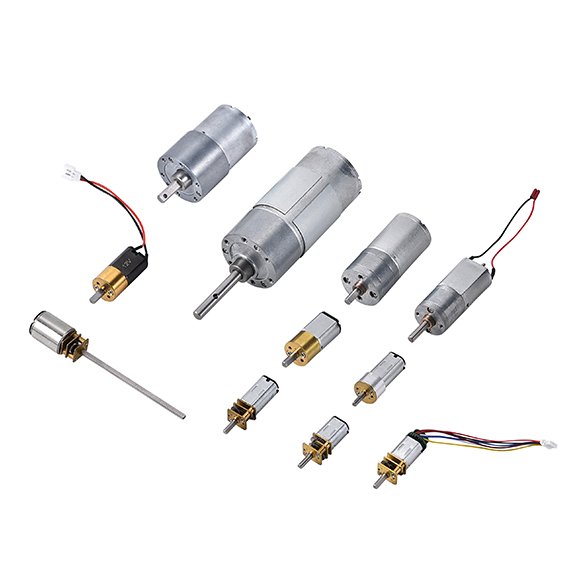
Motor products pose complexities in understanding, specifying, and integrating, with no industry standards. We offer expertise to mitigate design, manufacturing, and supply risks.
Contact our team now.