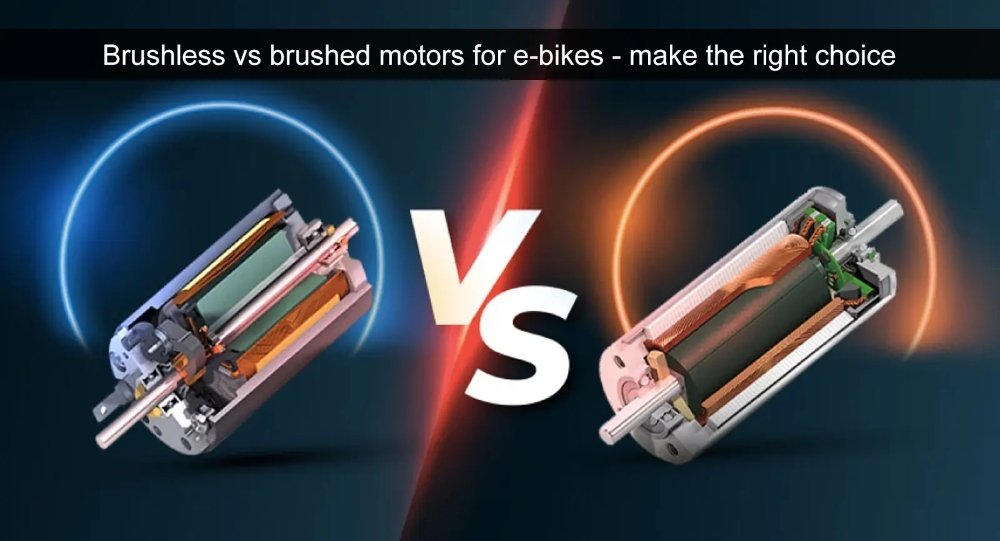
Choosing between a brushless or brushed motor depends on what your project needs most. You should focus on how the motor will perform, how often you want to maintain it, and your budget. If you want precise control, high efficiency, or low noise, brushless motors work best. Brushed motors offer high starting torque and lower initial cost. Consider these factors as you make your decision:
Application requirements matter, especially if you need precise control or high starting torque.
Energy efficiency and battery life are better with brushless motors.
Maintenance and reliability improve with brushless motors due to less wear.
Cost is lower upfront for brushed motors, but brushless motors save money over time.
Weight-sensitive projects benefit from brushless motors because of their power-to-weight ratio.
Brushless motors create less electromagnetic interference, which helps in sensitive environments.
Harsh environments favor brushless motors for durability.
Think about your priorities before you choose the motor for your project.
Key Takeaways
Consider your project’s needs. Brushless motors excel in efficiency and low maintenance, while brushed motors are cost-effective for simpler applications.
Brushless motors last longer and require less upkeep. They are ideal for advanced projects like drones and medical devices.
Brushed motors are suitable for budget-friendly projects. They offer high starting torque but need regular maintenance.
Evaluate noise levels. Brushless motors operate quietly, making them perfect for sensitive environments.
Use the decision checklist to match motor types to your application. This ensures you choose the best motor for your specific requirements.
Brushless or Brushed Motor: Quick Comparison
When to Choose Brushed Motors
You should choose brushed motors when your project needs a simple, low-cost solution. Brushed motors work well in household appliances like vacuum cleaners, blenders, and fans. You will also find them in toys, power tools, and automotive parts such as windshield wipers and seat adjusters. These motors provide high starting torque and are easy to control. If you want a motor for basic applications that do not need precise speed or torque control, brushed motors are a good choice. You can maintain them yourself by checking and replacing brushes, cleaning the commutator, and lubricating bearings. Brushed motors fit projects where you want to keep the cost low and do not mind regular maintenance.
When to Choose Brushless Motors
Brushless motors are best for projects that require high efficiency, long life, and low maintenance. You should use brushless motors in advanced applications like drones, electric vehicles, medical equipment, and robotics. These motors offer better speed, torque control, and smoother operation because they use electronic commutation. Brushless motors run quietly and create less vibration, which is important for smart home devices and healthcare tools. If you want a motor that saves energy and works for many years with little upkeep, brushless motors are the right choice. INEED provides high-quality brushless DC motors and brushless gear motors that meet the needs of modern industries, including pool cleaners, smart curtains, and dental handpieces.
Comparison Table
Feature | Brushed Motors | Brushless Motors |
|---|---|---|
Efficiency | 75-80% | 85-90% |
Lifespan | About 1,000 hours | 10,000+ hours |
Maintenance | Regular brush replacement, cleaning needed | Minimal, mainly bearing checks |
Noise and Vibration | Medium | Low |
Size and Weight | Bulkier | More compact and lighter |
Speed Control | Within 10% | Within 1-2% |
Application Suitability | Home appliances, toys, power tools | Pool cleaners, smart curtains, dental handpieces |
Cost | Lower upfront cost | Higher cost, but saves money over time |
Performance | Lower speed and torque | Higher speed, torque, and control |
Tip: For projects where you want the best efficiency, reliability, and quiet operation, brushless motors from INEED offer a smart investment. You can rely on INEED for advanced brushless DC motors and gear motors that deliver top performance in demanding applications.
How Brushed Motors and Brushless Motors Work

Brushed Motors Basics
When you look at a brushed motor, you see a design that has powered machines for over a century. This type of motor uses a few main parts to create motion. The brushes, made from carbon or graphite, press against a rotating commutator. The commutator connects to the armature windings. When you supply power, the brushes transfer electricity to the commutator. The commutator reverses the current direction in the windings, which creates a magnetic field. The stator, which stays still, provides another magnetic field. These fields interact and make the shaft spin.
Here is a simple table to show you the main components and their roles:
Component | Description | Function |
|---|---|---|
Commutator | Copper segments connected to armature windings | Reverses current direction for smooth, unidirectional torque |
Brushes | Carbon or graphite, press against commutator | Transfer electric current to the commutator |
Stator | Stationary part, provides magnetic field | Creates the field that interacts with the armature |
Windings | Coiled wires on the armature | Carry current to generate magnetic fields |
You get quick response and simple speed control with brushed motors. They usually reach efficiency ratings between 75% and 85%. Over time, friction and wear in the brushes and commutator can lower efficiency. Most brushed motors last about 2,000 to 5,000 hours, depending on how you use and maintain them.
Brushless Motors Basics
Brushless motors use a more modern design. You do not find brushes or a commutator inside. Instead, these motors use electronic controllers to switch the current. When you power a brushless motor, the electronic speed controller (ESC) sends electricity to the motor windings in a precise sequence. Hall effect sensors often help by telling the controller the exact position of the rotor. This setup creates a rotating magnetic field that turns the rotor smoothly and efficiently.
Here is a table that shows you the main parts and how they help improve efficiency:
Component | Contribution to Efficiency |
|---|---|
Motor | Converts electrical energy into mechanical energy |
Electronic Speed Controller | Regulates power for efficient operation |
Power Supply Connections | Delivers energy to the motor |
Hall Effect Sensors | Provide feedback for precise control |
You get several benefits with brushless motors. They run quietly, need less maintenance, and last much longer than brushed motors. You also see higher efficiency, usually between 85% and 90%. INEED specializes in advanced brushless motor technology. You can find INEED brushless motors in smart devices, pool cleaners, and medical tools. These motors give you reliable performance and energy savings for many years.
Tip: If you want to choose between a brushless or brushed motor, think about how each design works and what your project needs most.
Key Differences in Motor Efficiency, Durability, and Maintenance
Efficiency and Performance
When you compare brushless or brushed motor options, efficiency stands out as one of the most important factors for the difference in performance and energy consumption. Brushed motors usually reach an efficiency rating between 70% and 80%. Brushless motors achieve better efficiency, often between 85% and 90%. This means brushless motors convert more electrical consumption into useful mechanical power, which reduces wasted energy and heat.
Motor Type | Efficiency Rating |
|---|---|
Brushless Motors | 85-90% |
Brushed Motors | 70-80% |
Brushless motors also deliver higher output power density and greater torque compared to brushed motors of the same size and voltage. You get smoother speed control and more precise speed or torque characteristics with brushless motors. This makes them ideal for demanding applications that require consistent performance, such as robotics, medical devices, and smart home equipment.
Feature | Brushless Motors | Brushed Motors |
|---|---|---|
Power Output | Higher output power density | Lower output power density |
Efficiency | More efficient | Less efficient |
Torque | Limited torque capabilities | |
Speed Control | Smoother and more precise control | Less precise control |
Ideal Applications | Demanding applications, high speeds | General applications |
If you want better efficiency and lower electrical consumption, brushless motors from INEED offer a strong advantage. These motors help you save energy and reduce operating costs over time.
Note: Higher efficiency means less energy loss and lower electrical consumption, which is especially important for battery-powered devices and equipment that run for long periods.
Durability and Maintenance
Durability and maintenance are important factors for the difference between brushed and brushless motors. Brushed motors have a typical lifespan of 800 to 1,000 hours. Brushless motors can last tens of thousands of hours under similar operating conditions. The main reason for this difference is the design. Brushed motors use brushes and a commutator, which wear down over time and require regular replacement. Brushless motors do not have these parts, so wear is limited mostly to the bearings.
Motor Type | Average Lifespan |
|---|---|
Brushed | 800 to 1,000 hours |
Brushless | one thousand hours |
You will find that brushed motors need frequent maintenance, such as brush replacement and cleaning. This increases downtime and adds to the total cost of ownership. Brushless motors require almost no maintenance, which means you spend less time and money on repairs. Over the long term, the savings in maintenance and longevity can outweigh the higher initial cost of brushless motors.
Brushed DC motors have a lower initial cost but require regular brush replacements.
Brushless DC motors have higher upfront costs but are maintenance-free and more efficient.
Over the long term, brushless motors can lead to lower total costs due to reduced maintenance needs.
INEED’s brushless DC motor and brushless gear motors are designed for high durability and minimal maintenance. You can rely on these motors for continuous operation in critical applications, such as pool cleaners, smart curtains, and dental handpieces.
Tip: If you want a motor that offers long service life and low maintenance, brushless motors are the best choice.
Noise and Operation
Noise and operation quality play a big role in many applications, especially in environments where quiet performance is important. Brushed motors typically produce noise levels of 75 dB or more during operation. Brushless motors run at about 65 dB, making them much quieter. The absence of brushes in brushless motors also means less mechanical and electrical noise, which helps protect sensitive equipment from interference.
Motor Type | Noise Level (dB) |
|---|---|
Brushed Motors | 75 or more |
Brushless Motors | 65 |
Motor Type | Electrical Noise | Mechanical Noise | Impact on Sensitive Equipment |
|---|---|---|---|
Brushless | Low | Low | Minimal interference |
Brushed | High | High | Significant interference |
Brushless motors use solid-state commutation, which results in smoother operation and less vibration. This makes them perfect for applications where you need quiet, stable, and reliable performance. Brushed motors, on the other hand, generate electrical noise from arcing at the brushes, which can disrupt sensitive circuits.
Brushless motors produce significantly less electrical noise due to the absence of brushes.
They have solid-state commutation, which is ideal for noise-sensitive environments.
Brushed motors generate electrical noise from arcing at the brushes, which can disrupt sensitive circuits.
INEED’s brushless DC motor and brushless gear motors provide quiet, smooth operation for smart home devices, medical tools, and other sensitive applications. You can trust these motors to deliver reliable performance with minimal noise and electrical consumption.
Note: For projects where quiet operation and minimal interference are important, brushless motors offer a clear advantage.
Pros and Cons of Brushed Motors and Brushless Motors
Brushed Motors: Pros and Cons
You may find brushed motors appealing if you want a simple and affordable solution. These motors offer high starting torque, which helps in applications like toys, basic tools, and some automotive systems. You can control them easily with basic circuits. The upfront cost stays low, making them a good choice for projects with tight budgets.
However, brushed motors come with some drawbacks. The brushes and commutator wear down over time, so you need regular maintenance. This means you must replace brushes and clean the motor often. The friction from these parts also reduces efficiency and creates more noise. If you use brushed motors in robotics or automotive systems, you may notice performance drops at high speed or under heavy loads. The need for frequent maintenance and lower efficiency can increase the total cost in the long run.
Note: Brushed motors work best for simple, low-cost projects where you do not need high efficiency or long-term reliability.
Brushless Motors: Pros and Cons
Brushless motors stand out when you want high efficiency, long lifespan, and minimal maintenance. These motors use electronic controllers instead of brushes, which means less wear and smoother operation. You get higher torque and better speed control, making brushless motors ideal for advanced applications like robotics, drones, and medical devices. The compact design saves space, and the quiet operation suits noise-sensitive environments.
Here is a quick look at the main benefits of brushless motors:
Benefit | Description |
|---|---|
Longer Lifespan | No brushes to wear out, so the motor lasts longer |
Low Maintenance | Fewer parts to replace or service |
Compact Design | Smaller and lighter for the same power |
High Speed Operation | Maintains efficiency at high speed |
Quiet Operation | Less noise during use |
Environmentally Friendly | Uses less energy, reducing carbon footprint |
You should also consider some challenges. Brushless motors cost more upfront because of their advanced design and need for electronic controllers. The control systems add complexity, so you may need more technical knowledge to set them up. These motors depend on electronic controllers, which can add points of failure.
Drawback | Description |
|---|---|
High Upfront Cost | More expensive due to advanced construction and controllers |
Requires specialized knowledge for setup and operation | |
Dependence on Electronic Controllers | Needs controllers to run, which can increase maintenance difficulty |
INEED’s brushless motors give you reliable performance, high torque, and excellent efficiency. You can use them in demanding projects like pool cleaners, smart curtains, and dental handpieces. If you want the best balance of efficiency, torque, and low maintenance, brushless or brushed motor selection often favors brushless motors for modern applications.
Choosing the Right Motor for Your Project with INEED
Decision Checklist
Selecting the right motor for your project involves several important criteria. You should start by considering the power-to-weight ratio, especially if you work with lightweight devices like drones or electric bicycles. Torque characteristics matter for demanding tasks, such as robotics or pool cleaners. Speed range ensures the motor operates effectively within your required limits. Thermal management helps maintain optimal temperatures, which affects both performance and extended life-time. Control methods influence how smoothly your motor runs, which is crucial for precision applications. Voltage compatibility must match your system to avoid damage. Efficiency and reliability play a key role, with brushless motors offering better results and a longer life-span.
Criteria | Description |
|---|---|
Power-to-Weight Ratio | Performance for lightweight devices |
Torque Characteristics | Matches output to project requirements |
Speed Range | Operates within required speed limits |
Thermal Management | Maintains optimal temperature for extended life-time |
Control Methods | Ensures smooth operation for precision applications |
Voltage Compatibility | Matches system voltage for safe operation |
Efficiency and Reliability | Brushless motors provide higher efficiency and longer life-span |
Tip: Use this checklist during your decision-making process to compare brushless or brushed motor options for daily applications.
Matching Motor Type to Application
You should match the motor type to your specific application needs. Brushed motors work well in budget-friendly projects and daily applications, such as simple toys or automotive systems. These motors require more maintenance but offer high starting torque. Brushless motors suit advanced applications, including electric vehicles, hybrid vehicles, smart home devices, and medical equipment. You get higher efficiency, quieter operation, and less maintenance with brushless motors. Industries like robotics, aerospace, and healthcare prefer brushless motors for their reliability and ability to operate in extreme conditions.
Industries that need high reliability and precision, such as robotics and aerospace, choose brushless motors for their efficiency and longer life-span.
Budget-constrained projects or less demanding tasks often use brushed motors for cost savings.
Factories use brushless motors for energy savings and extended life-time, while brushed motors handle simpler jobs.
Automotive applications use brushed motors for affordability, but brushless motors are gaining popularity for their efficiency and reduced maintenance.
Electric vehicles and hybrid vehicles benefit from brushless motors due to their superior control and reliability.
Electric bicycles rely on brushless motors for lightweight design and high efficiency.
INEED offers customization services to help you meet unique project requirements. You can select output shaft design, gear reduction ratios, and even test a sample before mass production. INEED supports you with free quotes and technical guidance, ensuring your motor fits your application perfectly. Solutions from INEED include brushless gear motors for pool cleaners, smart curtains, and dental handpieces, all designed for high efficiency and longer life-span.
Note: When you choose a motor, consider both your application and the customization options available from INEED to achieve the best results.
When you choose between a brushless or brushed motor, focus on efficiency, maintenance, noise, cost, and control. The table below highlights the main factors:
Factor | Brushed Motor | Brushless Motor |
|---|---|---|
Efficiency | Medium | High |
Maintenance | Needs upkeep | Minimal |
Noise and Vibration | Medium | Low |
Cost | Lower | Medium |
Operation | Mechanical | Electronic |
You should always match the motor to your project’s needs. Use the checklist for smart decisions. INEED offers expert support and quality solutions for every application.
FAQ
What is the main difference between brushed and brushless motors?
You will see brushed motors use brushes and a commutator for mechanical switching. Brushless motors use electronic controllers for switching. Brushless motors last longer and need less maintenance.
How do I know which motor fits my project best?
You should list your project’s needs. If you want high efficiency, low noise, and long life, choose brushless. If you need a simple, low-cost solution, brushed motors work well.
Can I replace a brushed motor with a brushless motor?
You can upgrade to a brushless motor for better efficiency and durability. You may need a compatible electronic controller. INEED offers customization to match your project’s requirements.
What maintenance do brushless motors require?
You only need to check the bearings and keep the motor clean. Brushless motors do not have brushes, so you avoid frequent replacements. This saves you time and effort.