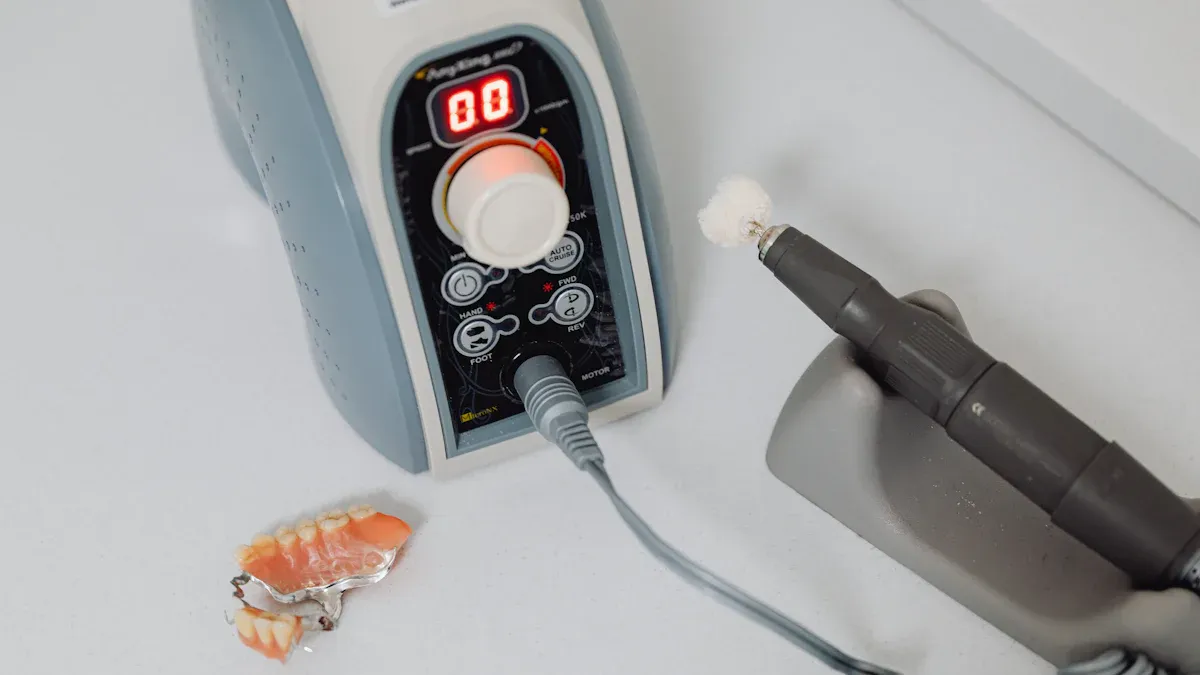
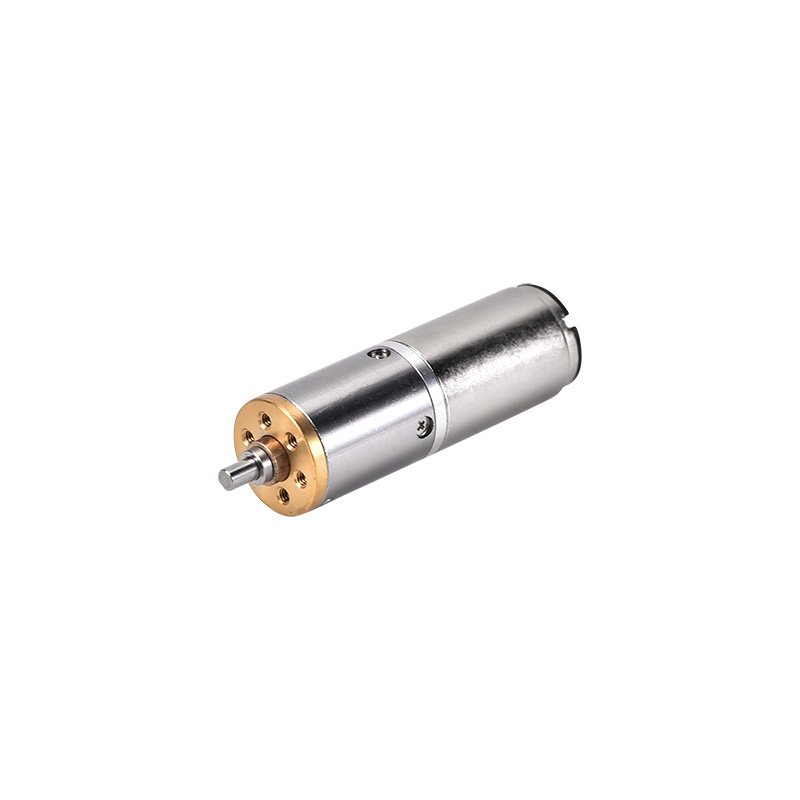
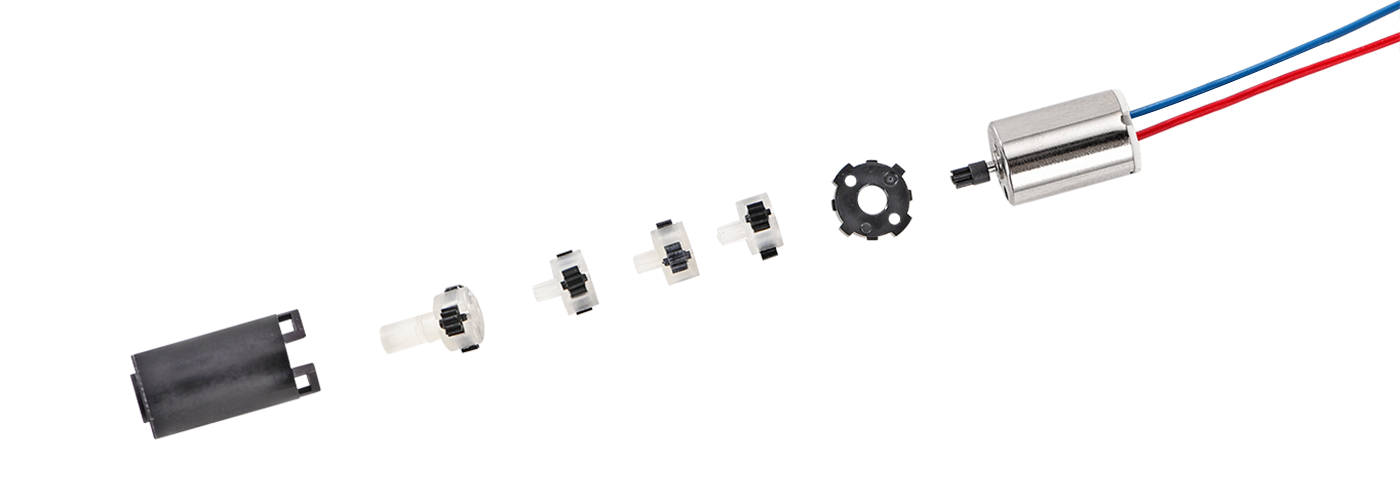
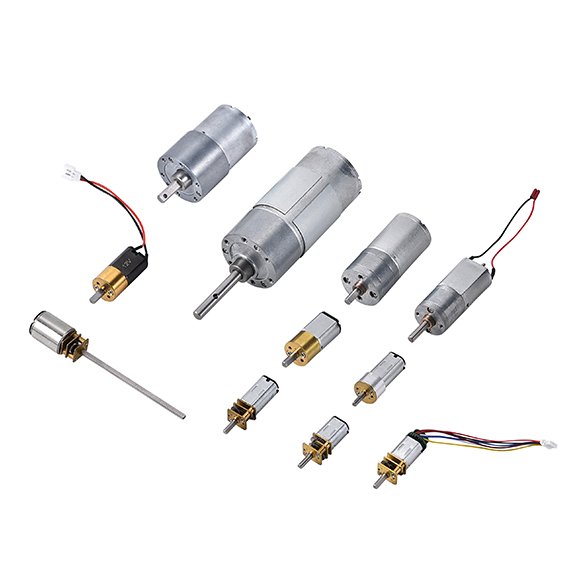
When you choose a micro DC motor for medical devices, you need to focus on several key specs. These include:
Torque output
Speed and RPM
Size and form factor
Voltage and power requirements
Noise and vibration
Reliability and lifespan
Precision and control
You must match these key specs to your medical application. Reliability, compliance, and customization play a big role in how well the micro DC motor performs in devices that support patient health.
Key Takeaways
Focus on key specs like torque, speed, size, and voltage when selecting micro DC motors for medical devices.
Ensure compliance with safety standards to protect patients and enhance device reliability.
Choose motors with low noise and vibration to improve patient comfort and diagnostic accuracy.
Prioritize customization options to match the specific needs of your medical applications.
Select motors with proven durability and heat management features for long-lasting performance.
Key Specs for Medical Micro DC Motors
Voltage, Current, and Power
When you select a micro dc motor for medical applications, you must pay close attention to voltage, current, and power. These electrical specs determine how well your motor performs in medical devices. You need to match the voltage requirements to your device’s power source. For example, prosthetics often use battery power, while surgical tools may rely on a 24V supply. The voltage range for micro dc motors typically spans from 1.5V to 24V, with common choices like 3V, 6V, 9V, and 12V. This range affects speed and torque, which are critical for medical applications.
Current is another vital factor. Micro dc motors show no-load current from 10mA to 200mA, but stall current can reach several amperes. You must understand current consumption to size your power supply and manage heat. The relationship between voltage and current impacts power, which in turn affects energy efficiency and battery life. In portable medical devices, high efficiency ensures longer operation and less frequent charging.
Tip: Always check the current consumption and voltage requirements for your micro dc motor. This step helps you avoid overheating and ensures reliable operation in medical devices.
Voltage: 1.5V–24V (common: 3V, 6V, 9V, 12V)
Current: 10mA–200mA (no-load), up to several amperes (stall)
Power: Calculated from voltage and current, impacts efficiency and battery life
Micro dc motors must also comply with low noise standards and have self-protection features to prevent overload. Fast start-up and braking are necessary for patient treatment. Proper heat dissipation extends motor life and improves reliability in medical applications.
Speed and Torque
Speed and torque are two of the most important performance specs for micro dc motors in medical devices. You need to choose a motor with the right speed and torque for your application. For surgical and diagnostic devices, micro dc motors often operate in a speed range of 5 to 200 RPM. Torque output can vary from 5 to 500 mNm, depending on the configuration.
Speed and torque affect how your device functions. High torque ensures precise force delivery, which is essential for medical applications like infusion pumps or surgical tools. Stable torque means your device can perform delicate tasks without sudden changes or interruptions. You must consider both speed and torque when making your dc motor selection.
Key Aspect | Impact on Performance |
|---|---|
Torque Stability | Ensures precise force delivery |
Accurate DC Torque | Critical for patient safety |
Ultra-smooth Motion | Essential for medical device operation |
Silent Operation | Important for patient comfort and device functionality |
Minor Torque Ripple | Can compromise outcomes in precision applications |
Micro dc motors with high efficiency and stable torque help you achieve better results in medical applications. Silent operation is also important, especially in environments where patient comfort matters. Minor torque ripple can affect outcomes in precision tasks, so you should look for motors with ultra-smooth motion.
Note: Always match the speed and torque specs of your micro dc motor to the specific needs of your medical device. This step ensures optimal performance and safety.
Precision and Control
Precision and control set micro dc motors apart in medical applications. You need motors that respond quickly and accurately to control commands. In robotic-assisted medical devices, high precision is crucial. Micro dc motors must minimize cogging to deliver smooth torque. Brushless dc motors excel here because electronic commutation avoids mechanical issues found in brushed motors. Slotless designs further reduce cogging, improving operation and precision.
Advanced control features in micro dc motors provide precise motion control. Real-time monitoring lets you adjust performance instantly, which enhances safety. You can customize motor performance to meet the unique demands of your medical applications. Techniques like PID controllers improve response speed and accuracy, which is essential for high-precision medical devices.
Advanced control features enable precise motion control for accuracy in medical applications.
Real-time monitoring improves safety by allowing immediate adjustments.
Customizable performance ensures your micro dc motor fits your device’s needs.
PID controllers boost response speed and accuracy for high efficiency.
Micro dc motors with high efficiency and advanced control features help you achieve the precision needed for medical devices. You can rely on these motors for smooth, accurate, and safe operation in a wide range of medical applications.
Physical Specs and Form Factor

Size and Integration
You need to consider small size when choosing a micro DC motor for medical devices. Miniaturization is essential in modern healthcare. Many minimally invasive devices require motors smaller than 5 mm in diameter. Pediatric and neonatal tools often need even smaller instruments, sometimes under 4 mm. Some applications, such as cardiac catheters or airway scopes, use motors as small as 0.6 mm in diameter. This small size allows you to design flexible, precise devices that fit into tight anatomical spaces.
INEED offers micro DC motors in a wide range of sizes, including custom solutions for unique medical needs. You can select motors that match your device’s form factor, ensuring seamless integration. The right motor helps you build lighter, more portable equipment without sacrificing performance.
Miniaturization supports less invasive procedures.
Small size improves device flexibility and usability.
Custom sizing from INEED enables perfect fit for your application.
Feature | Benefit |
|---|---|
Compact Design | Enables smaller, lighter medical devices |
Energy Efficiency | Reduces operating costs and extends battery life |
Maintenance-Free Operation | Ideal for devices with limited accessibility |
Noise and Vibration
Low noise and minimal vibration are critical for patient comfort and diagnostic accuracy. In hospitals, even a small sound can disturb recovery or interfere with sensitive procedures. Silence helps patients relax and allows healthcare professionals to focus. High vibration levels can distract or cause discomfort.
Feature | General Industrial Motors | Medical-Grade Gear Motors |
|---|---|---|
Noise Level | High | Ultra-Low |
Vibration | Moderate | Minimal |
Silence aids patient recovery and reduces stress.
Low noise creates a focused environment for healthcare staff.
Minimal vibration ensures precision and comfort.
INEED customizes micro DC motors to meet strict noise and vibration standards, supporting quiet operation in medical settings.
Heat Dissipation
Effective heat management keeps your medical device safe and reliable. Brushless micro DC motors offer better efficiency, which helps with heat dissipation. The design of these motors allows heat to move quickly from the motor to the surrounding air. Inner rotor motors are especially good at this because their stator and windings sit outside the rotor, improving thermal performance.
Poor heat management can lead to overheating, which affects device reliability and patient safety. Advanced electronics in medical devices increase heat loads, so you must choose motors with strong thermal design.
Brushless motors improve heat dissipation.
Inner rotor designs enhance thermal efficiency.
Good heat management protects device stability and patient safety.
INEED provides micro DC motors with optimized heat dissipation, ensuring your device stays cool and dependable during operation.
Reliability & Compliance in Medical Micro Motors
Lifespan and Maintenance
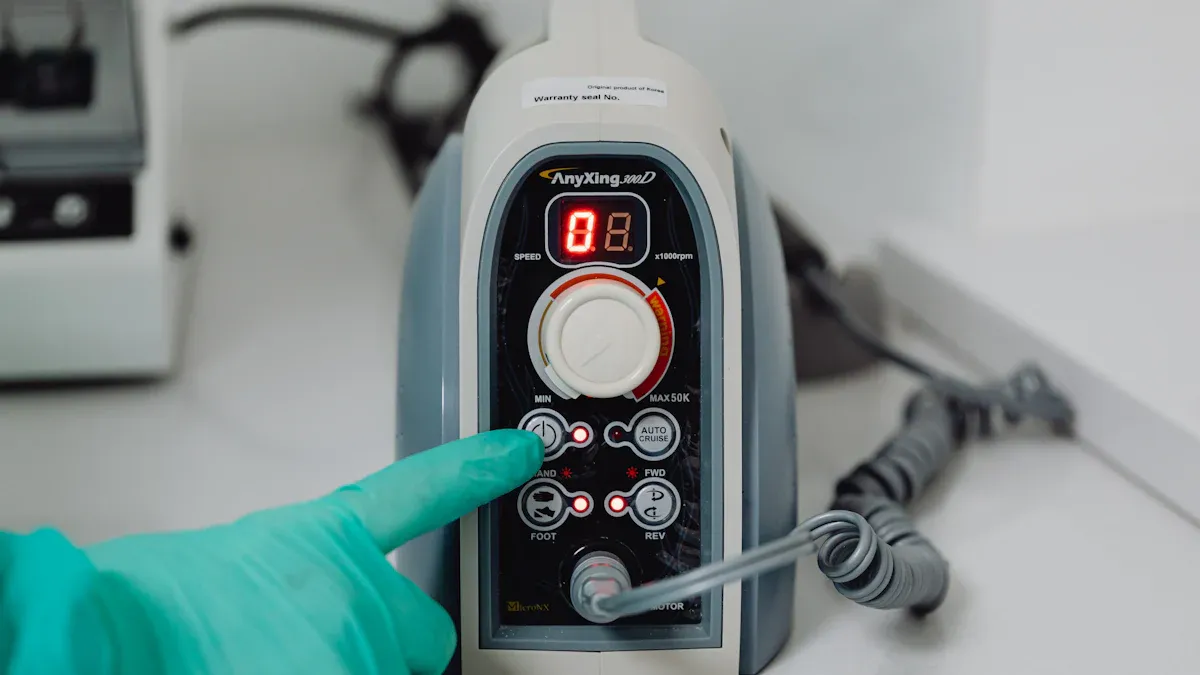
You need long-lasting performance from every medical machine. Micro dc motors in critical medical devices, such as infusion pumps and ventilators, often reach operational lifespans between 10,000 and 30,000 hours. This extended lifespan supports stability and reliability in surgical environments. When you select a motor for a medical machine, you should look for maintenance-free designs. Brushless dc motors reduce wear and extend service intervals, which helps you avoid unexpected downtime during surgical procedures. Consistent operation ensures that medical technology delivers accurate results when you need them most.
Tip: Choose motors with proven durability to maintain stability and reliability in surgical medical machines.
Safety Standards and Certifications
Safety is essential in every medical machine. International standards guide the design and testing of micro dc motors for medical devices. You must ensure compliance with IEC 60601-1, IEC 61010-1, IEC 61010-2-101, and IEC 61326-1. These certifications require rigorous testing for leakage current, insulation, mechanical durability, and electromagnetic compatibility. Medical-grade devices must meet IEC 60601-1, ES60601-1, and UL60601-1 standards. These rules protect patients and healthcare workers during surgical procedures. INEED follows strict quality control and meets ISO, REACH, and RoHS standards, which guarantee safety and environmental responsibility.
Compliance Standard | Impact on Micro DC Motors for Medical Applications |
|---|---|
RoHS | Limits harmful materials in motor components, ensuring safety in medical devices. |
REACH | Ensures chemicals used are safe and environmentally responsible, crucial for medical applications. |
Ensures safety and effectiveness in medical electrical equipment. | |
ISO 13485 | Focuses on quality management systems in medical devices, impacting motor reliability. |
Sterilization and Biocompatibility
Sterilization is vital for reusable surgical medical machines. You must select micro dc motors that withstand heat sterilization, such as autoclaving, which follows CDC guidelines. Vaporized hydrogen peroxide offers another option, providing rapid cycles and compatibility with many materials. These methods help you maintain safety and hygiene in surgical environments. Biocompatibility ensures that every motor in a medical machine interacts safely with patients. INEED customizes motors to meet these requirements, supporting advanced medical technology and surgical innovation.
Note: Reliable sterilization and biocompatibility protect both patients and medical staff during surgical procedures.
Customization and Application Fit with INEED Micro DC Motors
Load Matching and Duty Cycle
You need to match the load and duty cycle of your dc motor to your medical devices. This step is especially important for prosthetics, where the motor must deliver consistent torque and speed. If you underestimate torque requirements, your prosthetics may not perform as expected. You should also consider gear ratios, which help balance speed and torque for optimal efficiency. The relationship between torque and speed matters; as torque increases, speed usually drops if voltage stays the same. Efficiency is vital for battery-powered prosthetics, affecting how long your devices operate before needing a recharge. Intermittent operation can extend motor life and allow you to use smaller dc motors without losing performance.
Torque and speed must match the needs of your prosthetics.
Physical size impacts integration in compact medical devices.
Efficiency supports longer battery life in prosthetics.
Duty cycle affects motor longevity and reliability.
Improper load matching can lead to motor failure or reduced performance in medical applications. You should always select the right dc motor for your prosthetics to ensure safety and durability.
Environmental Adaptability
Medical devices often face challenging environments. You must choose dc motors that handle temperature changes, humidity, and exposure to cleaning agents. For prosthetics, environmental adaptability is crucial because users may wear them in various conditions. INEED customizes dc motors to withstand these factors, ensuring reliable operation in all medical settings. Waterproofing, noise reduction, and EMI shielding are available to meet strict medical standards.
Tip: Select dc motors with proven environmental adaptability for your prosthetics and other medical devices.
Integration Support and Services
INEED provides strong integration support for medical devices. You can choose from voltage variants, shaft configurations, and gearbox reduction ratios to fit your prosthetics. The company offers options like D-shape or threaded shafts, custom gear ratios, and branding solutions. Dedicated account engineers help you solve issues quickly and keep your medical devices running smoothly.
Customization Option | Description |
|---|---|
Voltage Variants | Standard options from 3V to 24V |
Shaft Configurations | D-shape, threaded, extended |
Gearbox Reduction Ratios | Custom ratios and backlash tolerance |
Waterproofing, Noise Reduction, EMI | Essential for medical applications |
Branding | Laser engraving, labels, packaging |
You benefit from technical competence, operational reliability, and agile service. INEED supports you from design to delivery, making sure your prosthetics and other medical devices meet every requirement.
You improve patient safety and device performance when you align micro DC motor specs with your medical device requirements.
Medical device testing prevents patient harm and ensures devices work as intended.
Performance failures and material incompatibility can cause serious risks.
Over 1.5 million injuries have been linked to device issues.
Working with a trusted partner like INEED gives you access to compact, precise, and energy-efficient motors. These partnerships help you meet strict standards and drive innovation in healthcare.
The best results come from choosing motors that survive sterilization and fit your device, avoiding common pitfalls like premature failure or user error.
Always match technical specs to your application needs for reliable, safe medical devices.
FAQ
What is the smallest micro DC motor size available for medical devices?
You can find micro DC motors as small as 4mm in diameter. INEED offers custom solutions for even smaller sizes to fit specialized medical instruments.
How do you control the speed of a micro DC motor?
You adjust the speed by changing the voltage or using a motor controller. Many medical devices use electronic controllers for precise speed management.
Can micro DC motors withstand sterilization processes?
You can choose motors designed for high-temperature sterilization. INEED customizes motors with protective coatings and materials to handle repeated autoclaving and chemical exposure.
What certifications should you look for in medical micro DC motors?
You should check for ISO 9001, RoHS, and REACH compliance. These certifications ensure safety, reliability, and environmental responsibility in medical applications.
How does noise level affect medical device performance?
Low noise helps patients relax and allows doctors to focus. INEED designs motors for ultra-quiet operation, supporting comfort and accuracy in medical environments.