If you want your drone to capture smooth, stable footage, you need to focus on the right balance of torque, weight, and efficiency in your micro DC motor. The latest brushless motors deliver high-precision stability and low noise, so your camera gimbals perform at their best. You get rapid response to movement and strong compatibility with different drone systems. When you look for Micro DC motor suppliers for drone gimbal projects, you want motors that keep your shots steady and your flights reliable.
Key Takeaways
Choose brushless motors for better efficiency and longer lifespan. They provide smooth footage and require less maintenance.
Focus on key specifications like torque, speed, and efficiency. These factors determine how well your gimbal stabilizes your camera.
Consider the weight and size of the motor. A lightweight motor helps improve flight time and stability.
Select a reliable supplier with quality certifications. This ensures you get durable motors that perform well over time.
Test your motor and gimbal setup before flying. This helps catch any issues early and ensures safe operation.
Motor Types for Drone Gimbals
Brushless vs. Brushed Micro DC Motor
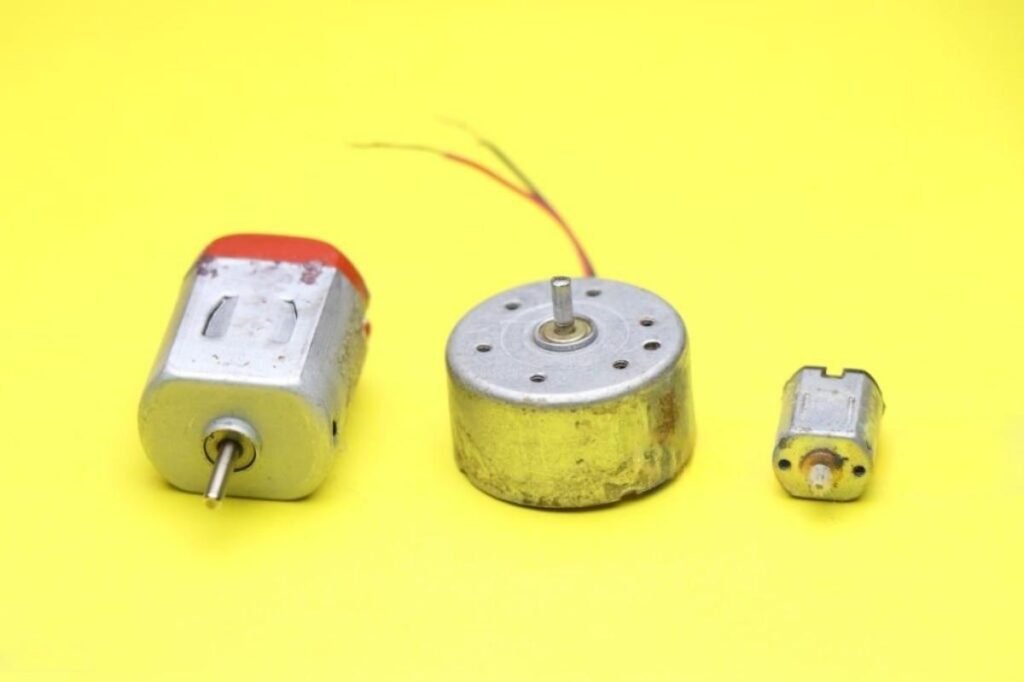
When you start looking for the best motors for drones, you will see three main types: brushed, brushless, and coreless. Each type has its own strengths and weaknesses. Let’s break them down so you can make a smart choice for your drone gimbal.
Brushed motors use brushes to transfer power. You get a simple design and lower cost. These motors work well for entry-level drones or toys. The downside is higher maintenance and a shorter lifespan.
Brushless motors skip the brushes. You get higher efficiency, less heat, and longer life. These motors are perfect for professional drone gimbals. They convert more electrical energy into mechanical energy, which means longer flight times and better payload capacity.
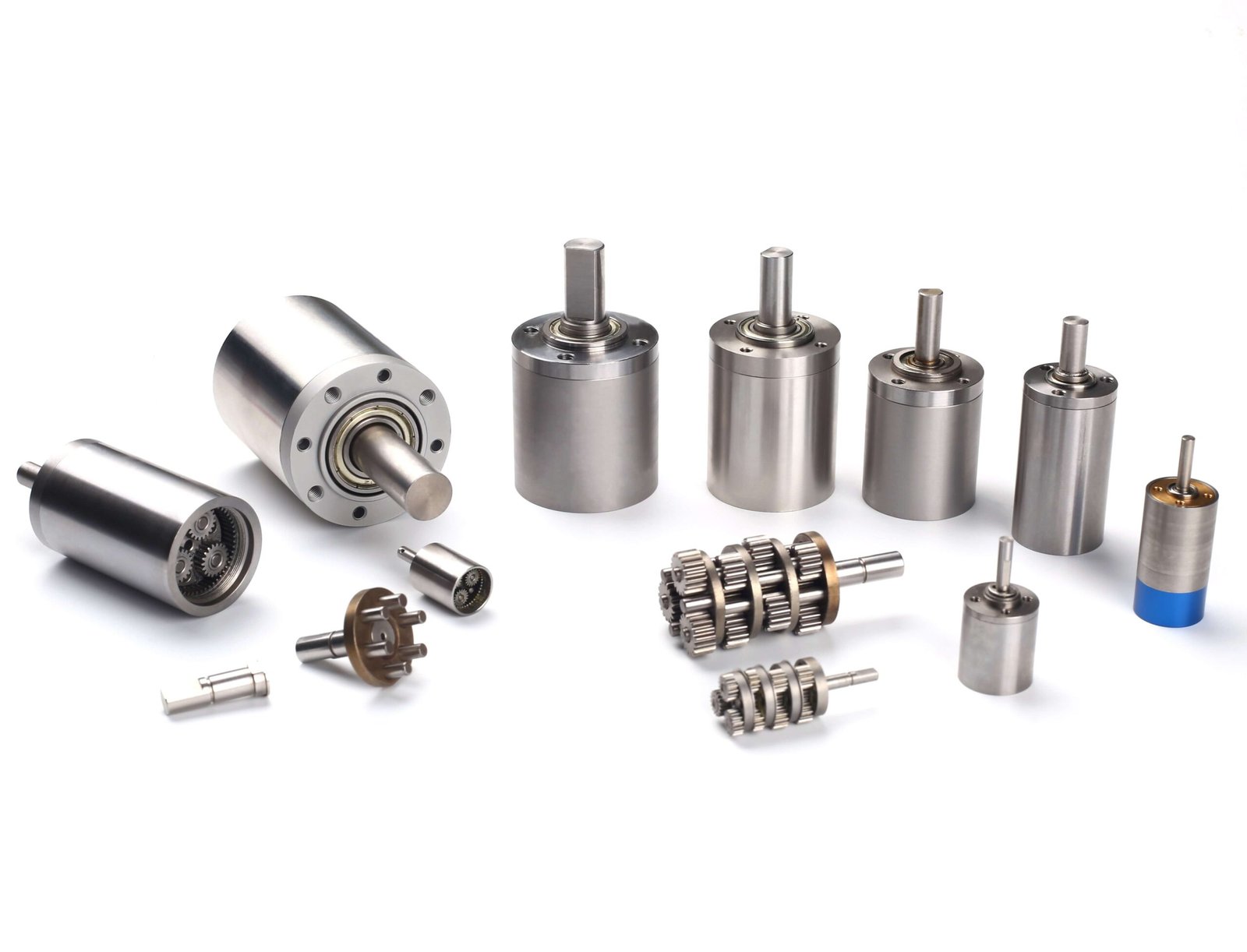
Coreless motors use a special coil design. You get low noise and high efficiency. These motors fit in tiny spaces and work well for lightweight gimbals.
Here’s a quick comparison to help you see the differences:
Motor Type | Efficiency | Maintenance | Lifespan | Application Suitability |
|---|---|---|---|---|
Brushed | Lower | Higher | Shorter | Entry-level, toy-grade |
Brushless | Higher | Lower | Longer | Professional, industrial |
Coreless | High | Low | Medium | Lightweight, compact |
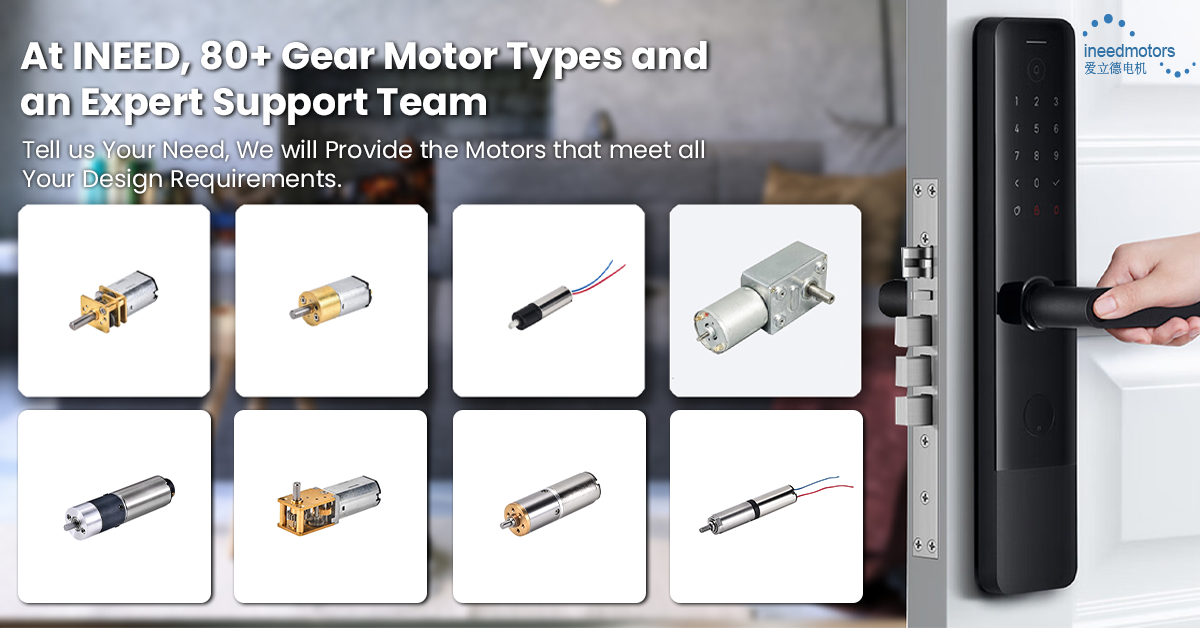
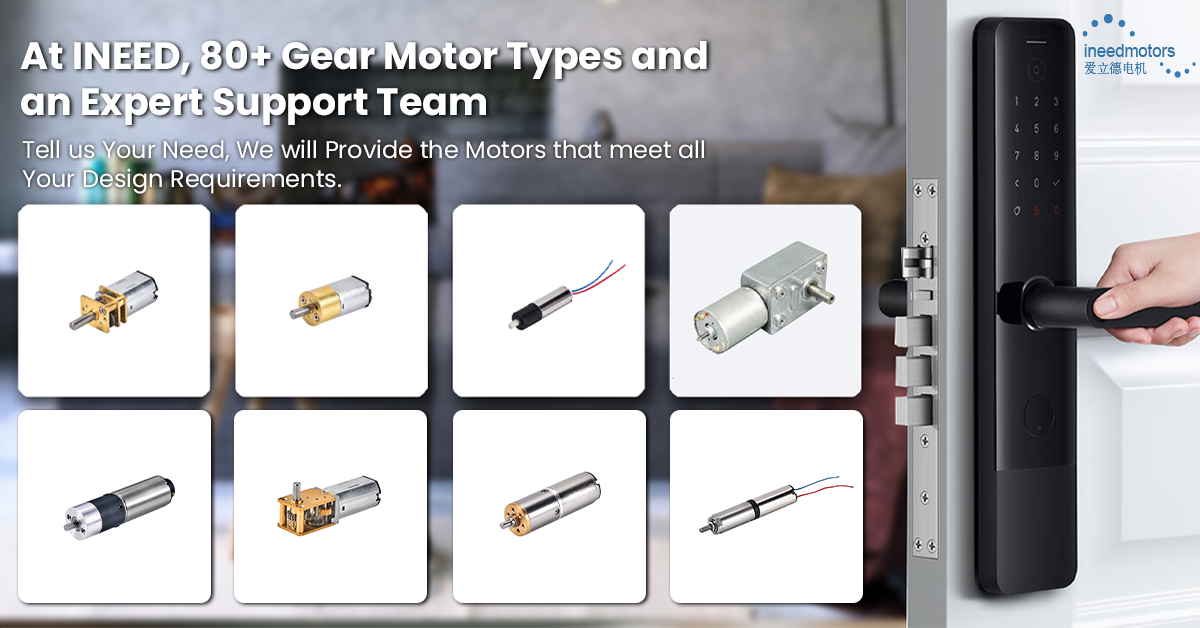
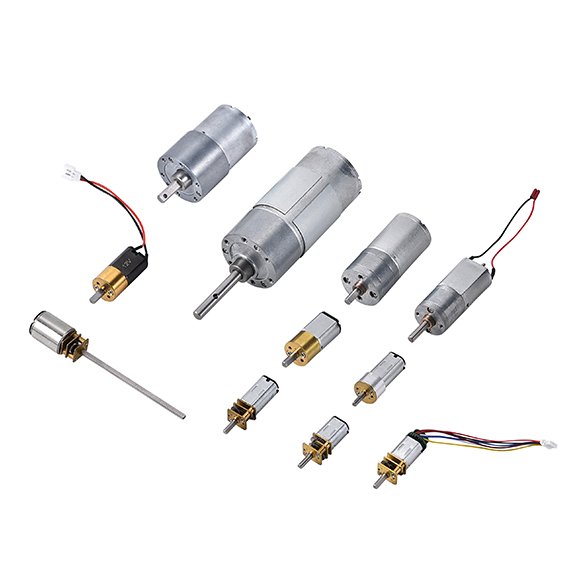
INEED offers a wide range of micro dc motor options, including n20 motor and n10 motor models. You can find brushless outrunner motors and inrunner brushless motors for advanced drone gimbals. If you need a compact solution, the n10 motor and n20 motor fit perfectly in small gimbal designs.
Why Brushless Is the Best Motor for Drones
You want your drone gimbal to deliver smooth footage and stable performance. Brushless motors stand out as the best motors for drones because they offer higher efficiency and reliability. Most brushless dc motors reach efficiency ratings above 85%. You get less maintenance, longer lifespan, and better flight performance.
Brushless motors generate less heat, so your drone flies longer.
You can carry heavier cameras with increased payload capacity.
These motors work quietly, which helps you capture clear audio and video.
INEED’s micro dc motor lineup includes n20 motor and n10 motor models designed for drone gimbals. You can choose brushless outrunner motors for high torque or inrunner brushless motors for speed. The n10 motor and n20 motor give you flexibility for custom builds. INEED’s experience in micro dc motor manufacturing means you get reliable motors for every drone gimbal project.
Tip: If you want a lightweight gimbal, try the n10 motor. For more power, the n20 motor is a solid choice.
Key Specifications for Micro DC Motors
When you pick a micro DC motor for your drone gimbal, you want to focus on the specs that matter most. These specs decide how well your gimbal handles movement, how steady your footage looks, and how long your drone stays in the air. Let’s break down the key motor performance parameters you should check before you buy.
Power, Torque, and Efficiency
You need enough torque to keep your camera steady, even when your drone moves fast or faces wind. Torque helps your gimbal resist sudden shakes and keeps your shots smooth. If you want better motor performance, look for motors with higher torque ratings. Motor torque is especially important for fast panning and dynamic tracking shots.
Speed matters too. The motor should respond quickly to changes in direction. If your motor reacts slowly, your footage might look shaky. The right speed gives you crisp, stable video.
Efficiency is the secret to longer flight times. High efficiency means your motor uses less battery power for the same amount of work. You get more time in the air and less heat buildup. Motor efficiency also helps your drone carry heavier cameras without draining the battery too fast.
The kv rating is another key factor. Kv tells you how many revolutions per minute (RPM) your motor makes for each volt you supply. A balanced motor kv rating gives you the best mix of torque, speed, and efficiency. If you match the kv rating to your power supply voltage, you get optimal motor performance for your gimbal.
Here’s a quick table to help you see how kv affects your drone gimbal:
Motor Specification | What It Means | Why It Matters for Drone Gimbals |
|---|---|---|
kv rating | RPM per volt | Align kv with voltage for best performance and efficiency |
Torque | Rotational force | Higher torque keeps footage stable during fast moves |
Efficiency | Power output vs. input | High efficiency means longer flights and less heat |
If you want better motor performance, choose a mid-range brushless motor with balanced torque, moderate kv, and good thermal design. This setup gives you strong performance, longer battery life, and lower costs.
INEED micro DC motors deliver high efficiency and reliable torque for drone gimbals. You can find models with optimized kv ratings, so your gimbal works smoothly with your drone’s power system. INEED’s motors help you achieve the right thrust-to-weight ratio for stable flight and sharp footage.
Weight and Size Considerations
Drone weight affects everything from flight time to stability. You want motors that are light but still powerful. If your motor is too heavy, your drone struggles to lift off and burns through battery faster. If it’s too light, you might lose torque and stability.
Size matters too. Micro DC motors come in sizes from 4mm to over 42mm. For compact gimbals, smaller motors like the n10 motor fit tight spaces. If you need more power, the n20 motor gives you extra torque without adding too much weight.
The thrust-to-weight ratio is a key metric. You want a high thrust-to-weight ratio for better motor performance and longer flights. INEED micro DC motors help you balance drone weight and thrust, so your gimbal stays steady and your drone flies longer.
Reliability and Durability
You want your drone gimbal to work every time you fly. Reliability means your motor performs well, even after hours of use. Durability keeps your motor running through bumps, vibrations, and tough weather.
INEED micro DC motors go through strict quality control and performance testing. You get motors that last longer and need less maintenance. Brushless motors from INEED offer high efficiency and low noise, which means less wear and tear. You can trust these motors to deliver consistent torque and speed, flight after flight.
If you plan to use your drone for professional shoots or long-term projects, durability is a must. INEED motors use advanced materials and smart designs to boost durability and reliability. You get peace of mind knowing your gimbal will keep working, even in demanding conditions.
Tip: For mass production, focus on total system cost, including controllers and encoders. For small R&D batches, unit price matters more. N20 DC motors offer affordable options for both.
Here are some cost considerations to keep in mind:
N20 DC motors are budget-friendly, especially if you buy in bulk.
Stepper motors may increase system costs because they need extra drivers.
DC motors might need encoders and more complex controllers, which can affect your budget.
For small projects, look at the unit price. For large-scale production, check the total system cost.
When you choose INEED micro DC motors, you get motors that meet strict motor specifications for torque, kv, speed, efficiency, and durability. You can customize your motor to match your drone weight and thrust-to-weight ratio needs. INEED’s motors help you achieve high efficiency and better motor performance, so your drone gimbal works smoothly every time.
How to Choose Micro DC Motor Suppliers for Drone Gimbal
Choosing the right micro dc motor suppliers for drone gimbal projects can make or break your build. You want a partner who delivers quality, supports your needs, and helps you get the best performance from your gimbal. Let’s look at what matters most.
Supplier Quality and Certifications
Start by checking the supplier’s reputation and certifications. Reliable micro dc motor suppliers for drone gimbal projects will have strict quality control and industry certifications like ISO 9001. These show you that the supplier cares about consistency and safety. You want motors that last, so look for suppliers who test every batch and offer performance guarantees.
INEED stands out as one of the top micro dc motor suppliers for drone gimbal applications. The company uses advanced inspection steps, from material checks to final shipment testing. This means you get motors with high stability and low failure rates. You can trust that every motor meets your standards for camera stability and smooth operation.
Customization and Technical Support
Every drone gimbal project is different. You need micro dc motor suppliers for drone gimbal solutions that offer customization and strong technical support. Custom options help you match the motor to your payload, size, and control system. Good suppliers let you pick features like hollow shafts for cable management, weather sealing, and anti-vibration systems.
Here’s a quick look at the customization features you might need:
Feature | Benefit |
|---|---|
Smart Design | Choose sensors for perfect compatibility |
Change Payloads | Swap sensors easily for different setups |
Programmable | Open API for motion control and presets |
Cable Management | Hollow shafts for neat wiring |
Anti-Vibration | Smooth footage, even with long lenses |
Size & Materials | Adjust gimbal size and construction |
Technical support is just as important. The best micro dc motor suppliers for drone gimbal projects help you solve problems fast. They answer questions, offer integration tips, and provide quick delivery. This support boosts your project’s success and ensures compatibility with your drone system.
INEED offers both customization and technical support. You get help with motor selection, integration, and troubleshooting. Their team works with you to make sure your gimbal has the right compatibility and performance for any application.
Tip: Always ask your supplier about their experience with drone gimbals and their ability to customize for compatibility. This saves you time and avoids costly mistakes.
Step-by-Step Selection Guide
Choosing the right micro DC motor for your drone gimbal can feel overwhelming. You want smooth footage, reliable performance, and a motor that fits your project. Let’s walk through a step-by-step selection process that makes things simple.
Define Gimbal Requirements
Start by getting clear about what you need. Every drone gimbal project is different, so you want to set your goals before you begin your selection.
Define Your Application and Usage Scenario
Think about what you want your drone to do. Are you shooting aerial photos, making videos, or using the drone for inspections? Your main application will shape your motor selection.Focus on Core Parameters and Filter Suitable Models
List the most important specs for your project. This could be torque, weight, size, or efficiency. Use these as your key selection criteria to narrow down your options.Match Products Precisely to Your Scenario
Make sure the motors you consider fit your exact needs. If you need to carry a heavy camera, look for motors with higher torque. For lightweight drones, focus on compact motors.Reference User Reviews and Technical Support for a Worry-Free Purchase
Check what other users say about the motors. Good reviews and strong technical support can help you avoid problems and make a confident selection.
Gimbal motors play a huge role in stabilizing your camera or other payloads. They keep vibrations and shakes away, so your images stay clear and your data stays accurate. This is especially important for aerial photography and industrial work. Encoders can add even more stability by giving real-time feedback, letting your control system react quickly to any movement.
Match Motor Specs to Application
Now, you want to match the motor specs to your drone gimbal’s needs. This step helps you get the best performance and avoid common mistakes.
Motor Type | Key Benefit | Application Example |
|---|---|---|
Brushed | Simple, affordable | Toy drones |
Brushless | Efficient, durable | Professional, racing |
Outrunner BLDC | High torque, stable flight | Heavy-lift, delivery |
Inrunner BLDC | High speed | Racing |
You should pay attention to the KV rating. This number tells you how fast the motor spins for each volt you give it. High KV motors spin fast and work well for racing drones. Low KV motors give you more torque, which is better for lifting heavy cameras or equipment.
Here are some quick tips for matching specs:
Choose a high KV motor if you want speed, like for racing drones.
Pick a low KV motor if you need to lift heavy loads or want more stability.
Aim for a thrust-to-weight ratio of at least 2:1. This helps your drone stay stable in the air.
Upgrade to high-torque motors if you want to carry bigger cameras or more gear.
Watch out for these common mistakes during selection:
Ignoring current needs. A high KV motor with a big propeller can burn out your ESC.
Chasing maximum thrust. This can lead to poor efficiency, short flights, and overheating.
Using oversized motors. This can make your drone unstable.
Overlooking brand reliability. Motors from unknown brands might not last or perform well.
Not matching your ESC or battery. Low battery ratings or weak ESCs can cause power loss or damage.
Forgetting about propeller matching. The wrong prop can make your motor slow to start or respond.
Practical Tips and Example Scenarios
You want your selection to work in the real world, not just on paper. Here are some practical tips to help you make the right choice:
Understand your project needs. Do you need more speed or more torque?
Use a brushed DC motor for simple, high-speed rotation.
Try stepper motors if you want high torque and precise movement.
Pick servo motors for exact positioning and holding.
Go with BLDC motors for the best mix of space-saving and efficiency, especially in drones.
Think about your control system. Will you use a microcontroller, motor drivers, or a special power supply?
If you’re not sure, start with a small brushed DC motor or a servo. You can always upgrade later.
Let’s look at some real-world examples. These show how different motors fit different drone gimbal projects:
Examples | Description | Specifications | Link | Price |
|---|---|---|---|---|
IPower GBM4198H-120T | 12N14P, 98g, 11.4Ω, 45x25mm | Ebay | $25 | |
BGM4108-130HS | 24N22P, 93g, 17Ω, 46x25mm | Ebay | $30 | |
2208 90KV Gimbal motor | 12N14P, 39g, 13-16Ω, 29x25mm | Ebay | $15 | |
GBM5108-120T | 24N22P, 175g, 12.6Ω, 60x24mm | Onedrone | $90 | |
GBM8017-120T | 24N22P, 318g, 14.7Ω, 90x13mm | Aliexpress | $150 |
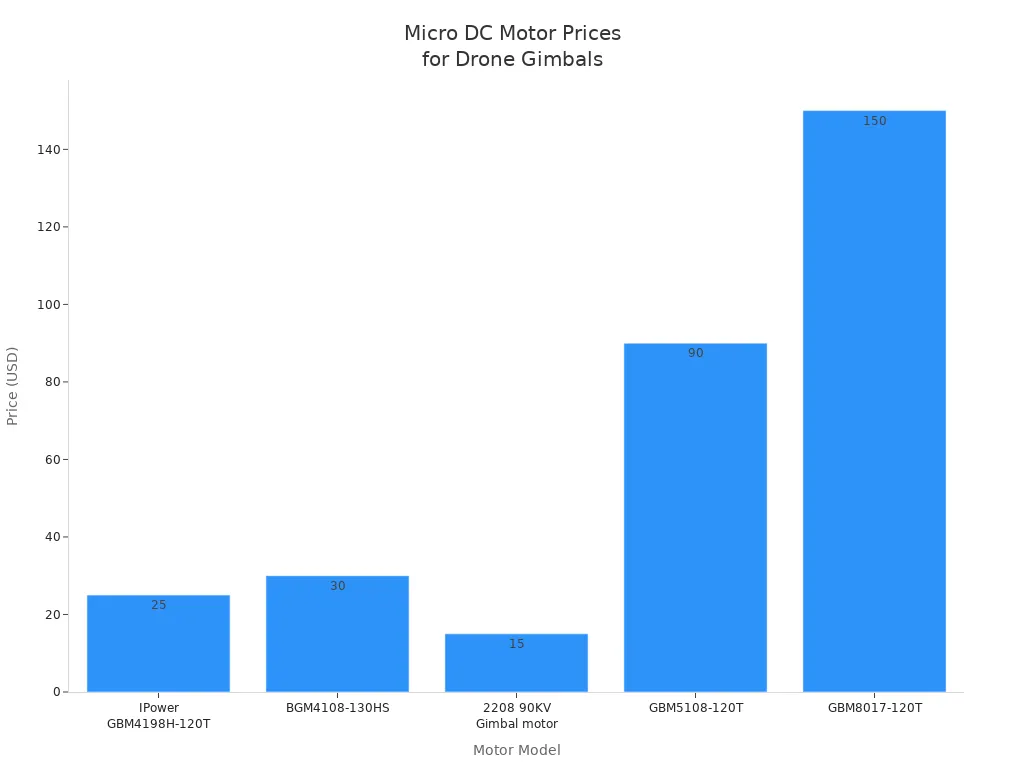
You can see that prices and specs vary a lot. Think about your budget, your drone’s size, and your camera weight. If you want a reliable and efficient motor, check out INEED’s micro DC motors. They offer custom options, strong technical support, and a wide range of models for every selection scenario.
Tip: Always test your motor and gimbal setup before your first flight. This helps you catch any issues early and keeps your drone safe.
By following this step-by-step selection process, you can pick the best micro DC motor for your drone gimbal. Focus on your needs, match the specs, and use real-world examples to guide your decision. This way, you get smooth footage, stable flights, and a drone that works every time.
Choosing the right micro DC motor makes all the difference for stable flight and smooth footage. When you match motor specs to your gimbal and drone, you get:
Vibrations and shakes eliminated for stable flight and clear images.
Better drone performance, even in tough conditions.
A power system that works together for stable flight and quick response.
If you want reliable motors and stable flight, check out INEED Micro DC Motors. You can talk with their team for custom solutions and expert support that fits your project.
FAQ
What size micro DC motor works best for drone gimbals?
You want a motor between 10mm and 20mm for most drone gimbals. Smaller motors like the n10 fit compact builds. Larger motors like the n20 handle heavier cameras.
How do I control the speed of a micro DC motor?
You can adjust speed by changing the voltage or using a motor controller. Many drone setups use electronic speed controllers (ESCs) for smooth and precise control.
Can I use a micro DC motor directly with my drone battery?
Yes, you can connect a micro DC motor to your drone battery. Make sure the voltage matches your motor’s rating. Always check compatibility before powering up.
How do I know if my motor has enough torque for my gimbal?
Check your camera’s weight and the gimbal’s design. Look for motors with higher torque ratings if you use heavier cameras. You want smooth movement without shaking.