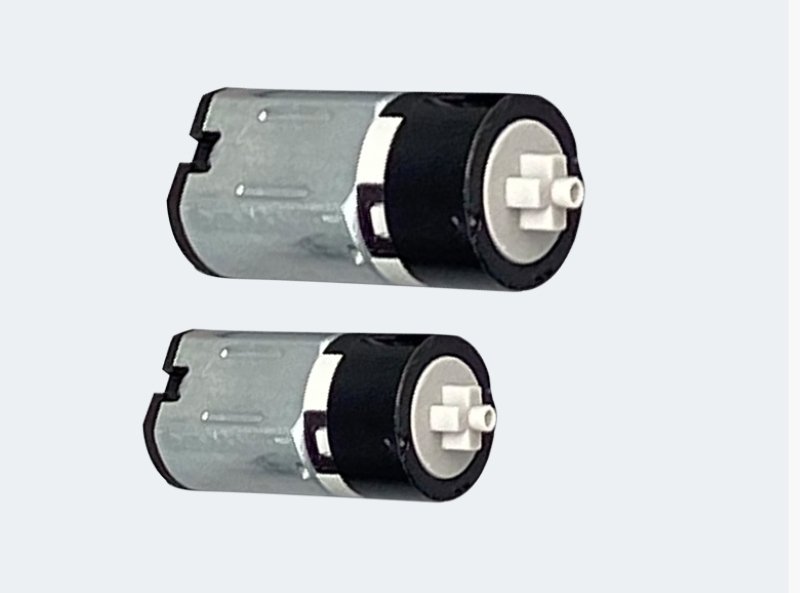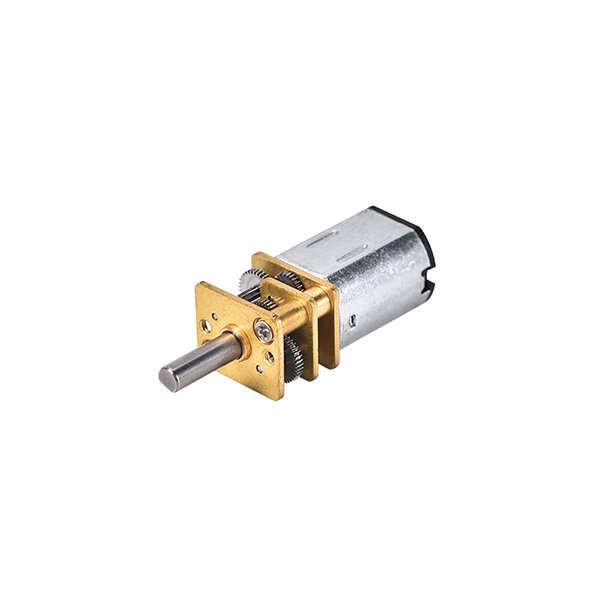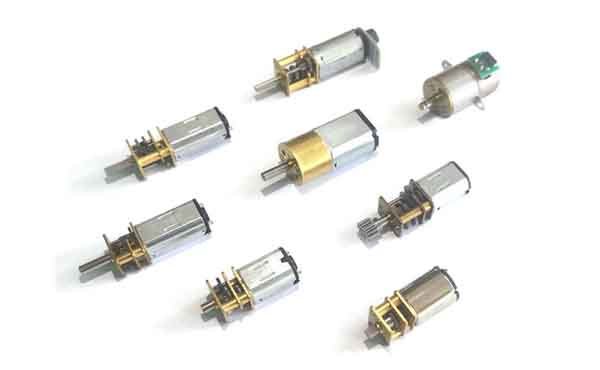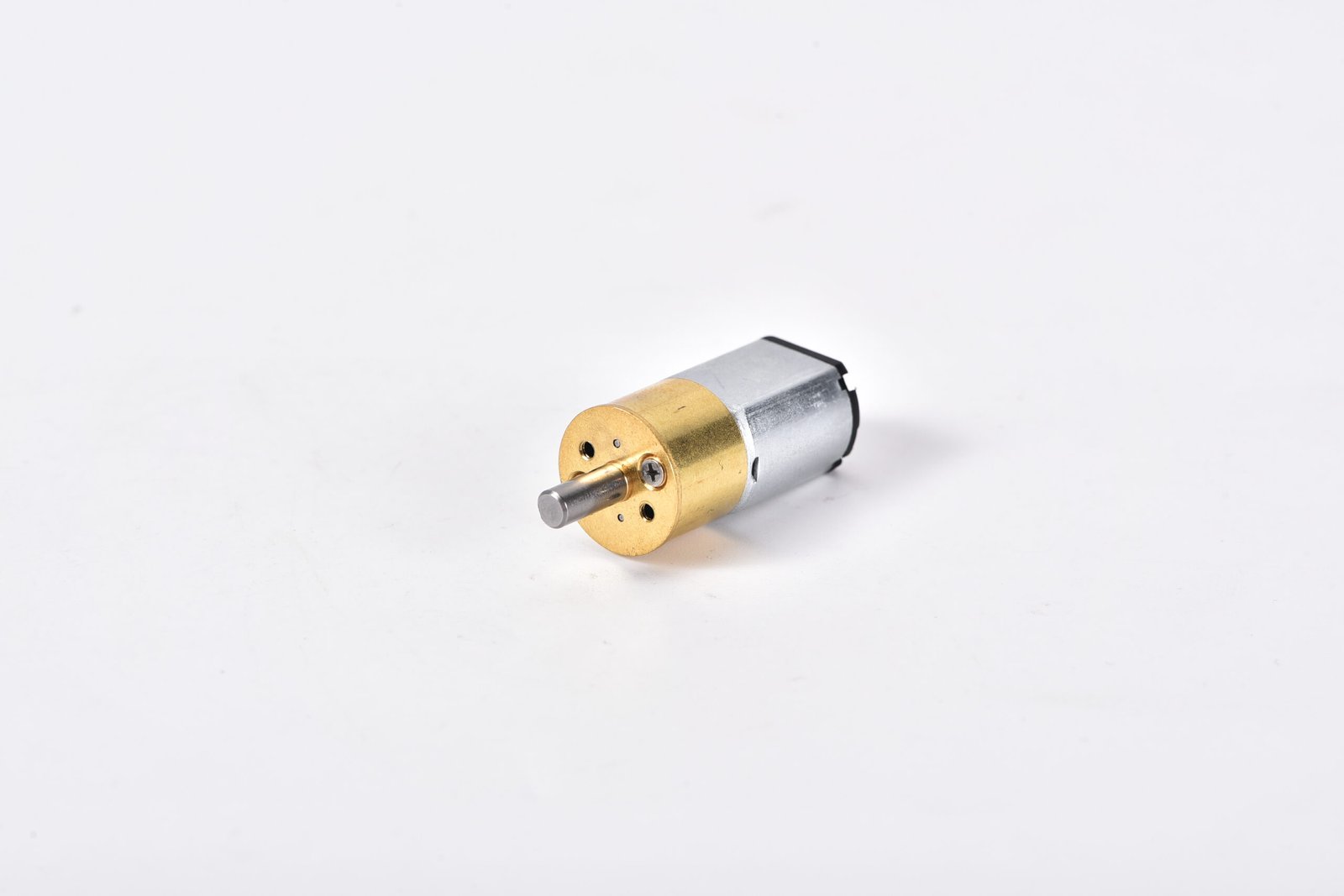
You can predict Planetary Gear Motor quality by checking for ISO 9001, CE, RoHS, and REACH certifications. These third-party verifications, along with KPIs like torque, efficiency, noise, durability, and test results, show real performance. INEED focuses on strict quality control and custom solutions. Use these metrics to compare suppliers and make smart choices for your projects.
Key Takeaways
Always check for key certifications like ISO 9001, CE, RoHS, and REACH. These ensure the motor meets quality, safety, and environmental standards.
Focus on Key Performance Indicators (KPIs) such as torque consistency, efficiency, noise level, and durability. These metrics provide real insights into motor performance.
Request documentation and test reports from suppliers. This helps verify that the motors meet your project requirements and quality expectations.
Consider on-time delivery as a crucial KPI. Reliable delivery indicates a supplier’s ability to meet deadlines and maintain a strong supply chain.
Use a step-by-step approach to evaluate suppliers. Review certifications, request factory audits, and test samples to ensure you choose the best motor for your needs.
Certifications for Quality
When you evaluate planetary gear motors, you should always check for recognized certifications. These certifications act as third-party verifications that guarantee consistent performance and reliability. The most important certifications for planetary gear motors include ISO 9001, CE, RoHS, and REACH. You may also see AGMA standards, which focus on gear accuracy and performance. The table below summarizes the most recognized certifications:
Certification | Description |
|---|---|
AGMA | Indicates gear accuracy with higher numbers representing tighter tolerances and better performance. |
ISO | International standards that ensure quality and reliability in manufacturing processes. |
ISO 9001 Certification in Planetary Gear Motors
ISO 9001 certification stands out as a global benchmark for manufacturing consistency. When a planetary gear motor manufacturer holds this certification, you know they follow strict procedures for design, production, and inspection. This reduces the risk of defects and ensures every motor meets the same high standard. The table below shows how ISO 9001 impacts planetary gear motor production:
Impact Area | Description |
|---|---|
Consistent Quality | Ensures every planetary gear is manufactured to the same high standard, minimizing variability and defects. |
Process Reliability | Mandates documented procedures for design, production, inspection, and testing, reducing the risk of failure. |
Customer Confidence | Provides assurance that products meet international quality benchmarks, crucial for global supply chains. |
Continuous Improvement | Requires regular audits and corrective actions, leading to ongoing enhancements in performance and efficiency. |
Regulatory Compliance | Facilitates adherence to industry-specific standards in aerospace, medical, and energy sectors. |
INEED holds ISO 9001 certification, which means you can trust the consistency and reliability of every planetary gear motor you receive.
CE, RoHS, and REACH Compliance
CE, RoHS, and REACH certifications focus on safety and environmental responsibility. RoHS restricts the use of 10 hazardous substances in electrical and electronic equipment. Each part must meet REACH requirements independently. RoHS compliance also requires a technical file to support CE marking. The table below lists the restricted substances and their thresholds:
Substance | Threshold |
|---|---|
Lead (Pb) | 0.1% or 1000ppm |
Mercury (Hg) | 0.1% or 1000ppm |
Cadmium (Cd) | 0.01% or 100ppm |
Hexavalent Chromium (Cr6+) | 0.1% or 1000ppm |
Polybrominated biphenyls (PBB) | 0.1% or 1000ppm |
Polybrominated diphenyl ethers (PBDE) | 0.1% or 1000ppm |
Bis(2-ethylhexyl) phthalate (DEHP) | 0.1% or 1000ppm |
Butyl benzyl phthalate (BBP) | 0.1% or 1000ppm |
Dibutyl phthalate (DBP) | 0.1% or 1000ppm |
Diisobutyl phthalate (DIBP) | 0.1% or 1000ppm |

INEED’s planetary gear motors meet CE, RoHS, and REACH certification requirements, so you can be confident about safety and environmental compliance.
AGMA Standards and Industry Requirements
AGMA standards play a key role in planetary gear motor certification. These standards cover gear quality, stress calculations, and testing methods. AGMA uses quality numbers to indicate tolerances and precision. A higher number means tighter tolerances, which reduces noise and vibration. This is critical for applications that demand quiet and reliable operation. AGMA standards also address manufacturing deviations, load uniformity, and fatigue profiles. When you see AGMA certification, you know the gear motor meets strict industry requirements for performance and durability.
Tip: Always ask your supplier for documentation of each certification. This ensures you get planetary gear motors that meet your project’s quality and safety needs.
KPIs for Planetary Gear Motor Quality
When you want to judge the true quality of a planetary gear motor, you need to look beyond certifications. Key Performance Indicators (KPIs) give you real data about how a motor performs in the real world. These KPIs help you compare different products and suppliers with confidence. At INEED, every planetary gear motor goes through a strict quality control process. This includes tool and material checks, lifetime tests, and 100% inspection of key processes. You can trust that each motor meets high standards before it leaves the factory.
Torque Consistency and Efficiency
Torque and efficiency are two of the most important KPIs for planetary gear motors. Torque tells you how much force the motor can deliver. Efficiency shows how well the motor turns electrical energy into mechanical power without wasting energy as heat.
You can measure torque consistency and efficiency using several methods. Engineers often check the load sharing factor, which shows how evenly the gears share the force. They also test the motor under different loads to see if it keeps performing well. The table below explains how these measurements work:
Measurement/Analysis Aspect | Description | Key Results/Values |
|---|---|---|
Load Sharing Factor (Kγ) Calculation | Forces measured on flexible planet pins under various loads | Average Kγ ~1.12 to 1.25 |
Experimental Validation | Flexpin deformation in turbine gearboxes | Confirms design target Kγ = 1.25 |
High Efficiency | Rolling contact between gear teeth minimizes friction, achieving efficiencies often exceeding 95% per stage. | Reduces energy loss, heat generation, and operating costs. |
You should know these facts about planetary gear motor efficiency:
Planetary speed reducers keep over 90% total efficiency, even in multi-stage designs.
Single-stage planetary gear motors can reach up to 98% efficiency.
Compact multi-stage designs achieve high reduction ratios, like 20:1, without getting much bigger.
When you see high torque consistency and efficiency, you know the motor will deliver reliable power and save energy over time.
Noise Level and Durability
Noise and durability are also critical KPIs for planetary gear motors. Low noise means the motor runs smoothly and quietly, which is important for medical devices, robotics, and home appliances. Durability tells you how long the motor will last under normal use.
You can measure noise levels by running the motor forward at 2000 rpm for 5–10 seconds, then in reverse for another 5–10 seconds. You measure the sound in decibels during both directions. If the noise difference is more than 3 dB, the motor does not pass the test. Vibration and noise testing also help spot problems early, so you get a motor that works smoothly.
For durability, you want a planetary gear motor that can handle thousands of hours of operation. Well-maintained DC planetary gear motors usually last between 10,000 and 20,000 hours. The actual lifespan depends on how you use the motor, the load, and the environment. If you keep the motor within its rated limits, you can expect dependable performance for a long time.
Vibration and noise testing ensures smooth operation at acceptable noise levels.
When operated within specified load and temperature limits, planetary gear motors provide thousands of hours of reliable service.
Durability increases when you follow proper maintenance and use the motor as recommended.
Predictive Maintenance and Test Results
Predictive maintenance uses regular monitoring to catch problems before they cause failures. This approach improves reliability and saves money. You can schedule repairs during downtime, avoid emergency fixes, and extend the life of your planetary gear motor. Predictive maintenance also keeps your workplace safer by preventing sudden breakdowns.
Here are some benefits of predictive maintenance for planetary gear motors:
Reduced downtime: You can plan maintenance when it will not interrupt production.
Cost savings: You avoid expensive emergency repairs and get more life from your gear motor.
Improved reliability: Regular checks keep your equipment running smoothly.
Safety: You lower the risk of accidents from unexpected failures.
Test results give you proof of planetary gear motor quality. At INEED, every planetary gear motor goes through a series of tests before shipping. These tests include:
Test Item | Purpose |
|---|---|
Visual inspection | Check for physical defects, label accuracy, and correct assembly. |
Electrical performance testing | Verify compliance with electrical specifications through no-load and load testing. |
Mechanical property testing | Assess the integrity of the gearbox and motor through speed, torque, and backlash tests. |
Environmental resistance test | Ensure performance under humidity, dust, and temperature extremes. |
Durability and life testing | Evaluate long-term reliability through continuous operation and overload tests. |
Final quality Assurance (QA) inspection | Confirm no abnormalities and that all test data meets specifications. |
You should also consider on-time delivery as a KPI. Consistent on-time delivery shows that a supplier can meet your deadlines and keep your projects on track. When you combine torque, efficiency, noise, durability, test results, and on-time delivery, you get a complete picture of planetary gear motor quality. These KPIs help you choose the most reliable products and suppliers for your needs.
INEED Motors Testing and Validation
Factory Inspection and Performance Testing
You want planetary gear motors that deliver reliable performance every time. INEED Motors uses a detailed inspection and testing process to make sure each motor meets strict quality standards. The process starts with tool inspection. This step checks that all tools used in production meet exact requirements. Next, material inspection verifies the quality of every material before assembly begins. Material lifetime tests follow, showing how materials hold up over time.
First article inspection checks the first item produced against all standards. This step helps catch any issues early. INEED then performs a 100% inspection of key processes and motor performance. Every critical step gets checked, so you know each planetary gear motor is built right. Final inspection and shipment inspection confirm that only motors meeting all standards leave the factory. Motor lifetime tests assess how long each motor will last under real-world conditions.
Here is a summary of the inspection process:
Inspection Process Steps | Description |
|---|---|
Tool Inspection | Ensures tools used in production meet standards. |
Material Inspection | Verifies the quality of materials used. |
Material Lifetime Test | Tests the durability of materials over time. |
First Article Inspection | Checks the first produced item against standards. |
100% Inspection of Key Processes and Motor Performance | Ensures all critical processes are checked. |
Final Inspection and Shipment Inspection | Confirms quality before shipping. |
Motor Lifetime Test | Assesses the longevity of the motor. |
Performance testing includes temperature and humidity testing, lifetime testing, and motor performance testing. These steps show how planetary gear motors perform in different environments and over long periods. Vibration and noise testing also play a key role. INEED uses two assembly strategies—natural groupings and measure-and-sort—to reduce gear whine. These methods ensure lower noise and better performance compared to random assembly.
Outgoing Control and Logistics Management
After testing, INEED focuses on outgoing control and logistics management. Every planetary gear motor goes through a final quality control check before packaging. This step ensures that only motors meeting all requirements get shipped. The packaging protects the motors during transport, so they arrive in perfect condition.
INEED tracks each shipment with a management system. You can see where your order is at any time. This system supports on-time delivery, which is a key indicator of supplier reliability. When you choose INEED, you get planetary gear motors that pass strict quality control and arrive when you need them.
Note: Certifications like ISO, CE, and RoHS, along with on-time delivery KPIs, give you confidence in consistent quality. Always look for these signals when choosing a supplier.
Evaluating Planetary Gear Motor Suppliers
Using Certifications and KPIs for Supplier Assessment
You want to choose a planetary gear motor supplier who delivers consistent quality. Start by checking for certifications that matter most. ISO 9001 stands as a non-negotiable sign of strong quality management. CE, RoHS, and REACH show the supplier meets safety and environmental standards. AGMA and DIN/ISO certifications confirm gear precision and durability. These third-party verifications help you focus on suppliers who follow best practices.
Here is a quick reference table for important certifications and what they mean for you:
Certification | Importance |
|---|---|
ISO 9001 | Ensures quality management and process control |
AGMA | Confirms load capacity, noise control, and accuracy |
DIN/ISO | Validates gear tooth precision and finish |
CE, RoHS, UL | Required for exports to Europe or North America |
You should also look at KPIs like torque consistency, efficiency, noise level, durability, and on-time delivery. These KPIs give you real data about how the motors perform. High customer satisfaction ratings and strong delivery records show that a supplier can meet your needs reliably.
Practical Steps for Buyers
You can use a step-by-step approach to evaluate planetary gear motor suppliers:
Review Certifications: Ask for ISO 9001, CE, RoHS, and other relevant certificates. Check for third-party test reports.
Request Factory Audits: Visit or ask for videos of CNC machining, assembly lines, and testing labs.
Test Samples: Order samples and check torque, noise, and durability under real conditions.
Check Documentation: Request material certifications and review technical data sheets.
Analyze Historical Data: Look at reorder rates and customer reviews for consistency.
Tip: Always match the motor’s torque, speed, and environmental ratings to your application. Consult with engineers if you have special requirements.
Common pitfalls include ignoring shaft size, mounting footprint, or connector compatibility. Overlooking encoder resolution or IP rating can cause failures. Choosing a low-cost motor with poor backlash or thermal resistance may lead to noise, position drift, or early breakdowns. You can avoid these issues by focusing on quality signals and working with suppliers who offer custom solutions, like INEED.
By following these steps, you can select a planetary gear motor supplier who delivers reliable performance and long-term value.
Certifications like ISO 9001, CE, RoHS, and REACH, along with third-party verifications such as SGS and on-time delivery KPIs, give you clear signals of consistent planetary gear motor quality. You can trust INEED because the company uses strict quality control, advanced testing, and clean assembly environments. Leading manufacturers focus on:
Dimensional and gear profile inspections
Surface roughness and material hardness checks
Comprehensive load, noise, and vibration testing
For the best results, always check for these certifications and KPIs when you evaluate suppliers. This approach helps you choose reliable motors for your projects.
FAQ
What certifications should you check for planetary gear motor quality?
You should look for ISO 9001, CE, RoHS, and REACH certifications. These show the manufacturer follows strict quality, safety, and environmental standards. They help you trust the motor’s reliability.
How do third-party verifications like SGS help you?
SGS provides independent testing and inspection. You get proof that the motors meet international standards. This gives you confidence in the supplier’s claims and product quality.
Which KPIs actually predict consistent planetary gear motor quality?
You should focus on torque consistency, efficiency, noise level, durability, and on-time delivery. These KPIs show real-world performance and reliability. They help you compare suppliers and products.
Why does on-time delivery matter for planetary gear motors?
On-time delivery shows the supplier’s reliability and ability to meet deadlines. You avoid project delays and get motors when you need them. This KPI signals strong supply chain management.
How can you use certifications and KPIs to choose the right supplier?
You can ask for certificates and test reports. You should review performance data and delivery records. These steps help you select a supplier who meets your quality and project needs.