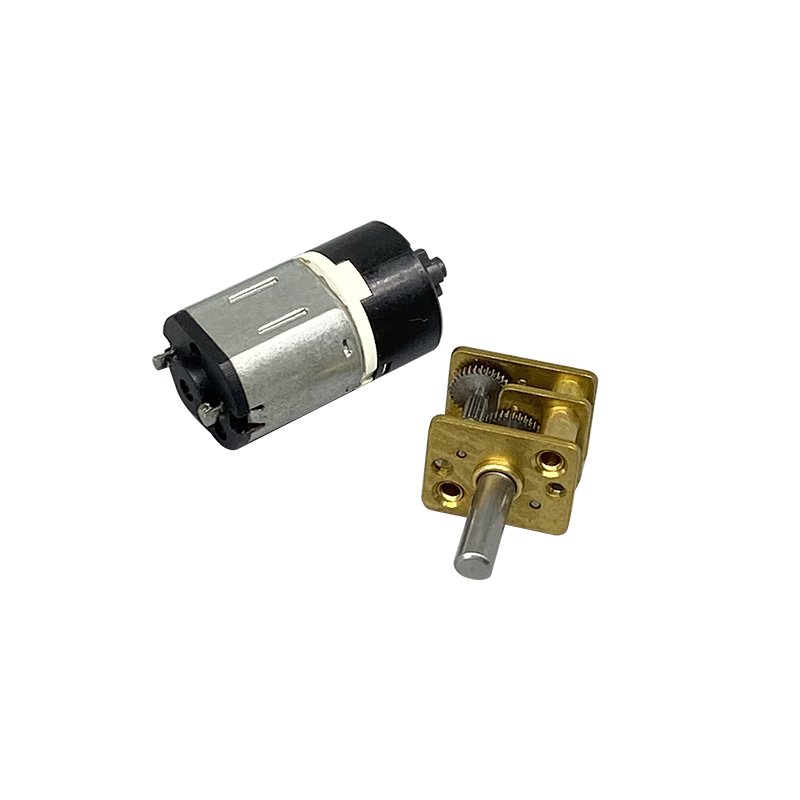
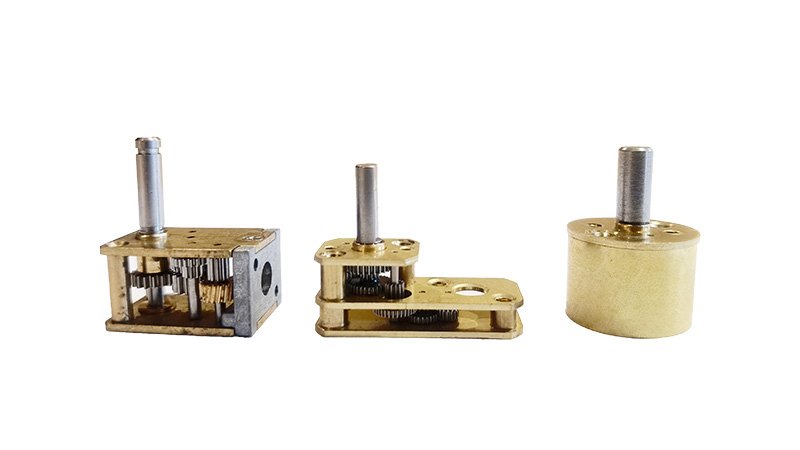
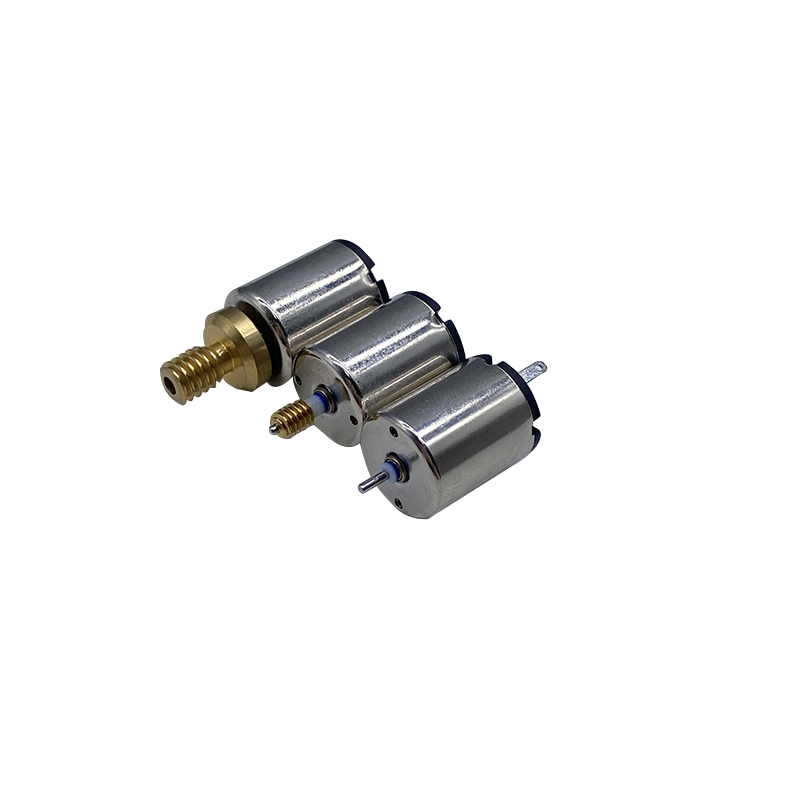
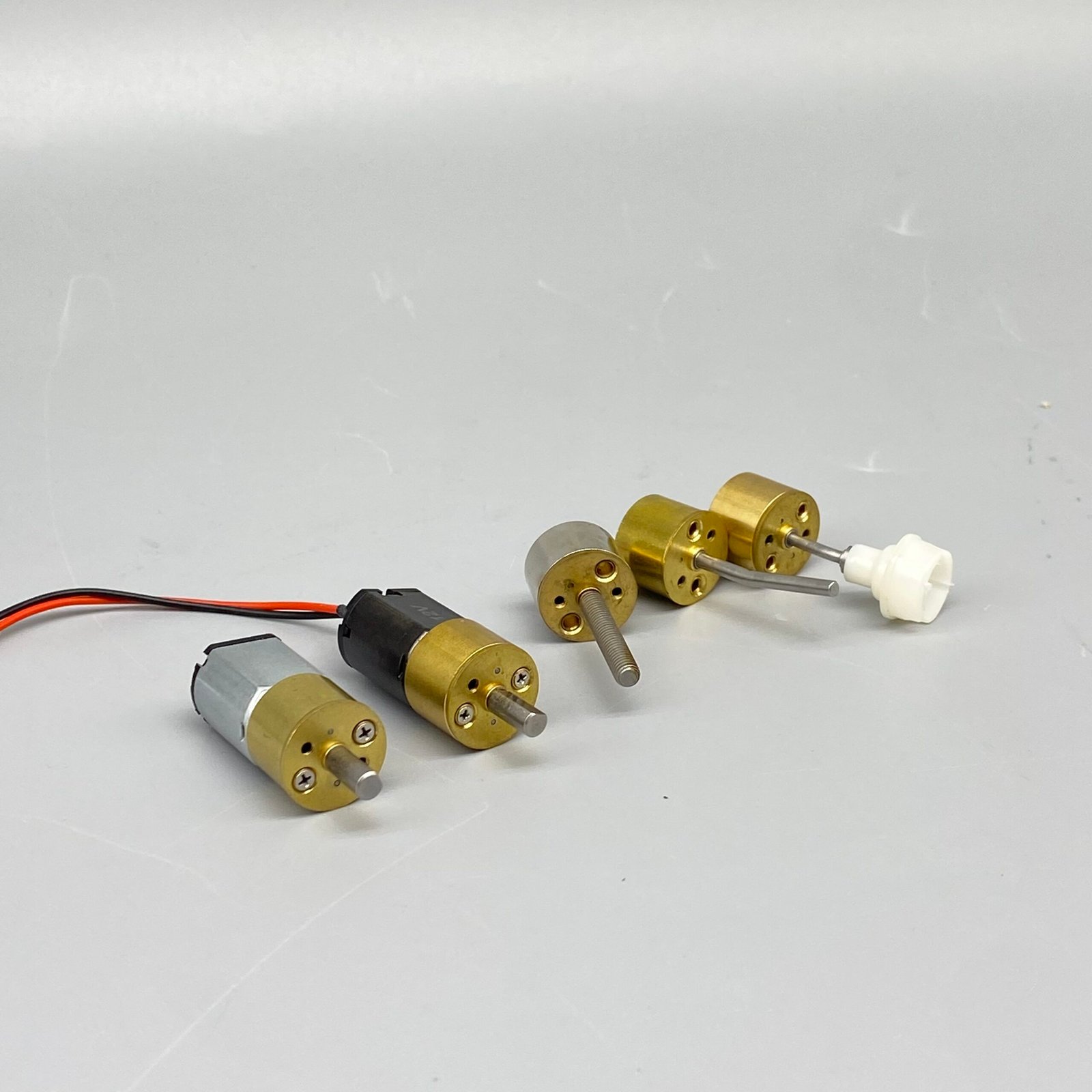
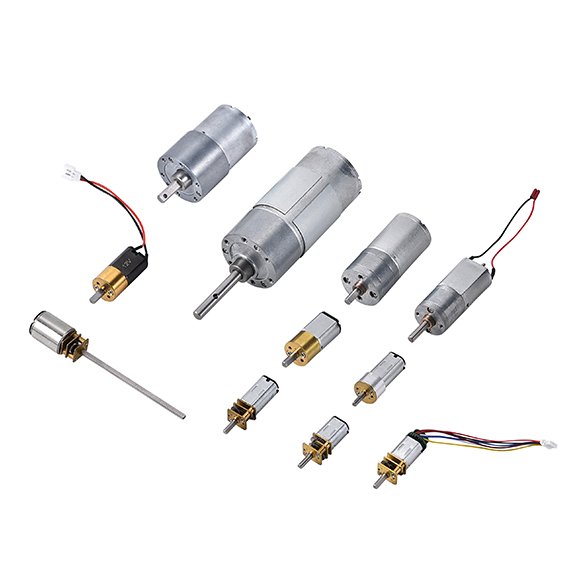
When you choose high-torque planetary gear motors, you want assurance that every motor delivers top performance. Quality tests play a crucial role in making sure your motor works reliably in demanding situations. At INEED, you see strong quality through advanced testing and strict test methods. You benefit from quality tests such as visual inspection, electrical performance testing, mechanical property testing, environmental resistance test, durability and life testing, and final quality assurance inspection. These test methods set INEED planetary gear motors apart. Each motor goes through careful testing, so you get the quality you expect.
Key Takeaways
Quality tests ensure high-torque planetary motors perform reliably in demanding situations.
Thorough visual inspections catch defects early, preventing future malfunctions and saving time.
Electrical performance testing confirms motors meet power, speed, and torque requirements for safe operation.
Durability testing assesses how well motors withstand extreme conditions, ensuring long-term reliability.
Final quality assurance checks guarantee that only certified motors reach customers, providing peace of mind.
Visual Quality Tests for Planetary Gear Motors
Surface and Assembly Inspection
You want your planetary gear motor to work perfectly from the start. At INEED, you benefit from a thorough inspection process that checks every detail. The team examines the surface of each motor for scratches, dents, or irregularities. They also check the assembly to make sure all parts fit together correctly. This step helps you avoid problems later.
During inspection, you can spot defects early. Early defect detection in planetary gearboxes helps prevent system malfunctions. You reduce the risk of further damage and minimize failures that could happen later in the process. This proactive approach saves time and resources. You get a motor that meets your expectations for quality and reliability.
The team checks for:
Surface scratches or dents
Proper alignment of components
Secure fastening of screws and connectors
Cleanliness and absence of foreign materials
By focusing on these points, you ensure that only motors passing strict standards move to the next stage.
Labeling and Documentation Review
You need accurate records for every planetary gear motor. At INEED, the labeling and documentation review is a key part of quality assurance. The team checks that each motor has the correct label, including model number, serial number, and compliance marks. They review all documents to make sure information matches the product.
Accurate documentation is essential for tracking work history and identifying performance patterns. You can see when a motor was installed, maintained, or checked for safety. This helps you follow industry standards like ISO 9001, REACH, and RoHS. Keeping clear records supports compliance and makes it easier to solve any issues that may arise.
Clear records include:
Installation dates
Maintenance logs
Safety checklists
With proper labeling and documentation, you gain confidence in the quality and traceability of your planetary gear motors.
Electrical Performance Testing in INEED Planetary Gear Motors
You want your planetary gear motor to deliver consistent power and reliable performance. Electrical performance testing at INEED helps you confirm that each motor meets strict standards before it reaches your hands. You benefit from a series of tests that check insulation, voltage, current, speed, and torque. These tests ensure your motor works safely and efficiently in every application.
Insulation and Dielectric Tests
You need your motor to operate safely under different power conditions. Insulation and dielectric tests help you verify that the motor can handle high voltages without breakdown. At INEED, the team applies voltage to the motor windings and checks for leakage. You see that the insulation resists electrical stress, which protects the motor from short circuits and power loss.
Tip: Insulation tests help you prevent electrical faults and extend the motor’s lifespan.
You get peace of mind knowing your motor can withstand voltage spikes and harsh environments. These tests are essential for motors used in medical devices, robotics, and industrial machinery, where safety and reliability matter most.
Current and Voltage Measurement
You want to know how much power your motor uses during operation. INEED measures current and voltage at different stages to ensure optimal performance. You see the results for no-load current, rated current, and stall current. Each value tells you how the motor behaves under various loads.
No-load current: The current drawn when the motor runs without any load.
Rated current: The current required for normal operation under load.
Stall current: The peak current drawn when the motor starts or stalls.
You also need to match the motor’s rated voltage to your power supply. Using the wrong voltage can cause performance issues or damage the motor. INEED checks that each motor operates within standardized voltage tolerances.
Voltage Type | Description |
|---|---|
230 V | Maximum load for one phase of the motor |
400 V | Maximum voltage for the motor’s outer conductor |
+/- 5% | Standardized tolerance for voltage fluctuations |
You get a motor that works efficiently and safely with your power source. Understanding these values helps you avoid overloads and ensures your power supply meets the demands during startup and peak load.
Speed and Torque Verification
You rely on your motor to deliver precise speed and high torque for your application. INEED uses advanced speed testing and torque measurement tools to check each motor. The team uses a dynamometer to measure speed and torque under different loads. You see how the motor performs at various power levels and speeds.
Speed testing confirms that the motor reaches the desired RPM for your device.
Torque measurement shows how much force the motor can deliver at different speeds.
Dynamometer testing provides accurate data for both speed and torque.
You get detailed performance data that helps you select the right motor for your needs. These tests ensure your motor can handle demanding tasks in robotics, healthcare, and industrial equipment. You benefit from motors that maintain stable speed and power output, even under heavy loads.
Note: Reliable speed and torque verification means your motor will perform as expected in real-world conditions.
Electrical performance testing at INEED gives you confidence in every motor you use. You know your motor has passed strict tests for power, speed, and torque, so you can trust it to deliver top performance in any application.
Mechanical and Planetary Gearbox Quality Tests
Torque and Backlash Assessment
You need your planetary gearbox to deliver precise motion and reliable torque in every application. At INEED, you benefit from advanced torque testing and careful assessment of backlash. The team uses load testing to measure how much torque the gearbox can handle without slipping or losing accuracy. This process helps you confirm that your gearbox will perform well under real-world conditions.
Backlash is the small gap between gear teeth that allows for smooth rotation. You want controlled backlash, not zero backlash, because a tiny, consistent clearance keeps your gearbox running smoothly. Zero backlash can make the gearbox sensitive to heat or alignment changes. INEED sets strict standards for backlash tolerance to ensure long-term reliability.
Here is a table showing industry-accepted thresholds for backlash in high-torque planetary gearboxes:
Application Type | Max Acceptable Backlash |
|---|---|
Robotic Joint (Collaborative) | ≤ 1 arcmin |
Wind Turbine Yaw Drive | ≤ 8 arcmin |
Plastic Injection Molding Clamp | ≤ 3 arcmin |
Heavy-Duty Conveyor Head Drive | ≤ 5 arcmin |

You see that INEED’s planetary gearbox testing also checks torsional rigidity and lost motion. These factors help you maintain precision and prevent unwanted movement. Most precision gearboxes operate with a total backlash of 0.015–0.05 mm, which supports reliability and smooth gear motion.
Vibration and Noise Analysis
You want your planetary gearbox to run quietly and efficiently. INEED uses efficiency testing and advanced sensors to measure vibration and noise during operation. The team compares different gearbox models to ensure you get the lowest possible noise levels.
Model Type | Noise Level (dB) |
|---|---|
Base Model | 55 |
Advanced Model | 47 |
Pro Model | 38.5 |
Lower noise means less vibration and higher efficiency. You benefit from planetary gearboxes that keep your equipment running smoothly, even under heavy load. This focus on noise and vibration control makes INEED gearboxes ideal for robotics, healthcare, and industrial machinery.
Tip: Consistent torque and low vibration extend the life of your planetary gearbox and improve overall performance.
You can trust INEED’s mechanical testing to deliver gearboxes that meet strict standards for torque, backlash, and efficiency.
Durability Testing and Environmental Resistance
When you select a planetary gear motor for demanding environments, you want to know it will last. INEED puts every motor through durability testing to make sure it stands up to real-world challenges. These tests check how well the motor handles temperature changes, humidity, and physical shocks. You get a motor that keeps working, even when conditions get tough.
Temperature and Humidity Endurance
You need your gear motor to perform in both hot and cold places. INEED uses endurance testing to see how motors react to extreme temperatures and high humidity. The team places motors in special chambers that cycle between heat, cold, and moisture. This process helps you see if the motor can resist rust, swelling, or loss of power.
Feature | Benefit |
|---|---|
High-strength alloy steels | Resistant to wear, fatigue, and shock loading |
Case-hardened gears | Provides surface hardness for longevity while maintaining core toughness |
Corrosion-resistant coatings | Essential for outdoor, marine, or chemical environments |
Precision machining | Ensures optimal gear meshing and reduces vibration and noise |
MTBF and environmental ratings | Evaluates reliability in extreme conditions |
You benefit from corrosion-resistant housings that protect the inside parts from moisture and chemicals. This means your motor works longer and needs fewer repairs.
Life Cycle and Shock Testing
You want your motor to last for years. INEED uses durability and life testing to measure how many cycles a motor can run before it wears out. The team runs motors for thousands of hours, simulating years of use. Shock testing checks if the motor can survive drops or sudden impacts.
Exceptional long-term value through superior durability characteristics
Minimizes replacement costs and operational downtime
Corrosion-resistant housing protects internal components from moisture, chemicals, and contaminants
You see the results in lower maintenance costs and less downtime. These tests prove that INEED motors can handle harsh industrial environments, outdoor use, and heavy-duty tasks. You get peace of mind knowing your motor has passed strict endurance testing for long-term reliability.
Final Quality Assurance at INEED
Functional Run-In and Compliance Checks
You want your planetary gear motor to work perfectly from the moment you use it. At INEED, you get this assurance through a functional run-in test. The team operates each motor under real working conditions for a set period. This process helps you catch any hidden issues that might not show up during earlier tests. You see how the motor performs when it runs at different speeds and loads.
You also need to know your motor meets important industry standards. INEED checks every motor for compliance with ISO 9001, REACH, and RoHS. These standards protect you by making sure the motor is safe, reliable, and environmentally friendly. The team reviews all test results and documentation before approving the motor for shipment.
Tip: Run-in tests help you avoid early failures and ensure your motor is ready for long-term use.
Outgoing Control and Certification
You expect your motor to arrive in perfect condition. INEED uses outgoing control to make sure this happens. The team inspects each motor one last time before packaging. They check for any signs of damage, missing parts, or labeling errors. This step gives you confidence that only the best motors leave the factory.
Packaging plays a big role in quality. INEED uses strong, protective materials to keep your motor safe during shipping. The team also inspects the packaging for proper sealing and labeling. You get a motor that arrives clean, undamaged, and ready to install.
Here is a quick look at the final steps before shipment:
Step | Purpose |
|---|---|
Final visual inspection | Detects last-minute defects |
Packaging check | Prevents shipping damage |
Label and document review | Ensures traceability and safety |
Certification verification | Confirms compliance with standards |
You receive a certified, high-quality planetary gear motor that meets your needs. INEED’s final quality assurance gives you peace of mind from the factory to your door.
You see the value of comprehensive quality tests for planetary gear motors. These tests help you catch issues early, improve reliability, and keep your equipment running smoothly. Regular checks and performance testing ensure your motor works well under all conditions. INEED’s advanced inspection process and skilled team deliver high precision and stable quality. Customer satisfaction ratings reach 98% or higher, and every motor receives a 100% final inspection. Choose INEED for planetary gear motors that give you confidence and long-term performance.
FAQ
What is the most important quality test for planetary gear motors?
You should focus on electrical performance testing. This test checks if your motor delivers the right power, speed, and torque. It helps you confirm that the motor will work reliably in your application.
How does INEED ensure motors meet industry standards?
INEED uses a strict inspection process. The team checks each motor for compliance with ISO 9001, REACH, and RoHS. You receive motors that meet safety, quality, and environmental requirements.
Why do you need durability testing for planetary gear motors?
Durability testing shows you how long your motor will last. It helps you avoid early failures and reduces maintenance costs. You can trust your motor to perform well in tough environments.
Can you customize quality tests for special applications?
Yes, you can request custom tests. INEED offers tailored testing for unique requirements. You get motors tested for your specific needs, such as extreme temperatures or special torque ranges.