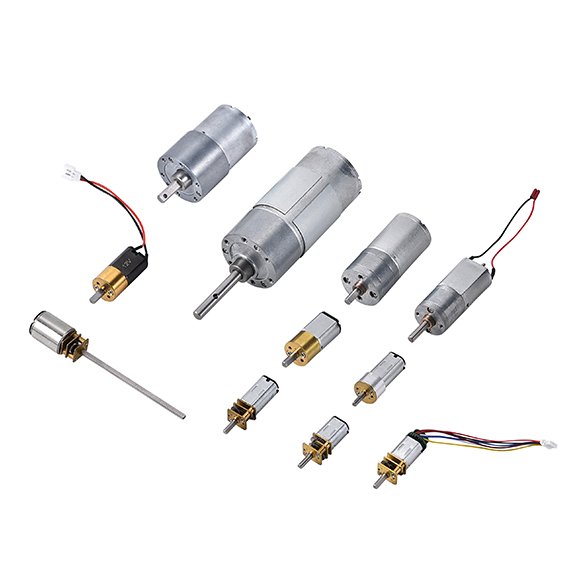
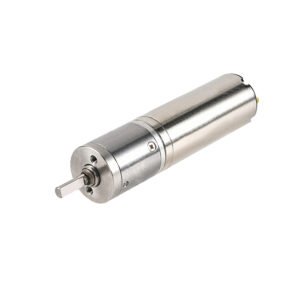
We manufacture compact DC planetary gear motors optimized for low noise, smooth operation, and stable torque output—ideal for medical devices, home appliances, and consumer electronics.
Diameter 6–42mm, voltage 2–24VDC, speed 5–2000rpm, torque 5 g·cm – 50 kg·cm (higher torque available by design).
Engineering support, drawings & motor curves, and fast quoting to reduce your development and supply risk.

| Input you provide | What we propose | Why it matters |
|---|---|---|
| Target output speed (rpm) | gear ratio / stages | affects efficiency & noise |
| Load torque (nominal/peak) | gearbox size & safety margin | prevents stall/overheat |
| Duty cycle / lifetime target | thermal & wear considerations | reliability & warranty risk |
| Supply voltage | winding & motor type | integration-ready |
| Noise / vibration target | gear material & lubrication | user experience |
| Control requirement | encoder option | speed/position feedback |
The planetary gear motor is an epicyclic gear train that reduces the output speed by meshing the small planetary gearbox.
The main components of the planetary gear motor are sun gear, planet gear, ring gear, planet carrier, and driving motor. It is similar to the orbital motion of the planets in our solar system. In a gear train set, three or more “driving” gears rotate around the sun gear with the sun gear as the driving center. A gear motor designed with this structure is called DC planetary gear motor.
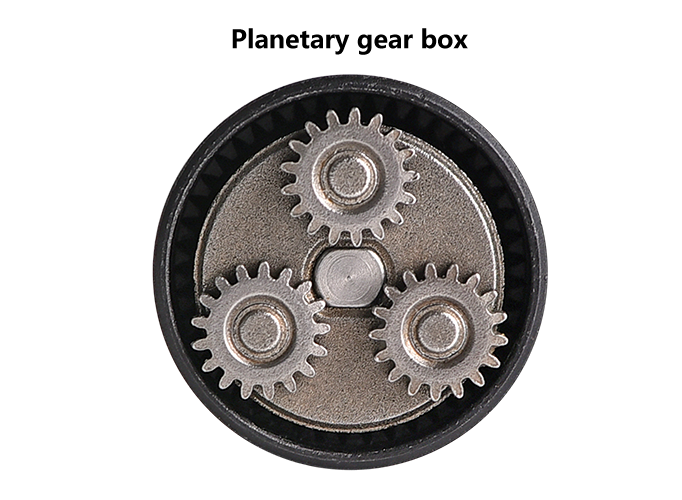

The planetary gear set transmits power through the meshing of the sun gear, multiple planet gears, and the internal ring gear.
The planet carrier is connected to the output shaft and delivers the reduced-speed, increased-torque output.
Because multiple planet gears share the load simultaneously, the torque is distributed across several contact points, which helps reduce stress on individual gears, minimize wear, and improve durability and stability under load.
For higher reduction ratios (and higher output torque), multi-stage planetary gear sets can be combined.
Gear ratio Formula:
Gear ratio (typical single-stage): i = 1 + (Nr / Ns)
Speed: n_out = n_in / i
Torque (ideal): T_out ≈ T_in × i × η (η = efficiency)
A planetary gear motor reduces the speed of a micro DC motor or other high-speed rotating power by meshing a smaller gear with fewer teeth on the input shaft of the planetary gearbox and a larger gear with more teeth on the output shaft.
By connecting gears of different sizes, the output speed of the gear motor can be reduced while increasing its torque. When power is transmitted from the smaller gear to the larger gear, the ratio of the number of reductions to the number of torque amplifications is equal to the gear ratio of the two gears. This ratio is commonly known as the gear ratio. In other words, the tooth ratio between different gears is the gear ratio.
Torque is generated by the reduction ratio of the gearbox. The larger the reduction ratio, the greater the torque. Conversely, the smaller the reduction ratio, the smaller the torque.
The planetary motor is with high stability of angular rotation, providing higher precision and reliability.
Adding bearings for some gear motor types to avoid direct wear and swing of the output shaft.
Planetary gear systems are enclosed in cylindrical gearboxes, suitable for applications with compact space dimensions and lower weights.
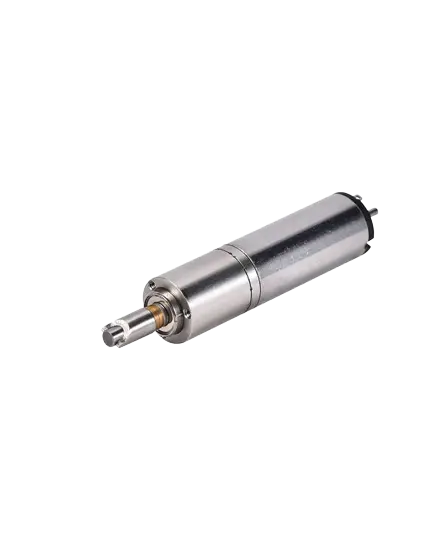
Due to more surface contraction of gears, making rotation is softer.
Several planets evenly share the rated load instead of one gear. The more planet gears the gear motor has, the more rated load it shares.
The planetary reducer provides greater efficiency, and due to its design and internal layout, the efficiency loss can be minimized during the operation of the motor.
| Item | Planetary | Spur |
|---|---|---|
| Torque density | High | Medium |
| Backlash | Lower (typical) | Higher (typical) |
| Noise | Smoother (typical) | depends |
| Cost | Higher | Lower |
| Best for | compact + stable torque | cost-sensitive |
With over 10 years of experience planetary gear motor manufacturer, we always strive to meet our customers’ needs by expanding our product line range to meet market demand.
We can provide not only Brushed gear motors and brushless gear motors but also DC motors with planetary gearboxes, such as stepper motors. For brushed motors, there are carbon brushes or metal brushes for your choice. For brushed motors, there are carbon brushes or metal brushes for your choice.
Common custom requirements include the shape and size of the output shaft, adding a small gear on the output shaft, lead wires with different lengths, or adding various connectors to the ends of the Lead wires. If your devices or applications require additional control, we can offer a planetary gear motor with an encoder.
Planetary gear motor 12V and planetary gear motor 24V are very popular in the market and they can successfully match the customer’s products. 775 planetary gear motor is currently our largest diameter gear reduction motor. As each customer’s product has its own uniqueness, all planetary gear motors can be customized based on your design requirements. Contact us now and our dedicated team of engineers will provide you with solutions that exceed your expectations.
Please provide your detailed requirements, and our engineers will offer you the optimal solution tailored to your specific application.
INEED Motors has over 10 years of experienced R&D engineers and several advanced R&D laboratories.
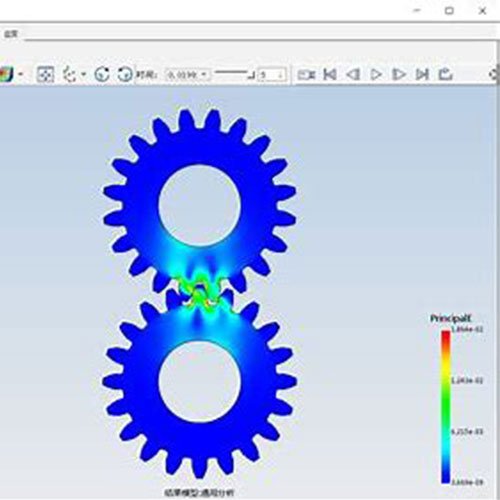
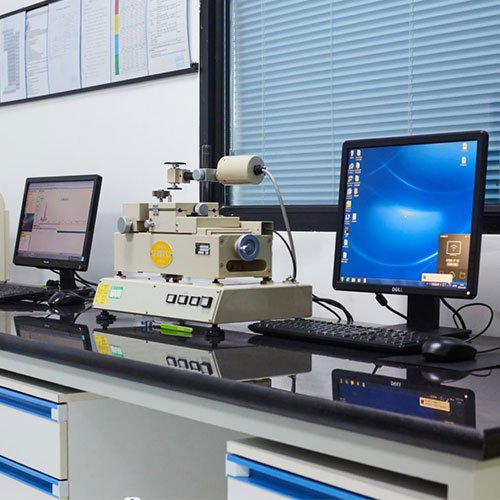
Our engineers can understand your project needs and product specifications in-depth and provide the appropriate technical solutions.
The products include brushless DC motor, brushed motor, gearbox design, and development.
More than 80% of the projects we worked on are customized. Our customized services include dimensions, internal structures, technical parameters, encoders, and other custom accessories.
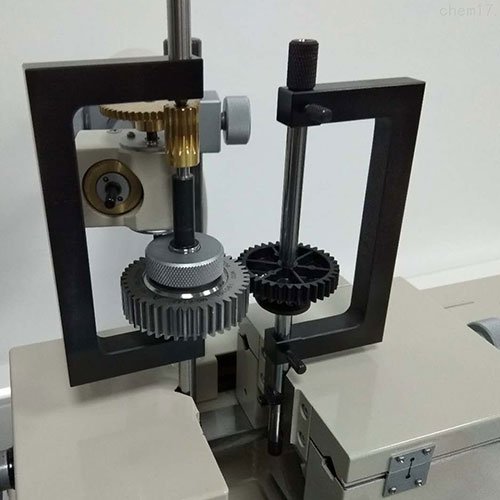
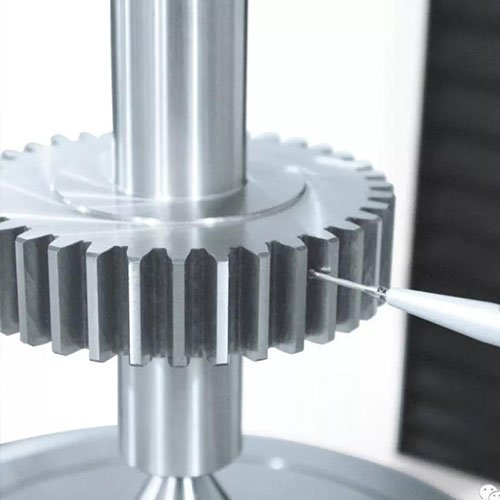
Our engineering team organizes regular training sessions to keep the technical team at the forefront of the industry and proficient in dealing with various technical challenges.
We provide detailed technical documents and information, such as specifications, motor characteristic curves, 3D drawings, etc.
You need more than just a planetary gear motor, you also need a trusted supplier to build your brand and increase profits!
We focus on our customer demands and flexibly adjust the production process and schedule to ensure the timely delivery of high-quality customized products. Regardless of the bigger or smaller order, we respond quickly and provide solutions that meet our customers' requirements.
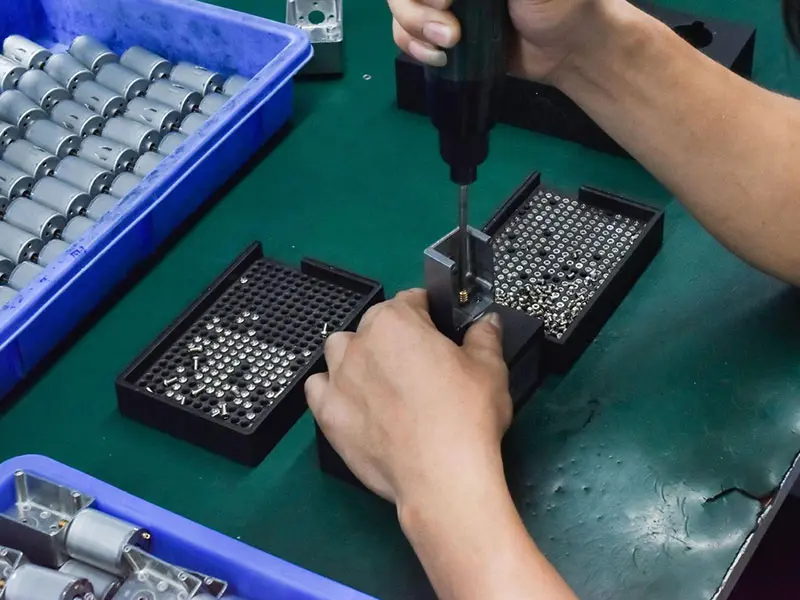
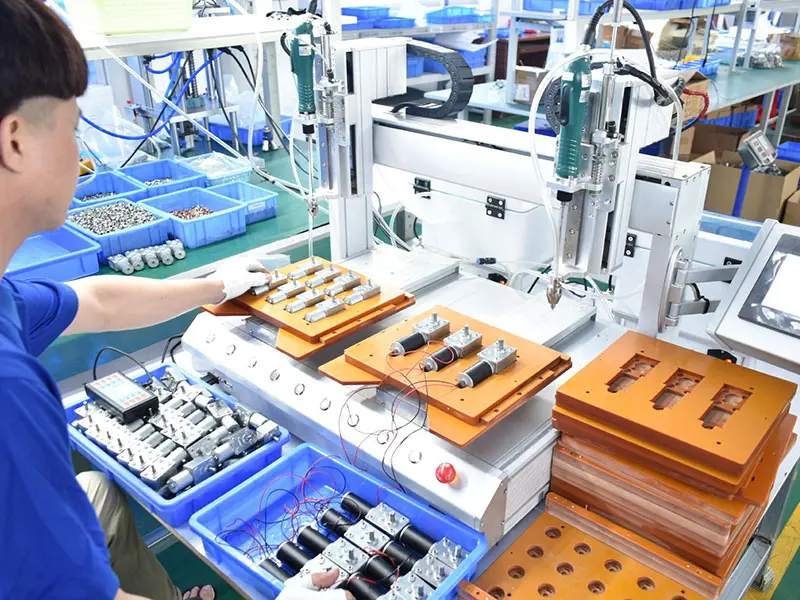
Core Parts Manufacturing and Assembly We have advanced gear processing equipment and skilled technical workers, who can accurately process all kinds of high-precision gear, in strict accordance with the assembly process for gearbox assembly, to ensure stable and reliable product quality, and to provide customers with excellent performance and experience.

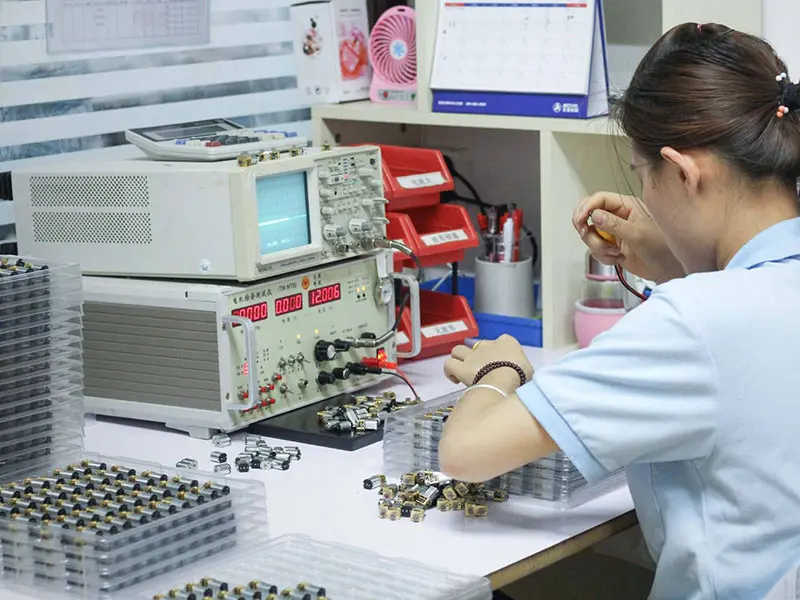
Perform organization and a series of inspections on motor components such as rotors, stators, commutators, and end caps. Each motor rotor is rigorously tested and evaluated to ensure its quality is up to industry-leading levels, enhancing product performance and reliability.
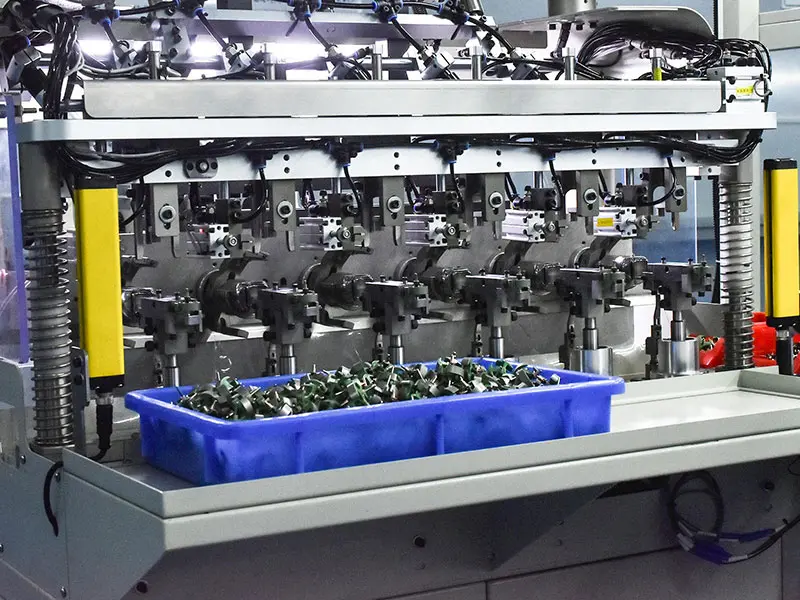
We continue to invest in research and development and the introduction of advanced automated production equipment. With an automation rate of 60%, and continuous optimization of production processes, to ensure that we are always at the forefront of the industry and meet the changing needs of our customers.
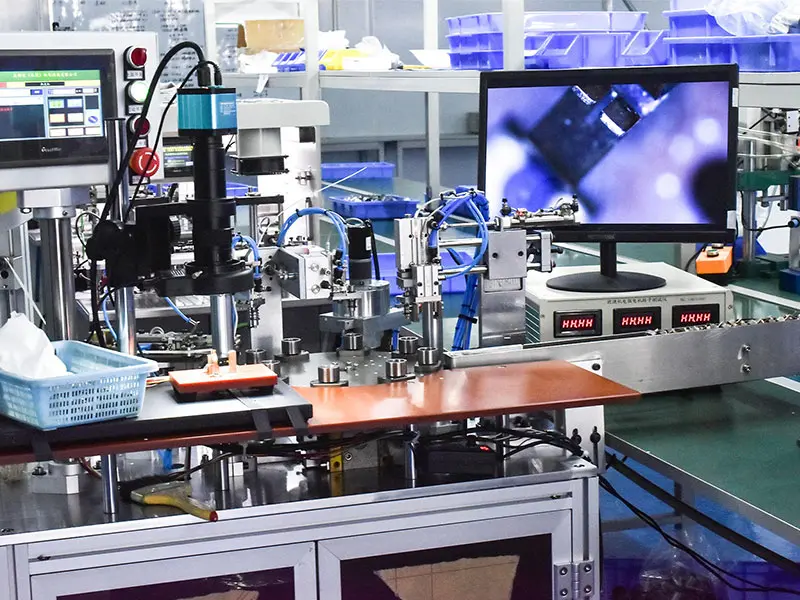
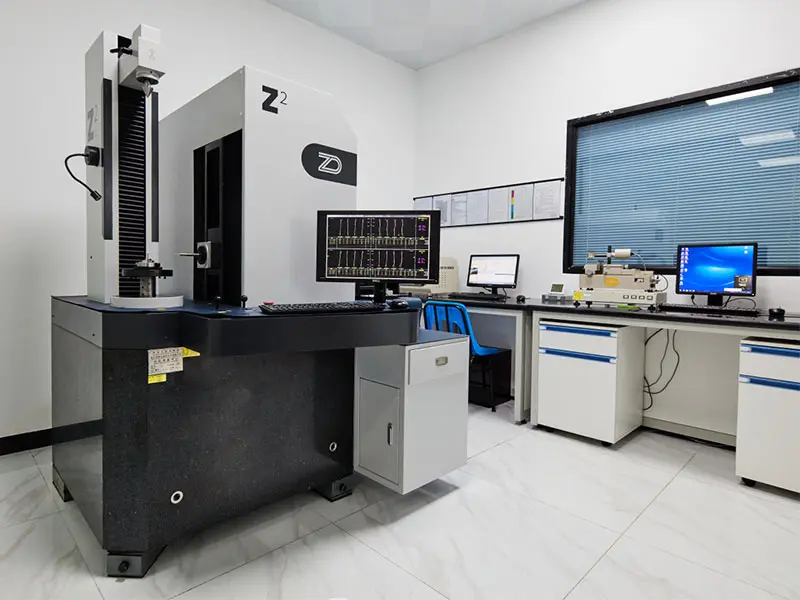
INEED Motors is equipped with various precision machining and quality testing equipment. We have established a comprehensive inspection process, covering material selection, production process monitoring, product testing, and other aspects. We have also established a perfect after-sales service system to respond to customer inquiries and needs promptly, rather than go away after delivery.
| Application | Typical requirements (summary) | Quote inputs (summary) |
|---|---|---|
| Diagnostic Analyzers (Medical) | Low vibration + stable torque + compact + high reliability (encoder optional) | rpm, torque, duty cycle, temperature, space |
| Smart Locks (Home/Security) | High torque + low noise + controlled speed + high efficiency (custom integration) | load torque, actuation time, voltage range, space, noise target |
| Automatic Window Openers (Home/Building) | Torque margin + smooth speed + low noise + durable cycles (easy mounting) | force/torque, mechanism, speed, cycles/day, space |

You need our support, and we are ready to provide assistance.
Struggling with DC motor complexities? We specialize in custom small gear motor and micro DC motor, offering expert solutions to simplify design, manufacturing, and delivery. Let’s work together to make it easier for you.
Contact us today!
A planetary gear motor replicates the motion of a planetary system, with the input shaft causing the central gear (the sun gear) to rotate, and this in turn drives the planet gears surrounding it. The planetary gear motor is utilized in a diverse array of applications and is able to increase or decrease the speed through the planetary gears.
They contain three or more planetary gears per stage, which allows for more tooth contact between them, and the torque load is evenly distributed among the multiple planetary gears. The more planetary gears there are, the more load they share. Delivers large torque and smooth speed transfer in transmission (always with a good gear engagement.
No, a planetary gearbox does not increase power. Rather, it reduces speed and increases torque. Although there are occasionally gearboxes that can increase speed while decreasing torque, they are rare and most gearboxes are used to lower the speed of a motor while increasing its torque.
A gear train to increase torque or reduce speed. Gears increase torque by multiplying the input torque. For example, when two gears mesh together, one will turn clockwise and the other will turn in the opposite direction. The output torque is equal to the input torque times the ratio of the two gears.
The following two steps are used to calculate the output speed of the gearbox:
First, figure out the number of teeth on the input gear and output gear respectively, and then divide the number of teeth on the output gear by the number of teeth on the input gear to calculate the gear ratio.
Second, get the input speed. This is usually measured in revolutions per minute (RPM). Multiply the input speed by the gear ratio to calculate the output speed (RPM).
Planetary gear motors are used in a variety of applications, including robotics, home appliances, medical equipment, and industrial machinery. And other application where precision, high power density, and efficiency are needed.
Download and view the full series catalog for free
You need our support, and we are ready to provide assistance.
Motor products pose complexities in understanding, specifying, and integrating, with no industry standards. We offer expertise to mitigate design, manufacturing, and supply risks.
Contact our team now.
You need our support, and we are ready to provide assistance.