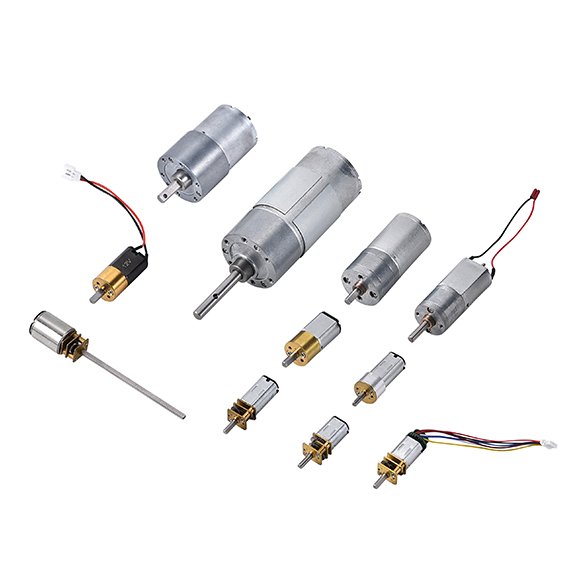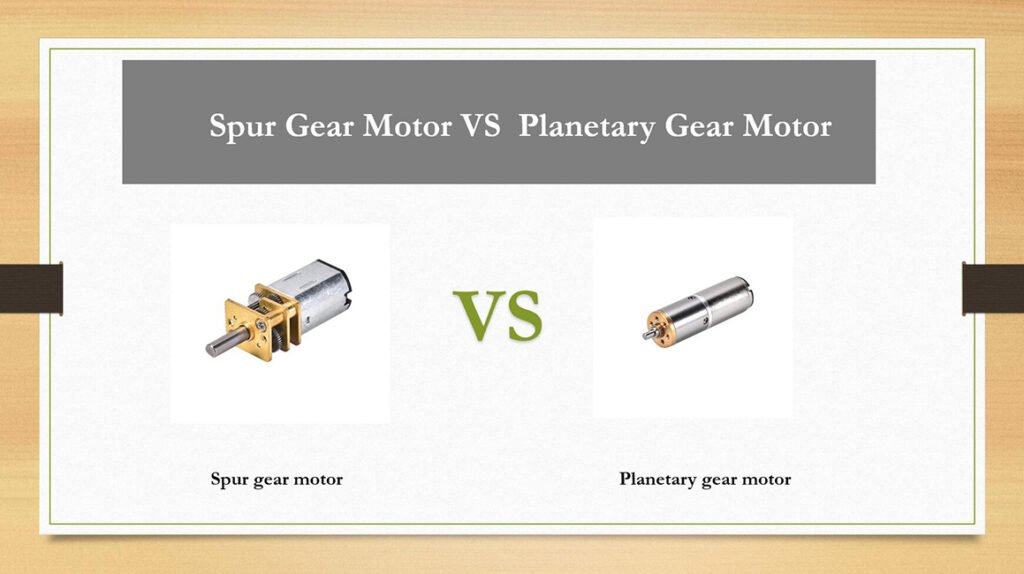
You want to know the main difference in the spur vs planetary gear motor debate. Spur gear motors use simple, straight gears to transfer motion, making them cost-effective for tasks that need lower torque. Planetary gear motors use a system of multiple gears that rotate around a central gear, giving you higher torque in a compact design. If you need high torque and precision, planetary gear motors work best. For cost-effective and reliable solutions, spur gear motors suit many common scenarios. INEED stands out as a trusted manufacturer that offers both types of gear motors with customization options, ensuring you get the right gear solution for your project.
Key Takeaways
Spur gear motors are cost-effective and simple, making them ideal for low torque and low speed applications.
Planetary gear motors provide higher torque and efficiency, making them suitable for demanding tasks in compact spaces.
Customization options from manufacturers like INEED allow you to tailor gear motors to specific project needs, enhancing performance.
Consider noise levels when choosing a gear motor; planetary gear motors operate quieter due to their design, while spur gear motors can be louder.
Evaluate your project’s torque, space, and cost requirements to select the right gear motor for optimal performance.
Spur Gear Motors Overview
INEED Spur Gear Motor Design
You want a gear solution that is simple, reliable, and easy to customize. Spur gear motors from INEED give you exactly that. These motors use straight gears that mesh together on parallel shafts. This design keeps the gear motor compact and efficient. You can choose from different frame types, such as open-frame, closed-frame, offset, and foldback. The gear materials include steel or brass, which means you get durability and smooth operation.
If you need a specific size or function, INEED offers many customization options. For example, you can select the diameter, voltage, output speed, and even add encoders for precise control. In the medical device industry, you can pick from models like:
N20 Micro Gear Motor (2.5V DC-12V DC)
IND-37GM3530 (37mm diameter, 30.8mm body length)
IND-42GMP775 (42mm diameter, 66mm body length)
This flexibility lets you match the gear motor to your exact needs.
Key Features and Applications
Spur gear motors stand out because they deliver consistent performance in many situations. You get high efficiency, with power transmission rates between 95% and 99%. The simple gear structure means you can install and maintain these motors with ease. They work best in applications that need low speed and low torque, but where reliability is important.
Here is a quick look at how spur gear motors perform in robotics:
Feature | Spur Gear Motors |
|---|---|
Torque Output | Lower torque; limited by single contact points |
Efficiency | Lower efficiency at high speeds |
Load Capacity | Limited load capacity |
Noise Level | Higher noise at high speeds |
Typical Applications | Low speed, low torque applications |
Durability | Less durable under high load and speed |
Size Considerations | Generally shorter and wider |
You will find spur gear motors in smart locks, robotics, medical devices, and consumer electronics. For example, in smart locks, the gear motor provides precise movement for locking and unlocking. In medical devices, you can rely on the gear motor for stable and accurate operation. Robotics projects benefit from the easy integration and reliable gear performance.
If you want a gear motor that is cost-effective, easy to customize, and dependable, spur gear motors from INEED are a smart choice.
Planetary Gear Motors Overview

INEED Planetary Gear Motor Design
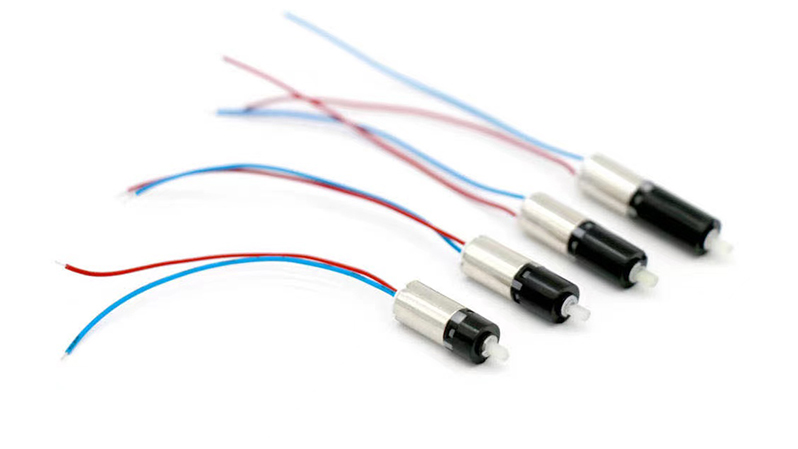
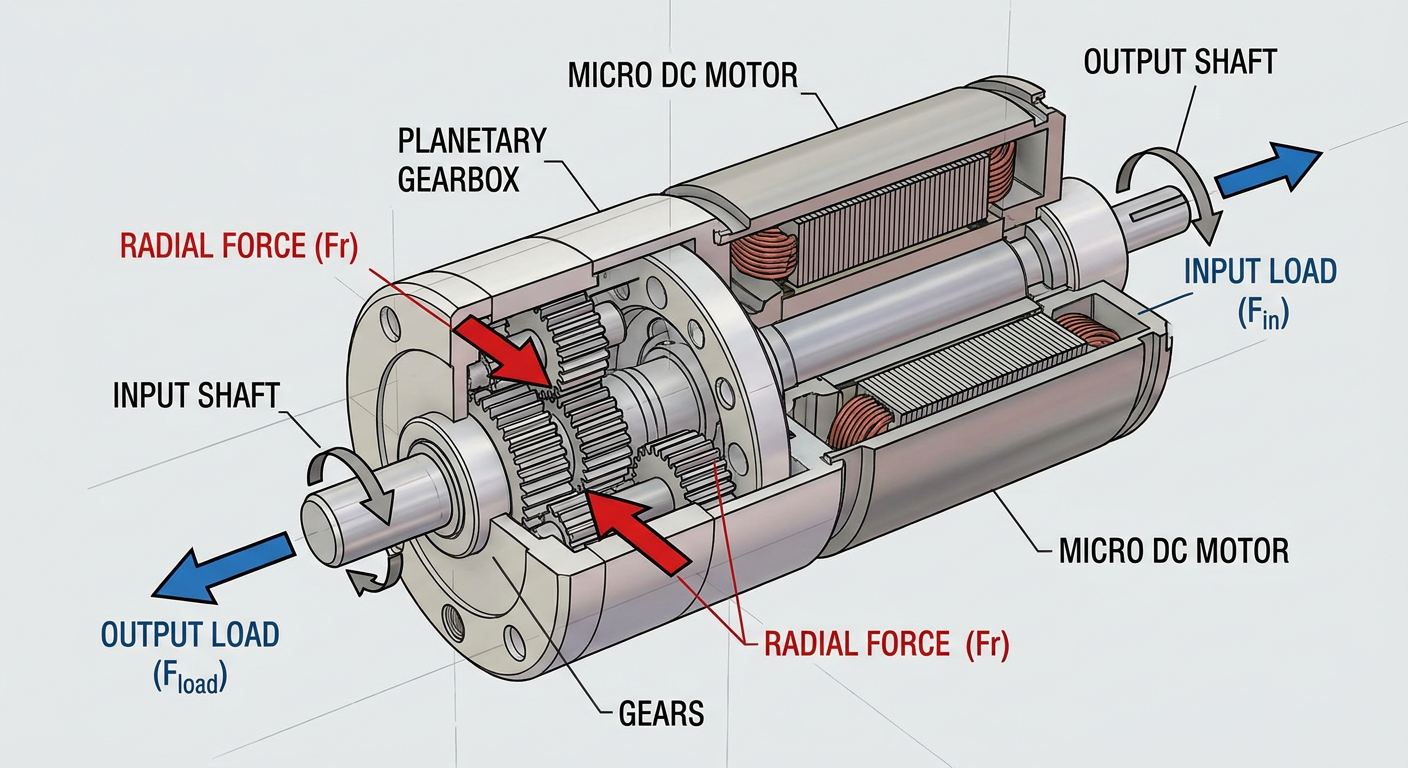
You want a gear motor that delivers high torque and fits into tight spaces. Planetary gear motors from INEED give you that advantage. The design uses a central sun gear surrounded by several planetary gears. These gears rotate around the sun gear inside a ring gear. This structure lets the gear motor distribute force across multiple contact points. You get a motor that handles higher loads and works efficiently in high torque situations.
The compact design of planetary gear motors means you can use them where space is limited. The enclosed cylindrical shape protects the gears and keeps the motor running smoothly. You can choose from different diameters, voltages, and gear ratios. INEED lets you customize the output shaft, add encoders, or select materials like steel, brass, or plastic for the gears. This flexibility helps you match the gear motor to your exact needs.
Tip: Planetary gear motors work best when you need high torque and durability in a small package.
Structural Advantages of Planetary Gear Motors
The sun gear drives multiple planetary gears, spreading the load evenly.
You get higher efficiency and durability because the stress is shared.
Planetary gear motors handle higher loads than spur gear motors.
The design supports high RPM and high torque applications.
Features and Application Scenarios
You need a gear motor that performs well in tough environments. Planetary gear motors excel in demanding tasks because they combine strength, precision, and reliability. The gears inside the motor reduce wear and keep noise low. You can rely on these motors for smooth operation and long life.
Here are some common uses for planetary gear motors in high torque settings:
Industrial robotics use planetary gear motors for strong and accurate movement.
Conveyor systems depend on these gear motors for moving heavy items smoothly.
Wind turbines use planetary gear motors to adjust blade angles for better energy capture.
Elevators and escalators rely on planetary gear motors to lift and move heavy loads.
You should choose planetary gear motors when you need a compact, powerful, and versatile solution. The advanced gear design gives you the performance and reliability needed for industrial, commercial, and even home applications.
Spur vs Planetary Gear Motor Comparison
Design and Construction
When you compare spur vs planetary gear motor designs, you notice clear differences in how each gear motor operates. Spur gear motors use straight gears on parallel shafts. This simple arrangement makes them easy to manufacture and maintain. You get longer replacement intervals because the bearing setup is straightforward. The open layout helps with heat dissipation, so the motor stays cool during operation.
Planetary gear motors use a more complex system. The sun gear sits in the center, surrounded by multiple planet gears inside a ring gear. This design requires precise coordination between all gear elements. Bearings in planetary gear motors handle radial loads as the planet gears rotate continuously. The compact housing increases heat density, so you need to pay attention to thermal management. Lubrication is more advanced, with oil or grease retention needed at higher speeds. The gear teeth in planetary gear motors are usually harder, which helps them last longer under heavy use.
Here is a table that highlights the main design differences:
Design Aspect | Spur Gear Motors | Planetary Gear Motors |
|---|---|---|
Gear Arrangement | Straightforward mating cylindrical wheels on parallel axes. | Precise internal gear coordination between sun, planet, and ring elements. |
Bearing Arrangements | Simpler configurations with longer replacement intervals. | Radial loads on planet gear bearings that rotate continuously. |
Thermal Characteristics | Open layouts provide better heat dissipation. | Compact housings create higher heat density affecting performance. |
Lubrication Strategies | Simpler lubrication methods and easier contamination monitoring. | Needs oil or grease retention at speed with multiple mesh points. |
Noise and Vibration Patterns | Creates single-frequency tones that can resonate. | Generates multiple mesh frequencies that often cancel out, resulting in quieter operation. |
Manufacturing Precision | Can use standard materials for many applications. | Typically needs harder gear teeth due to multiple contact cycles. |
You find both gear motor types use steel, brass, and nickel-steel for their gears. Steel gears offer high durability, which is important for torque-heavy tasks. Nickel-steel gears retain lubricant better, increasing longevity. Planetary gear motors excel at keeping lubrication, so they work well at high speed. Spur gear motors may lose lubrication at high speed, which affects performance.
Efficiency and Performance
You want to know which gear motor gives you better efficiency. Both spur gear motors and planetary gear motors perform well, but planetary gear motors have a slight edge in demanding applications. Spur gear motors reach efficiency levels between 94% and 98%. Planetary gear motors operate at 95% to 98% efficiency. The difference is small, but planetary gear motors maintain high efficiency even when you push them to higher torque and speed.
Here is a quick comparison:
Gear Type | Efficiency Range |
|---|---|
Spur | 94-98% |
Planetary | 95-98% |
You get reliable performance from both types. Spur gear motors work best in low torque, low speed settings. Planetary gear motors shine in high speed, high torque environments. The advanced gear arrangement in planetary gear motors allows for smoother operation and less energy loss.
Torque and Load Capacity
Torque is a key factor in the spur vs planetary gear motor debate. Spur gear motors provide consistent output torque for light to moderate loads. The simple gear design limits their maximum torque. You use spur gear motors for tasks that do not require high torque.
Planetary gear motors deliver much higher torque. The load spreads across multiple planet gears, so you get better output torque and higher load capacity. This makes planetary gear motors ideal for heavy-duty applications.
Here is a table comparing performance metrics:
Feature | Spur Gear Motors | Planetary Gear Motors |
|---|---|---|
Torque and Speed | Less effective in high torque applications | More effective in high speed, high torque applications |
Load Capacity | Limited load capacity due to simpler design | Higher load capacity due to multiple contact points |
Noise at High Speed | Produces noise without proper lubrication | Generally quieter due to better lubrication retention |
Gear Reduction Ratios | Can handle higher loads with multiple stages | Effective in high gear reduction ratios |
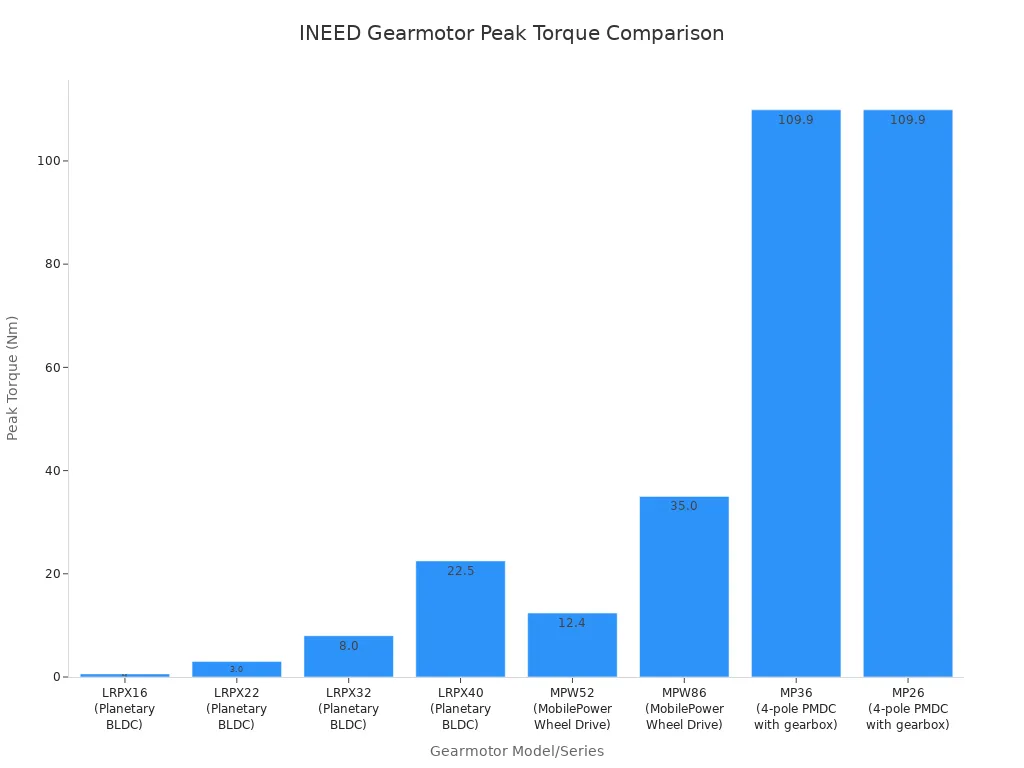
You see the difference in torque capacity when you look at INEED gear motor models. Planetary gear motors like the LRPX40 reach peak torque of 22.5 Nm, while models like MP36 and MP26 go up to 109.9 Nm for industrial traction. Spur gear motors handle lower torque, making them suitable for precise positioning and light-duty tasks.
You should choose planetary gear motors when you need high output torque and load capacity. Spur gear motors work well for applications where torque demands are lower.
Size, Weight, and Noise
You want a gear motor that fits your space and noise requirements. Spur gear motors have a simple structure, so they are often shorter and wider. This makes them easy to install in devices with limited depth. Planetary gear motors use a cylindrical, compact design. You get more torque in a smaller package, which is perfect for tight spaces.
Noise is another important factor. Spur gear motors tend to be louder, especially at high speed. The gear material and design affect noise levels. Planetary gear motors run quieter because the multiple gear mesh points cancel out vibrations. You get smoother and quieter operation, which is important in environments where noise matters.
Spur gear motors: Generally louder, especially at high speed.
Planetary gear motors: Quieter and more efficient.
Cost and Maintenance
Cost plays a big role in your decision. Spur gear motors are more cost-effective because of their simple design and easy manufacturing. You spend less on initial purchase and maintenance. The straightforward construction means you can replace parts and perform routine checks with minimal effort.
Planetary gear motors cost more due to their complex design and higher manufacturing precision. You get longer service life and less frequent maintenance, especially in high torque applications. The advanced lubrication system reduces wear, so you save on long-term maintenance costs.
Tip: Choose spur gear motors for budget-friendly projects with moderate torque needs. Select planetary gear motors when you need high torque, compact size, and quiet operation.
Choosing the Right DC Planetary Gear Motor or Spur Gear Motor
Application-Based Selection
When you select a gear motor for your project, you need to match the motor’s strengths to your application’s requirements. The choice between a dc planetary gear motor and a spur gear motor depends on several important factors. Each type of gear offers unique advantages that suit different scenarios.
Consider these key points when making your decision:
Torque Needs: If your application requires high torque, such as lifting or moving heavy loads, a dc planetary gear motor is the better choice. The design of the planetary gear system allows it to deliver more torque in a smaller package.
Space Constraints: When you work with limited space, the compact size of a dc planetary gear motor gives you an advantage. The cylindrical shape fits easily into tight spaces, making it ideal for robotics and medical devices.
Durability: For projects that demand long-lasting performance, a dc planetary gear motor provides greater durability. The load spreads across multiple gears, reducing wear and extending the motor’s life.
Cost Considerations: If you need a cost-effective solution, a spur gear motor offers simplicity and lower initial investment. The straightforward design makes it easy to maintain and replace.
Noise Levels: In environments where quiet operation matters, such as medical equipment or laboratory automation, a dc planetary gear motor runs more quietly due to its advanced gear arrangement.
Wear and Longevity: Spur gear motors may wear out faster under heavy loads. For light-duty or intermittent use, they remain a practical and affordable option.
Tip: Always evaluate your project’s torque, space, and noise requirements before choosing a gear motor. The right choice ensures reliable performance and long-term value.
You can see how these factors play out in real-world applications. For example, in robotics, you often need high torque and compact size. A dc planetary gear motor meets these needs by providing strong output in a small form. In contrast, if you build a device where cost and simplicity matter more than torque, a spur gear motor is a smart pick.
Here is a quick comparison for medical device applications:
Feature | Planetary Gear Motors | Spur Gear Motors |
|---|---|---|
Size | Compact size suitable for restricted spaces | Larger size, less suitable for compact applications |
Efficiency | Higher efficiency | Lower efficiency |
Load Capacity | Can handle higher load capacities | Limited load capacity |
Motion | Provides smooth, precise motion | May not provide the same precision |
You will find dc planetary gear motors in medical pumps, surgical tools, and diagnostic equipment that require smooth and precise motion. Spur gear motors work well in less demanding roles where space and precision are not as critical.
For high-precision tasks, such as automated laboratory equipment, small robotic arms, or precision dosing pumps, you should consider a dc planetary gear motor. The advanced gear system ensures accurate positioning and quiet operation, which is essential in sensitive environments.
INEED Custom Solutions
You may have unique requirements that standard gear motors cannot meet. INEED specializes in providing custom solutions for both dc planetary gear motor and spur gear motor applications. The company’s expertise ensures you get a motor that fits your exact needs.
INEED offers a wide range of customization options:
Customization Options | Description |
|---|---|
Output Shaft Design | Options include round shaft, D-shaft, or others. |
Gear Ratio | Customizable gear ratios from 5:1 to 1000:1. |
Output Speed | Range from 5 rpm to 5000 rpm based on application needs. |
Stall Torque | Optimal torque from 5.0g.cm to 50.0kg.cm. |
Connectors | Specific connectors can be added as per requirements. |
Encoders | Custom encoders can be specified regarding type and resolution. |
You can follow a simple process to get your custom gear motor:
Tell INEED what you need for your application.
Receive a tailored solution and a quote.
Approve sample production and move to mass production.
Note: INEED’s engineering team works closely with you at every step. You get technical support, risk management, and quality control to ensure your gear motor performs as expected.
INEED’s experience covers many industries, including telecommunications, robotics, healthcare, and consumer electronics. The company’s commitment to quality and customization means you receive a dc planetary gear motor or spur gear motor that matches your project’s demands. You can request features like specific output shafts, gear ratios, or encoders to achieve the performance you need.
If you need a gear motor for a smart lock, INEED can design a spur gear motor with a high-resolution encoder for precise positioning. For industrial automation, you can choose a dc planetary gear motor with a custom gear ratio and torque rating to handle heavy loads.
You benefit from INEED’s in-house quality control, fast sample delivery, and ongoing support. The company’s expertise ensures your gear motor solution is reliable, efficient, and tailored to your application.
You see clear differences between spur and planetary gear motors. Spur gear motors offer simple construction and cost-effectiveness for low speed tasks. Planetary gear motors provide higher torque and efficiency for demanding applications. INEED uses high-quality materials and smart designs to deliver reliable solutions.
Feature | Spur Gear Motors | Planetary Gear Motors |
|---|---|---|
Best Use | Low speed, light loads | High torque, heavy loads |
Efficiency | Good with right ratios | Higher overall |
You should choose spur gear motors for simple, budget-friendly projects. Select planetary gear motors for high-performance needs. Contact INEED for a custom solution and get a quote within 24 hours.
FAQ
Why should you choose a spur gear motor for cost-sensitive projects?
You should choose a spur gear motor because its simple design lowers manufacturing costs. You save money on both purchase and maintenance. Spur gear motors work well when your project does not need high torque or advanced features.
Why do planetary gear motors deliver higher torque?
Planetary gear motors use multiple gears to share the load. This design increases contact points and distributes force evenly. You get higher torque output in a compact size, which is ideal for demanding applications.
Why does noise matter when selecting a gear motor?
Noise affects user experience and device performance. You should consider planetary gear motors for quieter operation. Their design cancels out vibrations. Spur gear motors may produce more noise, especially at high speeds.
Why is customization important for your application?
Customization lets you match the gear motor to your exact needs. You can select shaft type, gear ratio, and encoder options. INEED offers tailored solutions, so your motor fits perfectly and performs reliably in your specific project.