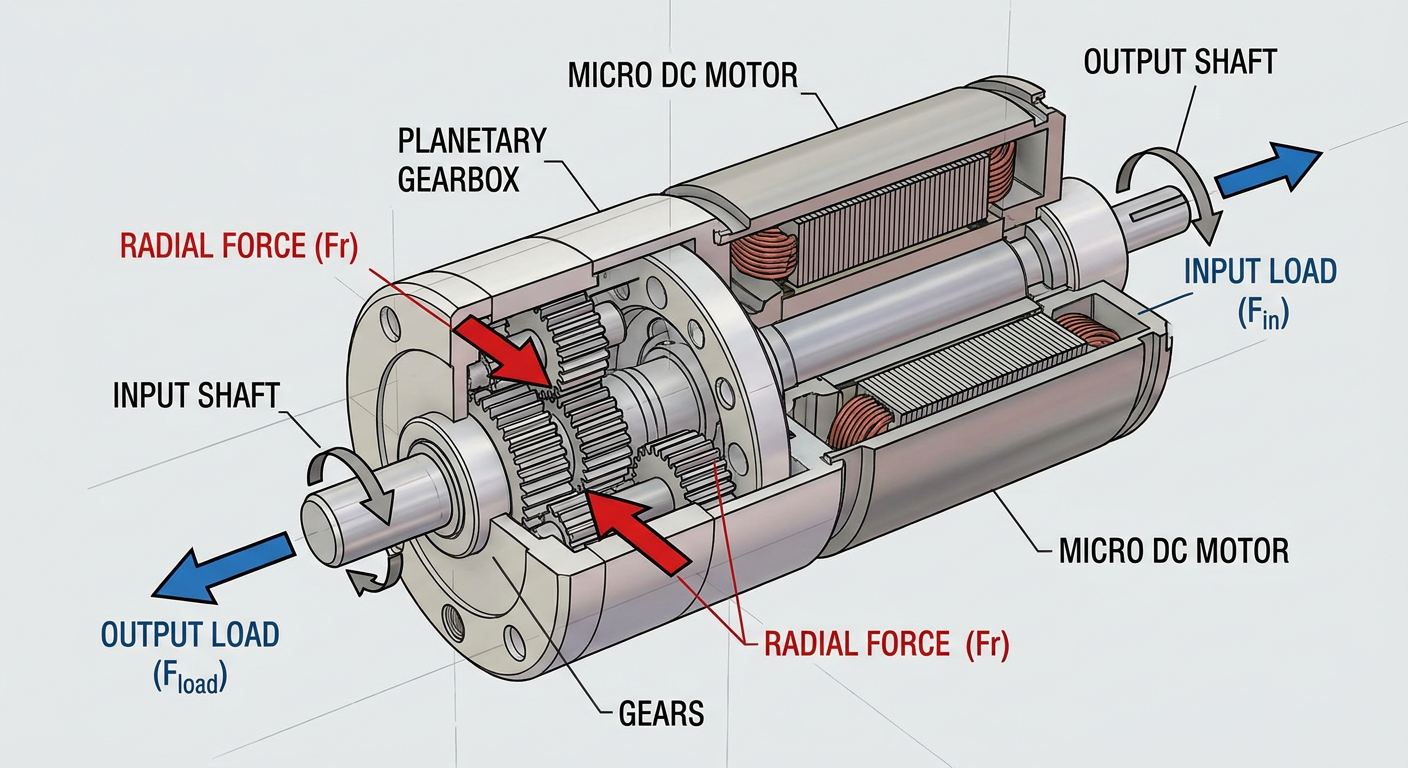
To maintain planetary gear motor performance and prolong the lifespan, you need to focus on regular inspection, proper lubrication, environmental control, correct operation, and timely repairs. When you maintain planetary gear motor units from INEED, you benefit from:
Achieving long-term reliability with routine inspections and cleaning.
Improving efficiency by lubricating moving parts and checking alignment.
Avoiding costly issues with scheduled upgrades.
INEED’s strict quality control and customization options help you increase the lifespan of your gear motor. If you are new to planetary gear motors, these devices use gears to boost torque and deliver precise motion in compact spaces. By following regular maintenance steps, you can maintain planetary gear motor longevity and reduce costs.
Key Takeaways
Regularly inspect your planetary gear motor to catch issues early and prevent costly repairs.
Use the correct lubricant and follow a consistent lubrication schedule to ensure smooth operation and extend lifespan.
Maintain a clean environment around the gearbox to prevent contamination and protect internal components.
Act quickly to replace worn parts to avoid bigger problems and keep your gear motor running efficiently.
Consult with experts for complex issues to ensure proper repairs and maintain high performance.
Maintain INEED Planetary Gear Motor with Regular Inspection
Regular inspection is the foundation of preventive maintenance for planetary gearboxes. When you regularly inspect the gearbox, you catch problems early and keep your gear motor running smoothly. INEED recommends following a strict inspection routine, just like their own quality control process. This approach helps you maintain planetary gearbox performance and avoid unexpected breakdowns.
Tip: Preventive maintenance saves you time and money by stopping small issues before they become big failures.
INEED’s inspection process sets a high standard for reliability. You can use their approach as a model for your own maintenance routine:
Quality Metric | Value |
|---|---|
DPPM defective rate | ≤200 |
Customer satisfaction | ≥98% |
First Acceptance Yield (PQC→OQC) | ≥98% |
Finished Products (OQC) | 100% inspection |
By following a similar process, you ensure your planetary gearboxes stay in top condition.
Visual Checks for Damage
Start each periodical check with a careful visual inspection. Look for signs of wear or damage on the gearbox housing, output shaft, and mounting points. If you see oil leaks, cracks, or loose parts, take action right away. These signs of wear or damage often point to deeper problems inside the planetary gearboxes. Early detection helps you avoid costly repairs and keeps your equipment safe.
Check Gears & Bearings
Open the gearbox if possible and inspect the planetary gears and bearings. Check for chipped teeth, pitting, or unusual wear patterns. Spin the gears by hand to feel for roughness or resistance. Bearings should turn smoothly without noise or play. A periodical check of these parts is a key step in preventive maintenance. If you find any issues, replace the affected components before they cause more damage.
Aspect of Inspection | Benefit |
|---|---|
Regular Checks for Wear and Tear | Prevents minor issues from escalating into catastrophic failures. |
Identifying Potential Issues Early | Minimizes downtime and reduces repair costs significantly. |
You protect your planetary gearboxes and extend their life by checking these parts regularly.
Tighten Fasteners
Loose bolts and screws can lead to misalignment and vibration in the gearbox. During every periodical check, use the correct tools to tighten all fasteners on the planetary gearboxes. Pay special attention to the mounting bolts and the screws that hold the gearbox together. This simple step is a core part of preventive maintenance and helps you maintain planetary gearbox stability.
When you follow these inspection steps, you build a strong preventive maintenance routine. You reduce the risk of sudden failures and keep your gear motor working at its best. Make regular inspection a habit to get the most out of your planetary gearboxes.
Change the Lubricant Oil Regularly for Gearbox Longevity
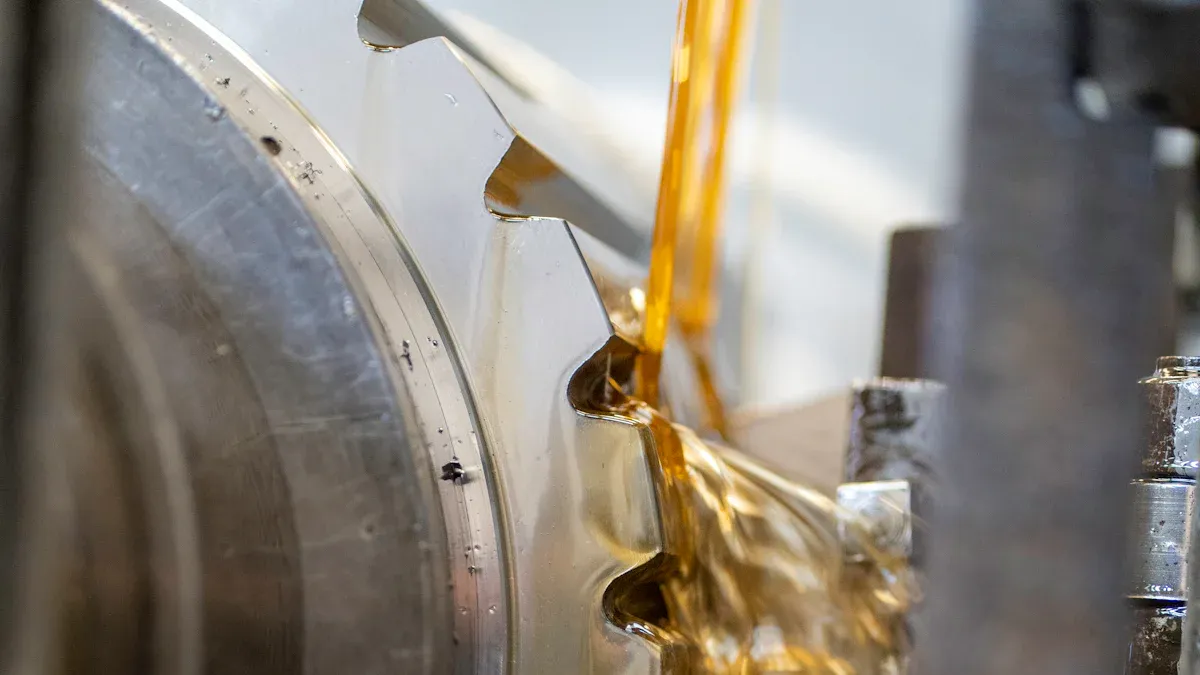
Keeping your planetary gearbox properly lubricated is one of the most effective ways to extend its operational life. When you change the lubricant oil regularly, you protect the moving parts inside your gear motor and help it run smoothly for years. INEED recommends a proactive approach to lubrication as a key part of your maintenance routine.
Select the Right Lubricant for INEED Gear Motors
You should always select the lubricant that matches INEED’s technical recommendations. Check the manufacturer’s manual and the technical data sheet for details like viscosity and density. Using the correct lubricant ensures that your gearbox operates efficiently and avoids unnecessary wear. If you use the wrong oil, you risk damaging the gears and bearings inside your gear motor.
Tip: Always store lubricants in a clean, dry place. Contaminated oil can introduce particles that damage your gearbox.
Lubrication Schedule and Intervals
You need to regularly lubricate the gearbox to keep it running at peak performance. INEED suggests following a set schedule for oil changes, but also recommends monitoring the actual condition of the lubricant. Oil analysis can help you decide if you need to change the oil sooner or later than the standard interval. This approach prevents both over-lubrication and under-lubrication.
Here is a simple table to help you track your lubrication schedule:
Task | Frequency | Notes |
|---|---|---|
Check oil level | Monthly | Top up if needed |
Inspect oil condition | Every 3 months | Look for discoloration or particles |
Change lubricant oil | Every 6-12 months | Adjust based on usage and oil analysis |
If you operate your gear motor in harsh environments or under heavy loads, you may need to change the lubricant oil more often.
Follow Manufacturer Guidelines
INEED provides clear guidelines for maintaining a properly lubricated gearbox. Always follow the instructions in the manufacturer’s manual. Pay attention to the recommended oil type, change intervals, and inspection procedures. INEED also advises using oil analysis to determine the best time for an oil change, rather than relying only on a fixed schedule. This method helps you avoid unnecessary maintenance and ensures your gearbox stays in top condition.
Proper lubrication offers several important benefits:
It minimizes friction between moving parts, which reduces wear and extends the lifespan of gearbox components.
It helps dissipate heat generated during operation, preventing overheating and maintaining optimal temperatures.
Lubrication acts as a barrier against moisture and contaminants, preventing corrosion and ensuring the integrity of gearbox materials.
Lubricated gearboxes operate more efficiently due to reduced frictional losses, leading to lower energy consumption and operational costs.
Proper lubrication ensures smooth operation by reducing vibrations and noise, which is crucial in precision applications.
When you keep your gearbox properly lubricated, you reduce the risk of breakdowns and costly repairs. Make lubrication a regular part of your maintenance plan to get the most out of your INEED planetary gear motor.
Maintain Planetary Gearbox Environment and Operation
You need to pay close attention to the environment and operation of your planetary gearbox. INEED recommends following strict operating recommendations to keep your gear motor running at its best. Environmental factors can have a big impact on gearbox performance and lifespan. You should always check the technical datasheet and choose the right protection level for your application.
Environmental Factor | Impact on Performance |
|---|---|
Temperature | Affects lubricant viscosity and material expansion, leading to potential overheating and wear. |
Humidity | Can cause corrosion and contamination, compromising gearbox integrity. |
Contaminants | Dirt and moisture can lead to abrasion and corrosion, resulting in premature failure. |
Load Conditions | Excessive load can lead to overheating and wear, affecting efficiency and longevity. |
Keep Area Clean and Dry
You should always keep the area around your gearbox clean and dry. Regular cleaning helps prevent dust, oil stains, and debris from entering the gearbox. You need to clean and maintain the machine and its surroundings to reduce the risk of contamination. Make sure to check the integrity of seals, such as oil seals and sealing rings, to avoid leaks and protect internal parts from water and dust. If you see any buildup, remove it right away. This simple step can prevent many common problems.
Tip: Regular cleaning of the gearbox exterior and work area helps you avoid long-term damage and keeps your equipment reliable.
Prevent Contamination
Contamination is a leading cause of gearbox failure. You can prevent this by following a few key steps:
Maintain a clean environment around the gearbox.
Use the correct lubricant and avoid mixing different types.
Train your team on proper maintenance practices.
Store lubricants in a clean, dry, temperature-controlled place.
Inspect oil levels often and fix leaks quickly.
Change oil on schedule to remove contaminants.
You should also perform regular oil analysis to catch problems early. These actions help you avoid overloading the gearbox and keep it running smoothly.
Monitor Temperature, Noise, and Vibration
You need to monitor temperature, noise, and vibration during operation. High temperatures can break down lubricants and cause extra wear. If you notice unusual noise or vibration, check for misalignment or worn parts. Proper alignment ensures even load distribution and reduces the risk of damage. Managing these factors is important for sensitive applications, such as robotics or medical devices. Always follow INEED’s operating recommendations for best results.
Climate Type | Key Challenges | Solutions |
|---|---|---|
Hot | Overheating, lubricant breakdown, material expansion | Enhanced cooling, high-temp lubricants, material selection |
Cold | Increased viscosity, brittle materials, condensation | Low-temp lubricants, preheating, sealing and insulation |
Humid | Corrosion, contamination | Improved sealing, corrosion-resistant materials |
You can extend the life of your gearbox by keeping the environment controlled and following proper maintenance steps.
Increase the Life of Industrial Gearboxes with Timely Repairs
Timely repairs play a crucial role in preventing malfunctions and keeping your gearbox running efficiently. When you act quickly, you avoid bigger problems and reduce downtime. You also save money by preventing costly replacements. INEED recommends a proactive approach to maintenance, which helps you increase the life of industrial gearboxes and keep your gear motor in top condition.
Replace Worn Components Promptly
You should inspect your gearbox regularly and replace worn parts as soon as you notice any issues. Some components wear out faster than others due to heat, pressure, and continuous use. If you ignore these signs, malfunctions can develop and lead to more serious damage.
Common parts that need prompt replacement include:
Bearings: These often wear out from high speeds and temperatures. Replace them quickly to prevent further damage.
Gears: Worn or broken gears can cause malfunctions and reduce power transmission. Change them immediately if you see any cracks or chips.
Oil seals: These prevent oil leaks. If they fail, your gearbox can lose lubrication and suffer from increased friction.
Tip: Replacing these parts early helps you avoid low efficiency, extra noise, and unexpected malfunctions.
If you hear abnormal noises or feel unusual vibrations, stop the machine and check for problems. Small cracks or worn teeth can quickly turn into major failures if left unchecked. Regular maintenance and quick action keep your gearbox reliable.
Consult INEED Experts for Support
When you face complex malfunctions or need help with troubleshooting, reach out to INEED’s technical support team. Their experts can guide you through repairs and help you find the right replacement parts. INEED’s quality assurance process ensures that every component meets strict standards, so you can trust the repairs will last.
You can also use advanced monitoring systems to track the condition of your gearbox. These systems measure vibration and temperature, helping you spot problems early. Early detection allows you to schedule repairs before malfunctions cause major damage.
Note: The cost of regular maintenance and timely repairs is much lower than replacing an entire gearbox. Acting fast protects your investment and keeps your operations running smoothly.
By following these steps and consulting with INEED experts, you can prevent malfunctions, reduce downtime, and extend the life of your industrial gearboxes.
You can extend the lifespan and reliability of your gear motor by following these steps:
Inspect the gearbox for wear or damage.
Lubricate gears and bearings as recommended.
Avoid overloading and keep the area clean.
A regular maintenance routine leads to improved performance and reduced costs. The table below shows the long-term benefits:
Benefit | Description |
|---|---|
Extended lifespan | Early detection of issues increases service life. |
Reduced breakdowns | Fewer unexpected failures. |
Improved performance | Consistent power output. |
Start your maintenance plan today for lasting results.
FAQ
How often should you inspect a planetary gear motor?
You should inspect your gear motor every month. Look for signs of wear, leaks, or loose parts. Early checks help you catch problems before they grow.
What is the best way to store spare gear motors?
Store spare gear motors in a clean, dry place. Keep them in their original packaging. Avoid areas with high humidity or dust.
Can you perform maintenance without special tools?
Yes, you can do basic maintenance with standard hand tools. Use a wrench, screwdriver, and cleaning cloth. For complex repairs, contact a professional.
How do you know when to replace lubricant oil?
Check the oil every three months. If you see discoloration, particles, or a bad smell, change the oil. Follow the schedule in your manual.
What should you do if your gear motor makes unusual noise?
Stop the machine.
Inspect for loose bolts or worn gears.
Contact INEED support if the noise continues.