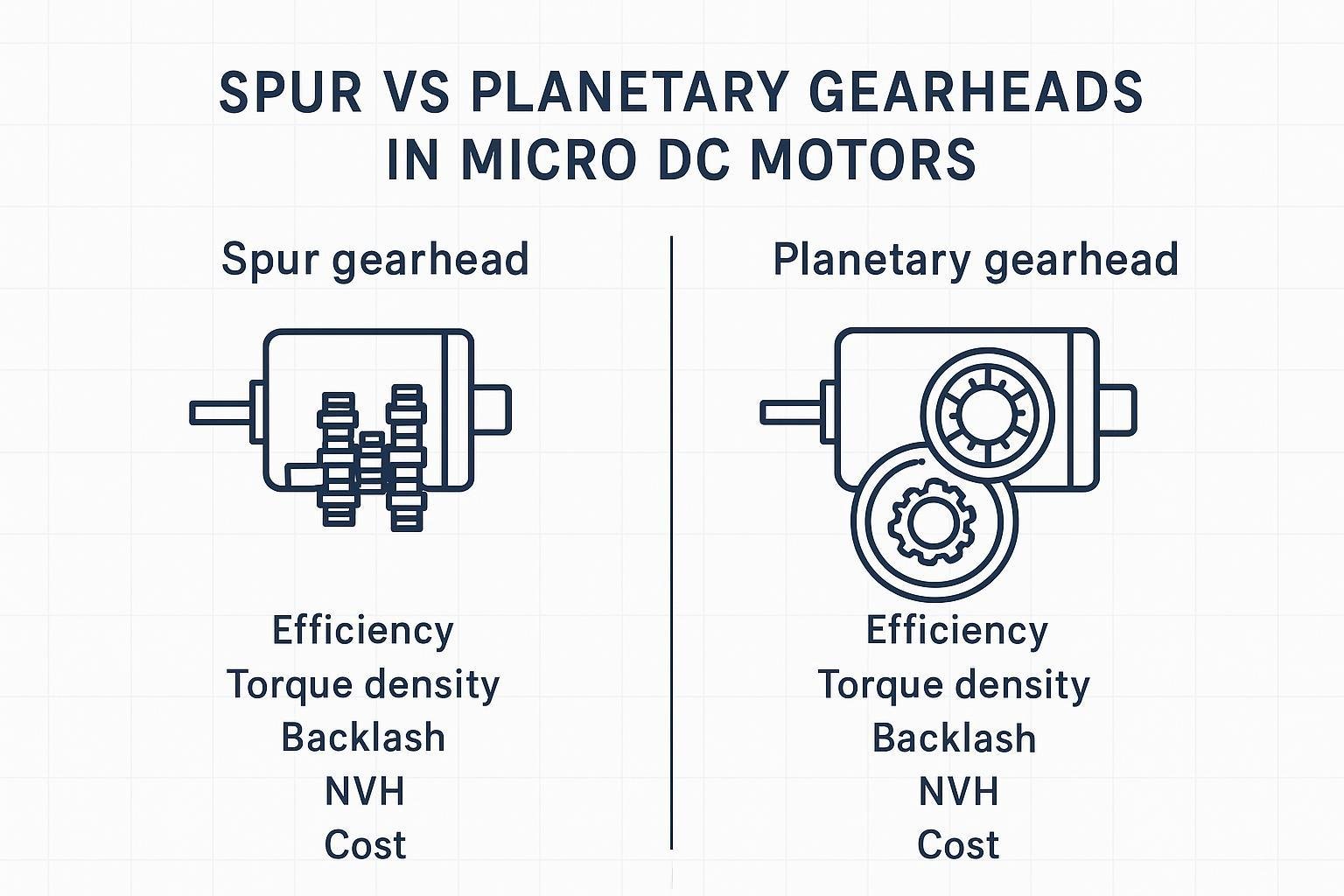
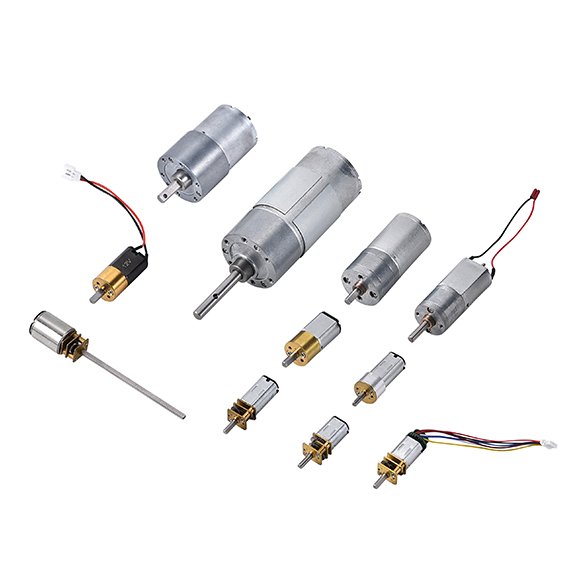
You should specify reinforced housings for spur gearboxes when your application demands extra durability or faces heavy loads. Choosing the right housing keeps your gearbox safe from damage and ensures reliable operation. If you under-specify reinforced housings, you risk early failure and costly repairs. Over-specifying reinforced housings can waste resources and increase expenses. Knowing how to choose the right spur gear housing helps you balance performance and cost. Many buyers use standard spur gear housing for basic needs, but you must specify reinforced housings for challenging environments. Always check the housing requirements before making your decision.
Key Takeaways
Specify reinforced housings for spur gearboxes in heavy-duty or high-torque applications to prevent early failure.
Consider load and overhung force when selecting housing; exceeding capacity can lead to gear damage.
Choose materials like stainless steel or carbon steel for durability and protection against harsh environments.
Ensure proper installation and alignment of gearboxes to avoid uneven wear and extend lifespan.
Consult with experts for custom housing solutions to match your specific application needs.
Key Factors to Specify Reinforced Gearbox Housings
Load and Overhung Force in Spur Gear Applications
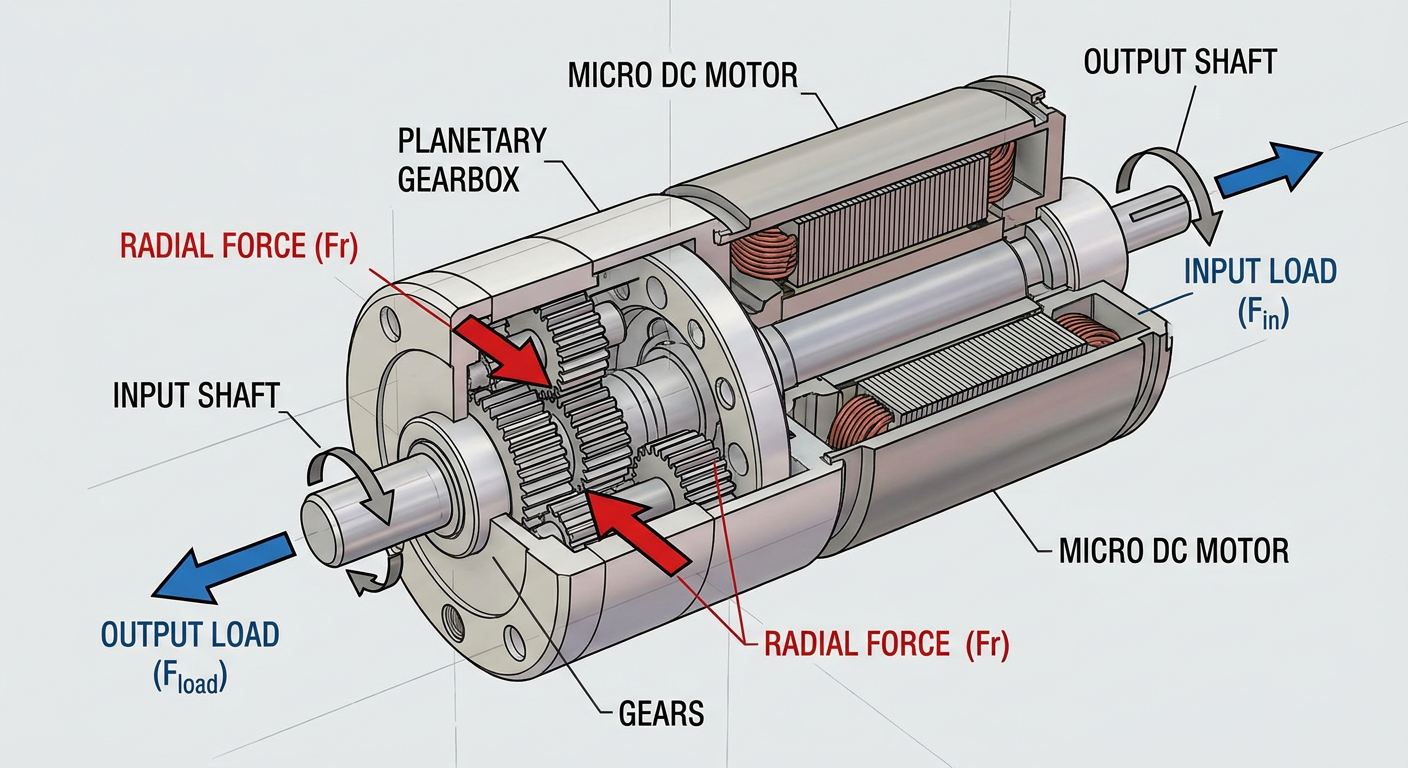
You must consider the load and overhung force when choosing a spur gear housing. If your gearbox faces high torque or heavy operational load, reinforced housing gives extra protection. When the load exceeds the gearbox capacity, you risk gear tooth fracture, bearing failure, or housing deformation. Many applications require spur gear housing that can handle peak torque and operational load without exceeding limits. For high-torque systems, you should look for gearboxes with reinforced gear teeth and multi-stage reduction. INEED’s spur gear motors offer customization for load capacity, gear design, and protection. You can select a compact single stage reduction gearbox for lighter applications or a reinforced spur gear housing for demanding systems. Spur gear housing protects gears and ensures reliable transmission in power transmission systems.
Gearbox must handle engine’s peak torque and operational load.
Exceeding capacity leads to gear or housing failure.
Reinforced spur gear housing is essential for heavy-duty applications.
Multi-stage reduction increases protection and strength.
Customization options help match housing to your application needs.
Gearbox Size and Power Demands
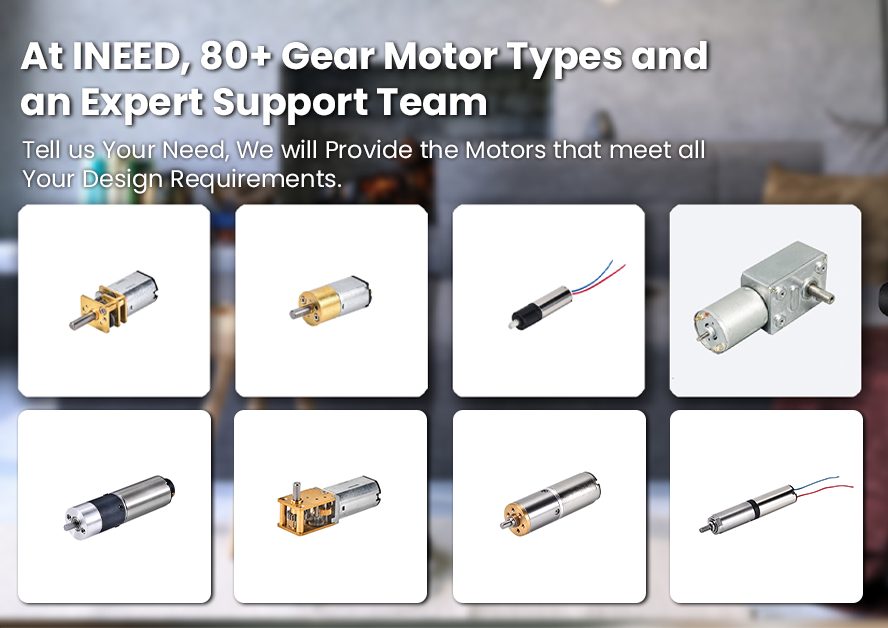
Gearbox size and power demands affect spur gear housing selection. Larger systems need stronger housing to support bigger gears and higher transmission capacity. Spur gear housing must fit the design and protect all gears. INEED’s spur gear motors come in various sizes, from 12mm to 37mm diameter, with voltage options from 1V to 24V DC. You can choose the right gearbox for your application, whether you need a compact single stage reduction gearbox or a larger system. Spur gear housing ensures protection and strength for all power transmission systems. You must match gearbox size and housing strength to your application’s load and capacity.
Material Choices for Housing Strength
Material selection impacts spur gear housing strength and protection. You can choose from stainless steel, carbon steel, or alloyed carbon steel for your gearbox housing. Each material offers unique properties for different applications and systems.
Material Type | Key Properties |
|---|---|
Stainless Steel | Corrosion resistance, machinability, strength |
Carbon Steel | Machinability, wear resistance, hardenability, cost-effectiveness |
Alloyed Carbon Steel | Enhanced hardness, improved machinability, corrosion resistance |
Steel and cast iron are common for gearbox housings due to durability and cost-effectiveness. Fiber reinforced polymer composites offer vibration damping and suit advanced applications. Heat treatment processes like carburizing and nitriding improve gear strength and housing protection. INEED’s spur gear motors allow you to tailor material choices and housing design for your application. You can select the best housing for your power transmission systems and ensure reliable operation.
Operating Conditions for Spur Gearbox Housing
High Vibration and Shock Environments
You face many challenges when your spur gearbox operates in high vibration or shock environments. These conditions increase the risk of housing fatigue and gear misalignment. You must select reinforced housings that absorb vibration and protect internal components. When you deal with heavy load or sudden impact, you need materials like cast iron or steel. These materials offer excellent strength and wear resistance. You should also consider seals that resist wear and temperature extremes. INEED Motors uses rigorous quality control and performance testing to ensure each gearbox withstands vibration and shock. You can rely on their inspection process to verify that your housing meets the demands of your application.
Specification Type | Details |
|---|---|
Material Selection | Choose based on operating environment and load requirements. |
Lubrication Type | Oil for high-speed; grease for low-maintenance. |
Seal Selection | Nitrile rubber and fluorocarbon resist wear and temperature extremes. |
Environmental Protection | Dust-proofing and oil-proofing features, such as labyrinth seals. |
Pressure and Temperature Resistance | Housing must withstand internal pressure and operate across expected temperature ranges. |
Heat Dissipation | Use materials with high thermal conductivity and design features like fins. |
Monitoring | Include temperature sensors or oil sampling for predictive maintenance. |
Temperature and Corrosive Exposure
You must consider temperature extremes and corrosive environments when specifying spur gearbox housing. High temperatures can weaken materials and affect performance. Corrosive exposure leads to degradation and loss of structural integrity. You need materials that maintain their properties across a wide temperature range. Aluminum provides lightweight and corrosion resistance, while steel offers high tensile strength for heavy load. You should look for corrosion-resistant coatings and enhanced sealing to prevent moisture and dust ingress. INEED Motors tests each gearbox for durability in harsh environments. Their quality control ensures your housing can handle load and environmental stress.
Environmental Factor | Impact on Gearbox Housing Requirements |
|---|---|
Moisture | Enhanced sealing prevents ingress and corrosion. |
Dust | Protective designs avoid contamination. |
Extreme Temperatures | Materials withstand thermal stress. |
Chemical Exposure | Corrosion-resistant coatings ensure durability. |
Temperature stability is crucial for performance in extreme conditions.
High corrosion resistance prevents degradation from environmental factors.
Alignment and Mounting Challenges
You must install your spur gearbox correctly to ensure long-term reliability. Misalignment causes uneven wear, vibration, and seal leakage. Even high-quality gearboxes can fail if mounted incorrectly. You need reinforced housings to handle load and prevent premature failure. Proper installation supports the load and keeps gears aligned. INEED Motors provides technical support and guidance for mounting and alignment. Their inspection process checks for proper fit and load distribution. You can trust their expertise to help you avoid common installation mistakes.
Tip: Always check mounting surfaces and alignment before operating your gearbox. This step protects your housing and ensures reliable load transmission.
Proper installation is crucial for long-term reliability.
Misalignment leads to uneven wear, vibration, and seal leakage.
Reinforced housings help manage load and prevent premature failure.
When to Specify Reinforced Housings for Spur Gear Motors
Heavy-Duty and High-Torque Applications
You need reinforced housings when your gearbox faces heavy-duty tasks or high torque demands. These applications push gears and housing to their limits. Mining, construction, and large-scale manufacturing equipment often require spur gear housing that can handle extreme loads. You must choose materials and designs that protect gears from shock and vibration. Cast iron gives your gearbox exceptional strength and vibration damping. You get quieter operation and longer life for your gears. Rolling element bearings, like deep groove ball bearings, help your gearbox run smoothly under heavy loads. Alloy steels such as 4140 or 4340 are used for shafts because they offer high tensile strength and toughness.
Characteristic | Description |
|---|---|
Strength | Cast iron provides exceptional strength for heavy-duty applications. |
Vibration Damping | High mass of cast iron absorbs vibrations for quieter gearbox operation. |
Durability | Reinforced housings withstand extreme loads and shock conditions. |
Material for Shafts | Alloy steels like 4140 or 4340 deliver high tensile strength and toughness. |
Bearing Type | Rolling element bearings ensure stable operation under heavy loads. |
You must specify heavy-duty spur gear housing when your gearbox faces vertical loads or frequent shock. You protect gears from deformation and ensure reliable output torque. INEED offers custom spur gear housing options for these demanding applications. You can select the right materials and designs to match your needs.
Tip: Always check the load and torque requirements before choosing your spur gear housing. This step prevents early failure and keeps your gearbox running smoothly.
Smart Lock and Precision Use Cases
You need reinforced housings for smart lock and precision applications. These systems demand accurate gear movement and stable operation. Smart locks rely on spur gear housing to position gears precisely every time. You must avoid misalignment and wear that can affect lock performance. INEED’s spur gear motors for smart locks use custom designs with high-resolution encoders. You get reliable positioning and long-lasting gears. Reinforced housing protects the gearbox from vibration and environmental stress. You can trust your smart lock to work smoothly, even after thousands of cycles.
You must specify custom spur gear housing when your application needs repeatable precision. You protect gears from dust, moisture, and temperature changes. You ensure the gearbox delivers consistent output torque and reliable locking. INEED provides technical support and testing to help you choose the best housing for your smart lock applications.
Note: Precision applications require reinforced housings to maintain gear alignment and prevent performance loss.
Start-Stop and Reversing Operations
You must consider reinforced housings for gearbox systems that operate with frequent start-stop or reversing cycles. These operations put extra stress on gears and housing. You see rapid changes in torque and direction, which can cause wear and fatigue. Spur gear housing must absorb shock and protect gears from damage. You need durable materials and strong designs to handle these cycles.
Vertical loads increase stress on spur gear motors. You must specify reinforced housing to accommodate these forces. INEED’s custom spur gear housing options help you match the gearbox to your operational needs. You can select features that improve durability and reduce maintenance.
Callout: Start-stop and reversing operations require reinforced housings to prevent gear failure and extend gearbox life.
Rules of Thumb for Specifying Reinforced Housings
Choose reinforced spur gear housing for heavy-duty, high-torque, or vertical load applications.
Specify custom housing for smart lock and precision systems needing repeatable accuracy.
Use reinforced housing for gearbox systems with frequent start-stop or reversing cycles.
Match housing material and design to your application’s load, environment, and operational frequency.
Consult INEED for custom solutions and technical support to optimize your spur gear housing selection.
You protect your gears and ensure reliable operation when you follow these rules. You get longer gearbox life and fewer maintenance issues. INEED’s spur gear motors and custom housing options help you meet the demands of your applications.
Reinforced vs Standard Gearbox Housing
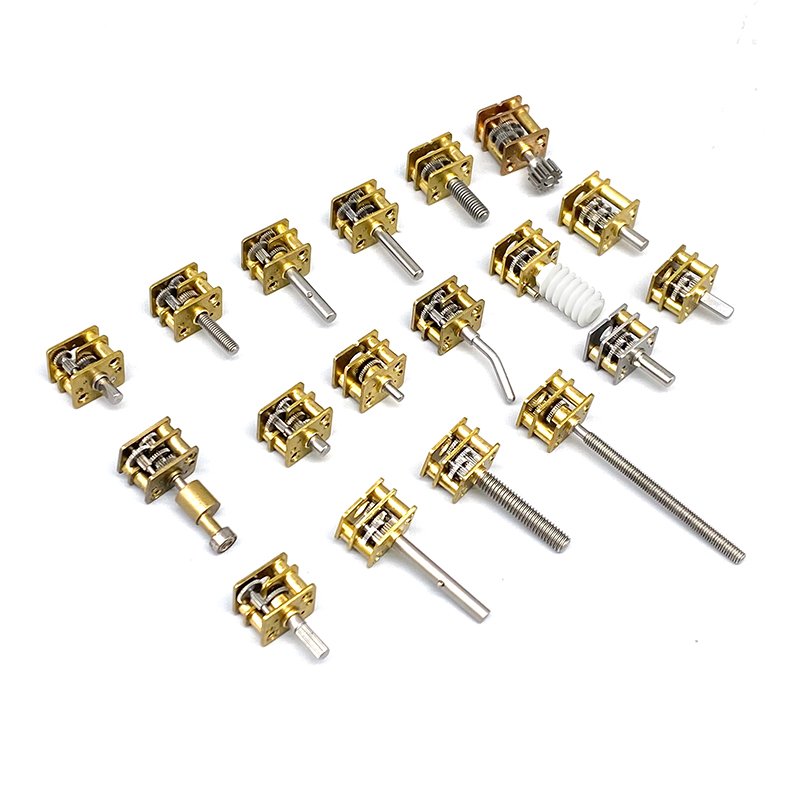
Comparison
Performance and Reliability Benefits
You want your spur gearbox to deliver strong performance and last a long time in industrial systems. Reinforced housing gives your gear system extra strength and protection. You get better resistance to mechanical damage, which means your gears stay safe even in tough industrial environments. Reinforced designs protect your gearbox from dust, moisture, and other environmental threats. This extra layer of defense keeps your spur gears running smoothly and helps maintain high efficiency. You will notice that reinforced housing improves the durability of your gear system, especially in demanding applications like agriculture or heavy machinery. Standard housing works well for light-duty industrial systems, but reinforced options give you peace of mind when you need reliable performance under stress.
Reinforced housing increases resistance to damage.
You get better protection for gears in harsh industrial conditions.
Spur gear systems with reinforced designs show higher durability and efficiency.
Cost and Maintenance Considerations
You must balance cost and maintenance when choosing between standard and reinforced housing for your spur gearbox. Standard housing usually costs less and fits simple industrial applications. You spend less on initial purchase and routine maintenance. Reinforced housing may cost more at first, but you save money over time. You avoid frequent repairs and downtime because the gear system resists wear and damage. INEED’s spur gear motors offer both standard and reinforced designs, so you can match your budget and performance needs. You also reduce maintenance time since reinforced housing protects gears from misalignment and vibration. This means your industrial systems stay efficient and reliable with less effort.
Housing Type | Initial Cost | Maintenance Needs | Best For |
|---|---|---|---|
Standard | Lower | More frequent | Light-duty industrial systems |
Reinforced | Higher | Less frequent | Heavy-duty industrial applications |
Longevity and Application Suitability
You want your spur gearbox to last as long as possible in your industrial systems. Reinforced housing extends the life of your gear system by protecting gears from stress and environmental hazards. You see fewer breakdowns and longer intervals between replacements. This makes reinforced designs ideal for industrial applications with high loads, frequent use, or harsh conditions. Standard housing suits lighter industrial systems where loads and stress stay low. INEED’s spur gear motors let you choose the right housing for your application. You get a design that matches your performance, durability, and efficiency needs. Always consider the strength and durability required for your gear system before making a choice.
Tip: Choose reinforced housing for industrial systems that face heavy loads, frequent cycles, or tough environments. This ensures your spur gearbox delivers reliable performance and long-lasting durability.
You should always check the load, environment, and application before choosing spur gear housing. Use reinforced housing for spur gear systems with heavy loads, high torque, or frequent start-stop cycles. Standard housing works for light-duty spur gear systems. Reinforced housing improves gear performance and extends the life of your systems. You get better protection and reliable performance in tough conditions. Always match the housing to your spur gear systems for the best results. If you need help, contact INEED for custom spur gear housing and expert support. Your spur gear systems will deliver strong performance every time.
Tip: The right housing keeps your spur gear systems safe and efficient.
FAQ
What is a reinforced gearbox housing?
A reinforced gearbox housing uses stronger materials or thicker walls. You get extra protection for gears and bearings. This design helps your gearbox handle higher loads and harsh conditions.
When should you choose reinforced housing over standard housing?
You should choose reinforced housing for heavy-duty, high-torque, or high-vibration applications. Standard housing works for light loads. Reinforced options give you better durability and reliability in tough environments.
How does reinforced housing affect gearbox maintenance?
Reinforced housing reduces the need for frequent repairs. You spend less time on maintenance because the housing protects gears from damage and misalignment.
Can you customize reinforced housings with INEED?
Yes! You can work with INEED to customize housing material, size, and features. INEED offers technical support and helps you match the housing to your application needs.