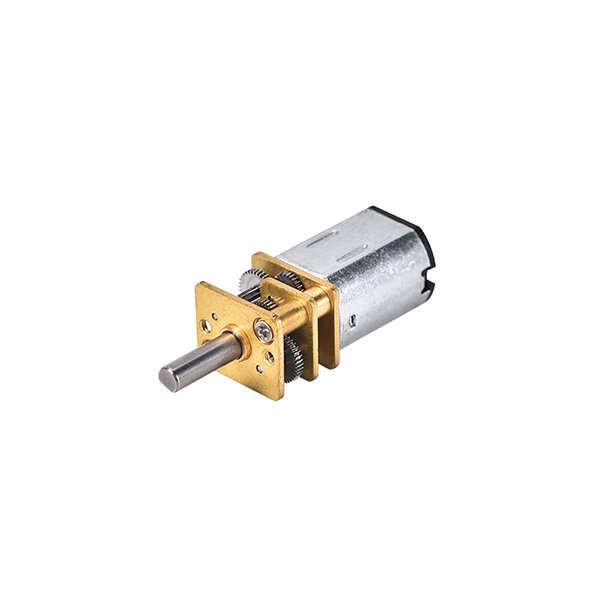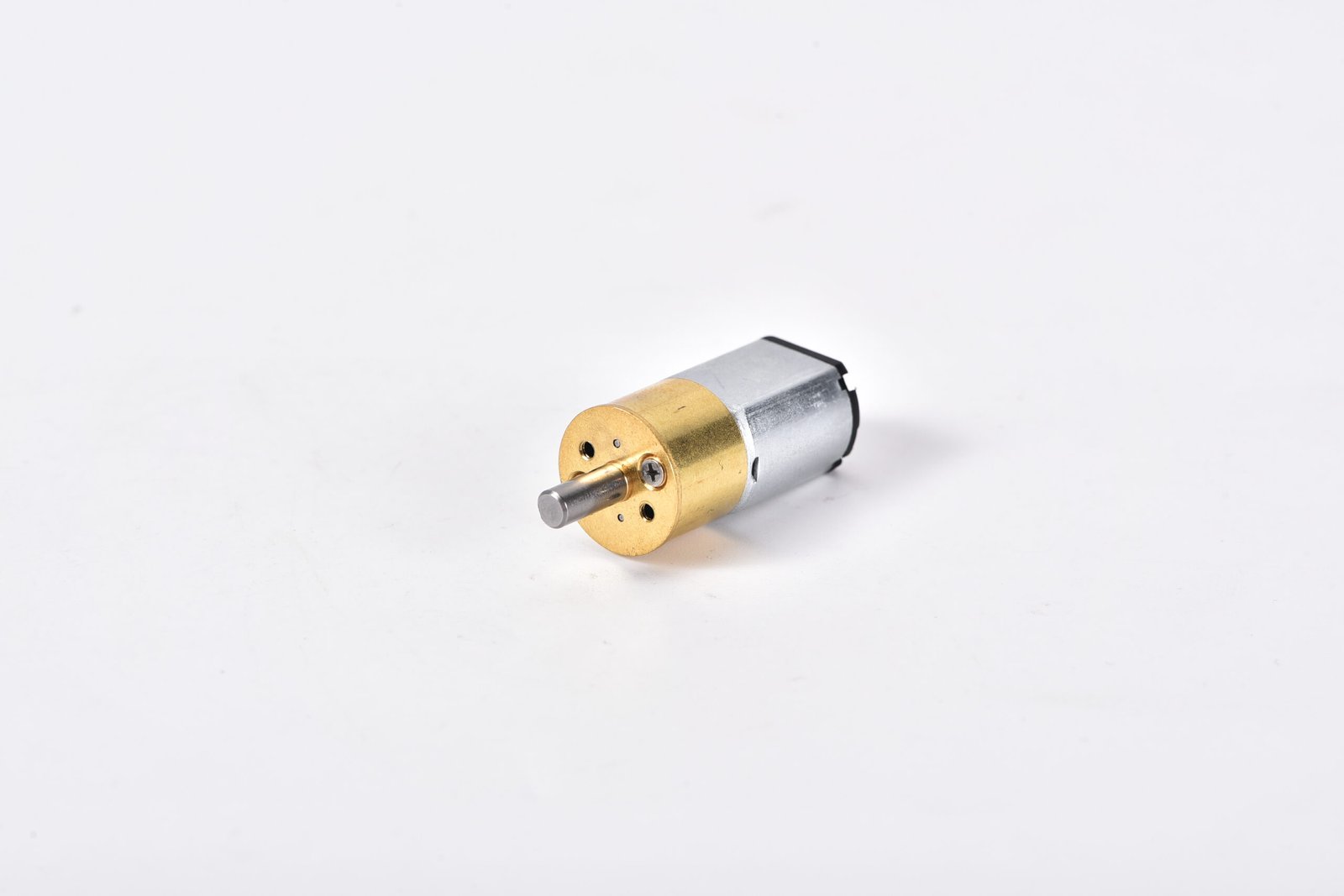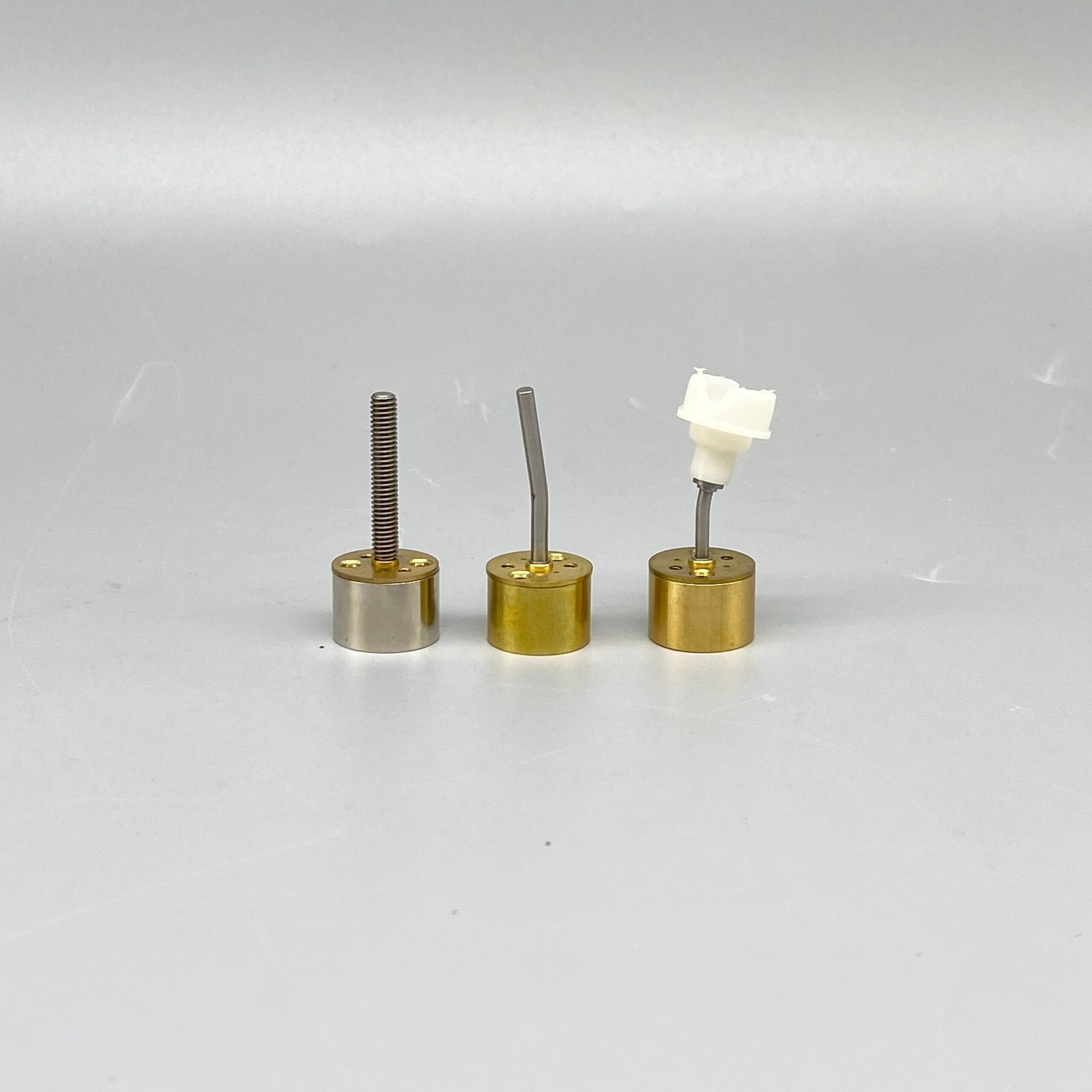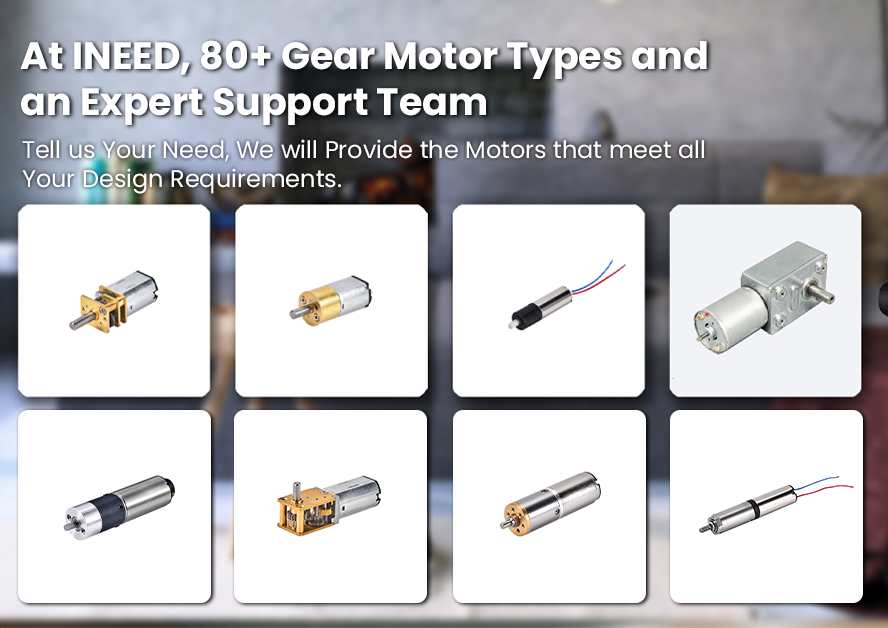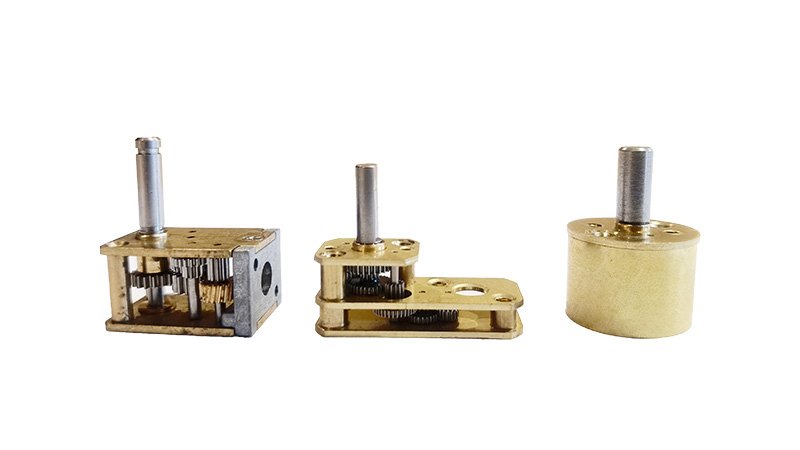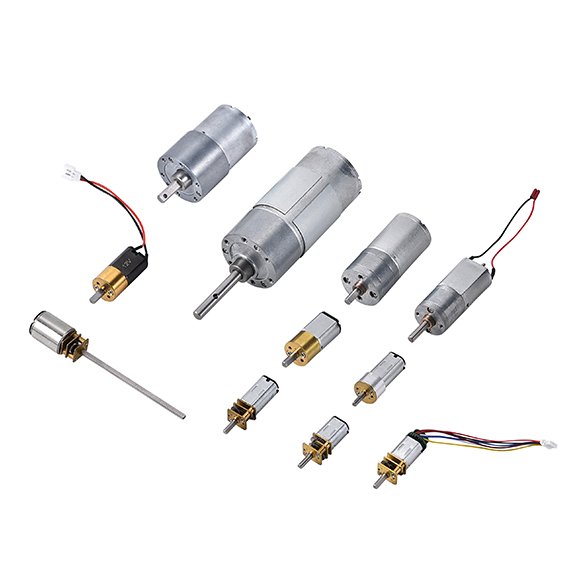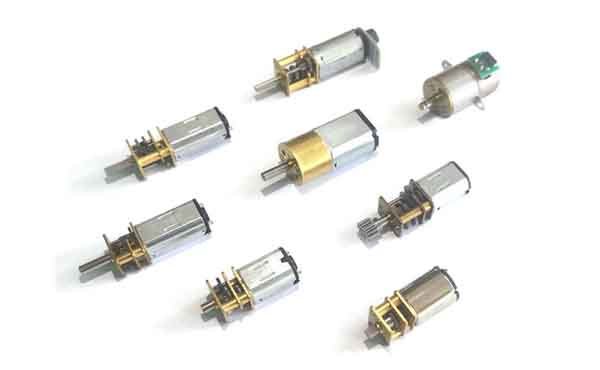
You get help from INEED when you need to pick a planetary gear motor. Picking the right motor is hard. You must know what your project needs. You also need to check output torque, speed, and space limits. Application engineering support helps you look at duty cycles and environmental conditions. When you use this help, you avoid mistakes in size and make performance better. With this support, you get more reliability and save money. Application engineering support makes your choice clear and easy.
Key Takeaways
Picking the right planetary gear motor is very important for your project. You should check your torque, speed, and space needs before you choose.
INEED gives expert advice to help you pick a geared motor that matches what you need. This helps your motor work better and use less energy.
INEED uses a careful process to learn what you need. This helps them get important information and make a motor just for your project.
If you size your gear motor right, you can stop problems like getting too hot or not working well. This makes your motor last longer and work well.
Talking with INEED’s support team helps your project do better. They give you special answers that save you time and money.
INEED Application Engineering Support
Expert Consultation
When you begin your project, you want the right geared motor. INEED lets you talk to skilled engineers who know how to help. These experts know about torque, speed, and energy needs. They listen to what you want and help you avoid mistakes. You get advice on picking a geared motor that fits your space, power, and performance needs. The INEED team uses their knowledge to help you at every step. They focus on making your motor work well and save energy.
You can see how INEED compares to other vendors in the table below:
Feature | INEED Planetary Gear Motors | Other Vendors’ Gear Motors |
|---|---|---|
Efficiency | High | Varies |
Design | Compact | Standard |
Torque Density | Higher | Lower |
Backlash | Lower | Higher |
Durability | Better | Varies |
Application Suitability | Robotics, Medical Devices | General Use |
INEED is different because you get high efficiency, small size, and better durability. You can trust their geared motors for robotics, medical devices, and more.
Needs Assessment
You need a geared motor that matches your project. INEED helps by asking the right questions. They want to know about your mounting method, size, and rotation direction. You also tell them about the shaft type, length, voltage, speed, and torque. If you need brakes or encoders, you can say so. This way, you get a gearmotor that fits your needs.
Here is how the needs assessment works:
You tell INEED what you want the geared motor to do.
You give details about important things like torque or voltage.
INEED checks your information and picks the right gearmotor.
You get a sample to test in your setup.
You give feedback, and INEED makes changes if needed.
This step-by-step plan helps you get a custom solution that works the first time.
Data Collection
To size your geared motor, INEED collects important data. You give them information about motor power, speed, gearbox ratio, and efficiency. You also share details about the load your project will handle. This data helps INEED design a gearmotor that fits your needs and saves energy.
Here are some of the key data points INEED gathers:
Motor Power
Speed
Gearbox Ratio
Efficiency
Application Load Requirements
INEED uses this data to make a custom geared motor for your project. You get a solution that works well and saves energy. You can also ask for special features, like a custom output shaft or a certain encoder.
INEED’s process follows industry standards. You start by sharing your needs. INEED gives you a custom solution and a quote. After you agree, they make a sample for you to test. When you are happy, they start mass production. This shows INEED cares about quality and customer satisfaction.
You can see the customization options in the table below:
Customization Aspect | Details |
|---|---|
Output Shaft Design | Options include round shaft, D-shaft, or others. |
Gear Ratio | Customizable based on application needs. |
Output Speed | Can be tailored to specific requirements. |
Stall Torque | Adjustable according to the application demands. |
Connectors | Specific connectors can be requested. |
Encoders | Type, resolution, and additional requirements can be specified. |
You get a geared motor that fits your project, saves energy, and works well. INEED’s support helps you reach your goals with less risk and more confidence.
Planetary Gear Motor Overview
Planetary geared motors give you strong turning force in a small size. They help machines move smoothly and last a long time. Many machines use these motors because they work well. When you use a planetary gearhead, you get more power and better control. INEED has many types of planetary geared motors. You can choose different sizes, speeds, and torque levels. These motors are good for robots, automation, and other uses.
Key Features
Planetary geared motors are different from other motors. Here are some things that make them special:
The small design lets you use them in tight spots.
High torque output helps you lift heavy things.
They make little noise and do not shake much.
You can change the gear ratios for speed and power.
They are strong and last a long time.
High efficiency means you save energy.
The design works for many kinds of projects.
The gears make the motor turn smoothly.
You can pick from many speeds for your job.
They work well for both light and hard jobs.
You can add encoders or special shafts if you need.
You can look at the main specs for INEED planetary geared motors in this table:
Specification | Range |
|---|---|
Diameter | 6mm to 42mm |
Rated Voltage | 2V DC to 24V DC |
Output Speed | 5 rpm to 2000 rpm |
Torque | 5.0 g.cm to 50.0 kg.cm |
Tip: You can ask INEED to make special motors for your project.
Typical Applications
You see planetary geared motors in many places. They are used in robots, medical tools, and home machines. You also find them in factory systems and business machines. In 2023, factories used millions of these motors for robots and smart machines. These motors help you get exact movement and strong power in a small size.
Here are some common ways people use planetary geared motors:
Robots for smooth and careful moves
Factory conveyor belts
Medical tools that need steady motion
Doors and gates that open by themselves
Textile machines that run fast and quiet
Aerospace tools that need strong torque
CNC machines for cutting and shaping
You can trust these motors to give you power and control in many jobs. When you pick INEED, you get motors that fit your project and help you do your work.
Importance of Proper Sizing
Performance Impact
You need the right size planetary gear motor for good results. The right size gives you strong torque and steady speed. When the motor matches your project, it works better and saves energy. This helps your system run without problems. The correct gear reduction gives you more torque and makes the motor last longer. You also get smooth operation and a longer motor life.
Look at the table below to see how size changes performance:
Parameter | Impact on Performance |
|---|---|
Torque | Makes sure the system can handle heavy loads. |
Gear Ratio | Matches motor speed to output speed for best results. |
Backlash | Low backlash helps the motor move with accuracy. |
Torsional Rigidity | High rigidity stops shaking and keeps movement exact. |
Efficiency | Good efficiency saves energy and helps the motor last. |
Service Life | The right size stops overload and keeps the motor safe. |
Inertia Matching | Helps the motor stay steady and not shake too much. |
You should think about torque, speed, duty cycle, and where you use the motor. These things help you pick a motor that fits your space and weight needs. You get a motor that gives you power and lasts a long time. You also stop problems like getting too hot or wasting energy.
Tip: Always check what your project needs before you pick a motor.
Risks of Incorrect Sizing
If you choose the wrong size, you can have many problems. The wrong size can make the motor work badly. Your motor might get too hot or break down fast. You lose strength and may have broken parts. The system can stop working, and you may pay more for repairs.
Here are some common problems:
Getting too hot
Wearing out fast
Parts breaking
Shorter machine life
You can also have trouble with wasted energy and too much stress. Wrong torque and speed can hurt the motor parts. The table below shows what can go wrong:
Consequence | Description |
|---|---|
Overheating | Too much heat from the wrong size can break the motor. |
Inefficiency | The wrong motor wastes energy and works poorly. |
Mechanical Stress | Bad torque and speed can hurt the motor parts. |
You should avoid these problems by checking torque and gear reduction needs. The right size motor lasts longer and keeps your system safe. You get better results and a motor that works well.
Sizing Process with INEED
Application Review
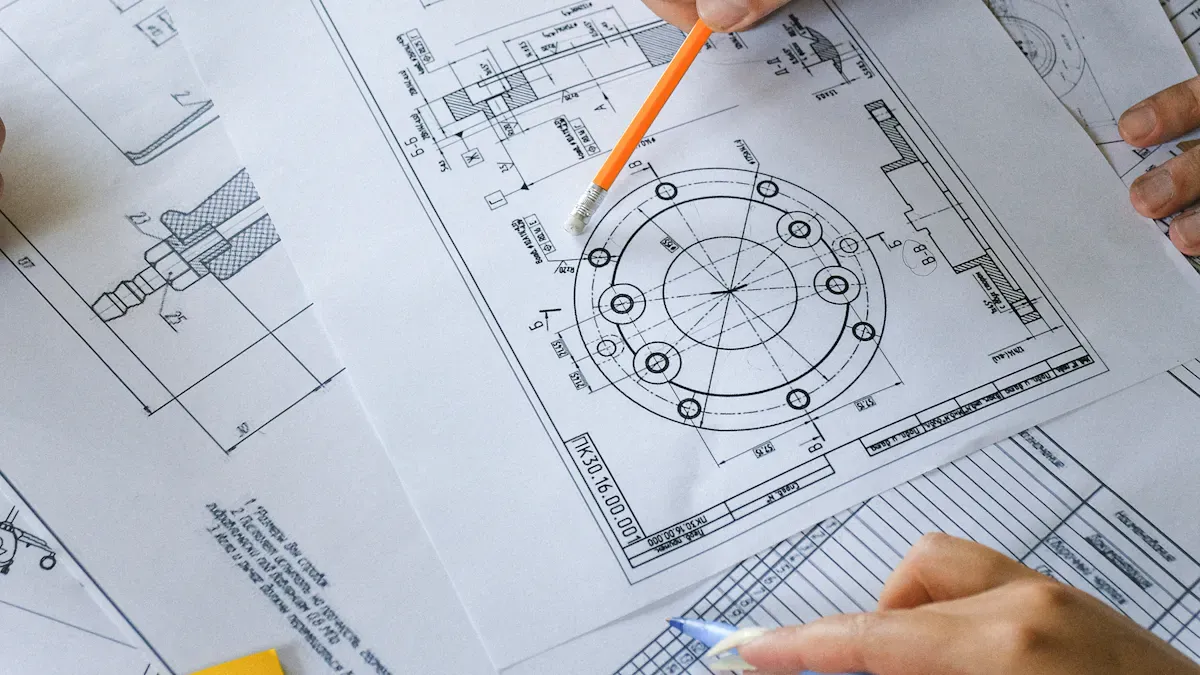
You start the sizing process by sharing your project details with INEED. The engineers look at your application and ask about your goals. They want to know about the space, power, and speed you need. You also discuss load conditions and how the motor will work in your system. The team checks the environment where you will use the gear reducer. They look for things like:
Temperature extremes
Moisture and dust
Chemical exposure
Vibration levels
You talk about how often you will use the motor and what kind of maintenance you can do. The engineers help you pick gear ratios that match your needs. These choices affect torque, speed, and how smooth the motor runs. You get advice on how to keep your gear reducer reliable and easy to maintain.
Technical Analysis
INEED engineers use your data to study the technical side of your project. They check the load conditions and see how much force your system needs. They look at the speed and torque you want. The team uses special formulas to match the gear reducer to your job. They also think about how often you will need maintenance. You get a plan that fits your maintenance requirements and keeps your system running well.
The engineers check for:
Gear profile strength
Fatigue life
Dynamic loads
Stress on gear teeth
You learn how these factors affect the motor’s life and how much maintenance you will need. The team helps you avoid mistakes that can lead to more repairs.
Custom Recommendations
After the analysis, you get custom recommendations. The engineers suggest the best shaft length, gear type, voltage, torque, and speed for your project. You can choose special features to make your gear reducer fit your needs. The team plans for dynamic loading and gives you tips to lower stress and make maintenance easier.
Here is what you can expect:
Advice on gear profile for strength
Options for full-fillet-root-radius to reduce stress
Custom choices for voltage and speed
Plans to make maintenance simple and fast
Support for long-term reliability
You get a solution that matches your project and makes maintenance easy. INEED’s support helps you get the right motor, save time, and lower costs.
Vendor Support Benefits
Reliability and Efficiency
When you pick a vendor like INEED, you get more than a motor. You also get help that makes your project work better and last longer. You can ask for special output shafts or mounting options. You can add feedback systems like encoders to check how your motor works. These features help your motor fit your machine just right. The motors can work with PLCs and VFDs, so your system runs smoother. Many vendors use modular designs now. This lets you fix or upgrade parts fast, so your machines keep working.
Special output shafts and mounting options fit your needs.
Feedback systems like encoders help you watch performance.
Modular designs make fixing and upgrading easy.
These motors work with automation and IoT sensors for real-time checks.
You can count on your system to give steady power. With vendor help, you have fewer breakdowns and less time when machines stop. Your machines work better and last longer because you get the right support.
Cost Savings
Vendor help saves you money in many ways. You get motors that fit your needs, so you do not waste energy or buy extra parts. When your motor fits your project, you do not make costly mistakes. You also spend less on repairs because the right motor lasts longer. Modular designs and easy upgrades mean you do not have to change the whole system if one part breaks. You can use tools to find problems early and fix them before they get worse.
Tip: Picking the right vendor support can help you spend less money over time.
Long-Term Value
When you choose a vendor with good support, you get value for a long time. Your machines stay strong and work well for years. You can upgrade your system when your needs change. Many vendors use new technology like Industry 4.0 and smart manufacturing. This means your motors can connect to IoT sensors and automation networks. You get real-time data and can plan fixes before problems start. Your system stays ready for the future.
You build a team with your vendor. This team gives you new ideas and better answers. You get more trust, better results, and a system that grows with your business.
Engaging INEED for Sizing Support
Preparing Application Info
You get the best results when you prepare your project details before reaching out to INEED. Start by thinking about what your machine needs. Write down the torque and speed you want. Check the voltage and current ratings that match your power supply. Measure the space where you plan to install the motor. Pick the gear ratio and output shaft that fit your design. Look at the environment where your motor will work. Think about dust, moisture, and temperature. Focus on efficiency and how the motor handles heat. Decide if you need control or feedback options like encoders.
Here is a checklist to help you organize your information:
Assess torque and speed requirements.
Match voltage and current ratings to your power supply.
Check size and weight constraints.
Choose the best gear ratio and output shaft.
Consider environmental conditions and protection.
Focus on efficiency and heat management.
Decide on control and feedback options.
Tip: The more details you share, the easier it is for INEED to recommend the right planetary gear motor.
Key Questions to Ask
You can make your project stronger by asking the right questions. Ask about the best gear ratio for your application. Find out how the motor handles different loads. Ask if you can get custom shafts or connectors. Check if the motor can work in your environment. Ask about the lifetime and maintenance needs. Find out how fast you can get samples and production units. Ask about adding encoders or other feedback devices.
Question | Why It Matters |
|---|---|
What gear ratio fits my project? | Matches speed and torque |
Can I get custom shafts? | Fits your design |
How does the motor handle loads? | Ensures reliability |
Is the motor protected? | Works in tough environments |
What is the motor’s lifetime? | Plans for maintenance |
Can I add feedback devices? | Improves control |
Collaboration Tips
You build a strong partnership when you work closely with INEED’s team. Share clear drawings and specs. Give feedback after testing samples. Stay open to suggestions from engineers. Ask for updates during production. Keep your goals clear and simple. Respond quickly to questions. You help the project move faster and get better results.
Note: Good communication helps you get a motor that fits your needs and keeps your project on track.
You get real benefits when you use INEED’s application engineering support. The experts help you make good design choices. They guide you with gear ratios and materials. You can pick custom options for your project. Here are some choices:
Customization Option | Description |
|---|---|
Custom shaft designs | D-cut, flatted, threaded |
Special gear materials | Metal or reinforced polymers |
Encoder/feedback options | Tailored for precise control |
You should get your project details ready and contact INEED. You will get motors that are reliable and efficient. These motors help your machines work better.
FAQ
What is a planetary gear motor?
A planetary gear motor uses gears that move like planets around a sun gear. You get high torque and smooth motion in a small size. This motor works well for robots, medical tools, and machines that need strong, steady power.
How do you choose the right gear ratio?
You look at your speed and torque needs. A high gear ratio gives you more torque but less speed. A low gear ratio gives you more speed but less torque. INEED engineers can help you pick the best ratio for your project.
Can you customize the output shaft or add encoders?
Yes, you can. INEED lets you choose custom shaft shapes and lengths. You can also add encoders for feedback. This helps you control your motor and fit it into your design.
How long does it take to get a sample?
You usually get a sample in 2 to 4 weeks after you share your project details. INEED will confirm the timeline when you place your request.
Where can you use INEED planetary gear motors?
You can use these motors in robots, medical devices, smart home products, and factory machines. They work well in places where you need strong torque and small size.