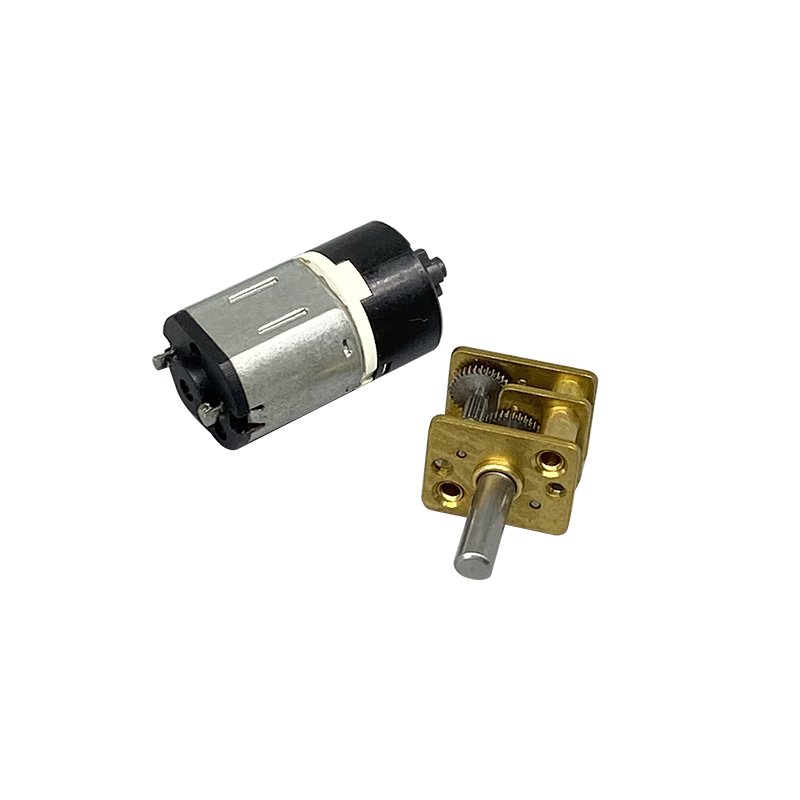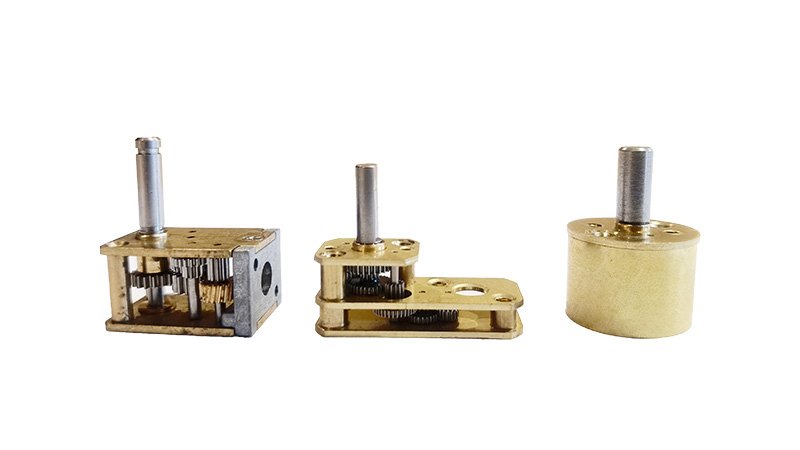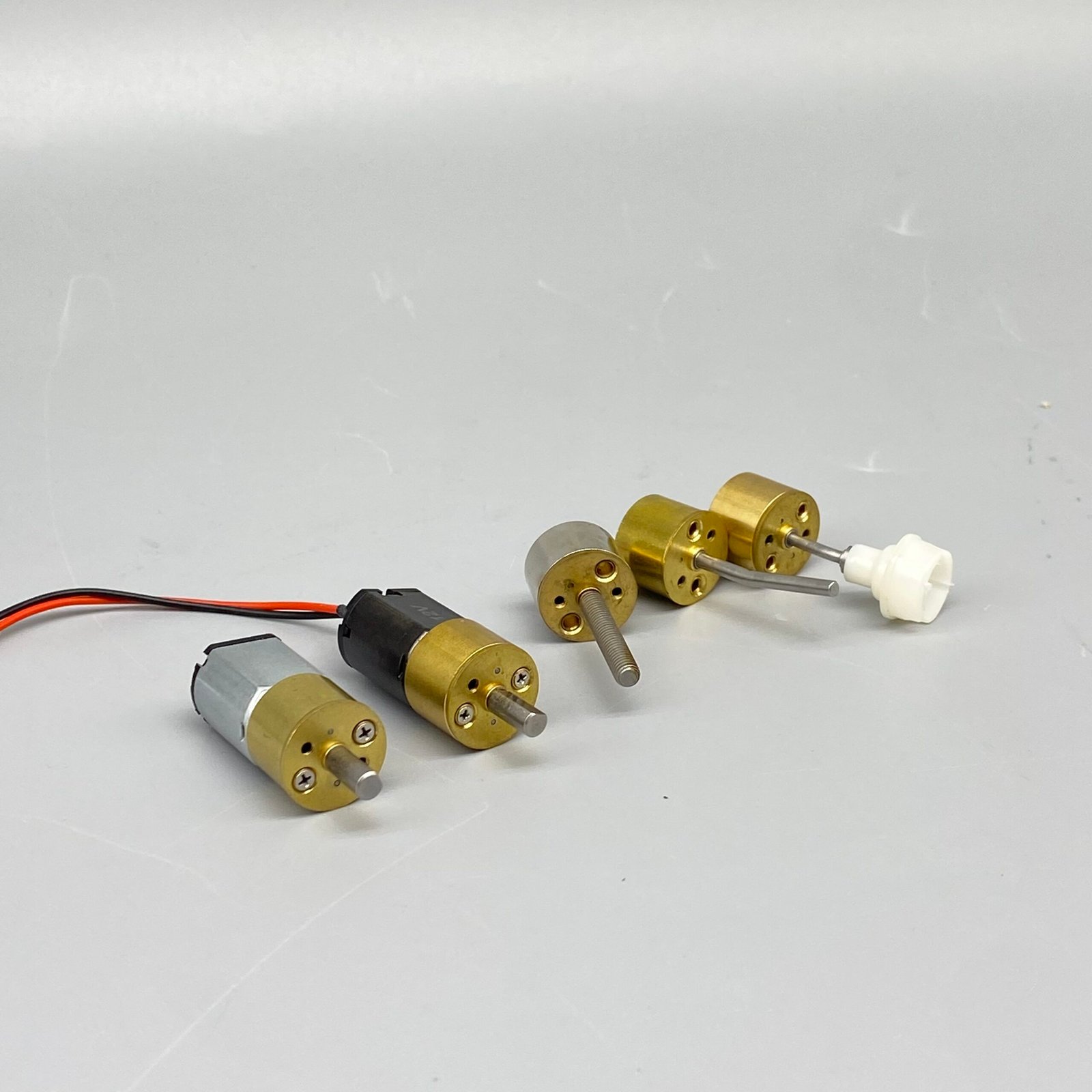
You can calculate output torque for a worm gearbox using this formula:
Gear Reducer Torque = 9550 × Motor power ÷ (Rated Power motor’s input revolution × Ratio × gear reducer efficiency)
Understanding output torque helps you choose the right worm gear motor for your needs. INEED Motors offers expertise in delivering high-torque solutions. Key factors include input power, gear ratio, efficiency, and output speed. For example, a load of 120 kg with a 0.28 m lever arm requires 330 N·m output torque, using a 100:1 gear ratio and 0.11 N·m input torque.
Key Takeaways
Use the formula: Output Torque = (Input Power × 9550) ÷ (Input Speed × Gear Ratio × Efficiency) to calculate the output torque of a worm gearbox.
Always check the efficiency rating of your worm gear motor. Higher efficiency means more power is converted into useful torque.
Gather accurate data from the motor specification sheet, including rated torque, gear ratio, and efficiency, before performing calculations.
Consider the gear ratio carefully. A higher gear ratio increases output torque but decreases output speed, which is crucial for your application.
Avoid common mistakes by ensuring you use the correct units and include efficiency in your calculations for accurate results.
Gearbox Output Torque Calculation Formula

Worm Gear Output Torque Equation
When you want to determine the output torque of a worm gearbox, you need to use a specific formula. This formula helps you understand how much turning force the gearbox can deliver at its output shaft. For INEED worm gear motors, you can use the following gearbox output torque calculation formula:
Output Torque = (Input Power × 9550) ÷ (Input Speed × Gear Ratio × Efficiency)
This equation allows you to estimate the torque that your application will receive from the gearbox. You can use this formula to compare different gearboxes and select the right INEED worm gear motor for your needs. The gearbox output torque calculation formula is essential for anyone who wants to match a motor to a specific load or application.
Variables and Units Explained
To use the gearbox output torque calculation formula correctly, you need to understand each variable and its unit. Here is a breakdown of what each part means:
Variable | Description | Typical Unit |
|---|---|---|
Input Power | The power supplied to the gearbox | kilowatts (kW) |
9550 | Conversion constant (for SI units) | — |
Input Speed | The speed of the motor shaft | revolutions per minute (rpm) |
Gear Ratio | The ratio between input and output speeds | — |
Efficiency | The percentage of power transferred through the gearbox | Decimal (e.g., 0.9 for 90%) |
Output Torque | The torque delivered at the gearbox output shaft | Newton-meters (N·m) |
You must use the correct units for each variable. For example, always enter input power in kilowatts and input speed in rpm. Efficiency should be a decimal, not a percentage. If you use the wrong units, your results will not be accurate.
The gearbox torque formula shows you how each variable affects the final output torque. If you increase the input power or decrease the gear ratio, you will see changes in the output torque. Always double-check your units before you start your calculation.
Efficiency and Gear Ratio Impact
Efficiency and gear ratio play a big role in the gearbox output torque calculation formula. You need to consider both when you want to get the most accurate results.
The efficiency of worm gear drives depends on the energy balance inside the gearbox. The sum of input power, output power, and power losses must equal zero. This means that not all the power you put in will reach the output shaft. Power losses, such as friction, reduce the efficiency and lower the output torque.
Worm gearboxes usually have an efficiency range from 84% to 95%. Higher efficiency means more of the input power turns into useful output torque. Lower efficiency means more power is lost as heat or friction.
The gear ratio acts as a torque multiplier. If you use a 10:1 gear ratio, the output torque becomes ten times the input torque. This is why worm gearboxes are popular for applications that need high torque at low speeds.
A higher gear ratio increases output torque but reduces output speed. You should choose the gear ratio based on your application’s torque and speed needs.
Tip: Always check the efficiency rating of your INEED worm gear motor. A small change in efficiency can make a big difference in the output torque.
When you use the gearbox output torque calculation formula, remember that both efficiency and gear ratio directly affect your results. By understanding these factors, you can select the best INEED worm gear motor for your project and ensure reliable performance.
How to Calculate Output Torque Step-by-Step
Data Needed for Calculation
You need specific data before you calculate output torque for a worm gearbox. Start by gathering information from the motor specification sheet. This data helps you perform an accurate gearbox torque calculation and ensures your results match your application needs.
Required Data | Description |
|---|---|
Motor Rated Torque | The continuous rotational force the motor can generate, specified in the motor’s datasheet. |
Gear Ratio | The ratio of the input speed to the output speed of the gearbox, affecting torque multiplication. |
Gearbox Efficiency | The efficiency of the gearbox, which impacts the actual output torque produced. |
You should check the motor rated torque and gear ratio first. Efficiency is also important because it affects how much power reaches the output shaft. Always use the values from the datasheet for your gearbox torque calculation.
Applying the Formula with INEED Worm Gear Motors
INEED worm gear motors provide reliable data for your calculations. You can use their product specifications to calculate output torque with confidence. Here is how you gather the necessary information:
Review the datasheet for efficiency, torque, and power requirements.
Measure input power using voltage, current, and power factor.
Determine output power by measuring torque and speed at the motor shaft.
Apply efficiency formulas to identify energy losses and optimize performance.
Follow industry standards to ensure accuracy in your gearbox torque calculation.
You find all the required values in the INEED worm gear motor datasheet. The efficiency rating, gear ratio, and rated torque are clearly listed. This makes it easier to calculate output torque and select the right motor for your project.
Tip: Always use the actual efficiency value from the datasheet. Do not estimate or guess. This helps you determine the output torque more accurately.
Example Calculation Process
You can calculate output torque for a worm gearbox by following a simple process. Here is a step-by-step guide using realistic values from INEED worm gear motors:
Understand what your motor needs to do. Identify the type of load and consider factors like weight, friction, and speed changes.
Figure out the load torque. Use the formula: Load Torque = Force × Radius.
Measure the radius. Find the distance from the center of the motor to the point where force is applied.
Use the torque formula. Calculate the torque using T = F × r, where T is torque, F is force, and r is radius.
Let’s apply the gearbox torque calculation formula to a practical example:
Suppose you have an INEED worm gear motor with these specifications:
Motor Rated Torque: 0.11 N·m
Gear Ratio: 100:1
Gearbox Efficiency: 0.9 (90%)
Input Speed: 3000 rpm
Input Power: 0.35 kW
Use the formula:
Output Torque = (Input Power × 9550) ÷ (Input Speed × Gear Ratio × Efficiency)
Plug in the values:
Output Torque = (0.35 × 9550) ÷ (3000 × 100 × 0.9)
Output Torque = (3342.5) ÷ (270000)
Output Torque ≈ 0.0124 N·m
If you need higher torque, you can increase the gear ratio or input power. Always check the datasheet for accurate values before you calculate output torque. This process helps you select the right INEED worm gear motor and ensures your application runs smoothly.
Note: You should repeat the gearbox torque calculation for different motors and gear ratios to find the best fit for your needs.
You now know how to calculate output torque step-by-step. Use this method to calculate the torque for any worm gearbox and optimize your design.
Key Factors Affecting Output Torque in Worm Gear Motors
Gearbox Efficiency Considerations
You need to pay close attention to efficiency when calculating output torque for a worm gearbox. Efficiency tells you how much of the input power actually turns into useful torque at the output shaft. Worm gear sets usually have efficiencies between 40% and 85%, depending on the gear ratio and design. Lower efficiency means more energy is lost as heat, which reduces the actual working output torque and increases energy costs. INEED worm gear motors use high-quality materials and advanced lubrication to help maintain higher efficiency, so you get more reliable torque output for your application.
Worm gearboxes with higher efficiency deliver more actual working output torque.
Lower efficiency leads to reduced gearbox rated output torque and higher operating costs.
Good lubrication and material choices help maintain efficiency and maximize torque.
Reduction Ratio and Mechanical Advantage
The reduction ratio in a worm gearbox plays a big role in determining the torque output. You calculate the reduction ratio by dividing the number of teeth on the output gear by the number of teeth on the input gear. For example, a 30:1 reduction ratio means the input shaft must turn thirty times for one output rotation. High reduction ratios, which you often find in single stage worm gearboxes, allow you to achieve high torque in a compact space. This is especially useful when you need maximum torque for heavy loads or precise control in limited spaces.
Worm gear motors can achieve high reduction ratios in a single stage worm design.
High reduction ratios increase torque and reduce speed, which is ideal for applications like elevators, conveyor systems, and medical equipment.
Compact gearbox designs with high ratios provide the desired output torque without taking up much space.
Service Factor and Application Needs
You should always consider the service factor when selecting a worm gearbox for your project. The service factor gives you a safety margin by accounting for real-world conditions like shock loads, frequent starts, or harsh environments. It is the ratio between the gearbox rated output torque and the maximum operating torque required by your application. A higher service factor helps prevent premature wear and ensures the gearbox can handle unexpected loads.
The service factor defines the performance margin between the gearbox rated output torque and the actual working output torque needed for your task.
It helps you select a gearbox that can safely deliver the maximum torque required, even under tough conditions.
When you match the service factor to your application, you protect your equipment and ensure long-term reliability. INEED worm gear motors are designed to meet demanding service factors, making them suitable for material handling, packaging, and other high-torque applications.
Tip: Always check the service factor and environmental conditions, such as temperature and lubrication, to make sure your gearbox delivers the desired output torque over its lifetime.
Factor | Effect on Output Torque |
|---|---|
Temperature | Higher temperatures can increase friction losses, limiting output torque before reaching loading limits. |
Lubrication | Proper lubrication reduces wear and heat, helping maintain actual working output torque. |
Material Choice | Metals with low friction and high thermal conductivity improve torque output and gearbox efficiency. |
By understanding these key factors, you can select the right worm gearbox and achieve the maximum torque and reliability for your application.
Practical Tips for Gearbox Output Torque Calculation
Unit Conversion Essentials
You often need to convert units when working with worm gear calculations. Always check the units for torque, power, and speed before you start. For example, torque can appear in Newton-meters (Nm), pound-feet (lb-ft), or ounce-inches (oz-in). Power may be listed in kilowatts (kW) or horsepower (hp). Speed is usually in revolutions per minute (RPM). Use the correct formula for your units:
Torque Unit | Power Unit | Speed Unit | Formula |
|---|---|---|---|
Newton-meter (Nm) | Kilowatt (kW) | RPM | Torque = (Power × 9550) / Speed |
Pound-foot (lb-ft) | Horsepower (hp) | RPM | Torque = (Power × 5252) / Speed |
Ounce-inch (oz-in) | Horsepower (hp) | RPM | Torque = (Power × 1,008,384) / Speed |
Tip: Double-check your conversions. Mistakes in units can lead to incorrect output torque values for your worm gear application.
Interpreting Motor Data Sheets
You should always read the motor data sheet carefully before calculating output torque. Look for the rated torque, power, speed, and efficiency. These values help you use the correct formula for your worm gear or worm and pinion setup. Here are some key points to remember:
Torque is often calculated from power and speed.
For DC motors, torque relates directly to current and the torque constant.
For AC motors, voltage and power factor also affect torque.
If you have a motor with 1000 RPM, 6 Volts, and 220 mA, you can use the formula τ = (Current × Voltage × Constant) / (Speed × 2π) to find the torque. You can then convert this value to the units you need for your project.
Common Mistakes to Avoid
Many people make errors during worm gear output torque calculations. You can avoid these mistakes by following a few simple steps:
Do not confuse input and output power.
Always include gearbox efficiency in your calculations.
Calculate input torque correctly.
Strategy | Description |
|---|---|
Analyze Forces | Check tangential, radial, and axial forces for mechanical safety. |
Use correct formulas to ensure reliable design. | |
Proper Material Selection | Choose materials that handle the calculated forces and moments. |
Shaft Design | Design shafts to resist fatigue and keep gear meshing accurate. |
If you need help, INEED’s technical support team can guide you through the process and help you avoid common errors.
By following these tips, you can calculate output torque for your worm gear system with confidence and accuracy.
You can calculate output torque for a worm gearbox by gathering accurate data, applying the correct formula, and checking your units. INEED worm gear motors give you reliable, high-torque solutions for many applications. You benefit from features such as:
High torque for lifting heavy loads
Self-locking for safety
Quiet and smooth operation
If you need help with torque calculations, you can reach out to INEED engineers. You get detailed guidance and expert support for selecting the right motor.
FAQ
What is gearbox output torque and why does it matter?
Gearbox output torque is the turning force you get at the gearbox’s output shaft. You need to know this value to match your motor to your application. If you select the wrong gearbox output torque, your system may not work as expected.
How do you measure gearbox output torque in a real application?
You can measure gearbox output torque using a torque sensor or a dynamometer. Place the sensor on the output shaft. Read the value while the gearbox runs under load. This gives you the actual gearbox output torque in your setup.
Can gearbox output torque change with different gear ratios?
Yes, gearbox output torque changes when you use a different gear ratio. A higher gear ratio increases gearbox output torque but lowers speed. You should choose the right ratio to get the gearbox output torque your application needs.
Does efficiency affect gearbox output torque?
Efficiency has a big impact on gearbox output torque. If your gearbox has low efficiency, you lose more power as heat. This means the gearbox output torque will be lower than what you expect from the input power.
How do you select a gearbox for the right output torque?
First, calculate the required gearbox output torque for your load. Check the motor’s rated torque and the gearbox’s efficiency. Use the formula to find the needed gearbox output torque. Always pick a gearbox that delivers more output torque than your application requires.