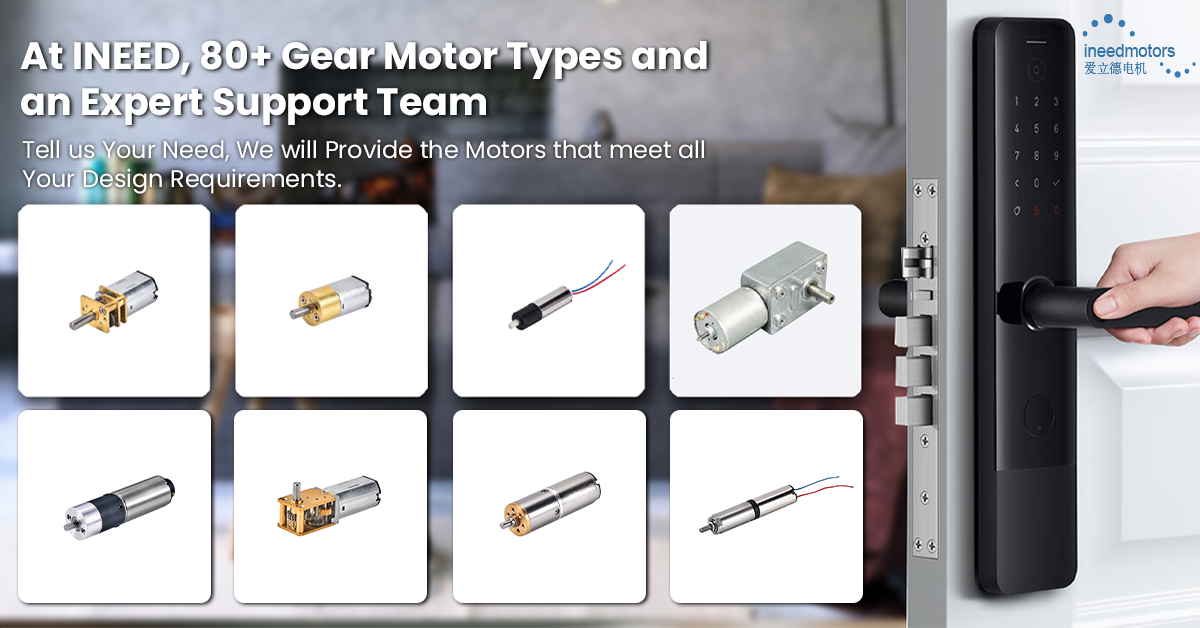
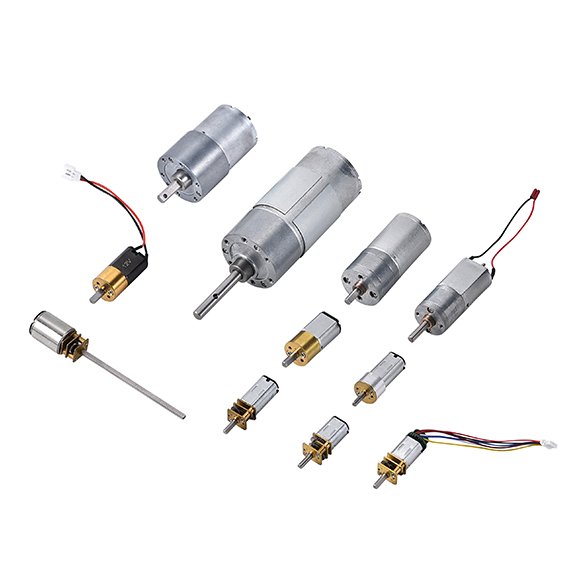
Costly mistakes often happen when you buy a planetary gear motor. Many buyers fall into traps like ignoring application needs, overlooking supplier reputation, and skipping technical checks. Here are nine costly mistakes you should watch out for:
Mistake | Description |
|---|---|
Ignoring Application Requirements | You risk early failure if you mismatch planetary gearbox specs. |
Overlooking Supplier Reputation and Support | Weak support causes long-term issues. |
Underestimating Lead Time and Supply Chain Risks | Delays disrupt your project. |
Common Mistakes in Technical Evaluation | Skipping documentation review leads to errors. |
Neglecting Planetary Gearbox Quality Standards | Poor quality means more breakdowns. |
Failing to Consider Customization Needs | Off-the-shelf gear motors might not fit. |
Disregarding Total Cost of Ownership | Focusing only on price adds hidden expenses. |
Overlooking Noise and Vibration Issues | Excess noise can ruin sensitive applications. |
Incomplete RFQ and Contract Details | Missing details cause disputes. |
You need to understand these costly mistakes to make smart choices. INEED gives you reliable planetary solutions and helps you avoid common mistakes. Use this checklist to protect your investment and get the best planetary gearbox performance.
Key Takeaways
Always match planetary gear motor specifications to your application needs to avoid energy waste and equipment failure.
Evaluate supplier reputation and support to ensure reliable performance and long-term satisfaction with your gear motor.
Plan for lead times and supply chain risks to prevent project delays and unexpected costs.
Review technical documentation thoroughly to avoid costly specification errors and ensure compatibility.
Consider the total cost of ownership, including maintenance and energy efficiency, rather than just the initial purchase price.
Costly Mistakes Ignoring Application Requirements
Matching Gear Motor Specs to Application
You must always match the gear motor specifications to your application. If you make the wrong choice of gearbox, you risk wasting energy, shortening equipment life, and hurting system performance. Many buyers overlook this step and pay the price later. For example, using a planetary gearbox with the wrong speed ratio or torque rating can lead to big losses. The table below shows how mismatches can impact your operation:
Impact Area | Description |
|---|---|
Energy Waste | Mismatched ratios can lead to annual energy waste of $5,000-$50,000 depending on motor horsepower and runtime. |
Equipment Longevity | Incorrect load matching can reduce component life by up to 42%, leading to increased maintenance costs. |
Operational Efficiency | Mismatched ratios can force operators to adjust process parameters, increasing per-unit production costs. |
You should always check the speed, torque, and gear ratio before you buy. INEED planetary gearboxes offer high efficiency and reliable performance for many applications. When you select the right planetary gear motor, you get better results and save money over time.
Considering Environmental Factors
You cannot ignore the environment where your planetary gear motor will run. Dust, moisture, temperature, and vibration all affect planetary gearboxes. If you do not consider these factors, you may see early failures or frequent breakdowns. The most common mismatches in application requirements are shown in the table below:
Issue Type | Description |
|---|---|
Lubrication Problems | Incorrect lubricant can lead to operational issues; check lubricant levels regularly. |
Speed Ratio Issues | Measured speed ratios should match specified ratios; discrepancies indicate potential gear issues. |
Torque Measurement | Unexpected torque readings may suggest slipping or excessive friction in the reducer. |
Noise and Vibration | Abnormal sounds or vibrations can indicate worn gears or misalignment. |
Temperature Management | Excessive heat can damage components; monitor temperatures to ensure they are within limits. |
You should always review the duty cycle and the working environment. For example, a planetary gear motor in a hot, dusty factory needs different protection than one in a clean lab. INEED planetary gearboxes are designed for many environments, but you must choose the right model for your needs. This careful selection helps you avoid costly repairs and downtime.
Overlooking Supplier Reputation and Support
Evaluating INEED Brand Reliability
You need to check the reputation of any supplier before you buy a planetary gear motor. A trusted supplier gives you confidence that your planetary gearbox will perform well and last longer. INEED stands out as a reliable brand because it meets strict quality standards and offers strong customer support. You can use the following criteria to evaluate supplier reputation:
Criteria | Description |
|---|---|
Quality and Reliability | Ensures high performance and longevity of gear motors, critical for applications like robotics. |
Pricing and Value | Balances cost with quality, offering competitive pricing without compromising standards. |
Lead Times and Logistics | Affects project timelines; shorter lead times can expedite product launches. |
Certifications and Compliance | Ensures adherence to international quality standards, providing confidence in product reliability. |
Support and Communication | Strong customer support is essential for resolving issues and optimizing product customization. |
INEED planetary gearboxes meet ISO 9001, REACH, and RoHS certifications. These certifications show that INEED follows international standards. You get reliable planetary gearboxes that work well in demanding environments.
Assessing After-Sales Service
After-sales service matters as much as product quality. You should look for suppliers who offer clear warranties and fast technical support. INEED provides ongoing assistance and helps you solve problems quickly. Good after-sales support includes:
Warranty coverage for seals and bearings, which builds trust and protects your investment.
Quick responses to your questions, so you get help when you need it.
Installation assistance and ongoing support, which makes integration easier and keeps your planetary gearbox running smoothly.
A reputation for excellent customer service, showing commitment to your satisfaction.
You benefit from a long-term partnership with INEED. You avoid downtime and get the most value from your gear motor. Reliable support ensures your planetary gearboxes stay efficient and productive.
Underestimating Lead Time and Supply Chain Risks
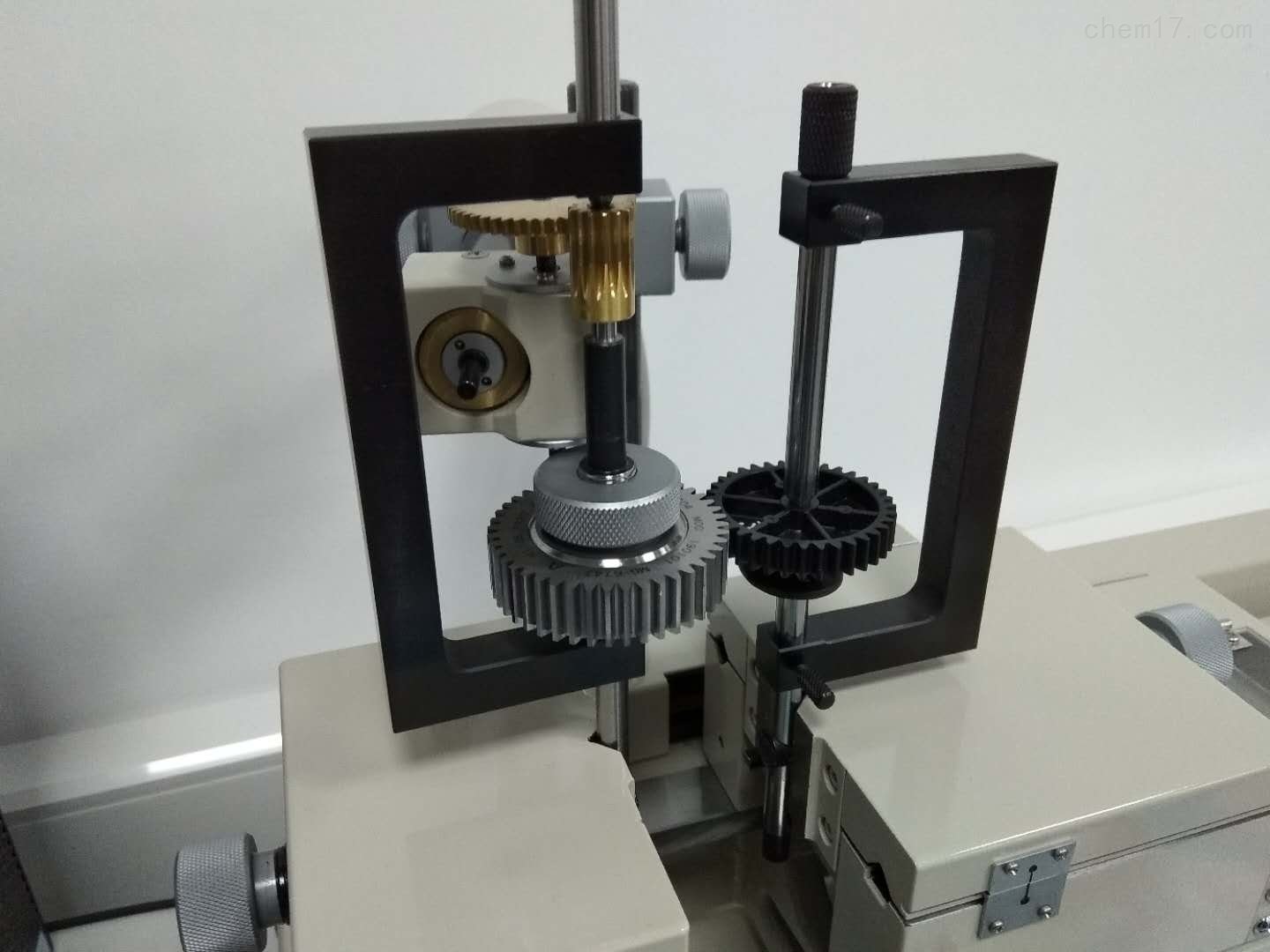
Planning for Timely Delivery
You cannot afford to ignore delivery schedules when you order a planetary gear motor. Delays can disrupt your project and increase costs. Many buyers overlook this risk and face unexpected setbacks. INEED has built a robust supply chain that helps you avoid these problems. You benefit from average lead times of two to three weeks for standard planetary gearboxes. This quick turnaround supports your project timeline and keeps your operations on track.
You should always confirm delivery schedules before you place an order. Ask your supplier for clear timelines and check if they can meet your deadlines. If you need a custom planetary gearbox, expect longer lead times due to extra engineering and testing. Planning ahead helps you avoid last-minute surprises and ensures you receive your gear motor when you need it.
Tip: Always build in buffer time for your orders. This step protects your project from unexpected delays and keeps system performance steady.
Managing Global Supply Chain Issues
Global supply chain disruptions can affect the delivery of planetary gear motors. These disruptions often lead to production delays and longer lead times. You may see extended wait times of three to five weeks in some regions. Over 25% of projects in North America and Japan have experienced delays because of component shortages. Customized planetary gearboxes can add even more time, sometimes up to two months.
You need to plan your orders in advance and consider diversifying your supply sources. Manufacturers face challenges like geopolitical tensions and logistical bottlenecks, which complicate production schedules. By working with a supplier like INEED, you gain access to a stable supply chain and high efficiency in delivery. This approach reduces your risk and helps you maintain consistent planetary system performance.
Note: Reliable delivery is just as important as product quality. Make sure your supplier can deliver on time, every time.
Common Mistakes in Technical Evaluation
Reviewing Gear Motor Documentation
You need to review technical documentation carefully before you select a gear motor. Many buyers make common mistakes by skipping this step or not checking the details. You should always look for clear specifications and complete information. INEED provides detailed documents for all planetary gearboxes, which help you avoid errors and ensure compatibility.
Here is a table that shows the key elements you should check in the documentation:
Key Element Category | Key Points to Review | Reason for Review |
|---|---|---|
Components | Sun Gear, Planet Gears, Ring Gear, Carrier | Understanding each part’s role ensures correct specification and compatibility. |
Performance Metrics | Continuous and Peak Torque (with safety factor 1.5-2.0), Gear Ratio, Backlash (arcminutes) | Ensures the gearbox meets load demands, speed requirements, and precision needs. |
Integration & Environment | Efficiency (95%+), Operating Environment (IP ratings, lubricants), Mounting Type, Maintenance (lubrication intervals, seal durability) | Confirms suitability for application conditions and reduces risk of failure. |
Selection Checklist | Motor max RPM compatibility, Output shaft load capacity, Gear ratio alignment, Physical dimension fit | Prevents specification errors related to mechanical fit and operational limits. |
You should always compare these points with your application needs. This process helps you choose the right planetary gearbox and avoid costly specification errors.
Testing and Validation Steps
You must test and validate every planetary gearbox before you use it in your system. Skipping these steps can lead to failures and lost time. INEED follows strict industry standards for testing, including ISO 9001, RoHS, and REACH certifications. These standards ensure you get a precision planetary gearbox that meets quality and safety requirements.
Here are important steps you should follow:
Review the supplier qualification checklist to confirm quality standards.
Request regular supplier evaluations and audits.
Perform no-load testing to assess baseline performance.
Analyze efficiency to measure power transmission.
Evaluate thermal performance under different loads.
Test overload capacity to find operational limits.
Run endurance tests for long-term reliability.
Tip: Always ask for test reports and validation data from your supplier. This step gives you confidence in the performance and precision of your planetary gearboxes.
By following these steps, you reduce risk and ensure your gear motor will deliver reliable results in your application.
Neglecting Planetary Gearbox Quality Standards
Checking Certifications and Compliance
You should always check for certifications when you select a planetary gearbox. Certifications show that the manufacturer follows strict quality and safety rules. They also make it easier for you to export products to different markets. Look for these important certifications:
ISO 9001 certification proves that the company uses a strong quality management system.
REACH compliance means the manufacturer controls chemical safety during production.
RoHS compliance ensures the product meets environmental safety standards.
These certifications help you trust that your gear motor will perform well and last longer. Many export markets demand high-quality gearboxes that meet international standards. When you choose a planetary gearbox with these certifications, you gain a competitive edge and can command higher prices.
Tip: Always ask your supplier for proof of certifications before you buy. This step protects your investment and ensures you get reliable products.
Verifying Quality Control Processes
You need to understand how quality control affects the reliability of planetary gearboxes. A strong quality control process reduces the risk of failure and boosts the precision of your equipment. Here is a table that shows how different inspection methods impact reliability:
Inspection Method | Purpose | Impact on Reliability |
|---|---|---|
Visual and Dimensional Checks | Find surface defects and check dimensions | Lower risk of failure from manufacturing errors |
Surface Finish Assessments | Check the quality of gear surfaces | Improve performance and extend lifespan |
Material Testing | Confirm material strength and properties | Ensure durability under tough conditions |
Non-Destructive Testing | Spot hidden flaws without damaging parts | Increase confidence in long-term reliability |
Load Simulations | Test performance under real-world loads | Validate design and operational effectiveness |
Manufacturers like INEED use these steps to deliver planetary gearboxes with high reliability and precision. You should always review your supplier’s quality control process. This practice helps you avoid costly breakdowns and keeps your planetary systems running smoothly.
Failing to Consider Customization Needs
Custom Gear Motor Solutions from INEED
You may find that off-the-shelf gear motors do not always fit your unique project. Every application has its own set of requirements. You might need a specific output shaft, a certain gear reduction ratio, or a custom connector. INEED offers custom solutions for these needs. You can work with their engineers to design a planetary gear motor that matches your exact specifications. This approach helps you avoid costly modifications later. You also save time during installation and reduce the risk of performance issues.
INEED supports you with a wide range of customization options. You can choose different gearbox types, shaft designs, and even add encoders for feedback. Their team helps you select the right planetary gearbox for your application. This level of support ensures your system runs smoothly from the start.
Tip: Always discuss your application details with your supplier. Customization at the design stage prevents problems down the road.
Integration with Existing Systems
When you integrate a custom planetary gear motor into your system, you improve both efficiency and reliability. A well-matched motor fits your equipment perfectly. This reduces the need for extra adapters or changes to your setup. You also get better performance and longer service life.
The table below shows how custom planetary gearboxes enhance operational efficiency:
Feature | Description | Core Advantage |
|---|---|---|
Torque Density | Load distributed across multiple planet gears. | High torque in a minimal footprint. |
Efficiency | Primarily rolling contact between gear teeth. | Low energy loss (up to 97% per stage). |
Durability | Balanced load sharing minimizes stress. | Long service life and high shock load capacity. |
You gain more than just a good fit. You also benefit from high torque, low energy loss, and strong durability. These features make your planetary system more reliable and cost-effective over time.
Disregarding Total Cost of Ownership
Beyond Upfront Price
You might think the lowest price is the best deal, but that is one of the most common mistakes buyers make. The total cost of ownership for a planetary gearbox goes far beyond the initial purchase. You need to look at every factor that affects your investment over time. Consider the following:
Design complexity can increase installation and integration costs.
Material composition impacts durability and replacement frequency.
Performance specifications affect energy consumption and system performance.
Maintenance costs add up over the lifespan of the gear motor.
Downtime from unexpected failures leads to lost productivity.
When you analyze total cost of ownership, you see that high efficiency planetary gearboxes save money in the long run. They use less energy and reduce operational costs. This approach helps you make smarter decisions and supports sustainability throughout the motor’s life.
Tip: Always compare ongoing expenses, not just the upfront price. You protect your budget and improve your system performance.
Maintenance and Long-Term Value
You must pay attention to preventive maintenance if you want your planetary gear motor to last. Regular maintenance and careful monitoring extend the life of planetary gearboxes. Thorough documentation helps you track performance and plan lifetime testing. A good maintenance routine includes:
Regular checks for wear and tear.
Lubrication to keep gears running smoothly.
Cleaning to prevent dust and debris buildup.
Preventive maintenance improves motor efficiency by about 30%. Early identification of problems prevents unexpected shutdowns. You should follow manufacturer recommendations and adjust routines based on real-world conditions. This practice keeps your planetary system reliable and reduces long-term costs.
Note: Investing in maintenance gives you better value and fewer surprises. You get more from your gear motor and avoid costly repairs.
Overlooking Noise and Vibration Issues
Importance for Sensitive Applications
You need to pay close attention to noise and vibration when you select a gear motor for sensitive environments. Healthcare devices and robotics often require quiet operation. Excessive noise can disturb patients or interfere with precise robotic tasks. Typical noise levels for 24V planetary gear motors range from 40 dB to 60 dB. Most operate at 45 dB to 55 dB, which is similar to a quiet library or a normal conversation. You should aim for lower noise levels to create a comfortable and efficient workspace.
Vibration also matters. A planetary gearbox reduces vibration through several design features:
Symmetrical gear design balances forces.
Reduced backlash keeps movement smooth.
Damping effects absorb shocks.
Higher stability and torque handling improve control.
Precision engineering ensures consistent performance.
These features help you avoid disruptions and maintain accuracy in your application.
INEED Low-Noise Gear Motor Features
INEED offers planetary gear motors that meet strict noise and vibration standards. You benefit from advanced engineering that delivers quieter operation. The table below compares INEED’s low-noise features with industry benchmarks:
Feature | INEED Motors | Industry Benchmarks |
|---|---|---|
Noise Level | Low (improved by design) | Varies, often higher |
Design | Quieter due to balanced design | Tends to be noisier |
You get a planetary solution that supports sensitive applications. INEED’s balanced design and precision manufacturing help you achieve reliable performance with minimal noise. You can trust these motors for healthcare devices and robotics where silence and stability are essential.
Tip: Always check the noise and vibration ratings before you choose a planetary gearbox. This step protects your equipment and improves user satisfaction.
Incomplete RFQ and Contract Details
Specifying All Gear Motor Requirements
You should always provide complete and clear requirements when you prepare a request for quotation (RFQ) for a planetary gearbox. Many common mistakes happen because buyers leave out important details. When you specify every technical and support need, you help suppliers understand exactly what you want. This step reduces confusion and prevents costly errors.
Start by listing the main features you need. Include torque, backlash, gear ratio, and output type. Describe the environmental conditions, space limits, and lubrication type for your application. Ask about quality certifications like ISO 9001, and check the supplier’s production capacity and delivery performance. You can use this checklist:
List all technical specifications for the gear motor.
State environmental and space requirements.
Request information on quality certifications and production capacity.
Ask for details about delivery times and response speed.
Request prototypes to test supplier claims.
Include audits to review manufacturing processes.
Specify after-sales support and warranty terms.
When you include these points, you make sure the supplier can meet your needs. This approach helps you avoid misunderstandings and keeps your project on track.
Contractual Protections and Penalties
You need strong contract terms to protect your investment in planetary systems. Contracts should include clear protections and penalties to reduce risk. These terms help you manage changes, delays, or problems during the project. The table below shows some important provisions:
Provision | Description |
|---|---|
Mandatory transfer of contracts | Ensures all contracts move to the new owner for smooth operation. |
Termination without penalty | Lets you end supply contracts at any time without extra costs. |
Transition services agreement | Provides up to 12 months of support during changes or upgrades. |
Customer solicitation restrictions | Stops suppliers from contacting your customers for a set period. |
You should review these terms with your legal team before signing. Good contracts protect you from unexpected costs and help you enforce preventive maintenance schedules. By including these details, you avoid many common mistakes and keep your planetary project running smoothly.
You can avoid costly mistakes by paying attention to mounting space, environmental conditions, backlash, price, manufacturer reputation, and preventive maintenance. Use a checklist to review torque, voltage, and custom needs before you select a planetary gearbox. INEED offers reliable planetary solutions and expert support. Reach out to INEED for advice that fits your gear motor application.
FAQ
What are the main purchase precautions for planetary gear motors?
You should always check the specifications, certifications, and supplier reputation before you buy. These purchase precautions help you avoid costly mistakes and ensure your planetary gear motor fits your application.
How do you select the right gear motor for your project?
You need to match the motor’s speed, torque, and size to your system’s requirements. Review technical documents and test samples to confirm the gear motor will perform as expected.
Why is planetary gearbox quality important?
Quality matters because a reliable planetary gearbox reduces downtime and maintenance costs. You get better performance and longer service life when you choose a high-quality product.
Where can you use a planetary gear motor?
You can use a planetary gear motor in robotics, medical devices, home appliances, and industrial machines. Its compact size and high torque make it suitable for many applications.
What makes planetary gear motors different from other types?
Planetary gear motors use multiple gears to share the load. This design gives you higher torque and smoother operation compared to other gear systems.