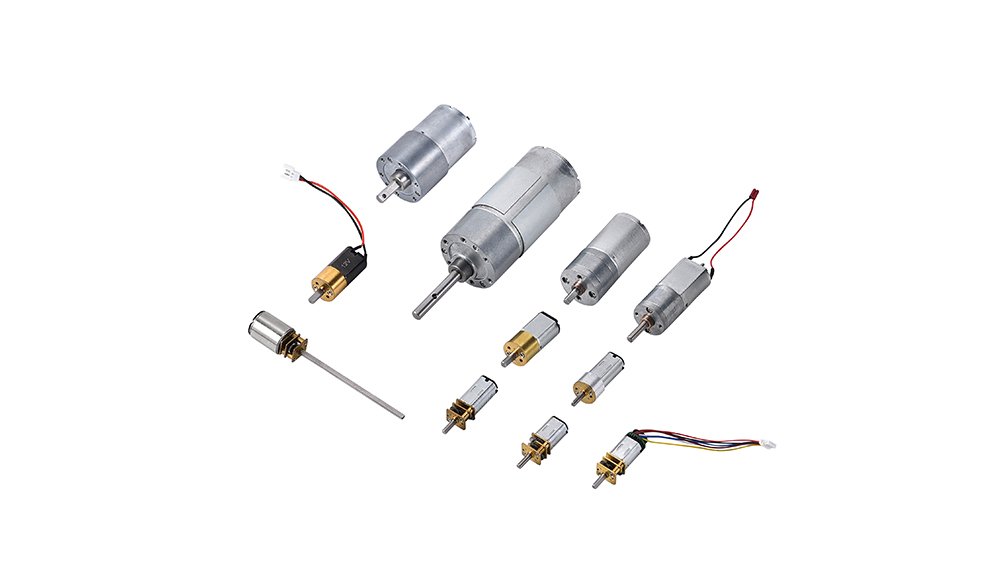
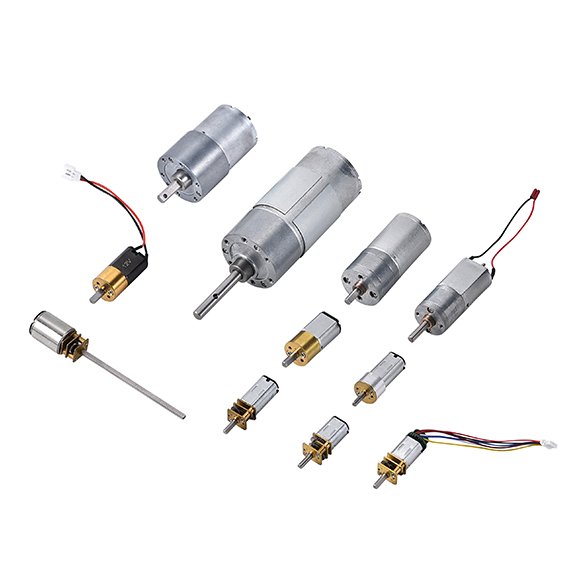
You may think buying low-volume spur gear motors saves money, but hidden logistics costs can quickly add up and surprise you. Shipping, handling, storage, and customs delays often increase your total expenses. Administrative work, idle inventory, over-packaging, and last-mile delivery risks can hurt your efficiency. Even with reliable INEED Spur Gear Motors, these challenges affect your supply chain and operations.
Key Takeaways
Hidden logistics costs can quickly add up when purchasing low-volume spur gear motors. Be aware of shipping, handling, and customs fees that can increase your total expenses.
Customs delays can lead to additional charges. Work with suppliers who provide clear documentation to minimize these risks and avoid unexpected fees.
Idle inventory from low-volume orders can tie up cash and space. Track your inventory closely to prevent over-ordering and manage your cash flow effectively.
Streamline your order processing by choosing suppliers with in-house capabilities. This reduces errors and speeds up delivery times, improving overall efficiency.
Last-mile delivery poses risks for small shipments. Ensure you have reliable tracking and secure packaging to protect your gear motors and maintain customer satisfaction.
Hidden Logistics Costs in Low-Volume Spur Gear Purchases
When you buy spur gear motors in small quantities, you face many hidden logistics costs that can surprise you. These costs often go unnoticed until they start to affect your budget and supply chain. Even if you choose high-quality products like INEED Spur Gear Motors, these extra expenses can impact your operations and overall efficiency.
Shipping and Handling Fees
Shipping and handling fees can quickly add up when you order low volumes of spur gear motors. You pay more per unit because you do not benefit from bulk shipping rates. Carriers often charge minimum fees, so sending just a few gear motors costs almost as much as shipping a larger batch. You also face extra charges like fuel surcharges, residential delivery fees, and special handling for fragile or custom gear motors.
Here is a table that shows how shipping and handling fees affect your cost per unit:
Factor | Impact on Cost per Unit |
|---|---|
Minimum Order Quantity (MOQ) | Low MOQ (1 or 2 pieces) increases per-unit cost due to lack of economies of scale. |
Volume and Customization | Low-volume orders generally have higher per-unit prices due to reduced production efficiency. |
Supply Chain & Logistics | Additional costs (10–20%) from global sourcing and shipping logistics affect overall pricing. |
You see that ordering just a few gear motors means you pay more for each one. The lack of economies of scale makes every shipment less efficient. If you need custom features or special packaging, the costs rise even higher. INEED Spur Gear Motors come with secure packaging and tracking, but small orders still face these unavoidable logistics challenges.
Customs Delays and Demurrage
Customs processes can create hidden logistics costs for your low-volume gear motor orders. When your shipment arrives at a border, customs officials may hold it for inspection. This delay can lead to demurrage fees, which are charges for storing your gear motors at the port or warehouse while waiting for clearance. You may also need to pay for extra paperwork, brokerage services, or compliance checks.
If you order only a few gear motors, you cannot spread these costs over many units. Each delay or fee increases your total cost per gear motor. Even with INEED’s careful documentation and compliance, customs delays can still happen. You must plan for these risks and include them in your budget.
Tip: Work with suppliers who provide clear shipping documents and have experience with international logistics. This can help reduce customs delays and unexpected fees.
Idle Inventory and Storage
When you buy low volumes of spur gear motors, you might think you avoid storage costs. In reality, you may end up with idle inventory if your project gets delayed or your demand changes. Storing even a small number of gear motors in your facility takes up space and ties up your cash. You also risk damage or loss if the gear motors sit unused for too long.
Over-packaging is another hidden logistics cost. Suppliers often use extra materials to protect small shipments, which increases both shipping weight and storage needs. You pay more for storage and disposal of packaging materials. INEED Spur Gear Motors arrive in protective packaging to ensure quality, but you should plan for the extra space and handling required.
You need to track your inventory closely and avoid over-ordering. Idle gear motors can hurt your cash flow and reduce your supply chain performance. By understanding these hidden logistics costs, you make better decisions and keep your operations running smoothly.
Administrative Overhead and Coordination
Order Processing Complexity
You may not realize how much time and effort go into processing low-volume gear orders. Each order often requires manual entry, custom documentation, and special attention to delivery schedules. These steps increase the risk of mistakes and slow down your supply chain. When you order a small number of gear motors, you often face longer lead times. The need for transparency in production scheduling means you must track every step closely. If you choose between turn-key and partial-process options, you add another layer of decision-making. This can affect your gear order’s efficiency and accuracy.
Manufacturers with in-house capabilities, such as heat treatment and grinding, can help reduce errors and delays. When these steps are outsourced, you may see more mistakes and longer wait times. Every extra step in the process adds to your hidden logistics costs. You want your gear motors to arrive on time and meet your performance needs, but complex order processing can make this difficult.
Note: Streamlining your order process and working with suppliers who handle most steps in-house can improve your results.
Supplier Communication with INEED
Clear communication with your gear supplier is essential. You need to share your technical requirements, delivery timelines, and any customization needs for your gear motors. INEED supports you with dedicated sales engineers who guide you through each step. They help you select the right gear motor, confirm specifications, and track your order status.
You can expect regular updates and quick responses from INEED. This reduces confusion and helps you avoid delays. When you work with a supplier who values communication, you see better supply chain efficiency and fewer errors. INEED’s team understands the importance of logistics and works to keep your gear orders on track. Good coordination ensures your gear motors meet your expectations and support your project’s success.
Last-Mile Logistics and Delivery Risks
Delivery Reliability for Spur Gear Motors
Last-mile logistics can create unexpected challenges for your spur gear orders. You may notice that the final stage of delivery often costs more than you expect. Small shipments of gear motors face higher risks of delays, lost packages, or damage. Carriers sometimes struggle to deliver low-volume gear orders on time, especially in remote areas or during busy seasons. You pay extra for special handling or urgent delivery, which increases your hidden logistics costs.
You need reliable delivery to keep your gear supply chain running smoothly. INEED understands these risks and works to protect your gear motors. The company uses secure packaging and advanced tracking systems. You can monitor your gear shipment from the factory to your door. This reduces the chance of loss or damage and helps you plan your project timeline.
Tip: Always check the tracking information for your gear order. You can spot problems early and contact your supplier if you see delays.
Customer Satisfaction Impact
Last-mile logistics affects your customer satisfaction. If your gear motors arrive late or damaged, your project may suffer. You risk missing deadlines or losing trust with your clients. Small gear orders are more vulnerable to these issues because carriers may not prioritize them. You need to manage these risks to protect your reputation.
INEED helps you by focusing on quality packaging and reliable tracking. You receive gear motors that meet your performance needs and arrive safely. The company’s attention to last-mile logistics supports your supply chain and keeps your customers happy.
Here is a quick summary of last-mile logistics risks for spur gear motors:
Risk Factor | Impact on Low-Volume Gear Orders |
|---|---|
Delivery Delays | Project timeline disruption |
Package Damage | Reduced gear performance |
Lost Shipments | Increased replacement costs |
Tracking Gaps | Harder to resolve delivery issues |
You can reduce hidden logistics costs by choosing suppliers who understand last-mile logistics. INEED’s solutions help you avoid common delivery problems and improve your gear supply chain.
Cost Drivers and Supply Chain Performance
Rising Fuel and Routing Costs
You face many cost drivers when you buy low-volume gear motors. Rising fuel prices and complex routing can increase your expenses quickly. Shipping companies adjust their rates based on fuel costs. When fuel prices go up, you pay more to move your gear motors from the factory to your location. Routing also matters. If your gear shipment takes a longer or less direct route, you see higher costs and longer delivery times.
Here is a table that shows how different cost drivers affect your profitability:
Cost Driver | Impact on Profitability |
|---|---|
Material Costs | Directly influence production costs and pricing strategies. |
Manufacturing Processes | Affect efficiency and overall production costs. |
Supply Chain Optimization | Enhances market competitiveness and reduces costs. |
You need to balance product innovation with cost-efficiency. High development costs and complex gear systems can limit your market growth. Investing in advanced gear technology improves performance, but it also raises your costs. You must find the right mix to stay profitable, especially in markets where price matters.
Over-Packaging and Shipping Fees
Over-packaging is a hidden cost that affects your gear orders. Suppliers often use extra materials to protect small shipments. This increases the weight and size of your packages, which leads to higher shipping fees. You also pay more for storing and disposing of packaging materials.
You can reduce these costs by choosing the right strategies. Here is a table with some effective methods:
Strategy | Key Benefits |
|---|---|
Using Standard Sizes | More affordable, reduces production costs, maximizes availability, minimizes tooling requirements |
Selecting Plastic for Lower Loads | Cost savings, suitable for low to medium duty cycles, allows for cost-effective manufacturing |
Optimizing Gear Design | Extends material life, reduces replacement costs, ensures design efficiency |
Balancing Material Properties | Matches material to load, prevents overengineering, considers operating speeds |
You should match your packaging and material choices to your gear’s needs. This helps you avoid overengineering and keeps your costs down. By focusing on design and material selection, you improve your supply chain and support better gear performance. Smart choices in logistics and packaging help you stay competitive and profitable.
Mitigating Hidden Costs with INEED Solutions
Customization and Order Consolidation
You can lower hidden logistics costs by customizing your gear orders and consolidating shipments. INEED offers flexible gear manufacturing options. You select the exact gear size, shaft type, and reduction ratio you need. This means you avoid over-ordering or buying unnecessary features. When you combine several gear orders into one shipment, you save on shipping and handling. You also reduce the risk of idle inventory. INEED’s team helps you plan your orders so you get the right gear at the right time. This approach supports cost reduction and improves your supply chain.
Tip: Ask INEED about batch ordering and custom packaging to further streamline your gear manufacturing process.
Quality Control and Risk Management
INEED uses strict quality control at every stage of gear manufacturing. You benefit from in-house inspections, material tests, and performance checks. This reduces the chance of receiving faulty gear. Reliable gear means fewer returns and less downtime. INEED tracks each gear shipment and uses protective packaging to prevent damage. You can trust that your gear will arrive in top condition. This focus on quality control helps you avoid extra costs from delays or replacements.
Here is a quick checklist for quality assurance:
Inspect gear materials before production
Test gear performance after assembly
Use secure packaging for all gear shipments
Track gear orders until delivery
Decision Framework for Buyers
You need a clear plan to evaluate and reduce hidden logistics costs in gear manufacturing. Start by listing all possible costs, such as shipping, storage, and administrative work. Compare suppliers based on their support, technical help, and ability to customize gear. INEED provides detailed quotes and technical advice. You can use this information to make smart choices.
Step | What to Do |
|---|---|
Identify Costs | List all gear-related logistics expenses |
Evaluate Suppliers | Check gear manufacturing support and flexibility |
Plan Orders | Consolidate gear orders for efficiency |
Review Performance | Track gear delivery and quality |
By following this framework, you make informed decisions and keep your gear supply chain efficient.
You need to recognize hidden logistics costs when buying low-volume gear. These costs can erase savings and slow your supply chain, even if you trust your gear supplier. For example, a company that chose the lowest-priced gear vendors saw costs rise because of delays and poor support. You should focus on building strong partnerships for your gear needs.
Picking gear partners based only on price often leads to extra costs and delivery problems.
Reliable gear suppliers like INEED help you reach your goals by offering transparency and quick responses.
To manage gear costs, follow these steps:
Check your gear supplier’s technical skills and experience.
Confirm gear quality and certifications.
Test gear samples for performance.
Track gear delivery and reorder rates.
Choose gear suppliers based on total value, not just price.
By taking these actions, you keep your gear supply chain strong and efficient.
FAQ
What are the main hidden costs when you buy low-volume gear motors?
You face extra shipping, handling, and storage costs. Customs delays and over-packaging also add to your expenses. Each gear order can include administrative fees and last-mile delivery risks. These costs often surprise buyers who focus only on the gear price.
How can you reduce logistics costs for gear orders?
You can consolidate gear shipments and customize your gear orders. Choose suppliers who offer clear communication and strong support. Track each gear delivery and plan your gear inventory carefully. This helps you avoid idle gear stock and extra fees.
Why does last-mile delivery matter for gear shipments?
Last-mile delivery affects your gear’s arrival time and condition. Small gear orders face higher risks of delays or damage. Reliable tracking and secure packaging protect your gear. You keep your projects on schedule when you manage this part of the gear supply chain.
How does INEED help you manage gear logistics?
INEED provides quality control, secure packaging, and real-time tracking for every gear shipment. You get support from sales engineers who guide your gear order from start to finish. This reduces mistakes and keeps your gear supply chain efficient.
What should you check before choosing a gear supplier?
You should review the supplier’s gear quality, certifications, and delivery record. Test gear samples and confirm technical support. Make sure the supplier can customize gear to your needs. Strong partnerships help you avoid hidden gear costs and improve your results.