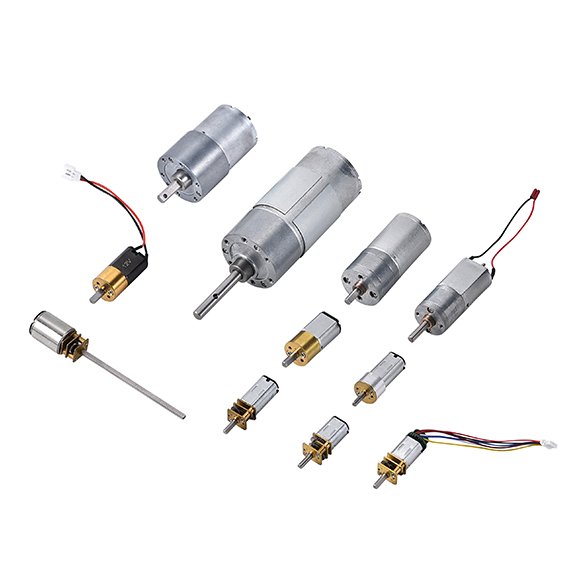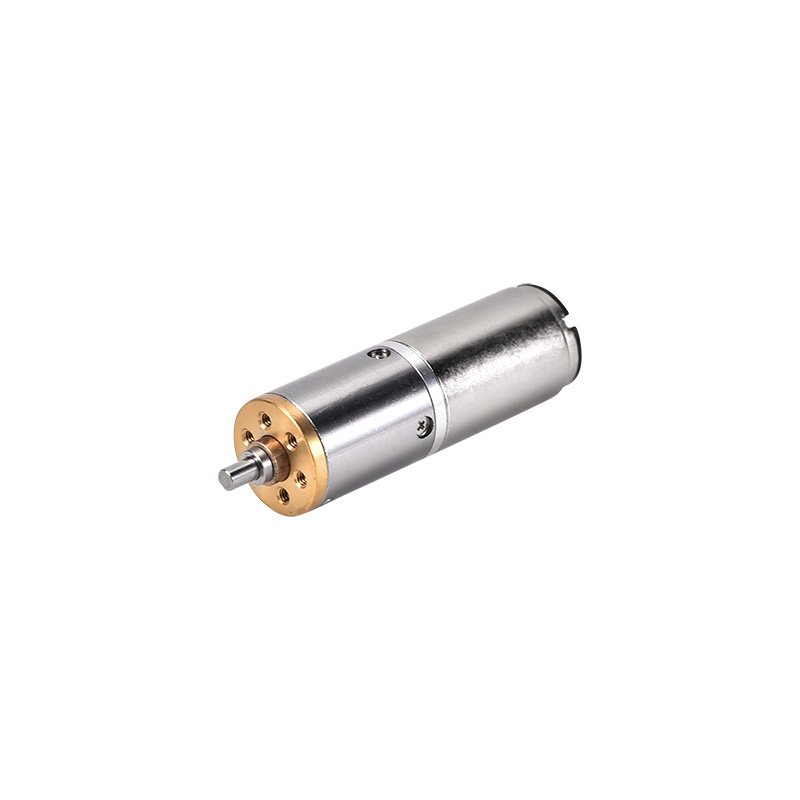
If you need a high torque motor for your actuator project, you should look at popular 12V options like DC reduction motors and large gear reducers. These motors deliver the output torque required for reliable actuator movement at low RPM.
Motor Type | Gearbox OD | Motor Diameter | Torque Specification |
|---|---|---|---|
DC Reduction Motor | 60mm | 55mm | High Torque suitable for actuators |
Large Gear Reducer | 88mm | 71mm | Maximum output torque for low RPM needs |
You improve system reliability when you match the motor’s torque, speed, and efficiency to your actuator’s demands. INEED offers high-quality motors and customization to help you achieve the best results.
Key Takeaways
High torque, low RPM 12V motors are essential for actuator projects, providing the strength needed for precise movement.
DC reduction motors, INEED Planetary Gear Motors, and worm drive motors each offer unique benefits for different applications.
Always match the motor’s torque and speed ratings to your actuator’s requirements for optimal performance and reliability.
Consider factors like size, gear ratio, and environmental conditions when selecting a motor to ensure it fits your project needs.
Choose reputable brands like INEED for quality control and customization options to enhance your actuator systems.
High Torque Motor Options
12V DC Gear Motors
You often need a high torque motor when you want to move an actuator with precision and strength. A 12v dc motor with high torque and low rpm gives you the power to lift, push, or rotate heavy loads smoothly. These motors use gear reduction to lower speed and boost torque, making them perfect for actuator applications. You can find 12v low speed high torque motors in many sizes and configurations. They fit robotics, automation, and industrial equipment.
A 12v dc motor with high torque and low rpm usually offers a wide range of speeds and torque values. For example, you can choose a 12 volt motor high torque low rpm model with speeds from 5 RPM to 2000 RPM. The output torque can range from 1gf.cm up to 50kgf.cm. This flexibility lets you match the motor to your actuator’s needs.
Output Torque Range | Output Speed Range |
|---|---|
1gf.cm – 50kgf.cm | 5-2000 RPM |
You get reliable performance from 12v low speed high torque motors. These motors work well in environments where you need both strength and control. Many 12v dc motors with high torque and low rpm are also precision gear motors, which means they deliver accurate movement for your actuator.
Tip: When you select a 12v low speed high torque motor, always check the torque and speed ratings. This ensures your actuator will perform as expected.
INEED Planetary Gear Motor
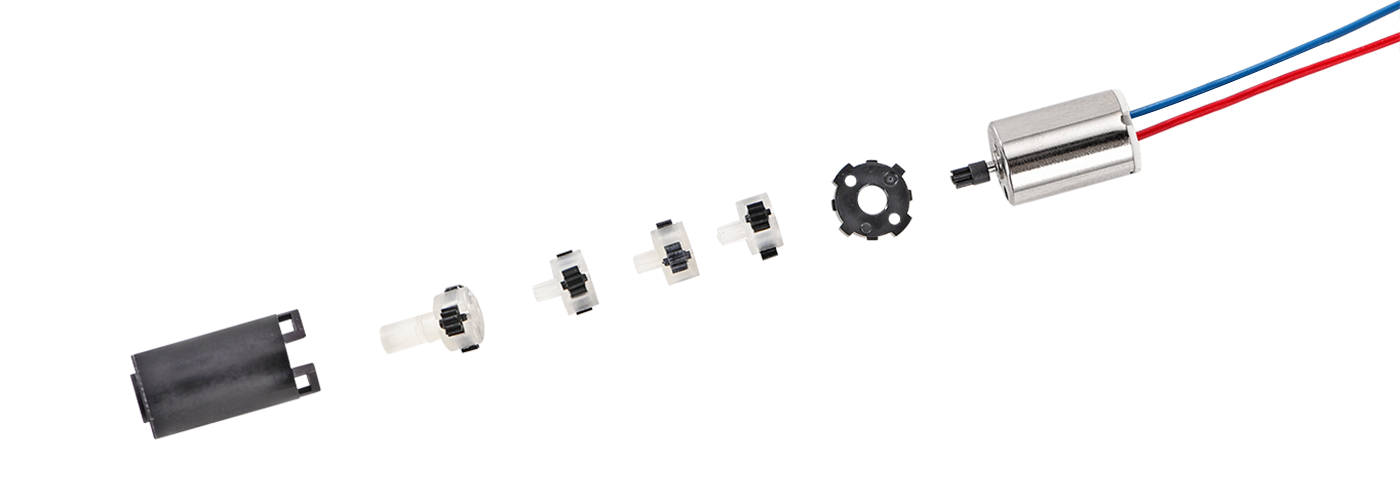
If you want the best combination of high torque and low rpm, you should consider the INEED Planetary Gear Motor. This 12v dc motor with high torque and low rpm stands out because of its advanced design. The planetary gear system uses multiple gears to share the load. This increases torque and improves durability. You can use this 12v low speed high torque motor in tight spaces because of its compact shape.
The INEED 6mm Planetary Gear Motor offers many gear ratios, such as 5.14:1, 26.45:1, 136.02:1, and 699.55:1 for plastic models. Metal versions provide even more options. You can pick a 12v dc motor with high torque and low rpm that fits your exact needs. The torque density is higher than most other motors because of the multi-stage gear reduction. You also get quieter operation and a longer lifespan due to the use of durable materials.
Feature | INEED Planetary Gear Motor |
|---|---|
Gear Ratios | 5.14:1, 26.45:1, 136.02:1, 699.55:1 (plastic) |
Torque Density | Higher due to multi-stage gear reduction |
Operation Noise | Lower than spur gear alternatives |
Lifespan | Longer with durable LCP gear materials |
Voltage Range | 3V-24V DC |
Special Versions | Low-voltage options for 1.5V devices |
You can trust INEED’s quality control and customization. The company offers 12v low speed high torque motors that meet strict standards. You can request custom gear ratios, output shafts, and even encoders. This makes the INEED Planetary Gear Motor a top choice for actuator projects that need high torque and low rpm.
Note: High torque and low rpm motors are essential for actuator applications in many industries. They provide high torque density at low speeds, which is ideal for precise movement and holding positions. These motors can also maintain a stall position without overheating, which increases reliability.
Worm Drive Motors
You may need a 12v dc motor with high torque and low rpm that can hold a load in place without power. Worm drive motors offer this feature. These 12v low speed high torque motors use a worm gear to achieve high torque and low rpm. The self-locking design prevents reverse motion, which is perfect for lifting or holding applications.
You benefit from several advantages when you use a worm drive 12v low speed high torque motor:
Self-locking capability keeps actuators in position, even when power is off.
High torque output at low speeds ensures smooth and controlled movement.
Compact design fits into small spaces.
Quiet operation reduces noise in your system.
Durable construction means less wear and longer life.
You can use a 12 volt motor high torque low rpm worm drive in space-constrained environments. The smooth and quiet operation makes these motors suitable for medical devices, robotics, and home automation.
Remember: Always match the output torque and speed of your 12v low speed high torque motor to your actuator’s requirements. This ensures safe and efficient operation.
You have many options when choosing a high torque motor for your actuator. 12v dc gear motors, INEED Planetary Gear Motors, and worm drive motors all deliver high torque and low rpm. Each type offers unique benefits for different actuator applications.
Key Parameters for 12V Low Speed High Torque Motor
When you select a high torque motor for your actuator, you need to evaluate several technical parameters. These factors help you match the motor to your application and ensure reliable performance. Let’s break down the most important ones.
Torque and RPM
Torque measures the force that the motor can deliver to move or hold a load. RPM stands for revolutions per minute and shows how fast the motor shaft spins. You want a high torque motor with low RPM for actuators that need strength and precise control. The balance between torque and speed is critical. If you need to lift or push heavy loads, choose a motor with higher torque and lower speed. Understanding torque-speed curves helps you see how the motor performs under different loads. Running torque is the force the motor provides during operation, while load torque is the force needed to move your actuator. Gear reduction enhances torque by lowering speed and multiplying force, which is ideal for actuator tasks.
Voltage and Efficiency
Voltage affects how much power your motor uses. A 12V motor is energy-efficient and works well for lighter tasks. If you need more force or speed, you might consider a 24V motor. Efficiency matters because it reduces energy costs and heat buildup. Efficient motors last longer and perform better. Gear reduction enhances torque without wasting energy, so you get more power at lower speeds.
12V motors are cost-effective and save energy.
24V motors suit demanding jobs with higher speed and force.
Always match voltage to your actuator’s needs for best results.
Size and Mounting
Size and mounting options determine how easily you can fit the motor into your system. Compact motors work well in tight spaces. You should check the physical dimensions and weight before choosing. Mounting options like pin-to-pin or low-profile designs make installation easier. Consider space constraints and environmental conditions when planning your actuator setup. Gear reduction enhances torque even in small motors, so you don’t have to sacrifice power for size.
Compact actuators solve space challenges.
Innovative mounting helps you fit motors in tight spots.
Always check stroke length, speed, and force requirements.
Gear Ratio and Material
Gear ratio is key for torque multiplication and speed reduction. A higher gear ratio means more torque and less speed. For example, a 10:1 gear ratio multiplies the input torque by ten. Gear reduction enhances torque, letting you move heavier loads with less effort. Material selection affects durability and efficiency. Motors made from steel, brass, or plastic offer different strengths and lifespans. Following industry standards ensures you get reliable performance.
Gear ratios multiply torque and reduce speed.
Strong materials increase motor life and efficiency.
Gear reduction enhances torque for tough jobs.
Tip: INEED offers many customization options for high torque motors. You can choose output shaft types, gear ratios, and speed settings. Their strict quality control includes lifetime testing and performance checks, so you get reliable motors for your actuator projects.
Customization Options | Quality Control Measures |
|---|---|
Wide range of small motors tailored for needs | Comprehensive inspections |
Selection of output shaft type | Lifetime testing |
Gear reduction ratio | Performance checks |
Speed options | Meets strict standards for reliability and performance |
High Torque Low RPM Motor Applications
Robotics Actuators
You see high torque motor technology at the heart of modern robotics. These motors give you the power and control needed for precise movement in a robotic arm. When you build a robot, you want each joint to move smoothly and hold its position under load. High torque, low RPM 12V motors make this possible. For example, INEED’s planetary gear motors help you achieve stable and accurate motion in robotic arms and mobile robots.
Medical Devices
You find high torque, low RPM 12V motors in many medical devices. These motors help you achieve smooth and reliable movement in equipment like blood pressure meters, infusion pumps, and surgical robots. INEED’s motors support patient lifters and automatic wheelchairs, giving you safe and quiet operation. Here are some common uses:
Blood pressure meters
Medical ventilators
Surgical staplers
Infusion pumps
Dental instruments
You can trust these motors to deliver steady force and precise control, which is vital for sensitive medical tasks.
Industrial Automation
You rely on high torque motor solutions for industrial automation. These motors power conveyor systems, robotic arms, and assembly machines. In a factory, you want your robotic arm to move heavy parts and repeat tasks with accuracy. High torque, low RPM 12V motors give you the strength and control needed for these jobs. INEED’s motors work in production lines, packaging machines, and pick-and-place robots. You benefit from smooth workflows and reduced downtime.
Conveyor systems move materials efficiently.
Robotic arms handle heavy loads and perform precise movements.
Infusion pumps in medical manufacturing use these motors for accurate fluid delivery.
Home Automation
You can upgrade your home with high torque, low RPM 12V motors. These motors help you automate curtains, smart locks, and adjustable furniture. You get quiet operation and reliable performance in a compact design. The table below highlights the main advantages:
Advantage | Description |
|---|---|
Precision Control | Achieves high precision, ideal for tasks requiring accuracy. |
Energy Efficiency | Reduces energy consumption, leading to cost savings over time. |
Compact Design | Allows for easy integration into tight spaces without sacrificing performance. |
Enhanced Torque | Provides durability and reduces maintenance needs due to strong gears. |
You enjoy more comfort and convenience at home with these smart actuator systems.
Tip: INEED’s high torque motor options help you build reliable and efficient actuator systems for robotics, medical devices, industrial automation, and home automation.
12V DC Motor Comparison
Performance Overview
When you compare 12V DC motors for actuator applications, you need to focus on a few important performance metrics:
Torque ratings show how much force a motor can deliver. This is very important if you want to move heavy loads with your high torque motor.
High torque helps you achieve precise movement in robotics and medical devices.
Speed and torque have an inverse relationship. If you increase torque, speed usually decreases.
You must balance torque and speed to match your actuator’s needs.
A planetary gear motor uses a special design with a central gear and several smaller gears around it. This setup gives you higher torque in a compact size. You also get less backlash and more durability compared to spur gear motors.
Cost and Availability
You will find that planetary gear motors cost more than spur gear motors. The extra cost comes from their advanced design and higher torque output. If you need a high torque motor that is compact and durable, planetary gear motors are a smart choice. Spur gear motors are more affordable and simple to maintain, but they may wear out faster and make more noise.
Choose planetary gear motors for high torque, small size, and long life.
Pick spur gear motors if you want a budget-friendly option and do not need as much torque.
You can get high-quality motors from INEED with many customization options. INEED offers reliable supply and support for your actuator projects.
Pros and Cons
The table below helps you compare the main advantages and limitations of planetary gear motors and other types:
Feature | Planetary Gear Motor (INEED) | Spur Gear Motor / Worm Drive |
|---|---|---|
High torque in a small package | Larger for same torque | |
High Torque Density | Shares load efficiently for more torque | Lower torque density |
Efficiency | Up to 95% efficient | Lower for worm drives |
Low Backlash | Precise motion for robotics and CNC | More backlash, less accuracy |
Versatility | Works in many industries | Limited to basic tasks |
Adaptability | Custom gear ratios and sizes available | Fewer customization options |
Noise | Quiet operation | Noisier, especially spur gears |
Cost | Higher initial investment | Lower cost, easier maintenance |
Tip: If you want a high torque motor for precise and demanding actuator applications, choose a planetary gear motor. If you need a simple and affordable solution, spur gear motors may be enough.
Selection Tips for High Torque Motors
Matching Motor to Actuator Load
Choosing the right high torque motor for your actuator starts with understanding your application. You want to make sure the motor can handle the job. Follow these steps to match your motor to the actuator load:
Gather all important details about your actuator, such as load weight, speed, stroke length, how the load is distributed, space limits, mounting position, accuracy needs, and how quickly you need the actuator to move.
Calculate the torque and speed you need. Find the load inertia, use the load torque formula, convert linear speed to motor RPM, and add a safety margin.
Review different motor options. Compare their specs and see if you need any custom features for a perfect fit.
Test the motor in real-world conditions. Make sure it performs well and stays reliable.
Make your final choice based on test results, space, and budget.
Tip: Always test your motor in the actual setup before making a final decision. This helps you avoid surprises later.
Considering Duty Cycle and Environment
You need to think about how long and how often your motor will run. The duty cycle tells you how much time the motor can operate without overheating. If your actuator runs for long periods, pick a motor built for continuous use. This prevents overheating and extends the motor’s life.
Other factors like temperature, humidity, and dust can affect how well your motor works. Motors in harsh environments need extra protection. Choose a motor designed for your specific conditions to keep your system running smoothly.
Duty cycle affects motor heat and lifespan.
High duty cycles need motors made for continuous operation.
Temperature, humidity, and dust can impact reliability and efficiency.
Sourcing Reliable Brands
When you look for a high torque, low RPM 12V motor, choose a brand that values innovation and quality. Reliable companies invest in research and development, have strong quality control, and offer great customer support. Brands like INEED focus on advanced technology, strict testing, and custom solutions to meet your needs.
INEED gives you support and customization services to help you select the best motor for your actuator. Here are some of the services you can expect:
Service Type | Description |
|---|---|
Custom speed and torque to match your application | |
Gearbox Selection | Help choosing the right gearbox |
Shaft Solutions | Custom output shaft designs |
Connector Options | Different connectors for various requirements |
Encoder Matching | Matching encoders for optimal motor performance |
Note: Working with a trusted brand like INEED ensures you get expert advice, reliable products, and solutions tailored to your actuator project.
You have many strong choices for high torque, low RPM 12V motors. DC gear motors, worm drive motors, and INEED’s Planetary gear motors all deliver reliable power for actuators. Always check the technical specs to match your project’s needs. Trust brands with proven quality. If you want a custom solution, INEED’s Planetary gear motor gives you flexibility and expert support.
Tip: Visit INEED Motors to explore more options and request a custom motor for your actuator.
FAQ
What is the main advantage of a planetary gear motor for actuators?
You get higher torque in a compact size. The planetary design spreads the load across multiple gears. This means you see less wear and longer life. You also enjoy smoother and quieter operation.
How do you choose the right gear ratio for your actuator?
You should match the gear ratio to your speed and torque needs. A higher ratio gives you more torque but less speed. Always check your actuator’s requirements before you decide.
Can you customize INEED motors for special projects?
Yes, you can. INEED offers custom gear ratios, output shafts, and encoders. You can request a motor that fits your exact application. This helps you get the best performance.
Where can you use high torque, low RPM 12V motors?
You can use these motors in robotics, medical devices, industrial automation, and home automation. They work well in any project that needs strong, precise movement at low speeds.