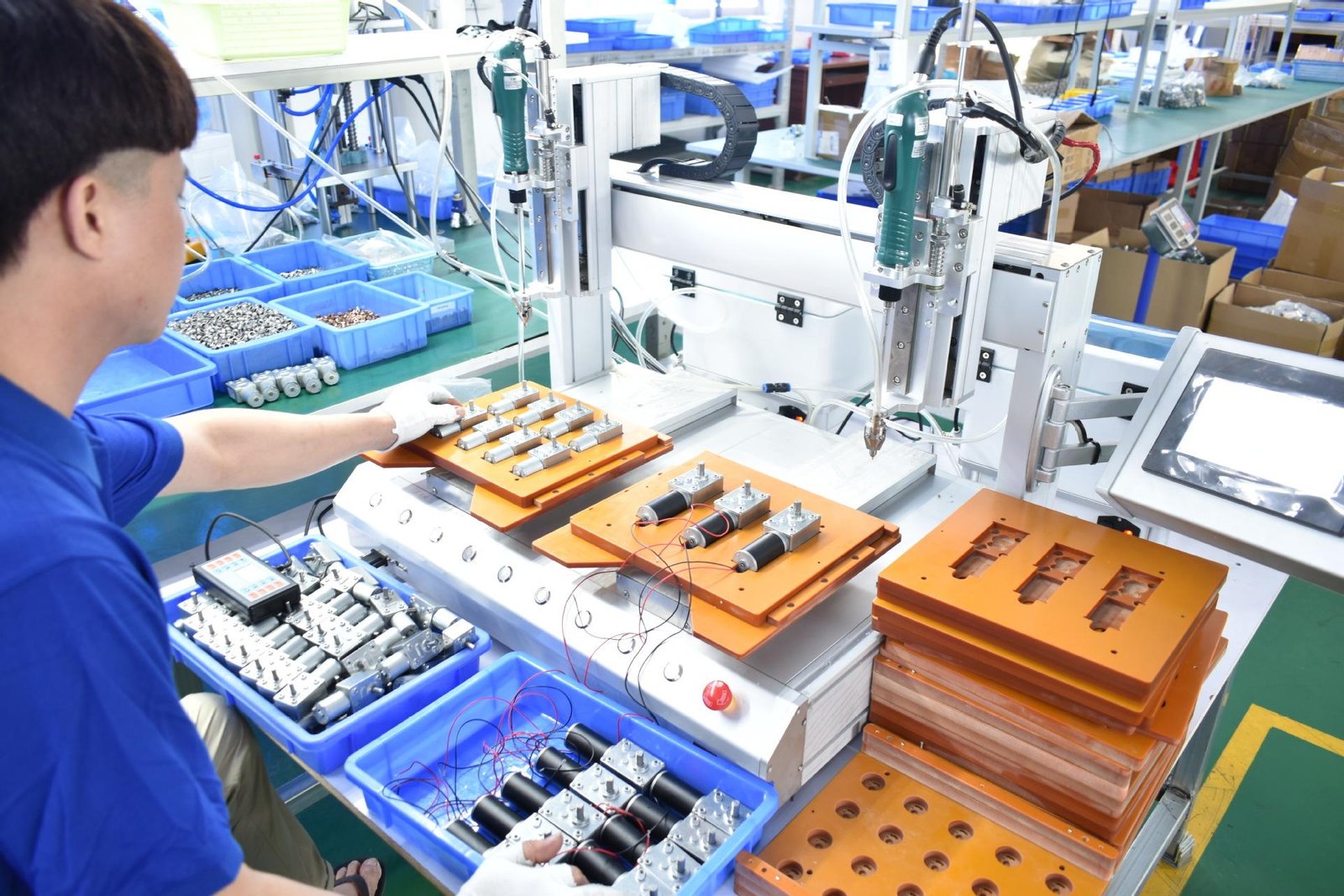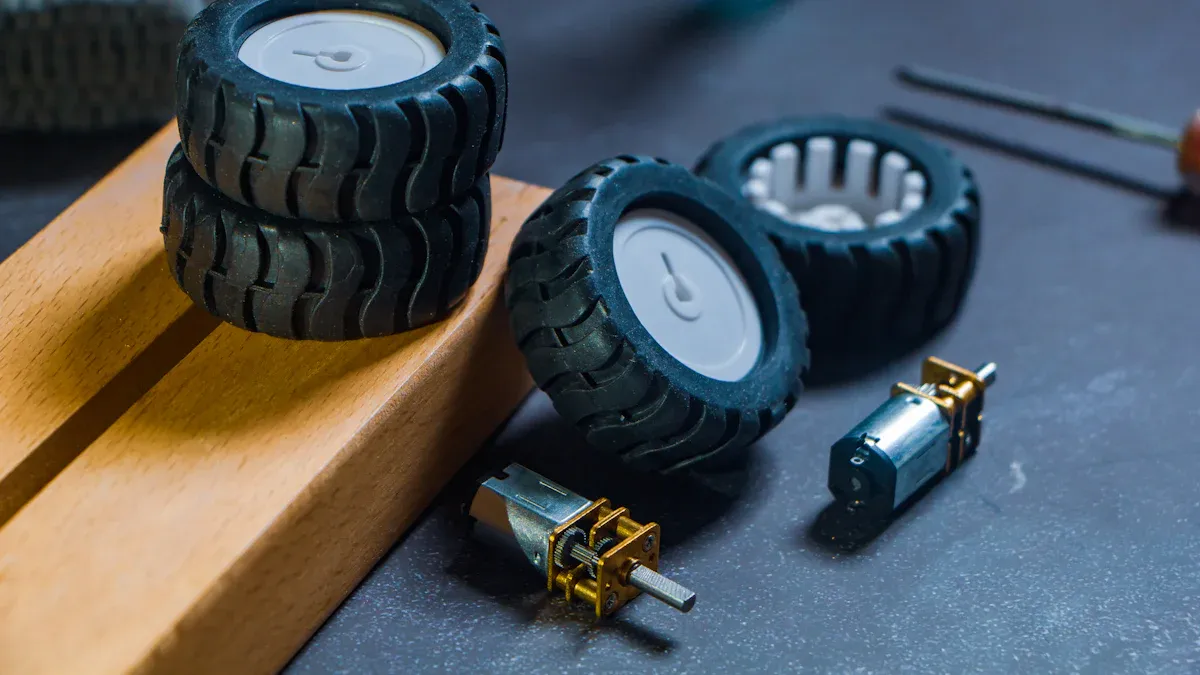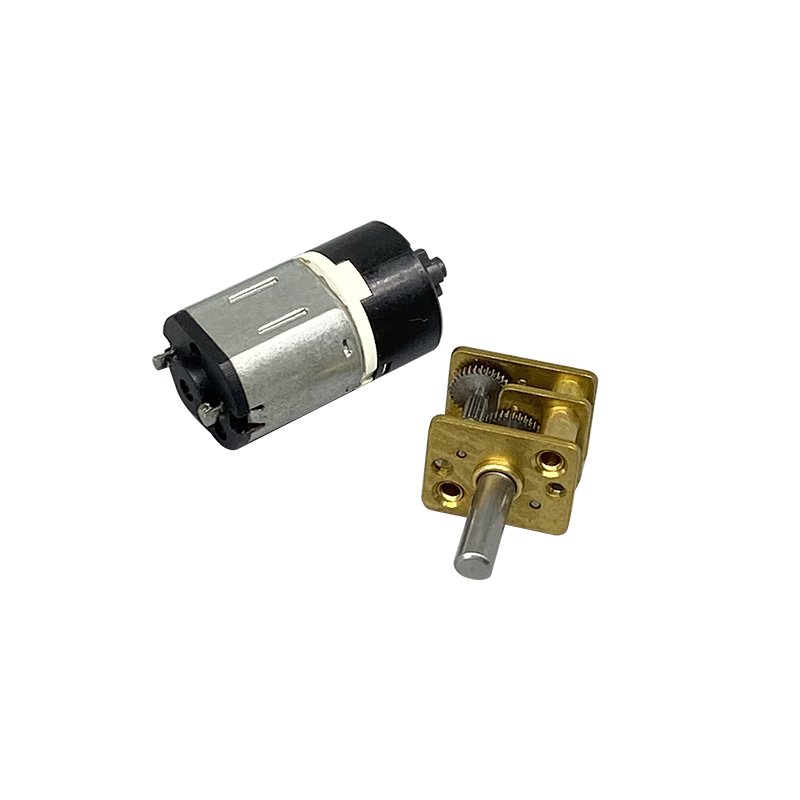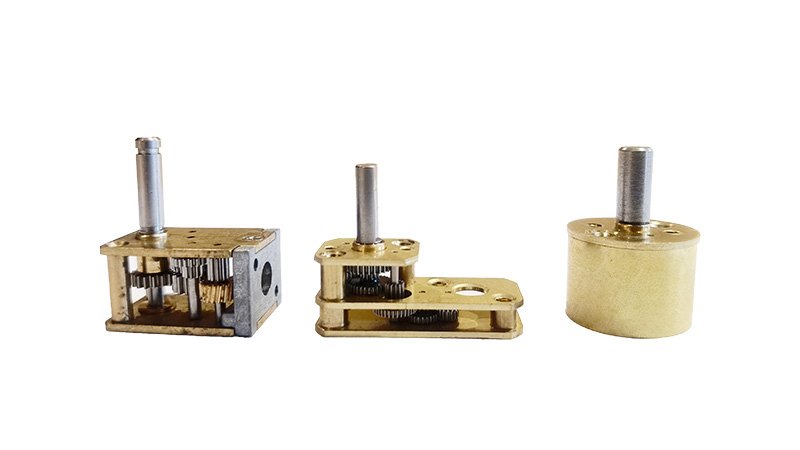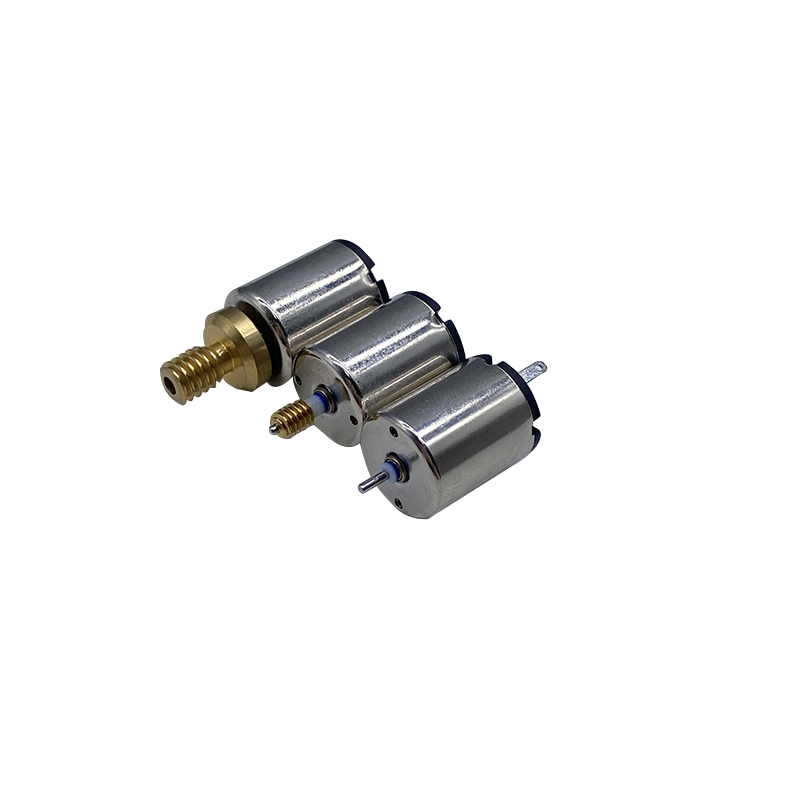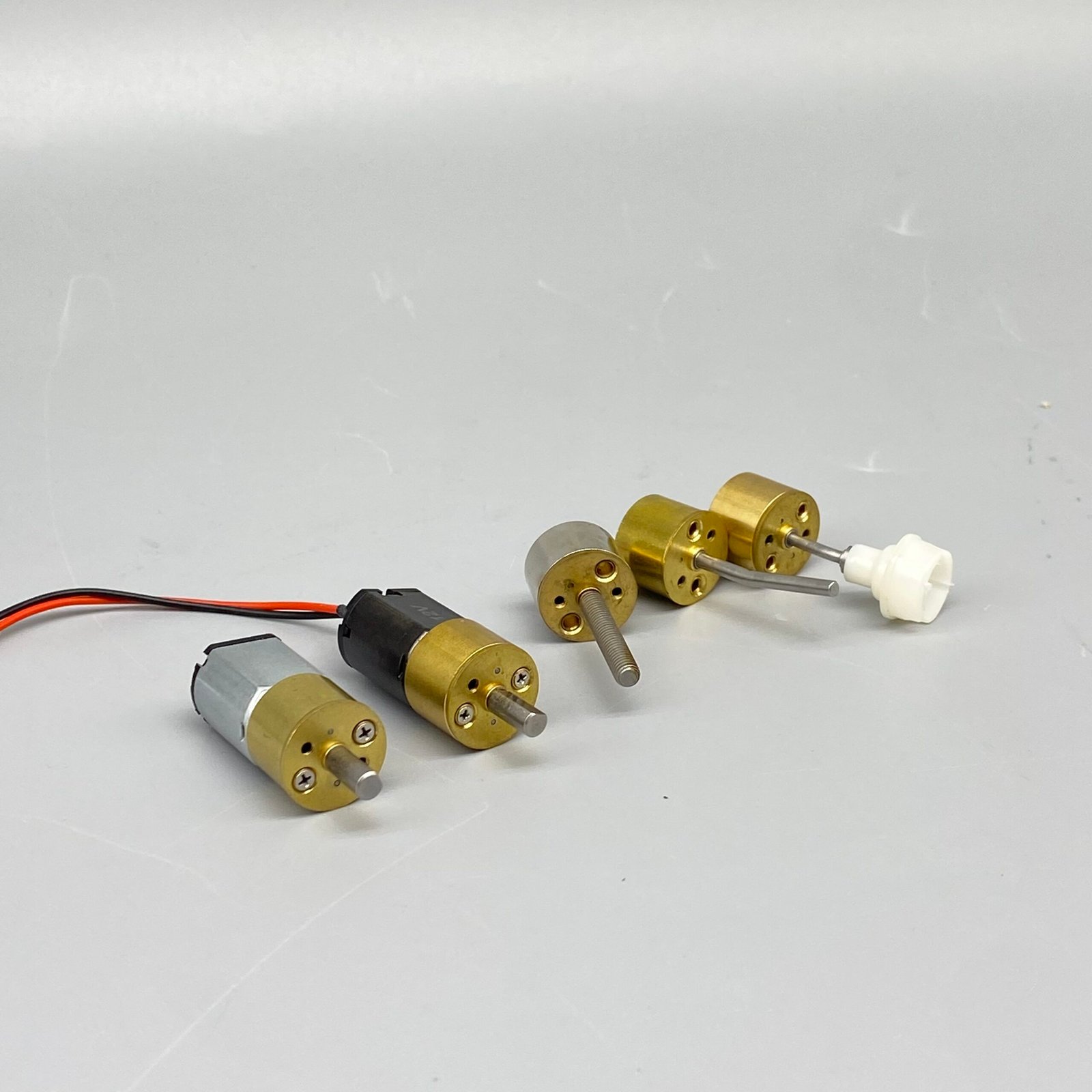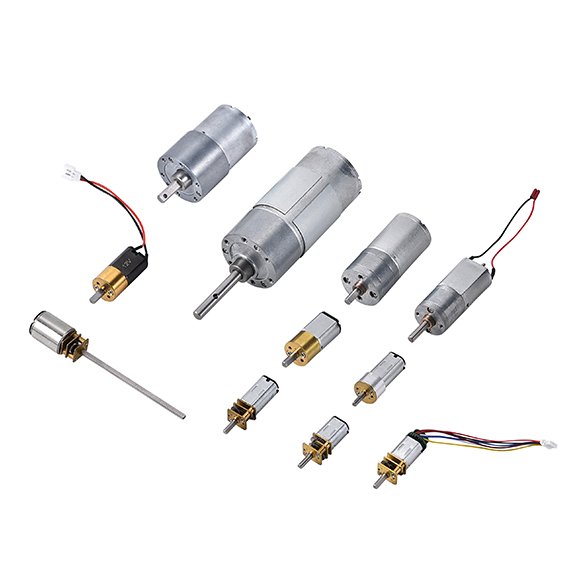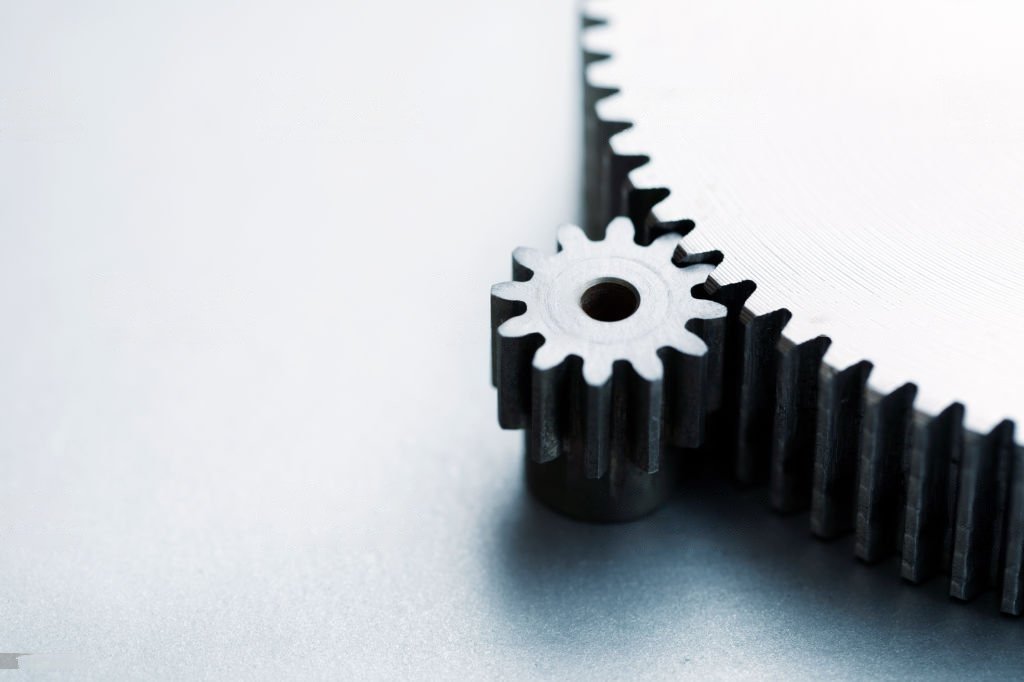
You see spur gearboxes at work when one gear turns another, transferring motion and power with straight teeth. Imagine gears in a clock or a bicycle—one gear moves, and the next follows. INEED specializes in designing reliable and efficient spur gear motors for many industries. You find spur gearboxes in steel, paper, cement, sugar, automotive, manufacturing, household appliances, aerospace, and defense. Their simple design keeps costs low and lead times short, making them a preferred choice for budget-sensitive applications.
Key Takeaways
Spur gearboxes are efficient, with transmission efficiency reaching up to 99%. This means most of the input power is effectively used.
Proper alignment and installation of spur gears are crucial. Misalignment can lead to increased wear and reduced lifespan.
Regular maintenance, including lubrication and inspections, is essential for prolonging the life of spur gear motors.
Spur gear motors can be customized for various applications, making them versatile for industries like robotics, automotive, and consumer electronics.
You can find spur gearboxes in everyday devices, such as washing machines and clocks, highlighting their reliability and simplicity.
Spur Gearboxes Explained
What Are Spur Gearboxes
You encounter spur gearboxes in many machines because they offer a simple and effective way to transfer power. Spur gearboxes use spur gears, which are cylindrical gears with straight teeth that run parallel to the gear axis. These gears connect two parallel shafts, allowing you to transmit rotational motion and power from one shaft to another. The main reason engineers choose spur gearboxes is their high efficiency. You can expect transmission efficiency as high as 98% to 99%. This means almost all the power you put in gets delivered to the output.
Spur gearboxes stand out for their straightforward structure and low manufacturing cost. You find them in many industries, such as automotive, robotics, industrial machinery, and even home appliances. When you need precise speed and position control, spur gearboxes provide a reliable solution. The design of spur gears includes important parameters like Pitch Circle Diameter (PCD), Module or Diametral Pitch (DP), Pressure Angle, and Number of Teeth. These factors help you achieve the right speed ratio and torque for your application.
Tip: You can spot spur gearboxes in everyday devices like washing machines, clocks, and even wind turbines. Their reliability and simplicity make them a top choice for engineers.
How Spur Gearboxes Operate
You might wonder why spur gearboxes work so well in so many settings. The answer lies in their operation and the careful design of each component. Spur gears inside the gearbox mesh together, with their straight teeth making full contact along the width of the gear. This design ensures smooth and consistent motion transfer between the shafts.
The operation of a spur gearbox follows a series of precise steps:
Manufacturers select the right raw materials for the gears, often choosing steel, brass, or advanced plastics based on the application.
They create a gear blank by milling the material into the desired shape.
Gear teeth are cut into the blank using hobbing, shaping, or grinding.
Burrs from the cutting process are removed to ensure smooth operation.
Heat treatment increases the hardness and durability of the gear.
Additional finishing, such as adding keyways or protective coatings, is applied.
Each gear undergoes a final inspection to guarantee quality.
The choice of material and heat treatment affects how well the spur gearbox performs. For example, high-torque applications use steel alloys with special heat treatments for strength, while quieter or lighter applications might use engineered plastics. Here is a quick overview:
Application | Recommended Material | Heat Treatment | Key Benefits |
|---|---|---|---|
High torque (trucks) | 20CrMnTi | Carburizing + quench + temper | High contact strength |
Medium load (agriculture) | 45# / 40Cr | Induction hardening | Good toughness, easy machining |
Precision gear (automation) | 38CrMoAl | Nitriding | High surface hardness, low distortion |
Low load / quiet drive | POM, PA, PEEK | Surface coating or none | Lightweight, low noise |
Proper alignment of spur gears is critical. If you install the gears correctly, you maximize efficiency and reduce wear. Misalignment causes uneven wear, more friction, and vibration, which can lower the efficiency and lifespan of the gearbox.
You benefit from spur gearboxes because they maintain a constant speed ratio and deliver reliable power transmission. Their simple design means fewer parts can fail, and you can count on them for precise motion control. This is why you see spur gearboxes in so many essential machines and devices.
Spur Gears and Key Components
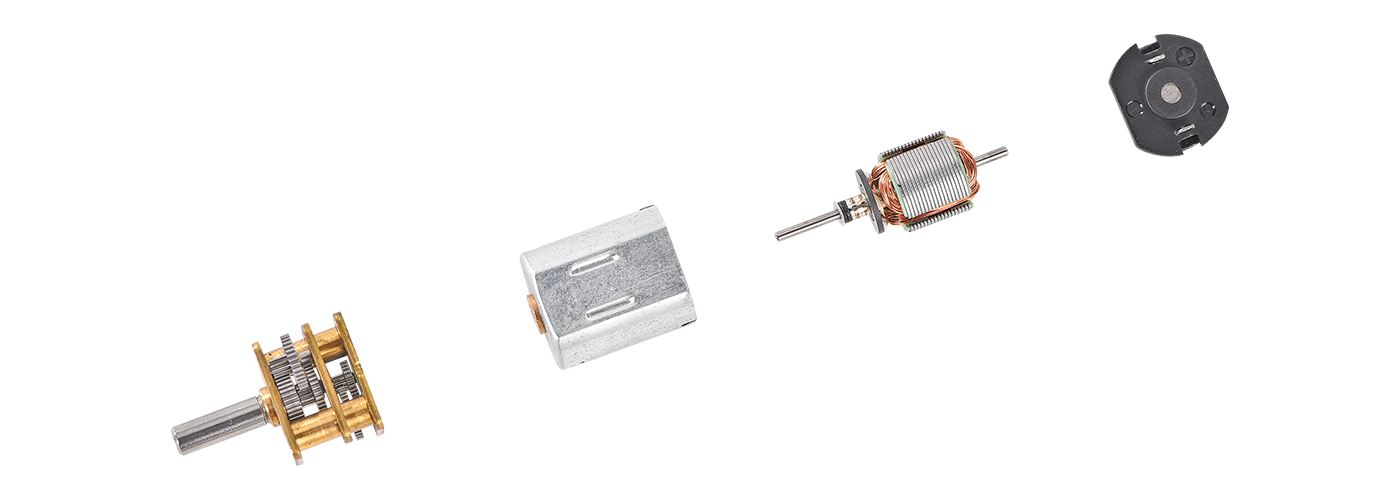
Spur Gears in INEED Spur Gear Motors
You rely on spur gears because they deliver efficient and reliable power transmission. Spur gears have straight teeth that mesh together, allowing you to transfer motion between parallel shafts with minimal energy loss. You see spur gears in INEED spur gear motors, where engineers use steel and brass to meet industry standards for strength and durability. Steel provides high strength for torque-heavy tasks, while brass offers smooth operation and long life.
Material | Properties | Industry Standard Alignment |
|---|---|---|
Steel | High strength, durability | Meets high durability requirements for torque-heavy tasks |
Brass | Good wear resistance | Provides longevity and smooth operation in various applications |
You choose spur gears for their simple design and high efficiency. You benefit from their ability to maintain precise speed ratios and consistent torque. INEED spur gear motors use these gears to help you achieve reliable performance in robotics, automation, and consumer electronics. You notice that the straightforward design of spur gears makes maintenance easier and reduces the risk of failure.
Tip: You can extend the life of your spur gear motors by following regular maintenance practices, such as inspecting gears and ensuring proper lubrication.
Shafts and Housing
You depend on shafts and housing to support and protect the spur gears inside the gearbox. Shafts transmit power from the motor to the gears and then to the output device. The housing surrounds the gears and bearings, keeping everything aligned and safe from dust and debris.
Component | Description |
|---|---|
Gear Sets | Toothed mechanical parts that transmit rotational force; spur gears are commonly used for their efficiency and straightforward design. |
Shafts | Cylindrical components that support rotating elements and transmit power; includes input and output shafts. |
Bearings | Support shafts, reduce friction, and maintain alignment within the gearbox. |
Housing | Protects internal components, maintains alignment, dissipates heat, and reduces noise transmission. |
You want your spur gearboxes to last. You achieve this by using robust shafts and strong housing materials. Thicker gear teeth and sturdy casings help you withstand wear and tear over time. The housing acts as the outer shell, giving structural integrity and protecting the gears and bearings.
The housing serves as the outer shell of the gears and bearings, providing protection and structural integrity.
You keep your spur gearboxes running smoothly by following these maintenance steps:
Regularly inspect the bearing housing for wear.
Check the bearings for any signs of damage.
Examine the housing for wear, especially around mounting holes and keyways.
Monitor the gears and shafts for wear, ensuring proper lubrication.
Measure end play on the shaft to prevent premature bearing failure.
Ensure there are no lubricant leaks or spills.
Maintain a constant supply of lubricant and change it regularly, typically every three months.
You see why spur gears, shafts, and housing matter. They work together to give you reliable, efficient, and long-lasting performance in every INEED spur gear motor.
Power Transmission in Spur Gearboxes
Gear Engagement Process
You might wonder why spur gearboxes deliver such reliable and efficient power transmission. The answer starts with the way spur gears engage. When you look inside a gearbox, you see two or more spur gears with straight teeth. These teeth mesh together as the gears rotate. The center distance, which is the space between the axes of the two gears, plays a crucial role. If you set the center distance correctly, the teeth fit together perfectly. This prevents tooth interference and helps the gears last longer.
Spur gears often have up to three teeth in contact at the same time. This design spreads the load across several teeth, which reduces the stress on each one. You get smoother motion and less wear. At least one tooth always stays engaged, so the power transmission remains steady. This is why you see spur gearboxes in machines that need constant and reliable motion.
You also benefit from the simplicity of the gear engagement process. The straight teeth of spur gears allow for easy manufacturing and alignment. This means you can achieve efficient power transmission with minimal energy loss. Engineers choose spur gearboxes for applications where you need high efficiency and low maintenance.
Tip: Always check the alignment and center distance during installation. Proper setup ensures the gears engage smoothly and extends the life of your gearbox.
Motion Transfer Mechanism
You rely on spur gearboxes because they transfer motion and torque from one shaft to another with precision. The process starts when the motor’s shaft connects to the first gear in the gear train. As the motor turns, it drives the first spur gear. This gear then meshes with the next gear in the sequence, forming a gear train. Each gear in the train passes motion and force along the line, eventually reaching the output shaft.
Here’s how the motion transfer mechanism works step by step:
The motor’s shaft rotates and turns the first spur gear.
The first gear meshes with the next gear, transferring rotational force.
The gear train continues this process, passing motion through each stage.
The output shaft receives the final motion, now adjusted for speed and torque.
The gear ratio between the input and output gears determines how much the speed and torque change. A higher ratio means you get more torque but less speed at the output. This is called gear reduction. You use gear reduction when you need to increase force, such as in lifting or moving heavy objects.
Spur gearboxes are designed to minimize friction and maximize efficient power transmission. With proper lubrication and optimized gear teeth design, you can achieve efficiency levels as high as 98-99%. This means almost all the energy from the motor reaches the output shaft, with very little lost as heat or noise.
A well-designed spur gearbox uses addendum modification to improve how the teeth mesh. This reduces friction and wear, which boosts efficiency and extends the life of your gearbox. You get reliable performance and minimal maintenance.
Note: Efficient power transmission depends on good lubrication and precise gear design. Regular checks help you maintain top performance.
Step | What Happens | Why It Matters |
|---|---|---|
Motor turns input | First spur gear rotates | Starts the motion transfer |
Gears mesh | Teeth engage and pass force to next gear | Maintains steady transmission |
Gear train continues | Motion passes through each gear in the sequence | Adjusts speed and torque as needed |
Output shaft moves | Final gear delivers motion to output shaft | Provides usable power for your device |
You choose spur gearboxes for their ability to deliver efficient power transmission with simple, robust components. The gear train and gear ratio give you control over speed and torque, making these gearboxes ideal for many machines and devices.
Advantages of Spur Gear Motors by INEED
Efficiency and Reliability
You choose INEED spur gear motors because they deliver high efficiency and reliability in every application. Spur gears inside these motors achieve up to 91% efficiency per stage. You benefit from this because less energy is lost during transmission, which means your devices run cooler and last longer. Spur gears minimize mechanical losses, so you get consistent performance even in demanding environments.
You see efficiency ratings up to 91% per stage.
You experience reliable operation with minimal maintenance.
You notice reduced heat and noise during use.
You rely on spur gear motors for their proven reliability. Industrial settings use several metrics to measure reliability. Vibration analysis helps you detect faults early. Wear debris analysis lets you monitor the condition of lubrication fluid, so you know when parts need attention. Oil analysis gives you a complete picture of motor health.
Reliability Metric | Description |
|---|---|
Vibration Analysis | Diagnoses faults in spur gear motors, often used with other methods for best results. |
Wear Debris Analysis | Checks lubrication fluid for wear particles to assess machine condition. |
Oil Analysis | Includes property, contamination, and wear debris analysis for full condition assessment. |
You trust INEED spur gear motors in smart locks and fishing gear because they keep working reliably, even after hundreds of cycles or in harsh environments.
Customization and Application Versatility
You benefit from INEED’s ability to customize spur gear motors for your specific needs. Spur gears come in many shapes and sizes, so you can match them to your application. You request open or closed gearbox designs, circular or rectangular shapes, and different shaft types. You ask for gear addition to output shafts, fold-back or offset gearbox shafts for tight spaces, and encoder compatibility for precise control.
Customization Aspect | Description |
|---|---|
Design Features | Open or closed gearbox, circular or rectangular shapes. |
Shaft Customization | Various lengths, types, and location holes. |
Gear Addition | Add gear to output shafts as needed. |
Gearbox Options | Fold-back or offset shafts for space-limited designs. |
Encoder Compatibility | Options for commutation, position, and speed control. |
Industry Applications | Used in food processing, shipping, and manufacturing. |
Project Customization Rate | Over 80% of projects are customized. |
You often request changes to shaft dimensions, cable connections, cabling, supply voltages, and encoder inclusion. Spur gear motors from INEED adapt to your requirements, whether you need a precise gear ratio for a smart lock or a rugged motor for fishing gear. You see why INEED spur gear motors fit so many industries—they offer the flexibility and reliability you need.
Applications of Spur Gear Motors
INEED Spur Gear Motors in Industry
You see spur gear motors used across many industries because they offer high efficiency and reliability. Spur gears provide a simple way to transfer power, which helps you achieve precise control in your machines. You benefit from their ability to handle high-speed applications and distribute loads evenly across the teeth. This reduces wear and extends the life of your equipment.
Here is how different regions use spur gear motors in industry:
Region | Industrial Sector | Applications |
|---|---|---|
Europe | OEMs, Manufacturing | Energy efficiency, eco-friendly solutions |
Middle East | Robotics, Oil and Gas | Corrosion-resistant gear housings |
Africa | Manufacturing Hubs | Growing adoption of spur gear motors |
Asia-Pacific | Electronics, Automation | High-volume motor production, HVAC upgrades |
Japan & S. Korea | Micro-drive, Precision Uses | Advanced motor technologies |
China | Mass Production | Brushless technologies, cost efficiency |
You choose spur gears for their high efficiency, often reaching 98-99%. You rely on them in gear trains where you need a consistent gear ratio and smooth motion. Spur gear motors excel in automation, robotics, and manufacturing because they deliver uniform load distribution and reliable performance.
Use Cases: Smart Locks and Fishing Gear
You depend on spur gear motors in smart locks because they give you quiet, reliable movement. The compact size fits most lock designs, and the precise control ensures accurate positioning. This is important for security. You want a lock that works every time, so you need motors with high cycle life and durability. INEED developed a custom spur gear motor that meets strict international standards. The new design increased the cycle life from 2,000 to 50,000 cycles, making your smart locks more trustworthy.
You also see spur gear motors in fishing gear. You need motors that work underwater and last through many uses. The gear train in these motors provides the right ratio for pulling and releasing fishing lines smoothly. You get reliable performance, even in harsh environments.
You find spur gears in other sectors, too. Robotics uses spur geared motors for precise movement in joints and actuators. Medical devices like infusion pumps and prosthetics use them for quiet, vibration-free operation. Consumer electronics rely on spur gear trains for smooth and efficient motion.
Tip: You choose spur gear motors when you need a balance of efficiency, reliability, and adaptability in your application.
You see spur gearboxes in many modern devices because they offer efficient and reliable power transfer. Their design lets you adjust speed and torque for different needs. You benefit from their use in cars, factories, and home appliances.
Spur gears help you save energy and reduce waste.
Customization lets you pick strong materials for longer life in robotics and aviation.
When you choose a gear motor supplier, you need to think about temperature, humidity, and dust. INEED spur gear motors give you the reliability and efficiency you want, even in tough conditions. You can trust INEED to support your next project.
FAQ
Why should you choose a spur gearbox for your project?
You should choose a spur gearbox because it offers high efficiency and simple design. You get reliable power transfer and easy maintenance. This makes it a smart choice for many machines and devices.
Why do spur gearboxes last longer in many applications?
You benefit from longer lifespan because spur gearboxes have fewer moving parts. The straight teeth reduce friction and wear. You also find maintenance easier, which helps extend the life of your equipment.
Why does a gear train improve performance in machines?
You use a gear train to adjust speed and torque. This setup lets you control how much force or speed you need. You get smoother operation and better efficiency in your machines.
Why do engineers prefer spur gear motors for precise tasks?
You see engineers pick spur gear motors for precise tasks because they deliver consistent speed and torque. The simple design allows for accurate control, which is important in robotics and automation.
Why is regular maintenance important for spur gearboxes?
You need regular maintenance to keep your spur gearbox running smoothly. Lubrication and inspections prevent damage. This helps you avoid unexpected breakdowns and keeps your machines working longer.