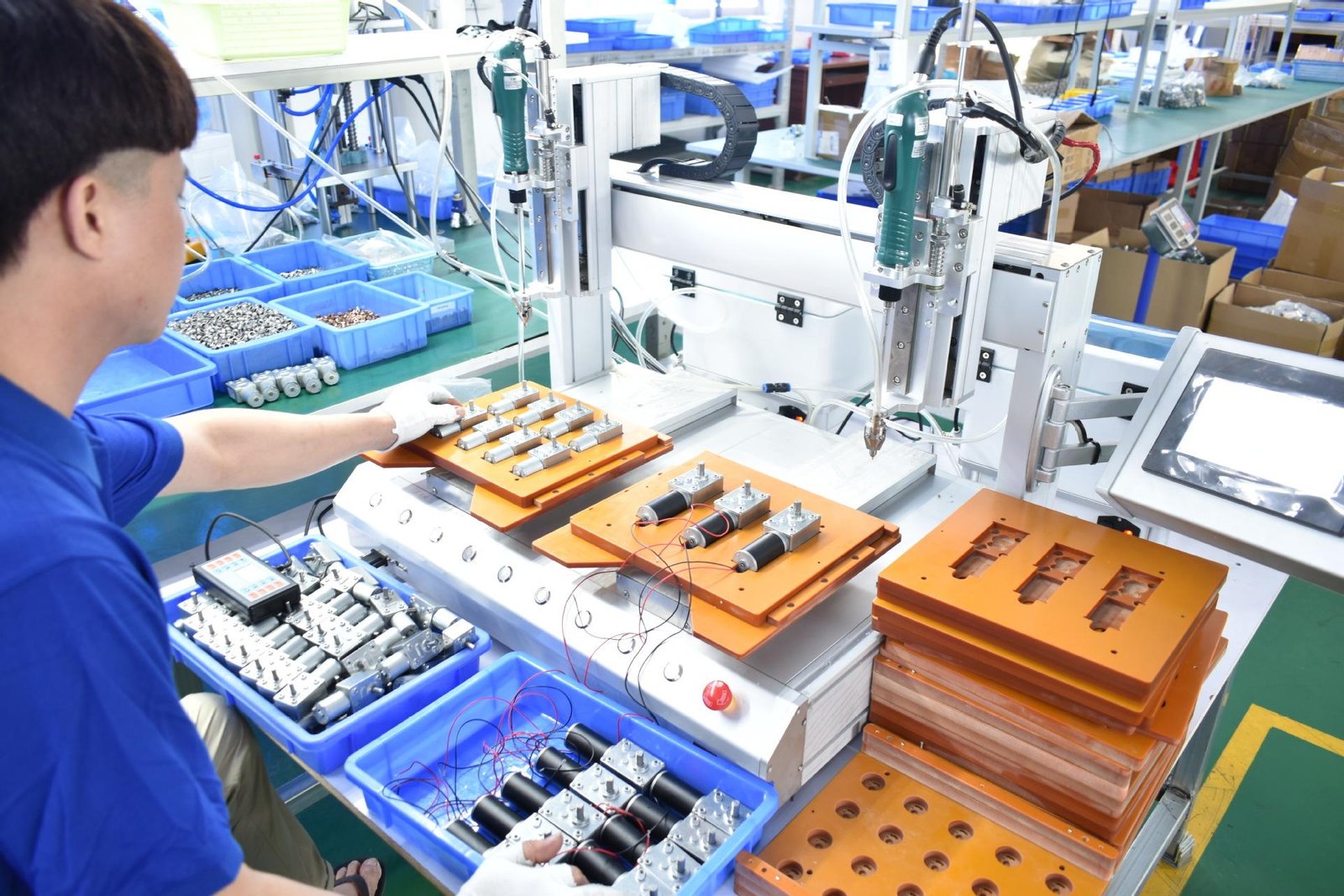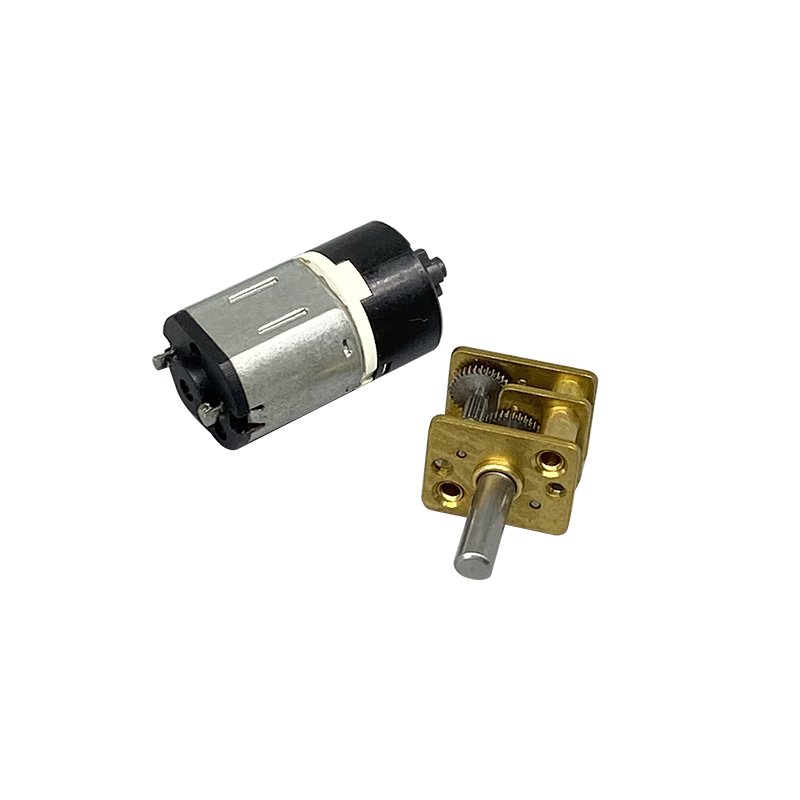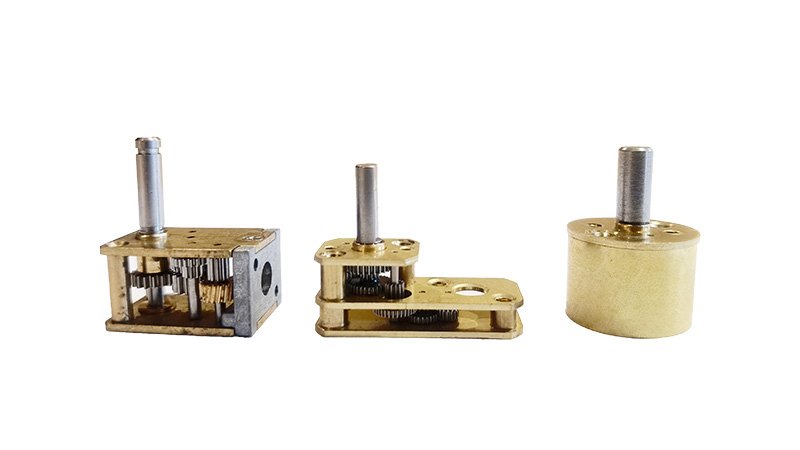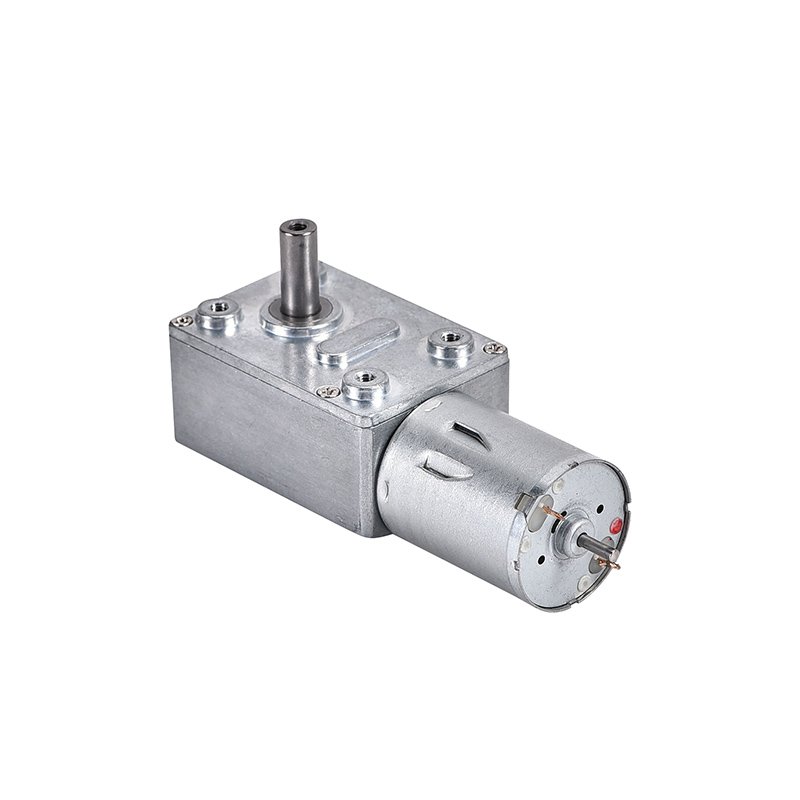
To maintain a worm gear motor, you need to follow a consistent maintenance routine and use the right lubricants. INEED’s worm gear motors deliver reliable results, but you play a key role in keeping them running smoothly. Regular maintenance and proper lubrication help you achieve optimal performance and extend the life of your equipment.
You will notice that:
Regular maintenance and correct lubrication boost the lifespan and efficiency of your worm gear motor.
The type of lubrication affects efficiency and can reduce losses in your system.
Choosing the right lubricant helps minimize no-load losses, which keeps your motor running at its best.
Key Takeaways
Regular maintenance and proper lubrication can extend the lifespan of your worm gear motor by up to 30%.
Choose high-quality lubricants that meet INEED’s standards to ensure effective lubrication and protect your motor from wear.
Perform routine inspections to catch issues early, such as leaks or wear, and maintain optimal performance.
Always wear safety gear and follow proper procedures when maintaining your motor to prevent accidents.
Monitor lubricant condition regularly to identify signs of degradation, ensuring your motor runs smoothly.
Choosing Lubricants for Worm Gear Motors
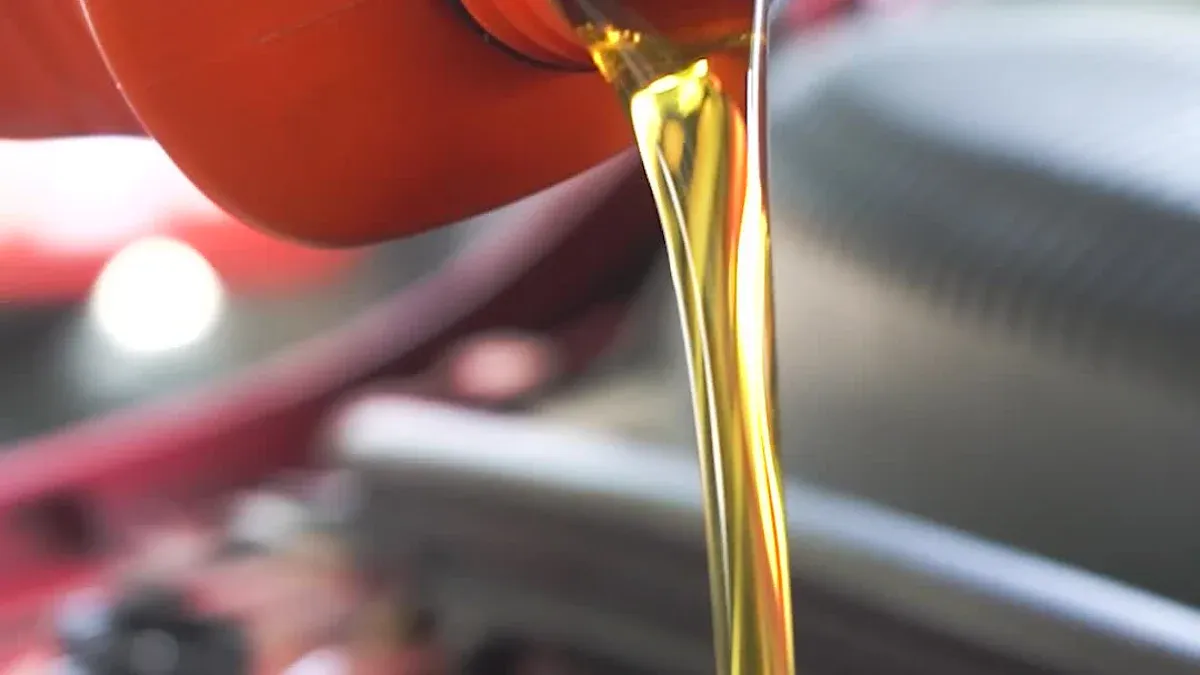
Types of Lubricants for Worm Gear Lubrication
You need to use high-quality lubricants to keep your worm gear motor running smoothly. INEED sets strict product standards, so you should always choose lubricants that meet these requirements. The right lubricant helps you achieve effective lubrication and protects your motor from wear.
Here is a table showing the most commonly recommended types of lubricants for worm gear lubrication:
Type of Lubricant | Characteristics | Typical Commercial Oils |
|---|---|---|
Compounded Gear Oils | Limit operating temperatures to under 180°F (82°C). | Shell Omala, Texaco Meropa, Exxon Spartan EP, Mobilgear 634 and 636, Chevron EP Gear Oil |
EP Gear Oils | Designed for extreme pressure conditions. | Same as above. |
Synthetic Worm Gear Oils | Includes polyalphaolefins (PAOs) and polyalkylene glycols (PAGs). | Chevron Tegra, Texaco Pinnacle, Exxon Teresstic SHP, Mobil SHC, Shell Hyperia, Royal Purple Synergy, Shell Tivela, Mobil Glygoyle HE. |
You should know how these lubricants compare:
Mineral oil gives you lower efficiency and higher wear rates.
EP oils handle high pressure but do not match the efficiency of synthetic oils.
Synthetic oils, especially polyglycol types, help you achieve higher efficiency and lower wear. They also keep temperatures down, which protects your motor.
Selecting the Best Lubricate for INEED Worm Gear Motors
When you lubricate worm gears, you need to consider several factors to get the best results. INEED recommends lubricants with the following features:
Lower base oil viscosity helps the lubricant move easily between sliding parts.
Greases should resist temperatures up to 125°C to prevent oxidation and wear.
Extreme pressure additives protect your motor under heavy loads.
Compatibility with plastics and metals prevents damage to motor components.
You should also pay attention to viscosity and operating temperature. Viscosity creates a protective film between moving parts, reducing friction and wear. If the temperature rises, the lubricant thins and may not protect your motor. If the temperature drops, the lubricant thickens and can slow down movement. Choosing the right viscosity for your operating environment helps you maintain optimal worm gear lubrication.
Tip: Proper lubrication can boost your equipment’s efficiency by up to 30%. Always follow INEED’s guidelines for lubricant selection to keep your worm gear motor performing at its best.
You can achieve reliable and long-lasting performance by selecting the right lubricant and following these recommendations.
How to Maintain a Worm Gear Motor
Preparation and Safety for Lubricate Worm Gears
You need to prepare carefully before you maintain a worm gear motor. Safety comes first. You should always wear personal protective equipment, such as safety gloves, goggles, and ear protection. These items protect you from noise, heat, and sharp edges. Disconnect the motor from the power supply and use lockout/tagout procedures. This step prevents accidental startup while you work.
Here is a table showing important safety precautions you should follow:
Safety Precaution | Description |
|---|---|
Hazards to Lungs | Use approved respiratory devices in areas with dangerous vapors and follow the two-man rule in confined spaces. |
Machine Guards | Remove guards only when machines are shut down and locked out. Replace them after lubrication. |
Safe Clothing | Wear proper safety gear. Avoid loose clothing that can get caught in machinery. |
Hand Tools | Use the correct tools. Handle high-pressure grease guns with care to avoid injury. |
Fire Hazards | Do not use flammable substances for cleaning. Never smoke near petroleum products. |
Oily Rags | Store oily rags in a labeled, closed container to prevent fire hazards. |
You should gather the right tools before you start. Use wrenches, screwdrivers, and high-pressure grease guns as needed. Always check that your workspace is clean and organized. This step helps you avoid accidents and keeps your tools within reach.
Tip: Always double-check that the motor is disconnected from power before you begin any maintenance.
Cleaning and Inspecting INEED Worm Gear Motors
You need to clean and inspect your motor before you lubricate a worm gear. This process helps you spot problems early and keeps your motor running smoothly. INEED’s strict quality control standards make inspection a key part of your routine.
Follow these steps to clean and inspect your worm gear motor:
Inspect the breather. Make sure it is clean and protected from dust and debris.
Check shaft seals for oil leaks. Leaks may mean contamination or worn seals.
Examine structural interfaces. Look for movement or damage.
Inspect through inspection ports. Make sure they are clean and sealed.
Clean the inspection port cover and the area around it before you remove it. This step prevents dirt from entering the gearbox.
Observe the gears, shafts, and bearings. Look for signs of wear or damage.
Collect lubricant samples for analysis. Check the oil filter for wear debris.
Replace the filter element if needed. Drain, flush, and refill the reservoir with new lubricant if you find contamination.
Document the condition of gears and bearings. Take photos and write notes.
During inspection, you may find contaminants that affect performance. Here is a table showing common contaminants and their effects:
Contaminant Type | Effect on Performance | Wear Type |
|---|---|---|
Moisture | Leads to corrosion | Corrosion wear |
Hard Particles | Causes abrasive wear | Abrasive wear |
Acid | Results in corrosion | Corrosion wear |
You should remove any contaminants you find. Clean all surfaces with lint-free cloths and approved cleaning agents. Avoid using flammable substances. If you see signs of corrosion or abrasive wear, plan for extra cleaning and possible part replacement.
Note: Regular inspection helps you catch problems early and maintain a worm gear motor at peak performance.
Draining and Applying New Lubricate
You need to follow a careful process when draining the old oil and filling with new lubricant. This step keeps your motor protected and ensures smooth operation.
Follow these steps to drain and apply new lubricant:
Drain the used oil while it is hot. Hot oil has lower viscosity and carries more contaminants.
Inspect the drained oil and drain ports for contamination. Look for metal particles, moisture, or sludge.
If the drain port is not at the lowest point, use a wand flush to remove heavy particles.
Remove oil filters from the system.
Block or bypass sensitive components to prevent damage during flushing.
Connect flushing equipment to the gearbox.
Circulate and heat the fluid if needed to reduce viscosity.
Flush at the specified turbulence level. This step helps remove stubborn contaminants.
Monitor contamination levels during the process.
Drain and blow the system with dry, filtered air.
Refill the system with filtered lubricant. Circulate the new lubricant before you operate the motor.
When you apply new lubricant, choose one with high viscosity. This type of lubricant forms a protective film over gear surfaces. It reduces friction and prevents metal-to-metal contact. Clean the gearbox exterior before you start. Wear protective equipment at all times.
During filling with new lubricant, avoid overfilling. Check the level using the sight glass or dipstick. Make sure the lubricant covers all moving parts. Schedule regular maintenance and monitor the lubricant condition. This routine helps you maintain a worm gear motor and avoid costly repairs.
Alert: Never skip draining the old oil. Old lubricant can carry contaminants that damage your motor.
You can maintain a worm gear motor effectively by following these steps. INEED’s quality control and product reliability support your efforts. Clean, inspect, drain, and refill your motor on a regular schedule. This process keeps your worm gear motor running smoothly and extends its life.
Maintenance Schedule and Inspection
Routine Checks for INEED Worm Gear Motors
You need to follow a consistent maintenance schedule to keep your INEED worm gear motor reliable. Regular maintenance and monitoring help you prevent wear and extend the life of your equipment. Here are the essential checks you should perform:
Check lubrication. Use oil-based lubricants with strong adhesion and high load-carrying capacity to meet lubrication demands and prevent wear.
Inspect the gear system. Look for any signs of wear or damage. Replace worn components as soon as you find them.
Check and replace the lubricant according to the manufacturer’s schedule. This step helps you avoid increased friction and wear.
Troubleshoot any issues. Look for abnormalities in the gear teeth, worm thread, or lubrication system.
Tip: Set reminders for each maintenance task. This habit helps you stay on track with regular maintenance and monitoring.
Monitoring Worm Gear Lubrication and Performance
You should monitor the condition of the lubricant and the performance of your worm gear motor. This practice helps you spot problems early and address them before they cause damage. Use the table below to identify key indicators of lubricant degradation:
Indicator | Description |
|---|---|
Changes in viscosity | Oil may become too thick or too thin, reducing its ability to lubricate and protect gears. |
Acidity | High acidity signals oxidation and possible lubricant breakdown. |
Cleanliness | Contaminants or wear debris show that the lubricant is breaking down. |
Color | Dark oil often means oxidation or contamination. |
Odor | Unusual smells can point to chemical changes in the lubricant. |
Contaminants or wear debris | Foreign materials speed up lubricant degradation. |
Oxidation | Leads to sludge and increased viscosity, showing advanced degradation. |
Thermal degradation | High temperatures can lower viscosity and cause deposits. |
Microdieseling | Rapid oil darkening and carbon deposits may result from pressure-induced thermal damage. |
Electrostatic spark discharge | High temperatures and deposits signal severe degradation. |
Additive depletion | Loss of additives reduces lubricant performance. |
Contamination | Foreign objects worsen lubricant condition and can prevent wear protection. |
You should check these indicators during every inspection. Regular maintenance and monitoring help you keep your worm gear motor running smoothly.
Signs of Wear and Lubrication Issues
You can detect wear and lubrication problems early by watching for changes in noise, temperature, or vibration. These signs often point to lubrication demands not being met. Look for the following:
Increased noise may mean poor gear meshing or not enough lubricant.
High temperatures can signal overload or inadequate lubrication, which may lead to jamming.
Vibration often results from misalignment or bearing problems, sometimes made worse by poor lubrication.
Pitting in the dedendum, either large or small, shows wear on the gear teeth.
Common lubrication failures include using the wrong lubricant, contamination, foaming, or chemical reactions.
You should use visual inspections, temperature checks, vibration analysis, and lubricant analysis to catch these issues early. These steps help you prevent wear and keep your INEED worm gear motor in top condition.
Troubleshooting Worm Gear Lubrication Problems
Common Lubricate Issues in Worm Gear Motors
You may face several lubrication problems with worm gear motors. Environmental factors often play a big role. Humidity and dust can contaminate the lubricant and reduce its effectiveness. The table below shows how these factors impact your motor:
Environmental Factor | Impact on Lubrication |
|---|---|
Humidity | Can contaminate lubricant and reduce effectiveness. |
Dust | Introduces contaminants that affect lubricant properties. |
Heavy dirt and dust can lead to particle contamination. This contamination causes mechanical wear through surface abrasion and fatigue. You might also notice issues like increased noise, leaks, or a drop in performance. These problems often start with improper lubricant levels, using the wrong type, or letting contaminants build up.
Solutions for Noise, Leaks, and Performance Drops
You can solve most lubrication problems by following a few simple steps:
Check lubricant levels and make sure they are correct.
Use the right lubricant for your worm gear motor.
Inspect the gearbox for wear or misalignment.
Make sure the lubrication system works properly and is free from contaminants.
Look for water or dirt in the oil and remove it if found.
If you notice leaks, use proper assembly techniques and select the right oil, such as 220 gear oil. Avoid vertical installation to reduce the risk of overheating and oil leakage. Regularly check the oil quality and maintain a good lubrication schedule.
When you see a drop in performance, remember that both too little and too much lubricant can cause problems. Always follow the manufacturer’s guidelines for lubrication. This helps you avoid damage to gears and bearings.
Tip: INEED offers expert support for troubleshooting. You can contact their technical team for help with any lubrication issue. Their specialists can guide you from diagnosis to solution, ensuring your worm gear motor runs smoothly.
You protect your equipment and extend its life by staying alert to these common issues and acting quickly.
You keep your INEED worm gear motor running at peak performance by following these steps:
Use high-quality lubricants and change them regularly.
Inspect for wear, noise, and vibration.
Monitor temperature and load.
Clean the assembly and check alignment.
Follow manufacturer guidelines and keep records.
Proper lubrication protects against corrosion, cools internal parts, and extends the life of your motor.
Consult INEED’s technical support for expert advice. Take action now to maintain your motor and enjoy reliable, long-term operation.
FAQ
How often should you lubricate a worm gear motor?
You should check and lubricate your worm gear motor every 3 to 6 months. Heavy-duty or high-use motors may need monthly checks. Always follow INEED’s maintenance schedule for best results.
What lubricant works best for INEED worm gear motors?
INEED recommends synthetic worm gear oils with high viscosity and extreme pressure additives. These oils protect gears and reduce wear. Always choose lubricants compatible with your motor’s materials.
Can you use grease instead of oil for worm gear lubrication?
You can use grease for slow-speed or sealed worm gear motors. Oil works better for high-speed or heavy-load applications. Always check your motor’s specifications before choosing.
What signs show your worm gear motor needs maintenance?
Look for increased noise, vibration, leaks, or overheating. These signs mean your motor needs inspection and lubrication. Early action prevents damage.
Where can you get technical support for INEED worm gear motors?
You can contact INEED’s technical team through their website. Expert engineers respond quickly and help you solve maintenance or lubrication problems.