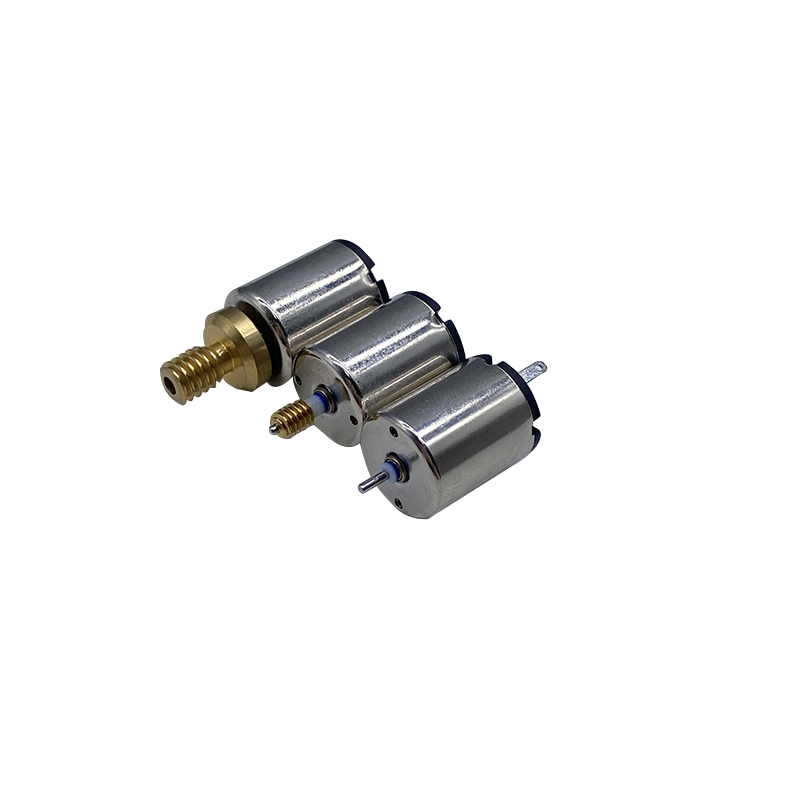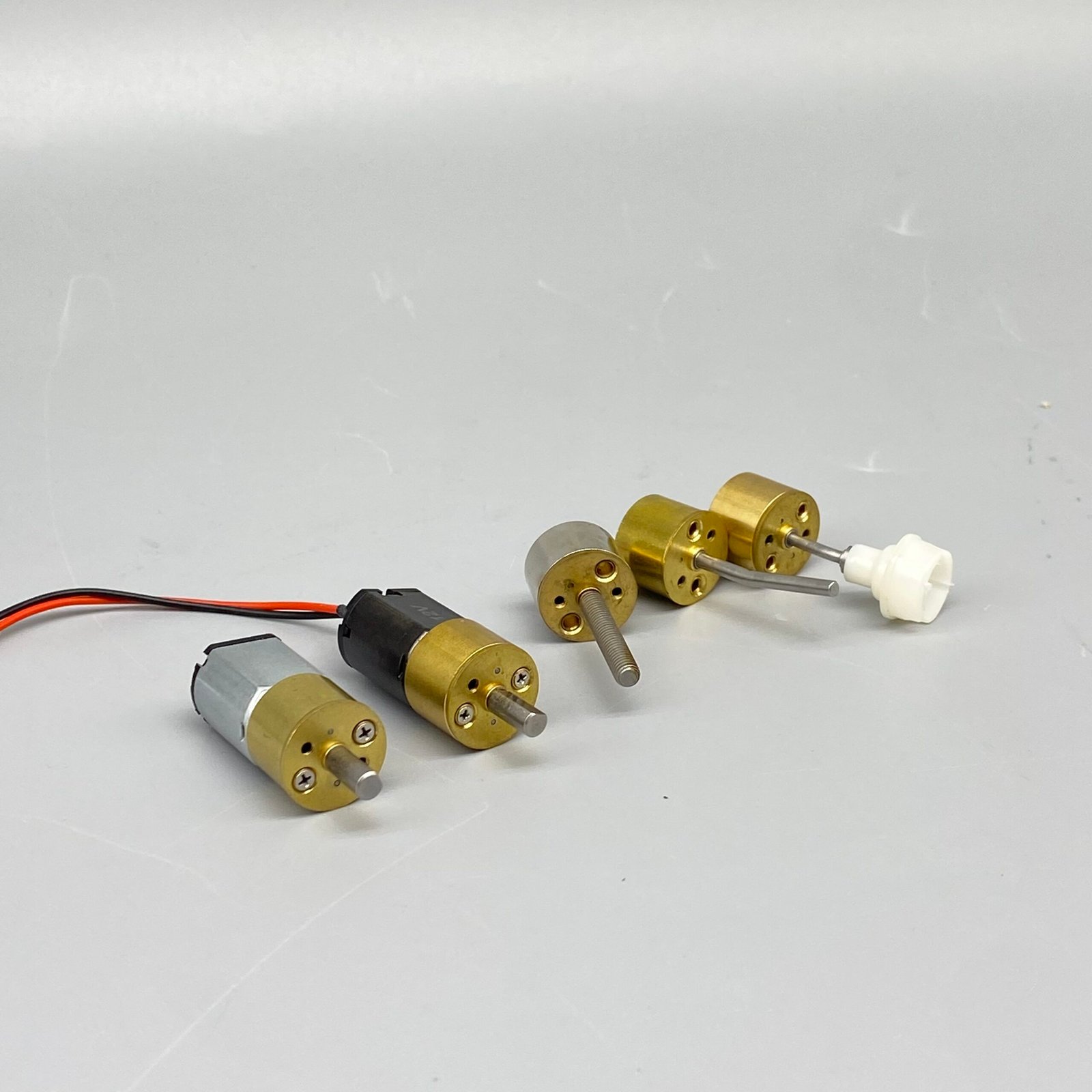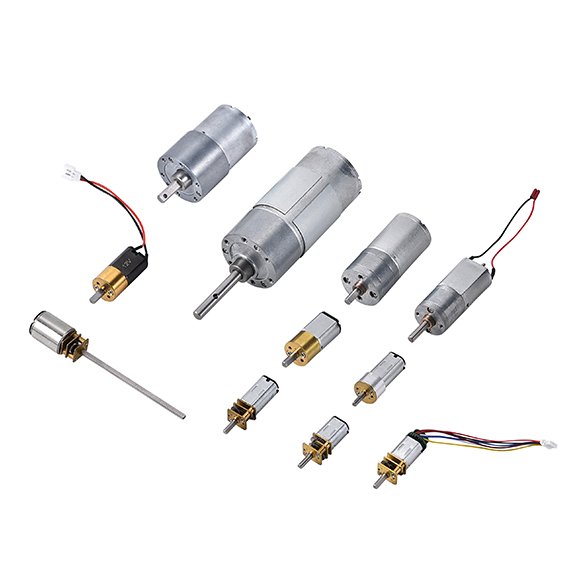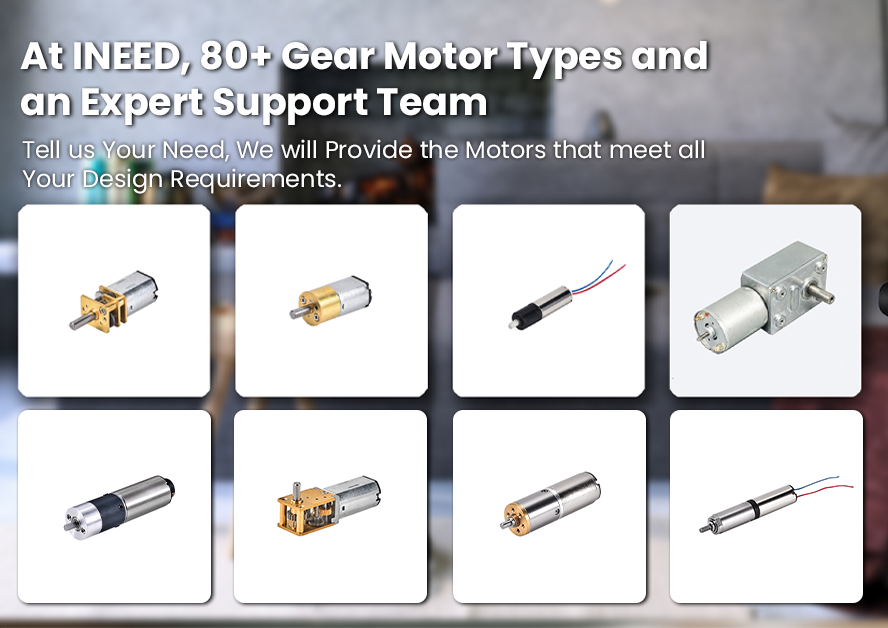
Choosing the right micro dc gear motor for medical devices ensures top performance and patient safety. You need to focus on these seven key specs:
Torque output
Speed and RPM
Size and form factor
Voltage and power requirements
Noise and vibration
Reliability and lifespan
Precision and control
These specs help you deliver reliable results and meet strict medical standards. Engineers, product managers, and designers rely on these factors to create safe and effective devices. You will learn the meaning, importance, and evaluation of each spec with practical examples.
Key Takeaways
Understand torque output. It determines how much force the motor can deliver. Choose a motor with the right torque for your device’s tasks.
Match speed and RPM to your application. Different medical devices require specific speed ranges for optimal performance.
Consider size and form factor. A compact motor design allows for lightweight and portable medical devices, enhancing user experience.
Check voltage and power requirements. Ensure the motor’s voltage matches your device’s power supply to avoid overheating or failure.
Prioritize noise and vibration levels. Select motors that operate quietly to improve patient comfort and meet medical standards.
1. Torque Output in Micro DC Gear Motor
What Is Torque Output
Torque output tells you how much turning force a motor can deliver. You measure torque in units like Newton-centimeters (N·cm) or ounce-inches (oz-in). When you use a micro dc gear motor, torque output shows how well the motor can move or hold a load. High torque means the motor can handle heavier tasks without slowing down or stopping.
Why Torque Matters
You need the right torque for your medical device to work safely and reliably. If you choose a motor with low torque, your device may fail during critical moments. For example, a surgical tool needs steady torque to cut or drill with precision. An infusion pump must push fluids at a controlled rate, which also depends on torque. If the torque is too low, the device may jam or deliver uneven results. High torque helps your device stay accurate and dependable, even under stress.
Tip: Always check the torque requirements for your application before picking a micro dc gear motor.
Evaluating Torque
You can evaluate torque by looking at the motor’s datasheet. Most manufacturers list both the rated torque and the maximum (stall) torque. Rated torque is the force the motor can deliver during normal operation. Stall torque is the highest force before the motor stops moving. Match the rated torque to your device’s needs, not just the maximum value.
Here’s a quick checklist for evaluating torque in a micro dc gear motor:
List the tasks your device must perform.
Estimate the force needed for each task.
Check the motor’s rated torque in the datasheet.
Add a safety margin for unexpected loads.
Choosing the right torque output helps you build medical devices that are safe, precise, and reliable.
2. Speed and RPM
Understanding Speed
Speed tells you how fast the motor shaft rotates. You measure speed in revolutions per minute (RPM). A higher RPM means the shaft spins faster. In a micro dc gear motor, speed affects how quickly your device can move or perform a task. You need to know the speed range to make sure your device works as planned.
Note: Speed and torque often have a trade-off. When you increase speed, torque usually decreases. Always check both specs together.
Speed in Medical Devices
Medical devices need different speeds for different tasks. For example, a blood analyzer may need a high-speed motor to spin samples quickly. A surgical robot may need a slow, controlled speed for precise movements. If you pick the wrong speed, your device may not work safely or efficiently.
Here are some common speed ranges for medical devices:
Infusion pumps: 10–100 RPM for steady fluid delivery
Centrifuges: 1,000–10,000 RPM for fast sample separation
Surgical tools: 50–2,000 RPM for cutting or drilling
You should always match the speed to your device’s function.
Matching Speed to Application
You can match speed to your application by following these steps:
List the main tasks your device must perform.
Check the recommended speed range for each task.
Review the micro dc gear motor datasheet for available RPM options.
Test the motor in your device to confirm it meets your needs.
If you need both high speed and high torque, consider using a gear reduction. This setup lets you adjust speed and torque to fit your application.
Tip: Always test the motor under real conditions. This helps you avoid problems during device operation.
Choosing the right speed ensures your medical device works safely and efficiently.
3. Size and Form Factor
Motor Size Range
You need to consider the size of the motor when designing a medical device. Micro dc gear motors come in different sizes to fit various applications. Many portable medical devices use motors that measure around 36 mm by 36 mm by 57 mm. The table below shows two common models and their dimensions:
Model | Size (mm) |
|---|---|
DC Motor CRS-555SP | 36 × 36 × 57 |
DC Motor CRS-5512SP | 36 × 36 × 57 |
These compact sizes help you fit the motor into tight spaces without sacrificing performance.
Importance of Compact Design
A compact design matters in medical devices. Smaller motors allow you to create lightweight and portable products. Patients and healthcare workers benefit from devices that are easy to carry and handle. For example, a portable infusion pump or a handheld diagnostic tool needs a small motor to keep the device comfortable and easy to use. A bulky motor can make the device heavy or awkward, which may affect patient care.
Tip: Always check the available space in your device before choosing a motor. A smaller motor can make your design more flexible.
Integration Considerations
You must think about how the motor will fit with other parts of your device. Look at the mounting options, shaft orientation, and wiring layout. Make sure the motor does not block other components or make assembly difficult. You should also consider heat dissipation, as a tightly packed motor may need extra cooling. Test the fit early in your design process to avoid costly changes later.
Check the motor’s dimensions against your device’s layout.
Plan for easy access to wiring and connectors.
Ensure the motor’s weight does not unbalance your device.
Choosing the right size and form factor for your micro dc gear motor helps you build medical devices that are compact, efficient, and user-friendly.
4. Voltage and Power Requirements
Voltage Specs
You need to know the voltage range for your micro dc gear motor. Most motors for medical devices run on low voltages, such as 3V, 6V, or 12V. The right voltage helps your device work safely and efficiently. If you use the wrong voltage, the motor may overheat or fail. Always check the datasheet for the recommended voltage range.
Tip: Pick a motor with a voltage that matches your device’s power supply. This reduces the risk of electrical problems.
Power Needs
Power tells you how much energy the motor uses to do its job. You measure power in watts (W). To find the power, multiply the voltage by the current (P = V × I). Medical devices often need motors that use less power to avoid heat and save battery life. For example, a portable infusion pump needs a motor that runs on low power for long periods.
Here is a simple table to help you estimate power needs:
Device Type | Typical Voltage | Typical Power (W) |
|---|---|---|
Infusion Pump | 6V | 2–5 |
Portable Ventilator | 12V | 5–10 |
Diagnostic Tool | 3V | 1–3 |
Electrical Compatibility
You must make sure the motor works with your device’s electrical system. Check the voltage, current, and connector type. If the motor draws too much current, it can damage your circuit. If the connectors do not match, you may need adapters or new wiring. Always test the motor with your device before final assembly.
Match the motor voltage to your power supply.
Check the current rating for safe operation.
Use compatible connectors for easy installation.
Choosing the right voltage and power specs for your micro dc gear motor keeps your medical device safe, reliable, and efficient.
5. Noise and Vibration
Noise Levels in Micro DC Gear Motor
You need to pay close attention to noise levels when you select a micro dc gear motor for medical devices. High noise can distract patients and staff. It can also signal problems with the motor. Most manufacturers list noise levels in decibels (dB). Lower numbers mean quieter motors. You should look for motors that run below 50 dB for most medical applications.
Tip: Ask for noise test reports from your supplier. These reports help you compare different motors.
Impact on Patient Comfort
Low noise is important for patient comfort and safety. Many medical devices operate near patients. For example, infusion pumps, ventilators, and diagnostic tools often run for long periods. Loud motors can cause stress or anxiety. Quiet motors help patients relax and recover. They also make it easier for healthcare workers to communicate and focus.
Here are some reasons why low noise matters:
Patients rest better in quiet environments.
Staff can hear alarms and instructions clearly.
Devices with low noise meet hospital standards.
Reducing Noise and Vibration
You can take steps to reduce noise and vibration in your device:
Choose a micro dc gear motor with precision gears and high-quality bearings.
Use rubber mounts or dampers to absorb vibration.
Test the motor at different speeds to find the quietest setting.
Keep the motor clean and well-lubricated.
Check for loose parts or misalignment during assembly.
Note: Always test the complete device in a real medical setting. This helps you catch noise issues early.
Selecting a quiet and smooth motor improves both patient comfort and device reliability.
6. Reliability and Lifespan
Reliability Factors
You want your medical device to work every time. Reliability means the motor performs as expected, even after many uses. When you choose a micro dc gear motor, look for these reliability factors:
High-quality materials: Motors with strong metals and durable plastics last longer.
Precision engineering: Tight tolerances reduce wear and tear.
Good lubrication: Proper grease or oil keeps parts moving smoothly.
Sealed design: Protection from dust and moisture prevents damage.
Tip: Ask your supplier about the motor’s track record in medical devices. Proven reliability saves you time and money.
Lifespan in Medical Use
Lifespan tells you how long the motor will last before it needs replacement. In medical devices, you need a motor that can run for thousands of hours. Check the datasheet for the rated lifespan, often listed in hours. Some motors last 5,000 hours, while others reach 20,000 hours or more.
You can extend lifespan by:
Running the motor within its rated voltage and load.
Keeping the motor clean and free from debris.
Scheduling regular maintenance checks.
A long-lasting motor reduces downtime and keeps your device ready for use.
Certifications and Testing
Certifications show the motor meets industry standards. Look for certifications like ISO 13485 or IEC 60601. These prove the motor is safe and reliable for medical use. Testing also matters. Reliable suppliers test each micro dc gear motor for vibration, noise, and performance.
Here is a quick table of common certifications:
Certification | What It Means |
|---|---|
ISO 13485 | Medical device quality |
IEC 60601 | Safety for medical devices |
RoHS | Limits hazardous materials |
Note: Always ask for test reports and certificates before you buy. This step protects your device and your reputation.
7. Precision and Control
Precision in Micro DC Gear Motor
Precision means the motor moves exactly how you want. In medical devices, you need high precision for safety and accuracy. A precise motor helps you control small movements. This is important for devices like surgical robots or infusion pumps. If the motor moves too much or too little, the device may not work as planned.
You can check precision by looking at the motor’s step size or backlash. Step size tells you how far the shaft turns with each signal. Backlash is the small gap before the gears start moving. Lower backlash means better precision.
Tip: Choose a motor with low backlash and a small step size for the best results.
Control Features
Control features let you adjust how the motor works. You can use different types of controllers to get the movement you need. Some common control features include:
Speed control: Lets you set how fast the motor turns.
Position control: Moves the motor to a specific spot.
Feedback sensors: Give you real-time data about the motor’s position or speed.
Programmable settings: Allow you to change motor actions for different tasks.
You should pick a motor with the right control features for your device. For example, a motor with feedback sensors helps you make sure the device moves correctly every time.
Application Examples
You can find precision and control in many medical devices. Here are some examples:
Device Type | Why Precision Matters | Key Control Feature |
|---|---|---|
Surgical Robot | Accurate cutting and movement | Position control |
Infusion Pump | Steady fluid delivery | Speed control |
Diagnostic Scanner | Smooth scanning motion | Feedback sensors |
You should always match the motor’s precision and control to your device’s needs. This helps you build safe, reliable, and effective medical equipment.
You need to check all seven specs before you choose a micro dc gear motor for your medical device. Each spec affects how your device works, keeps patients safe, and helps your product last longer. Use a checklist to compare motors and make smart choices. Talk to experts or suppliers if you want the best results.
Review all seven specs for every project.
Use a checklist for easy comparison.
Ask experts for advice.
FAQ
What is the most important spec when choosing a micro DC gear motor for medical devices?
You should focus on torque output first. Torque affects how well your device performs under load. Always check the rated torque for your application.
How do you reduce noise in a micro DC gear motor?
You can use rubber mounts, select motors with precision gears, and keep the motor clean. Test the motor in your device to find the quietest setup.
Why does motor size matter in medical devices?
A smaller motor helps you design compact and portable devices. Patients and staff benefit from lightweight equipment. Always check the motor’s dimensions before you choose.
What certifications should you look for in a micro DC gear motor?
Certification | Purpose |
|---|---|
ISO 13485 | Medical device quality |
IEC 60601 | Safety for medical use |
RoHS | Limits hazardous materials |
Always ask for certificates from your supplier.