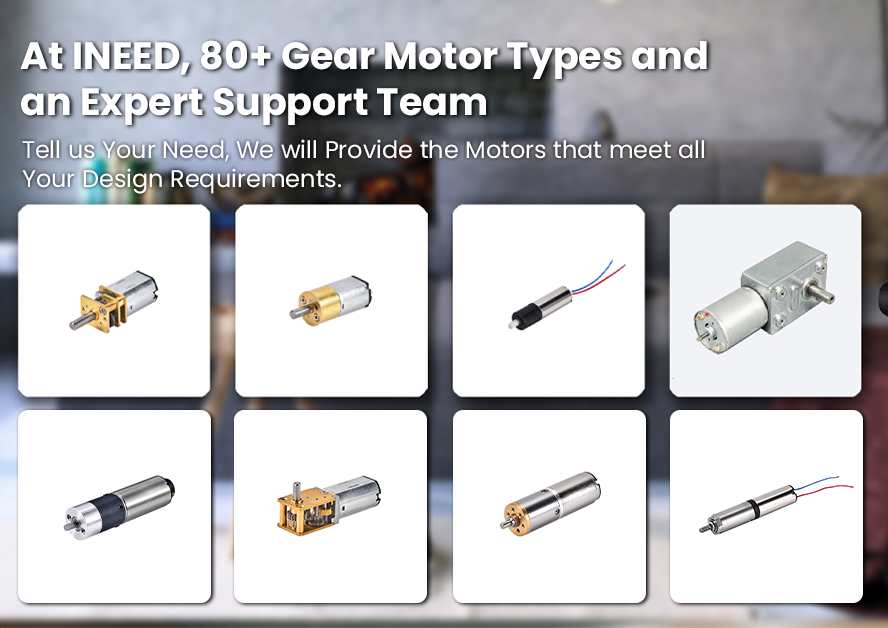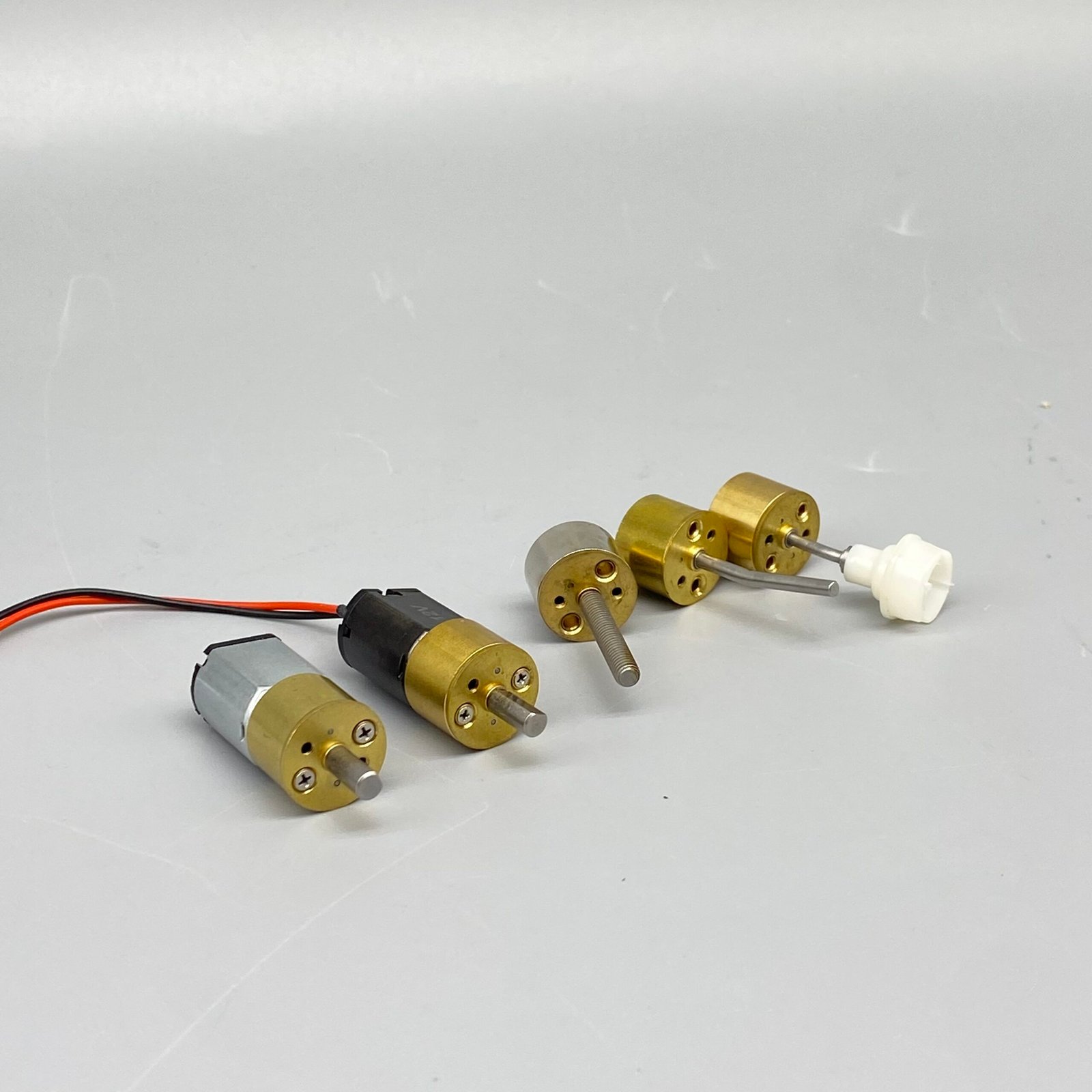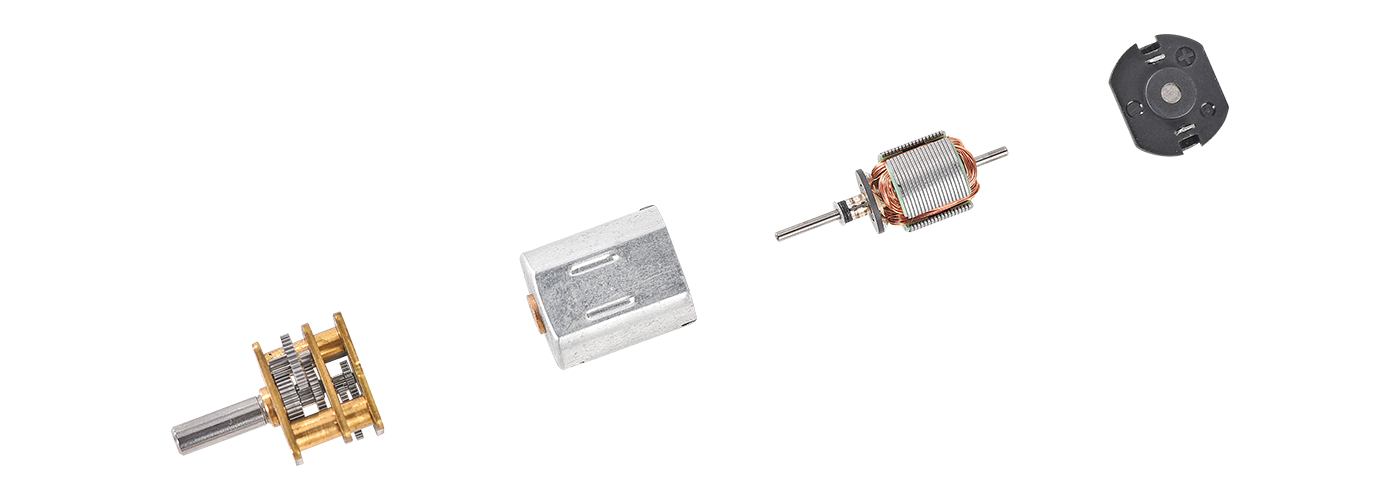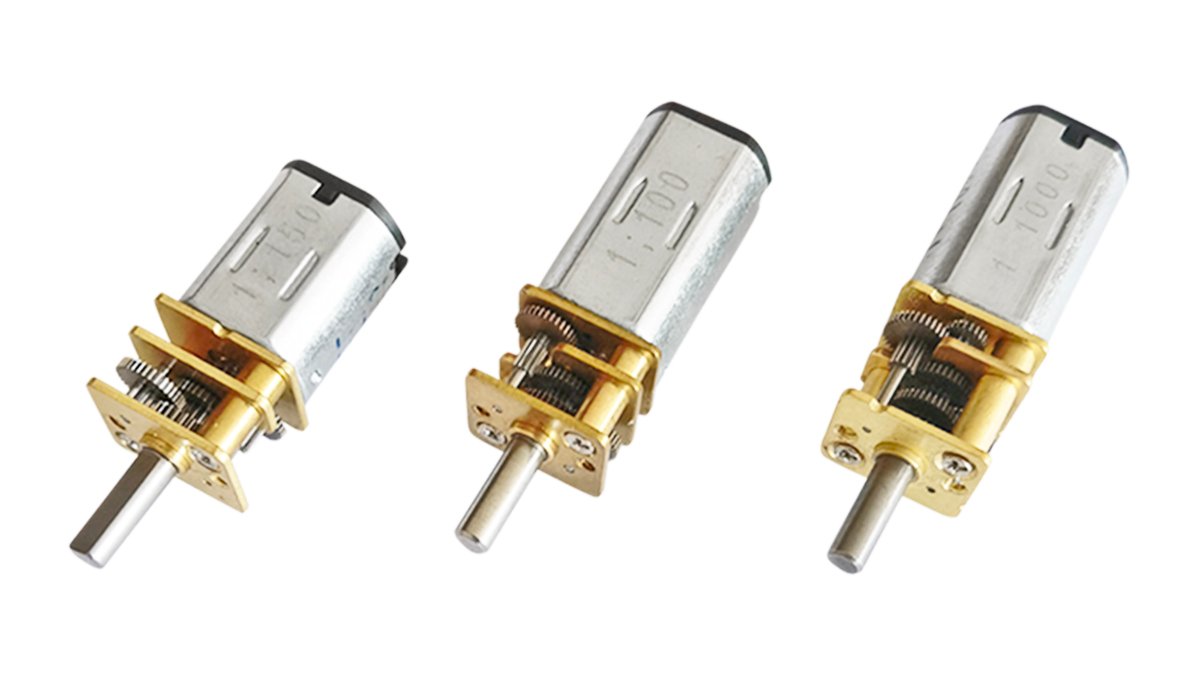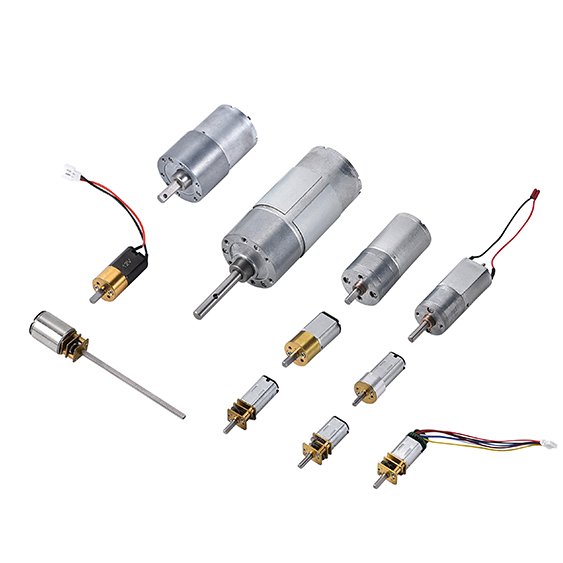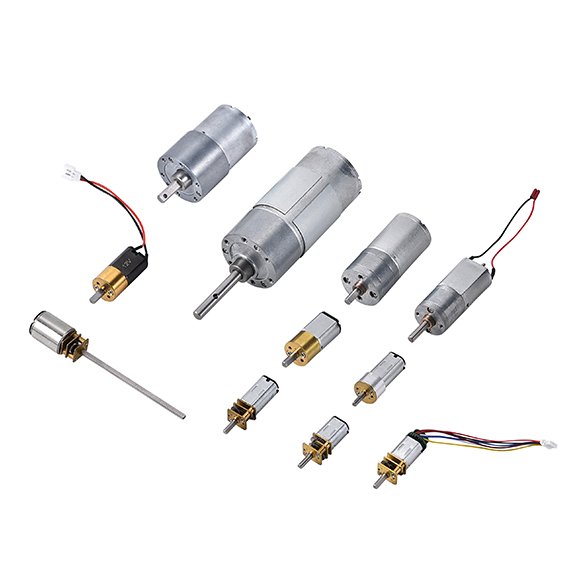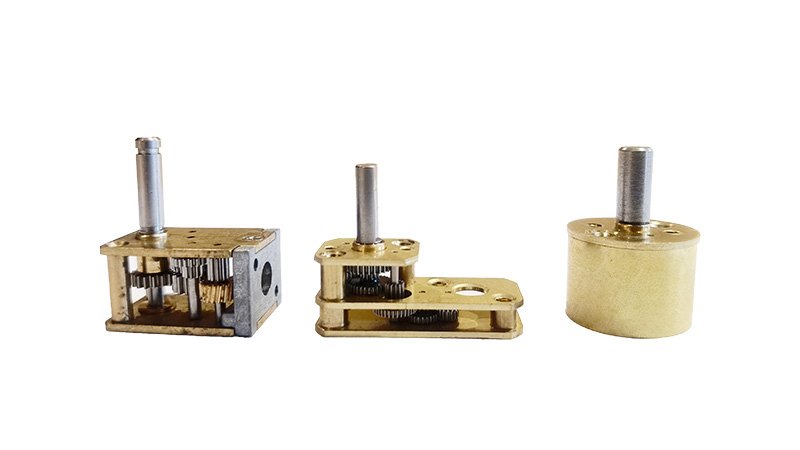
When you work with custom spur gear motors, managing design changes after SOP is critical. INEED brings years of experience in quality control and customization to help you avoid costly mistakes. Uncontrolled changes can disrupt production and lower product quality. A systematic approach protects your investment and supports consistent results.
Tip: Always document every adjustment to maintain traceability and keep your gear motors reliable.
Key Takeaways
Start every design change with a clear reason. Analyze requirements to avoid unnecessary adjustments that could disrupt production.
Conduct a thorough impact assessment for each change. Evaluate risks to ensure cost, quality, and delivery time remain unaffected.
Maintain clear documentation of all design changes. Use a change-control list to track requests and ensure traceability.
Align design changes with manufacturing capabilities. Ensure your production line can handle new designs while maintaining quality standards.
Foster strong supplier relationships. Clear communication and collaboration lead to better quality and fewer delays in production.
Key Steps for Design Changes After SOP
Requirements Analysis and Change Justification
You need to start every change with a clear reason. In custom spur gear motors, you often see requests for design changes after SOP. These requests can come from many sources. Sometimes, you find that the materials or heat treatment do not match what you expected. This can create hidden costs during production. Other times, you may rely too much on theory and not enough on real-world testing. This can cause gears to fail when they face unexpected loads. You might also see designs that look perfect on paper but do not work well in actual manufacturing. These issues can lead to higher costs and lower reliability.
To avoid these problems, you should always analyze the requirements before making any changes. Ask yourself why the change is needed. Is it to fix a mismatch in materials? Is it to improve performance under real conditions? Or is it to make the design easier to produce? Write down your reasons. This step helps you stay focused and avoid unnecessary changes that could disrupt production.
INEED uses a structured process for requirements analysis. The team reviews every request and checks it against customer needs and production realities. This approach helps you justify each change and keeps your project on track.
Tip: Use a change-control list to record every request. Link each item to an Engineering Change Notice (ECN) stage and assign a risk level. This list helps you track the reason for each change and makes sure nothing gets missed.
Impact Assessment and Risk Evaluation
After you know why you want a change, you must check how it will affect your gear motor and your production line. Every design change can impact cost, quality, and delivery time. You need to look at the risks before you move forward.
Start with a root cause analysis. This method helps you find the real reason for a problem. For example, you might discover that a gear fails because of a flaw in its shape or because it does not line up with other parts. You should also check if your design meets important standards like ISO 6336:2006 or AGMA 6014-A06. These standards help you make sure your gear motors stay safe and reliable.
When you assess risks, look for common issues. Gear geometry flaws, misalignment, and poor lubrication can all hurt performance. You should also think about how the change will affect your supply chain and your ability to keep up with production. If you change a material or a process, you may need new tools or training for your workers.
A change-control list helps you here, too. For each change, write down the possible risks and how you plan to handle them. Assign a risk level—low, medium, or high—so you know which changes need extra attention.
Root cause analysis finds the source of problems.
Standards check keeps your gear motors safe.
Risk levels guide your focus during production.
Revision Control and Documentation
You must keep clear records of every design change. Good documentation helps you avoid confusion and mistakes during production. It also makes it easier to trace problems if something goes wrong later.
INEED uses a strong revision control system. Every change gets a unique number and links to an ECN stage. The team updates drawings, bills of materials, and process instructions. This way, everyone knows which version to use during production.
A change-control list is your main tool for tracking changes. It shows the status of each change, the risk level, and who approved it. You can use this list to review past changes and learn from them. It also helps you show customers and auditors that you follow a structured process.
Note: Always update your change-control list right away. Delays can lead to errors and slow down production.
By following these steps, you can manage design changes with confidence. You protect your production line, keep your gear motors reliable, and meet your customers’ needs. INEED’s quality control and customization process supports you at every stage, making sure your changes lead to better results.
Technical Aspects of Spur Gear Design and Manufacturing
Material Selection and Heat Treatment
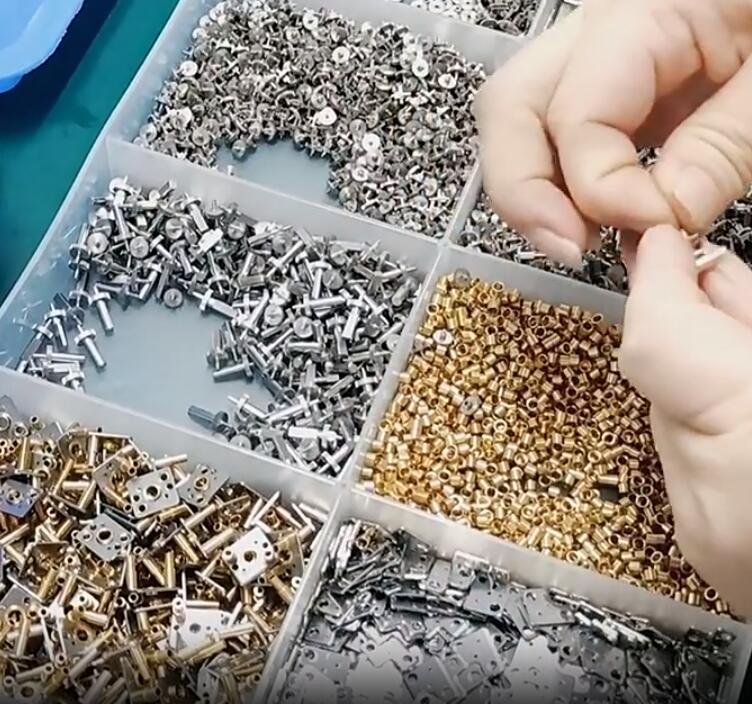
You must choose the right materials for spur gear design. Material selection affects spur gear manufacturing, durability, and performance. Stainless steel, carbon steel, and aluminum alloys are common choices. Each material offers unique properties for spur gear machining. Stainless steel resists corrosion and works well in many applications. Carbon steel provides excellent machinability and wear resistance. Aluminum alloys are lightweight and easy to machine. You can see the differences in the table below:
Material Type | Key Properties | Impact on Performance |
|---|---|---|
Stainless Steel | Contains chromium, nickel; grade 303 preferred for machinability | Good corrosion resistance, suitable for various applications |
Carbon Steel | Composed of iron and carbon; categorized into mild, medium, high carbon | Excellent machinability, wear resistance, cost-effective |
Aluminum Alloys | High strength-to-weight ratio; includes alloys like 2024, 6061, 7075 | Lightweight, good corrosion resistance, easy to machine |
Heat treatment improves spur gear design by increasing toughness and hardness. Through-hardening gives uniform hardness. Carburizing creates a hard surface. Nitriding produces a very hard surface. You must select the right process for spur gear manufacturing to achieve precision and reliability.
Treatment | Primary Goal | Core Property |
|---|---|---|
Through-Hardening | Uniform Hardness | Hard |
Carburizing | Hard Surface | Tough |
Nitriding | Very Hard Surface | Tough |
Gear Profile Optimization
Optimizing gear profiles is essential for spur gear design. You can use tooth profile modification to improve dynamic response and reduce transmission error. Genetic algorithms help you find the best parameters for spur gear machining. Multi-objective optimization lets you balance weight and stress. These techniques increase precision and efficiency in spur gear manufacturing.
Technique | Description |
|---|---|
Tooth Profile Modification (TPM) | Enhances gear performance by modifying the tooth profile to improve dynamic response and reduce transmission error. |
Genetic Algorithms (GA) | Uses evolutionary algorithms to find optimal gear design parameters. |
Multi-Objective Optimization | Considers multiple performance metrics simultaneously, such as weight and stress, to achieve efficient gear designs. |
Well-designed spur gear design spreads forces evenly. Smooth rolling contact reduces friction and increases efficiency. Poorly designed teeth cause noise and wear. You must check gear geometry during spur gear machining to ensure precision and reliability.
Managing Shaft, Encoder, and Wiring Changes
You need to manage changes in shaft, encoder, and wiring configurations carefully. Secure connections prevent operational failures in spur gear design. You must select the right attachment methods for spur gear manufacturing. Safety and reliability depend on following specific factors for gear contact and bending fatigue strength. Compatibility checks are vital for spur gear machining. Machining accuracy and material quality prevent gear damage. INEED supports you with technical advice and precision tools for spur gear design changes.
Tip: Always verify compatibility and machining accuracy before making changes to shaft, encoder, or wiring. This step ensures precision and reliability in spur gear manufacturing.
Ensuring Production Quality and Reliability
Tolerance Control and Fit Checks
You need to control tolerances to maintain production quality and ensure reliable torque output in spur gear motors. Tolerance control helps you achieve the right fit between gears, shafts, and other components. You must specify tolerances using AGMA or ISO standards. These standards help you balance performance and cost. You translate these standards into geometric tolerances on manufacturing drawings. This step ensures clarity and helps you achieve the desired functional outcome in production.
Tolerance Type | Controlled Feature |
|---|---|
Runout | Concentricity of teeth to axis |
Profile Error | Deviation from ideal tooth form |
Pitch Error | Spacing between adjacent teeth |
You must check tooth profile tolerance, total runout, tooth alignment, and surface finish. These features affect torque transmission, operational noise, and gear reliability. Fit checks help you confirm that each gear meets quality requirements. You can use precision measuring tools to verify tolerances during production. This process prevents errors and supports high torque performance.
Quality Specification | Purpose |
|---|---|
Tooth Profile Tolerance | Controls the accuracy of the tooth curve shape. |
Total Runout | Ensures the gear rotates concentrically on its axis. |
Tooth Alignment | Manages the parallelism of the tooth along its face. |
Surface Finish | Affects friction, lubrication, and operational noise. |
Tip: Always document tolerance checks to maintain traceability and support quality audits.
Validation and Testing Scope
You must validate every design change to protect production quality and torque reliability. Testing protocols help you confirm that new designs meet performance requirements. You can use static load tests and tactile coordinate measuring machines to measure gear deformation. These tests help you verify that lightweight gears can withstand the same nominal load as conventional solid gears without plastic deformation.
The validation experiments demonstrate that the manufactured lightweight gear can withstand the same nominal load as a conventional solid gear without experiencing plastic deformation. A tailored load test rig is utilized to apply static loads on the gear sample, while a tactile coordinate measuring machine is employed to measure the gear deformation. The experimental setup includes a load unit and a chuck for tactile measurements, allowing for both static loading and dimensional measurement of the spur gear before and after loading.
You must include lifetime tests, operational noise checks, and torque output measurements in your testing scope. INEED uses comprehensive inspection and performance testing procedures to ensure production quality. You can rely on these methods to maintain high torque and consistent quality in every gear motor.
Alignment with Manufacturing Capabilities
You need to align design changes with your manufacturing capabilities to maintain production quality and torque reliability. You must define requirements clearly to avoid misunderstandings. Early input from stakeholders helps you align objectives. Cross-functional teams can help you mitigate risks. You should plan for long-term sustainability in production processes. Manufacturing data supports continuous improvement.
Establish clear communication channels among teams.
Conduct regular alignment meetings to maintain cohesion.
Use data-driven decision-making to prioritize design and manufacturing parameters.
Develop a resilient supply chain strategy to secure reliable raw material sources.
Incorporate sustainable manufacturing processes to minimize waste.
Consider scalability and global logistics for production viability.
You must check that your production line can handle new designs and maintain quality standards. INEED leverages advanced technology and precision tools to support high torque and reliable production. You can use these strategies to ensure every gear motor meets quality requirements after design changes.
Note: Consistent alignment between design and manufacturing capabilities helps you achieve reliable torque output and maintain production quality.
Supplier Collaboration for DC Gear Motors

Communication and Change Notification
You must keep communication clear and timely when working with suppliers for custom dc gear motors. You can use demand forecasting to predict inventory needs and notify suppliers before you run low. Min-max inventory management helps you set reorder points, so you avoid delays in production. You should build strong relationships with your suppliers. This makes it easier to share updates about design changes for custom dc gear motors. Real-time data lets you act fast and inform suppliers about any issues. Supply chain event management tools send alerts if something changes in your production plan. Regular inventory audits help you keep your stock levels right and update suppliers quickly. These steps help you avoid mistakes and keep your custom dc gear motors production on track.
Supplier Selection and Technical Partnership
You need to choose suppliers who can support technical changes in custom dc gear motors. Start by listing your technical needs. Look for suppliers who offer energy efficiency, reliability, and design flexibility. Make sure they meet standards like ISO 9001. Check if they can handle both small and large orders for custom dc gear motors. Experience in your industry matters. Suppliers with a history in custom dc gear motors understand your needs better. Customization capabilities are important. You want a supplier who can adjust products for your custom projects. A good technical partnership helps you upgrade capacity, change speeds, or redesign systems as your production grows. Knowledge-based sourcing improves quality and reduces waste in your custom dc gear motors production.
Ongoing Support and Feedback
You should set up ways to get feedback from your suppliers after you make design changes to custom dc gear motors. Add feedback steps after onboarding or after you receive your custom dc gear motors. Use surveys, live chat, or social media to collect input. Automated reminders can help you get real-time feedback. Focus on feedback that matches your production goals. Share improvements with your suppliers, so they know their input matters. Involve your whole team to make sure feedback reaches everyone. INEED supports you with ongoing customer service and technical help for custom dc gear motors. This approach keeps your production strong and your custom dc gear motors reliable.
Tip: Strong supplier collaboration leads to better quality, fewer delays, and more reliable custom dc gear motors production.
You can manage every design change after SOP by following a structured process. Start with clear requirements and use a process that checks material quality, method, machine reliability, and skilled people. A strong process helps you keep your design reliable and your production line efficient. You should work closely with suppliers who follow strict process controls and meet international standards. This process ensures your design meets high-quality goals. You can trust INEED to support your process with expert advice and ongoing improvement for every gear motor design.
High-quality gears depend on a process that includes material checks, method reviews, machine precision, and skilled people.
Supplier collaboration in the process improves delivery, quality, and design reliability.
Use a structured process for every design change to achieve the best results with INEED.
FAQ
What steps help you maintain quality standards after a spur gear motor design change?
You should review every new drawing and update your process instructions. Test the motor for efficiency and check position feedback. Use a motor controller to verify controlled positioning. Always document changes and compare results to previous quality standards.
How do you ensure precision motion in spur gear motors?
You can use closed-loop control with a motor controller. This setup uses position feedback to adjust the motor. It helps you achieve precision motion and accurate position. Regular calibration and testing improve efficiency and reliability in automated systems.
Why is position feedback important for spur gear motors?
Position feedback lets you monitor the exact position of the gear. It helps you achieve controlled positioning and precision motion. You can detect errors early and adjust the motor controller. This process improves efficiency and meets torque requirements.
What should you check when changing the shaft or encoder in a spur gear motor?
You need to confirm compatibility with the gear and motor. Check the position feedback system and test for efficiency. Make sure the new parts meet your quality standards. Use a motor controller to verify controlled positioning and precision motion.
How do you improve efficiency in spur gear motor production?
You can optimize gear design and select the right materials. Use position feedback and closed-loop control for better precision motion. Regularly test the motor and update your process. A reliable motor controller helps you maintain efficiency and meet quality standards.