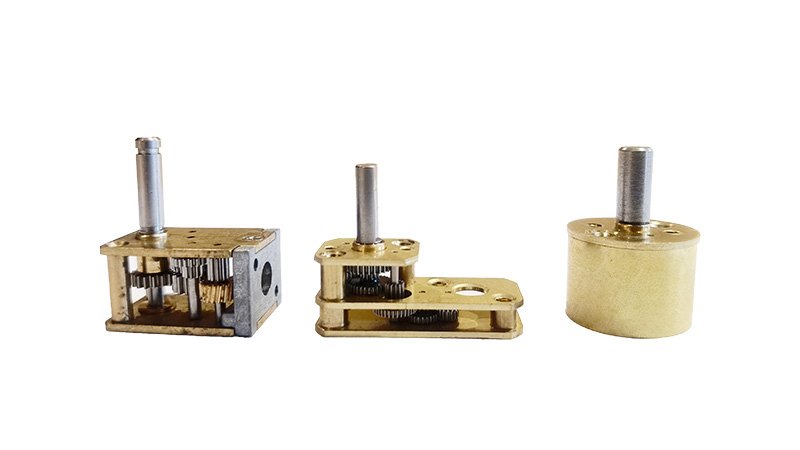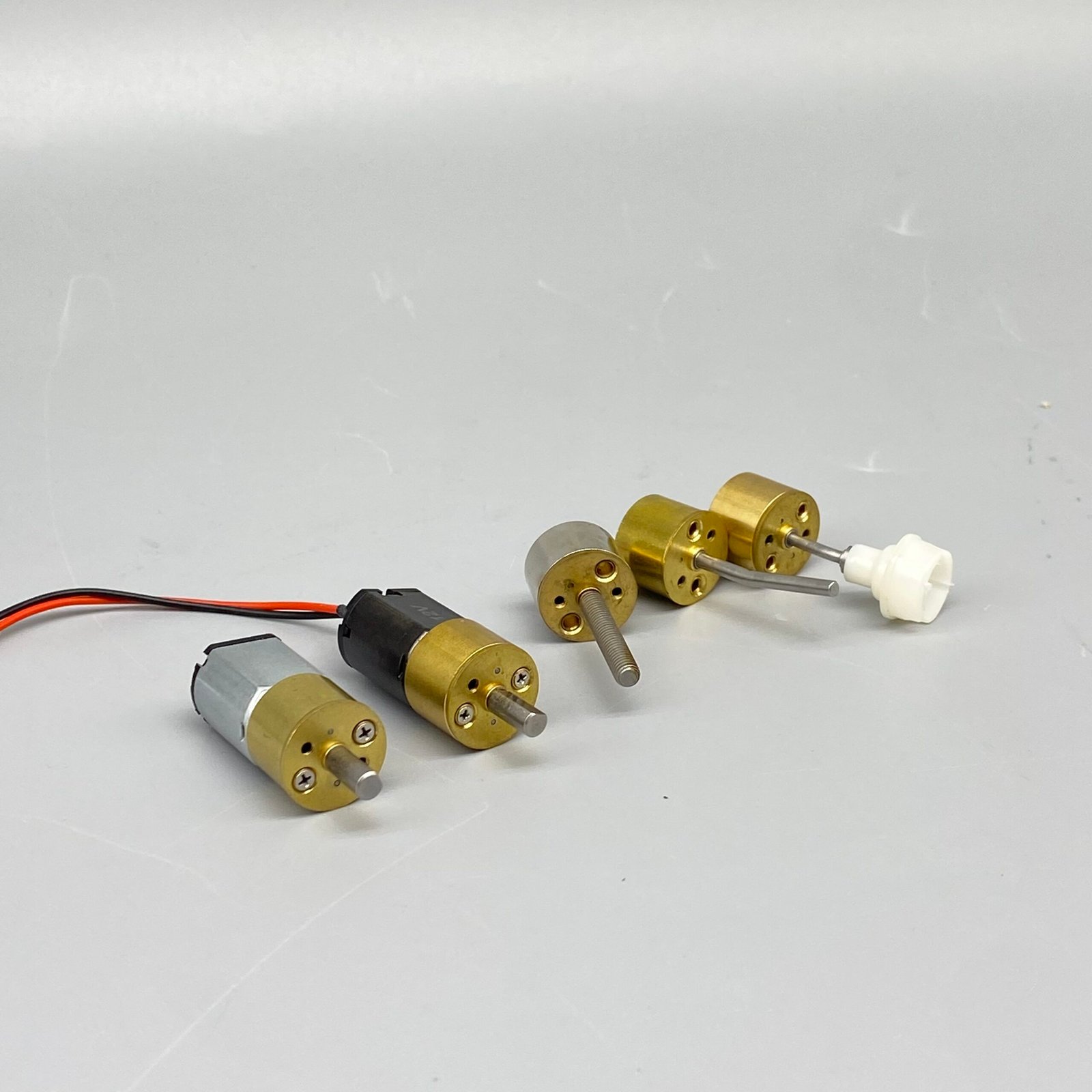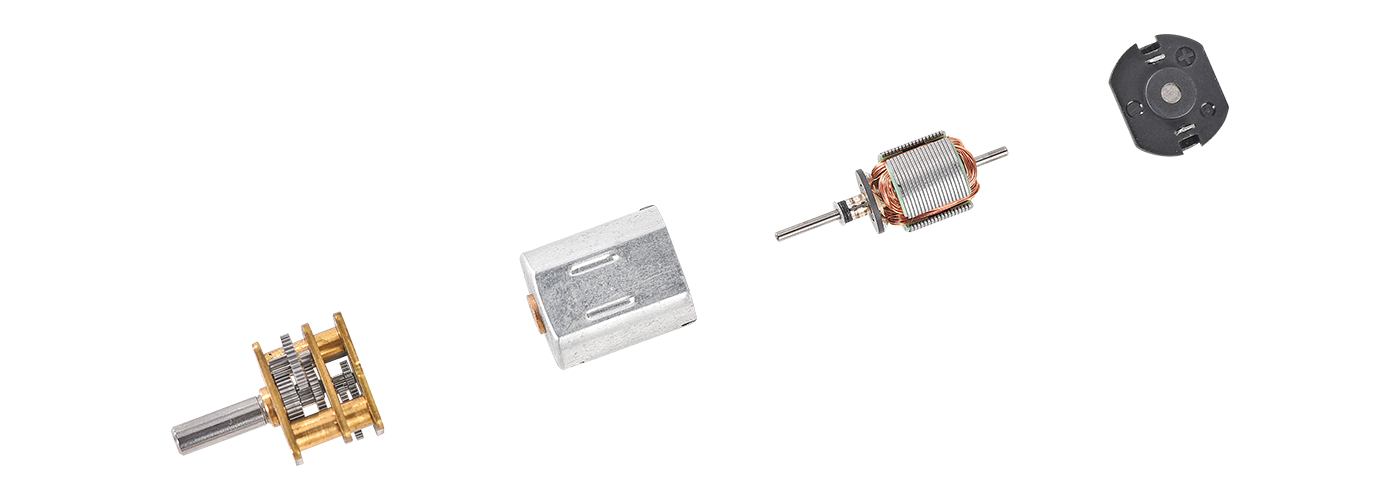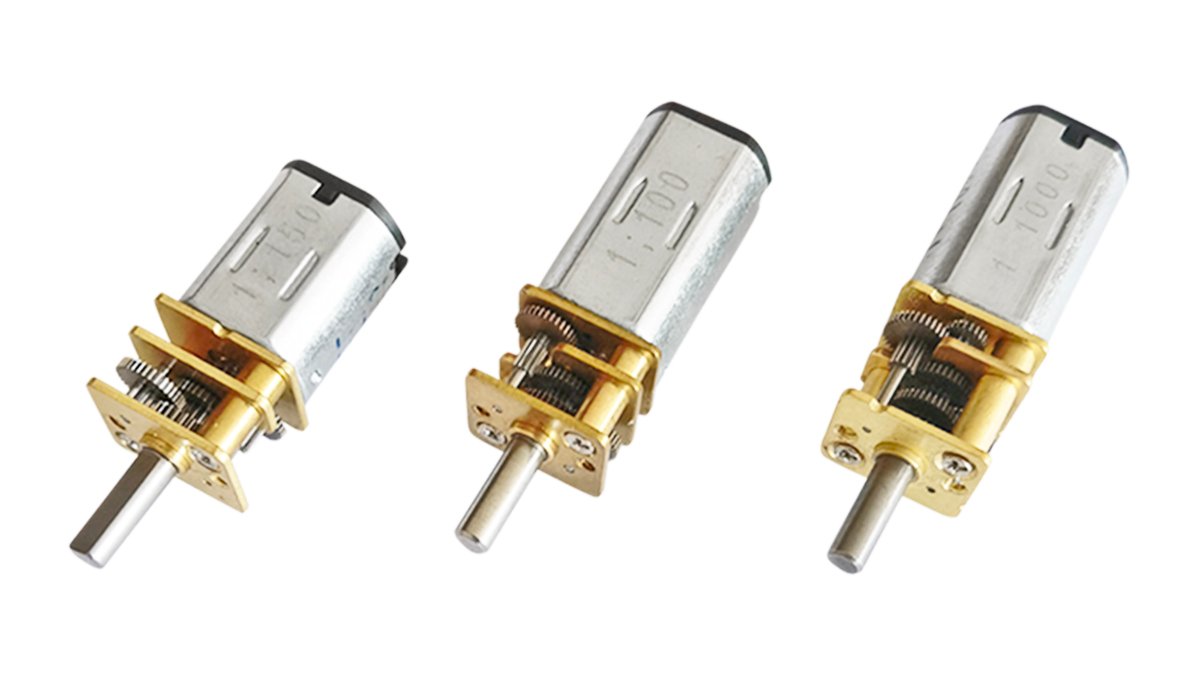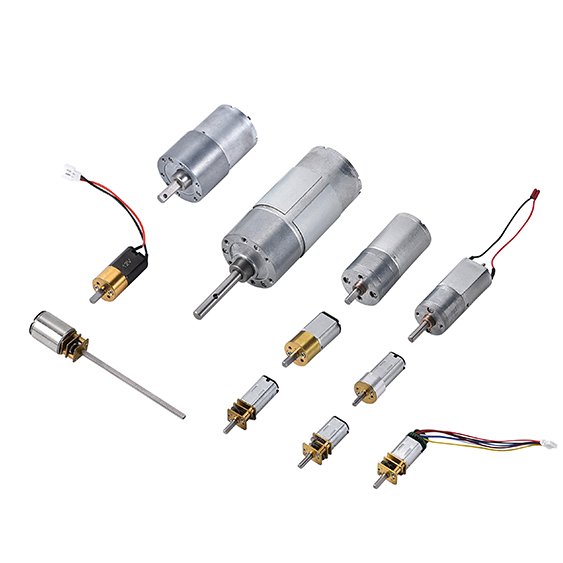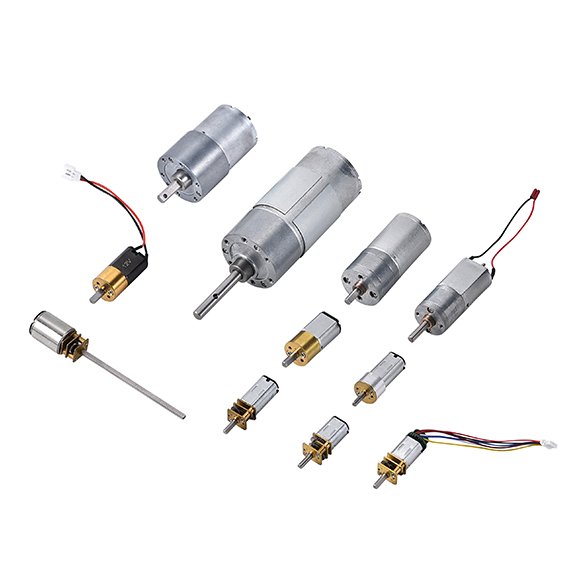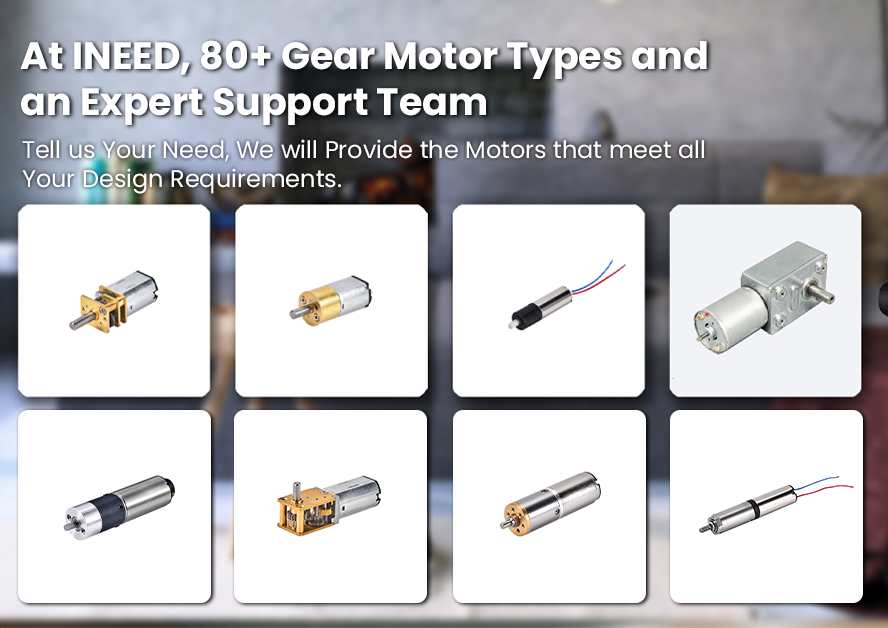
Preventing motor failures in spur gear systems under shock and overload starts with proper sizing, using quality materials, adding protection devices, regular maintenance, and careful monitoring. You depend on reliability from INEED Spur Gear Motors and Small gear motor for demanding applications. Shock and overload often cause gear issues, making proactive strategies vital. When you choose reliable gear motors, you get consistent performance, high efficiency, and easy installation. Adapting your motor for the environment—using heat-resistant materials, special lubricants, and waterproof or sealed housings—helps prevent gear and motor failures. These steps keep your gear motor running smoothly, even in tough conditions.
Adapting motors to different environments ensures reliable gear performance and longer motor life.
Using enhanced sealing and waterproof features protects the gear and motor from moisture and contaminants.
Simple gear structure allows for easy installation and maintenance, which is essential for preventing motor failures.
Key Takeaways
Choose the right spur gear motor for your application to ensure it can handle shock and overload effectively.
Regular maintenance, including inspections and lubrication, is crucial for preventing gear motor failures.
Monitor your gear motor’s health by watching for warning signs like unusual sounds or vibrations.
Use motor protection devices like thermal overload relays to safeguard against overheating and damage.
Maintain a clean operating environment to prevent contaminants from causing gear wear and failures.
Gear Failure Modes Under Shock and Overload
When you use spur gear motors in demanding environments, you must understand the main gear failure modes. Shock and overload can cause different types of gear failure. You can prevent unexpected failures by learning how these problems develop and how to spot them early.
Tooth Breakage and Misalignment
Tooth breakage is one of the most common gear failure modes. Sudden shock loads, repeated stress, and fatigue can cause gear teeth to crack or break. Misalignment increases contact stress and leads to high fatigue resistance loss. You may notice loud knocking sounds, changes in vibration, or a drop in torque transmission. These warning signs often appear before a complete gearbox failure.
Tip: You can use vibration signals and acoustic monitoring to detect early signs of gear failure. Comparing healthy and faulty gear sounds helps you estimate the severity of defects.
Here is a table that shows common gear failure modes, their causes, warning signs, and prevention strategies:
Failure Mode | Causes | Warning Signs | Prevention Strategies |
|---|---|---|---|
Gear Tooth Breakage | Sudden shock loads, fatigue, defects | Loud knocking, vibration changes | Design with service factors, avoid shock loading |
Loss of torque transmission | Ensure correct material and hardness, use limiters |
INEED Spur Gear Motors use high-quality steel or brass gears. This design gives you high fatigue resistance and reduces the risk of gear failure. INEED’s strict quality control and testing process ensures each gear meets high standards for contact stress and durability.
Bearing and Lubrication Issues
Bearings and lubrication play a key role in preventing gear failure. You may face problems like excessive wear, overheating, or noise if you do not maintain proper lubrication. Common causes include:
Inadequate lubrication
Contamination
Misalignment
Excessive loads
Improper installation
Proper lubrication reduces friction, prevents metal-to-metal contact, and cools the gearbox. If you skip regular checks, you increase the risk of gear failure due to stress and fatigue. INEED’s quality control team checks every motor for correct lubrication and bearing alignment to help you avoid these issues.
Contaminant-Related Failures
Contaminants such as dust, moisture, and particles can cause gear failure. These particles lead to abrasive wear, pitting, and oil film collapse. You may see faster gear surface damage and higher contact stress. Contaminants also cause additive depletion in lubricants, which increases the risk of fatigue and gear failure.
Lubricant-related failures often start with particle contamination.
Abrasive wear comes from poor maintenance or manufacturing.
Pitting results from fatigue cracks caused by contaminants.
You can prevent gear failure by keeping your gear motor clean and following INEED’s maintenance guidelines. INEED’s robust sealing and quality materials protect your gear from contaminants and reduce the chance of unexpected failures.
Root Causes and Warning Signs of Overload
Understanding the root causes and warning signs of overload helps you prevent costly failures in your spur gear motors. You can take action early and keep your system running smoothly by knowing what to look for and how to respond.
Sudden Torque Spikes
Sudden torque spikes often cause overload in spur gear motors. These spikes happen when the load changes quickly or when the motor faces a jam. Exceeding the nameplate torque ratings can lead to overheating and reduce motor life. You may see this in industrial settings where operating conditions change often. Human error, such as starting or stopping the motor too quickly, can also create overload. Always check your application’s duty cycle and make sure the load matches the motor’s capacity.
Tip: Request service factors and overload data from your supplier, like INEED, to ensure your motor can handle unexpected spikes.
Improper Motor Protection Settings
Improper motor overload setting is a common cause of failure. If you set the thermal overload protection too low, the motor may shut off during normal load, which can interrupt your process. If you set the motor overload setting too high, the motor will not receive enough protection during overload, leading to overheating and possible damage. For best results, set the thermal overload relay to no more than 125% of the full-load current. This setting gives you the right balance between protection and performance.
INEED offers technical support and custom solutions to help you choose the right protection devices for your application.
Early Detection and Monitoring
You can prevent overload failures by monitoring your gear motor’s health. Watch for these warning signs:
Gear tooth wear, which leads to high vibration and noise
Changes in vibration profiles, which signal machine faults
Unusual sounds or increased temperature
Use vibration analysis, motor current signal analysis, and infrared signal analysis to monitor motor health. These methods help you spot overload before it causes serious damage. Predictive maintenance, such as scheduling checks based on wear progression, keeps your system reliable.
Note: Monitoring helps you detect overload early and plan maintenance before a failure occurs.
If you need help with monitoring or overload protection, contact INEED’s support team. They can guide you in selecting the right motor and settings for your needs.
Preventing Motor Failures with INEED Solutions
You can prevent spur gear motor failures under shock and overload by following a step-by-step approach. INEED Motors offers a range of solutions that help you achieve reliable performance and long-lasting operation. You need to select the right gear motor, use proper motor protection devices, install torque limiters and overload relays, and maintain a clean operating environment. Each step improves the protection of your gear motor and reduces the risk of overload.
Selecting the Right Spur Gear Motor
You must choose a spur gear motor that matches your application’s requirements. INEED Motors provides customization options for shaft length, gear type, reduction ratio, and encoder integration. You can request a motor that fits your load, speed, and torque needs. The right selection ensures your gear motor can handle shock and overload without failure.
Use the following table to guide your selection:
Criteria | Description |
|---|---|
Torque and Speed Requirements | Understand the torque and speed needed for your application. High-torque motors suit heavy-duty tasks. Make sure the rated torque exceeds peak load demands by a safety margin. |
Load Capacity and Construction Materials | Check the motor’s ability to handle static and dynamic loads. Evaluate radial and axial load limits, duty cycle, and shock load potential. Choose steel gears for industrial strength and durability. |
Efficiency and Thermal Management | Select high-efficiency motors to reduce energy use and heat. Good thermal management prevents damage and extends lifespan. Synthetic lubricants improve heat resistance. |
You can contact INEED’s sales engineers for help with custom gear motor design. They will guide you through the selection process and provide technical support.
Motor Protection Devices and Settings
You need to install motor protection devices to prevent overload and protect your gear motor. INEED Motors recommends using coordinated protection strategies for best results. You can choose from several types of motor protection devices:
Thermal overload relays
Electronic overload relays
Smart relays with IoT monitoring capabilities
Set your motor protection devices to match your application’s full-load current. Proper motor protection settings prevent unnecessary shutdowns and protect your gear motor from overheating. You should set thermal overload relays to no more than 125% of the full-load current. This setting gives you balanced protection and performance.
INeED’s technical support team can help you select and configure motor protection devices. You can request overload protection data and service factors to ensure your gear motor is protected against unexpected overload.
Torque Limiters and Overload Relays
You can reduce the risk of gear motor failure by installing torque limiters and overload relays. These devices provide extra protection for your gear motor. Torque limiters act as safety devices that disengage the motor from the driven system when torque exceeds safe levels. Overload relays protect your gear motor from electrical overload.
Here is how torque limiters and overload relays help:
Prevents catastrophic failure by acting as an electronic shear pin that can be reset without physical replacement.
Reduces downtime significantly, allowing for quick investigations and resets after an electrical trip.
Improves equipment lifespan by eliminating stress from prolonged overload conditions.
The table below shows the benefits:
Benefit | Description |
|---|---|
Prevents Catastrophic Failure | Protects critical components from severe damage by disengaging the motor when torque exceeds limits. |
Reduces Downtime | Allows for quick resets after an electrical trip, minimizing production interruptions. |
Improves Equipment Lifespan | Reduces mechanical wear on components by preventing prolonged overload conditions. |
Operational Reliability | Ensures consistent protection, allowing machines to operate closer to optimal capacity without risk. |
You can set torque limiters at predetermined torque settings. This proactive management of torque levels enhances the longevity and reliability of your gear motor. INEED Motors offers support for selecting and installing torque limiters and overload relays.
Clean Operating Environment
You must maintain a clean operating environment to protect your gear motor. Dust and contaminants can enter the gearbox seals and mix with grease. This mixture forms a grinding paste that accelerates wear on gear teeth and bearings. Keeping your gear motor clean prevents these detrimental effects and extends its lifespan.
Follow these steps to maintain a clean environment:
Use sealed housings and waterproof features to protect your gear motor.
Schedule regular cleaning and inspections.
Replace lubricants as needed to prevent contaminant buildup.
Install your gear motor in areas with minimal dust and moisture.
INeED Motors provides robust sealing and quality materials to help you maintain a clean operating environment. You can request maintenance guidelines and technical assistance for your gear motor.
Tip: Regular testing and maintenance keep your gear motor protected and reliable. You can contact INEED’s support team for help with maintenance schedules and protection strategies.
You can prevent spur gear motor failures by selecting the right motor, using proper motor protection devices, installing torque limiters and overload relays, and maintaining a clean operating environment. INEED Motors supports you with customization, rigorous quality control, and technical assistance for all your gear motor protection needs.
Maintenance Best Practices for INEED Gear Motors
Routine Inspections and Lubrication
You need to follow a regular maintenance schedule to keep your motor running smoothly and prevent failure. Start with an initial lubricant change after the first 500 hours of operation. Then, perform routine inspections and lubrication every 7,500 to 10,000 hours or at least once a year. If your motor operates in harsh conditions, increase the frequency. During each inspection, check the motor’s temperature, listen for unusual sounds, and look for signs of overheating or misalignment. Replace lubricants with recommended grease or synthetic oils. Clean the gearbox using proper agents and always inspect before cleaning.
Maintenance Type | Recommended Interval |
|---|---|
Initial Change | After the first 500 hours of operation |
Regular Interval | Every 7,500 to 10,000 hours or annually, more often in harsh conditions |
Tip: Routine inspections help you catch problems early, save money, and improve motor performance.
Alignment and Load Tracking
Proper alignment and load tracking are essential for reliable motor operation. Place both gears on their shafts. Use a straight edge or alignment tool to check that the shafts are parallel. Adjust the gears so the teeth line up perfectly. Rotate the gears by hand to check for smooth movement. Tighten all fasteners once you confirm alignment. Track gear wear using image processing and optical tools. Measure gear performance with a master gear tester. Check all teeth with the dimension over pins method. Weigh the gear to see if it has lost mass from wear. Measure tooth thickness to spot wear. Use high-quality lubricants made for gears. Inspect often for signs of wear or misalignment.
Documentation and Personnel Training
You need to document every maintenance activity. Record inspection dates, lubricant changes, and any issues found. Train your personnel to follow INEED’s maintenance guidelines. Teach them how to use alignment tools, measure gear wear, and select the right lubricant. Well-trained staff reduce the risk of motor failure and ensure consistent performance.
Key Maintenance Practice | Description |
|---|---|
Cleaning Processes | Prioritize pre-cleaning inspections and select appropriate cleaning agents for gearbox cleanliness. |
Proper Lubrication | Select the correct lubricant to maximize performance and longevity. |
Routine Inspections | Establish a routine inspection schedule and use advanced techniques for reliable operation. |
INEED Small gear motor offers precise torque control, high energy efficiency, and consistent reliability in compact applications. You can trust INEED’s technical assistance and maintenance guidelines to maximize your motor’s lifespan.
You can prevent spur gear motor failure by following a few key steps. Set the right grease intervals, fix seals, and check alignment. Use vibration and oil analysis to spot early signs of trouble. Combining these methods helps you find 30-40% more faults before they cause failure. Proactive maintenance and correct setup keep your motor reliable. INEED offers strong support with customization, strict quality control, and technical help.
Feature | Description |
|---|---|
Customization Options | Adjust dimensions, gears, and accessories for your project |
Quality Control | Rigorous inspections and testing for every motor |
Technical Support | Training and detailed guides for reliable motor performance |
Stay ahead of failure by using INEED’s expertise and requesting key data for your motor’s best performance.
FAQ
How do you choose the right spur gear motor for your application?
You should list your torque, speed, and space needs. Check the motor’s rated values. Ask INEED for custom options if your project has special requirements. Always match the motor’s capacity to your load.
What maintenance steps help prevent gear motor failure?
You should inspect your motor regularly. Change lubricants as recommended. Keep the motor clean and check for unusual sounds or heat. Follow INEED’s maintenance guidelines for best results.
Why is overload protection important for gear motors?
Overload protection stops damage from sudden spikes or jams. You protect your motor from overheating and extend its life. Use devices like thermal relays or torque limiters for extra safety.
How can you detect early signs of gear failure?
You should listen for new noises, feel for vibration, and watch for heat. Use vibration analysis tools if possible. Early detection helps you fix problems before they cause failure.
Where can you get technical support for INEED gear motors?
You can contact INEED’s support team through their website. They offer help with selection, installation, and troubleshooting. You can also request maintenance guides and overload data.