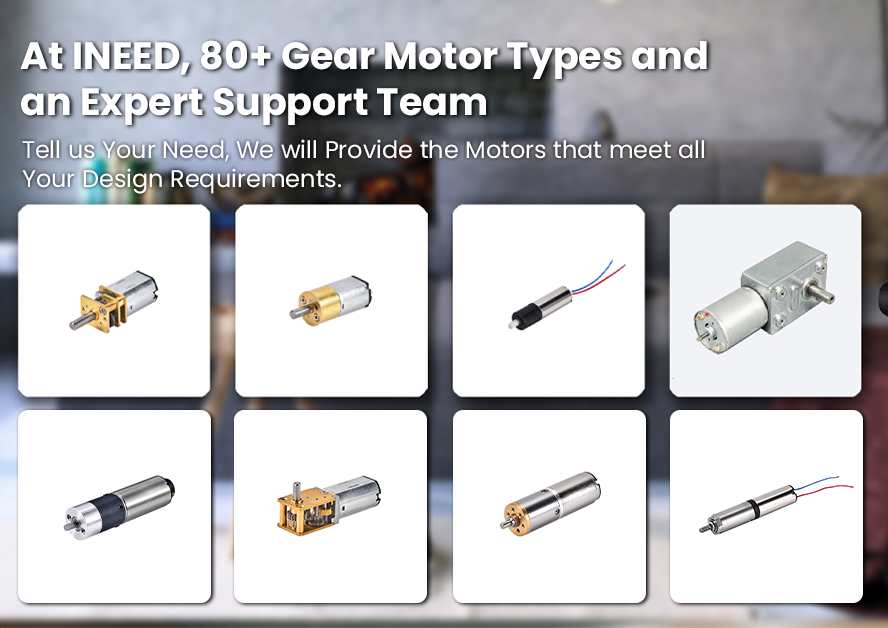
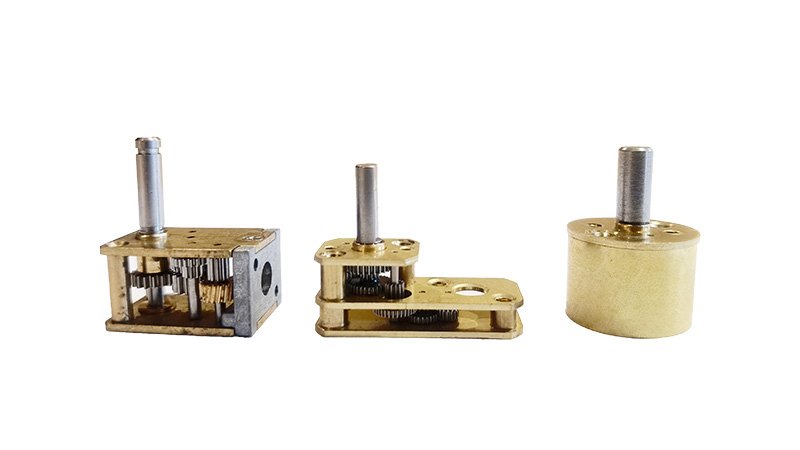
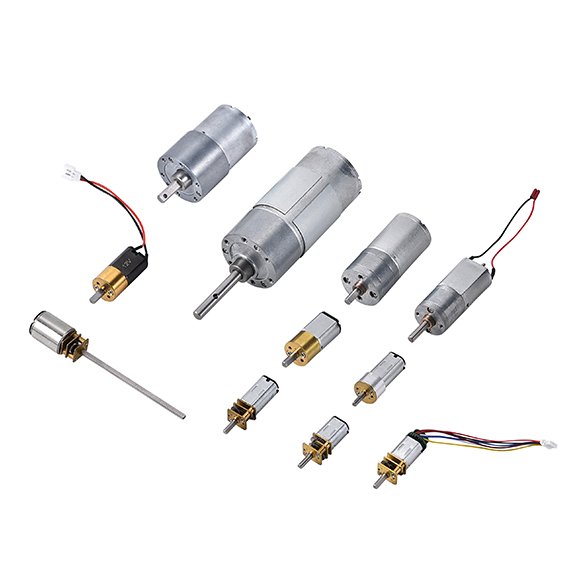
You rely on high-performance motors for demanding tasks. The quality control process ensures that every high torque motor meets strict standards. INEED’s approach to quality control process starts with careful material selection. You see consistent results because the quality control process covers design validation, manufacturing controls, and testing. INEED’s commitment to quality control process gives you motors that last longer. The quality control process protects durability and performance in every unit.
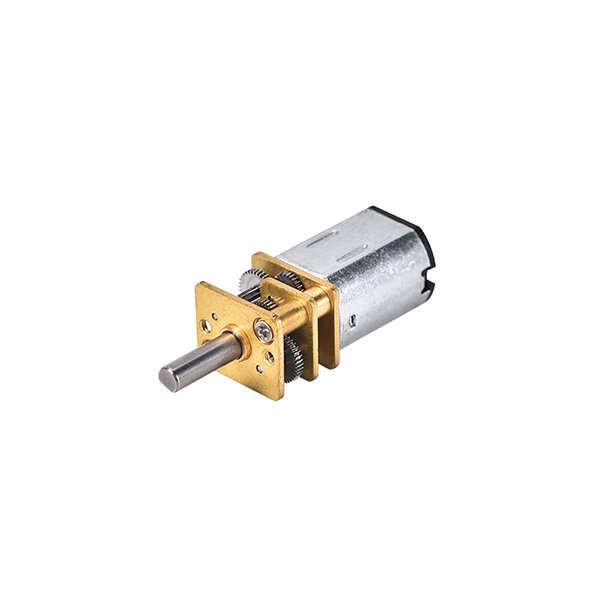
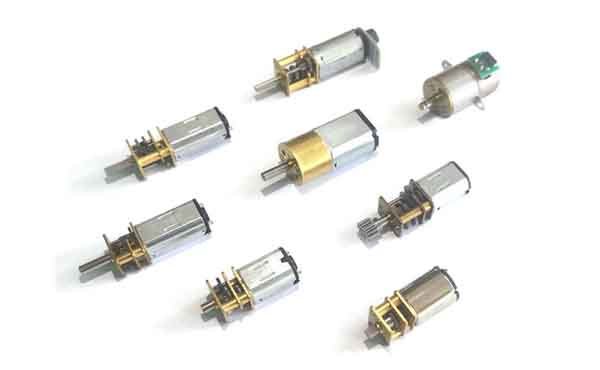
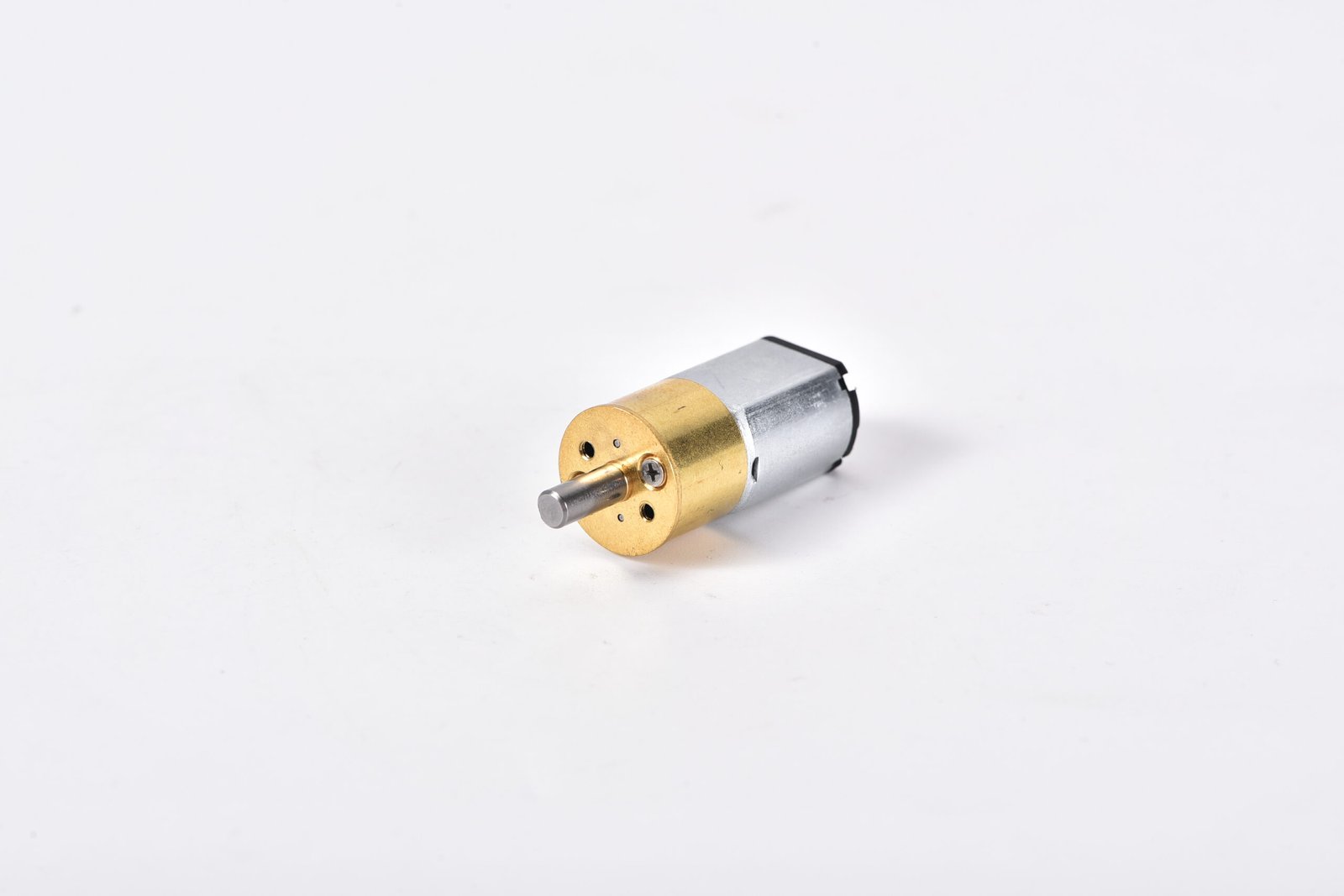
INEED customizes small gear motors to fit your needs, making the quality control process essential for reliable results.
Key Takeaways
Quality control starts with careful component inspection. This step ensures that every part meets strict criteria, preventing defects early in the process.
Design validation uses advanced tools to predict motor performance. This step catches design flaws before assembly, ensuring a smooth production process.
Manufacturing controls maintain high quality during production. Automated systems and rigorous inspections reduce human error and ensure consistent results.
Performance testing confirms that each motor meets strict requirements. Advanced measurement techniques help identify issues before motors reach applications.
Predictive maintenance extends motor life and reduces costs. Monitoring systems detect issues early, allowing for timely repairs and minimizing downtime.
Essential Steps in the Quality Control Process
INEED’s quality control process gives you confidence in every high-torque motor. You depend on these motors for critical applications, so each step in the process matters. INEED’s small gear motors power devices in robotics, healthcare, and telecommunications. You need motors that deliver consistent torque and long service life. The following steps show how INEED ensures every motor meets your expectations.
Component Inspection
You start with the foundation—component inspection. Each part must meet strict criteria before entering motor assembly. You check the air gap between the rotor and stator for consistency. This gap affects how well the motor performs. You also inspect end caps and bearings. These parts keep the motor aligned and extend its life. High-grade wire winds each pole to ensure steady torque. If you find variations, you risk resonance or poor resolution.
You use both online and offline testing methods. Online dynamic tests check power quality and operating conditions during motor assembly. Offline static tests help you find issues like broken rotor bars or misalignment. These tests confirm that every component works as it should. You focus on dimensional accuracy to make sure each part fits perfectly. This attention to detail prevents problems later in the process.
Tip: Careful inspection at this stage saves time and money by catching defects early.
Design Validation
Before you build the motor, you validate the design. You use advanced tools to predict how the motor will perform. The table below shows the main methods you use for design validation:
Method | Purpose |
|---|---|
Electromagnetic simulation | Visualizes magnetic flux, calculates torque, identifies saturation or losses |
Thermal simulation | Predicts temperature distribution, designs cooling systems |
Structural FEA | Ensures components withstand operational stresses and vibrations |
Virtual prototyping | Predicts real-world performance across operating conditions |
Finite Element Analysis | Assesses mechanical stress, performs modal analysis, predicts fatigue life |
You rely on electromagnetic simulation to see how magnetic fields move inside the motor. You use thermal simulation to check for hot spots and design cooling systems. Structural FEA helps you make sure the motor can handle stress and vibration. Virtual prototyping lets you test the design in different conditions before you build anything. Finite Element Analysis gives you a deeper look at mechanical stress and predicts how long the motor will last.
You use these methods to catch design flaws early. This step ensures that the motor assembly will go smoothly and the final product will meet your needs.
Manufacturing Controls
You move to the production floor, where manufacturing controls keep quality high. You use automated assembly processes to put parts together with precision. Machines reduce human error and make each motor assembly consistent. Advanced sensor technologies monitor temperature and vibration in real time. If something goes wrong, you spot it right away.
You follow rigorous inspection protocols. Automated checks work alongside manual inspections. You make sure every part meets quality standards before final motor assembly. This approach prevents defects from reaching the next stage.
Here is a summary of the main manufacturing controls:
Control Type | Description |
|---|---|
Automated Assembly Processes | Utilize machines to ensure precision in component assembly, reducing human error and increasing consistency. |
Advanced Sensor Technologies | Monitor assembly parameters like temperature and vibration in real-time to detect anomalies immediately. |
Rigorous Inspection Protocols | Combine automated and manual checks to ensure all components meet quality standards before final assembly. |
You see the results in every finished product. Each small gear motor from INEED passes through these controls. You get motors that perform reliably, even in demanding environments.
Note: Strong manufacturing controls help you avoid costly recalls and keep your customers satisfied.
By following these essential steps, you ensure that every high-torque motor meets the highest standards. You protect your investment and deliver quality with every motor assembly.
Testing Methods and Standards Compliance
Performance Testing
You rely on performance testing to confirm that each high-torque motor meets strict requirements. INEED uses advanced tools to measure key parameters, including torque, speed, and efficiency. You see how strain gauge-based sensors capture the twisting force produced by the motor shaft. Reaction torque sensors offer high durability and reliability. Rotary torque transducers provide accurate readings in electric motor systems. Mechanical power instruments help you maintain accuracy during testing. The table below shows the main measurement techniques used in performance testing:
Measurement Technique | Description |
|---|---|
Strain Gauge-based Sensors | Capture the twisting force produced by the motor shaft |
Reaction Torque Sensors | High durability sensors without moving parts |
Rotary Torque Transducers | Specialized tools for accurate torque measurement |
Mechanical Power Instruments | Maintain accuracy and reliability in testing electric motors |
You benefit from these methods because they help you identify any issues before the motor reaches your application.
Torque Verification
You use torque verification to ensure that every motor delivers consistent force. INEED employs dial and digital torque testers, inline testers, and multichannel testers. Torque wrench testers check different types of wrenches. Torque testers, analyzers, and monitoring systems play a crucial role in quality control. You measure the force applied to fasteners, making sure components operate correctly. Anomalies in torque can signal quality issues, so you depend on advanced monitoring systems to catch defects early. INEED’s torque testers offer high accuracy, as shown in the table below:
Tool/Instrument Category | Accuracy |
|---|---|
Torque Testers | TT-QC (1.0%), TT-QCM (0.5%), TT-3000 (0.5%) |
Multi-Channel Torque Tester | MTM (0.5%) |
You trust these tools to verify torque and guarantee reliable performance in every small gear motor.
Industry Standards
You expect your motors to comply with industry standards. INEED follows ISO 9001 for quality management, RoHS and REACH for hazardous substance compliance, and other certifications for safety and reliability. The table below highlights the main certifications relevant to high-torque motor quality control:
Certification | Relevance |
|---|---|
ISO 9001 | Quality management system |
RoHS | Restriction of hazardous substances |
REACH | Compliance with hazardous substances |
CE | Safety standards |
UL | Safety standards |
You gain confidence knowing that INEED’s small gear motors meet these standards. Rigorous testing and compliance ensure reliability and durability for demanding applications.
Note: You protect your investment by choosing motors that pass strict torque testing and meet global standards.
Advanced Quality Control Technologies
Automation in Production
You see automation transforming the way small gear motors are made. INEED uses automated systems for assembly, which ensure accuracy and consistency. Sensors and computerized controls check every step. Automated inspection systems detect defects with high precision. Machines work alongside skilled workers, combining the strengths of both. This approach guarantees that each motor meets strict quality standards. You benefit from reliable products that perform well in demanding applications.
Automated production lines at INEED boost efficiency and reduce human error. You get motors that deliver consistent torque and long service life.
You also find advanced technologies like Variable Frequency Drives (VFDs) and Direct Torque Control (DTC). VFDs optimize motor performance and allow flexible motor selection. DTC technology gives you enhanced accuracy in controlling motor flux and torque. These innovations help you achieve better results in high-torque applications.
Digital Monitoring
Digital monitoring gives you real-time insight into the production process. INEED’s digital tracking systems connect data to each motor as it moves through production. You can trace every step, making audits and recalls easier. Capturing data at the point of work turns records into proactive tools. You spot issues early and respond quickly.
A Manufacturing Execution System (MES) provides real-time data. You follow best practices and identify defects right when they happen. This system helps manage product recalls and reduces liability. Traceability lets you pinpoint affected products, so you avoid broad recalls and maintain accountability.
Benefit | Impact |
|---|---|
Real-time traceability | Faster audits and recall management |
Early issue detection | Improved quality and reduced downtime |
Enhanced accountability | Lower liability and precise recalls |
Predictive Maintenance
Predictive maintenance keeps your motors running longer and reduces costs. AI-powered systems monitor bearing health, winding insulation, and rotor condition. You detect electrical faults before they cause breakdowns. These systems warn you about bearing deterioration, which leads to vibration and heat. You also catch winding insulation failures and rotor bar cracking early.
By tracking torque trends and predicting abnormal conditions, you shift from reactive to proactive maintenance. You schedule repairs at optimal times, minimizing unplanned downtime. Predictive maintenance can reduce downtime by 80% and extend motor life by 50%. You save money, as studies show maintenance costs drop by 10-40%. This approach helps you manage costs and keep your equipment running smoothly.
You protect your investment and ensure reliable performance by using advanced quality control technologies.
You gain reliable high-torque motors when you follow a robust quality control process. This approach brings you several benefits:
Each motor meets strict standards, which reduces defects.
Real-time monitoring improves performance and cuts downtime.
Consistent quality extends motor life.
INEED tracks customer satisfaction using clear metrics:
Metric | Description |
|---|---|
Net Promoter Score® | Measures loyalty and likelihood to recommend |
Customer satisfaction | Direct feedback on satisfaction levels |
Customer Effort Score | Rates how easy it is to work with INEED |
First response time | Time to answer your questions |
Average resolution time | Time to solve your issues |
First contact resolution | Percentage of issues fixed on first contact |
You can trust INEED’s commitment to continuous improvement. Choose advanced quality control and consider INEED’s small gear motors for your next high-torque application.
FAQ
How do you choose the right small gear motor for your application?
You define your needs. List the required torque, speed, and dimensions. Check the output shaft type. Contact INEED for custom solutions. You get expert advice and free samples to test before ordering.
What quality control tests do you perform on small gear motors?
You see multiple tests. INEED inspects materials, checks dimensions, and tests motor performance. Lifetime tests and outgoing inspections ensure reliability. Every motor passes strict standards before shipment.
Are INEED’s small gear motors compliant with international standards?
You get motors that meet ISO 9001, RoHS, and REACH requirements. INEED follows global safety and environmental standards. You can trust the quality and safety of every product.
How quickly can you receive samples or bulk orders?
You receive samples in 7–10 days. Bulk orders depend on quantity. INEED responds to your requests within 8 hours. You get fast service and clear communication.
Can you customize small gear motors for unique projects?
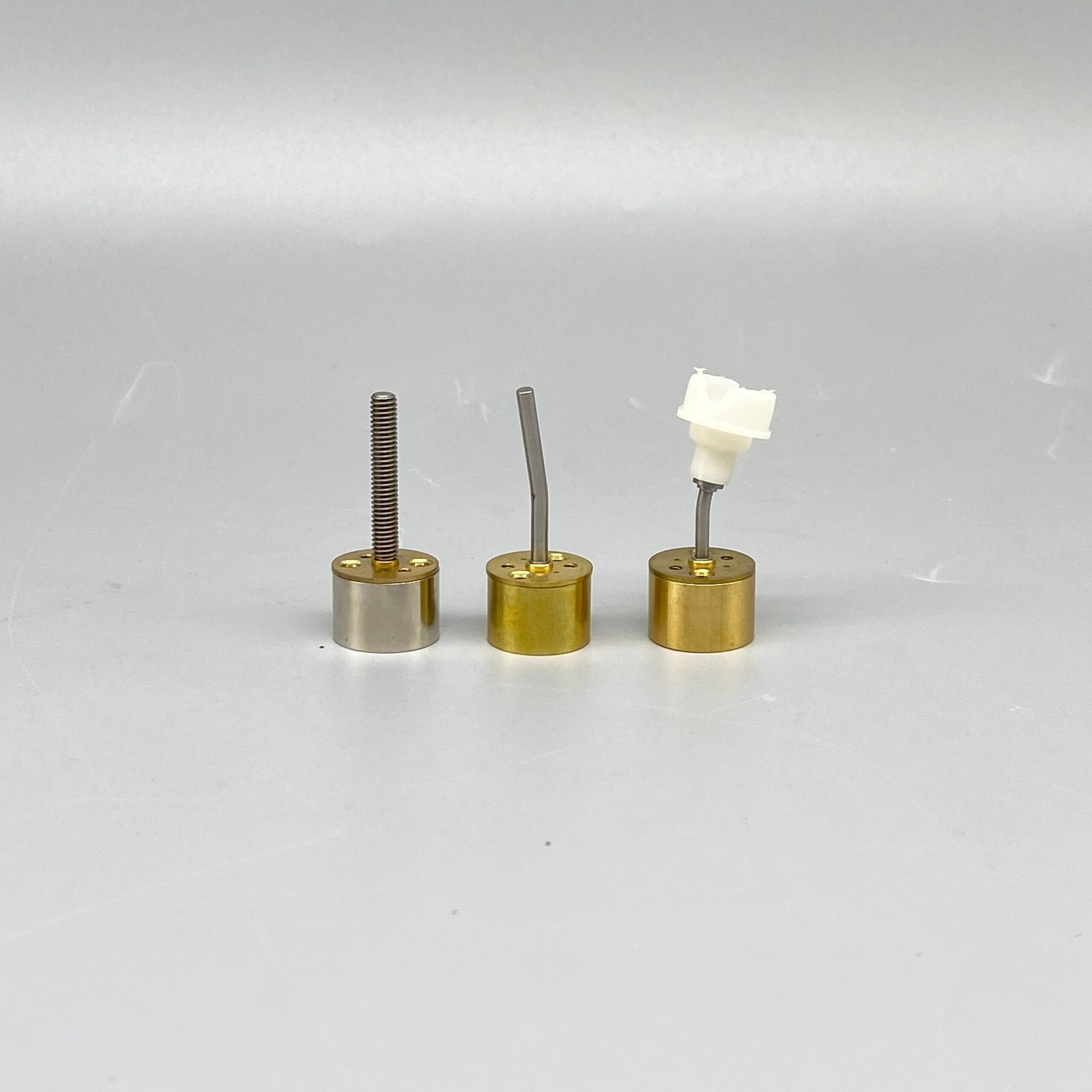
You request custom designs. INEED offers tailored solutions for shaft, gear ratio, speed, and torque. You fill out a form or email your requirements. Engineers help you find the best fit.