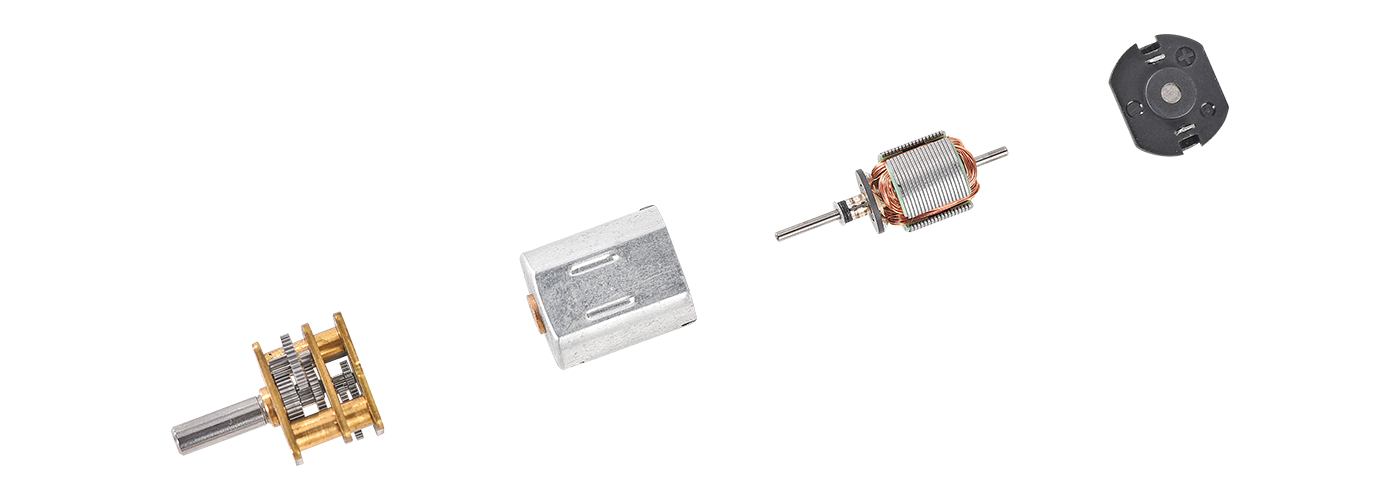
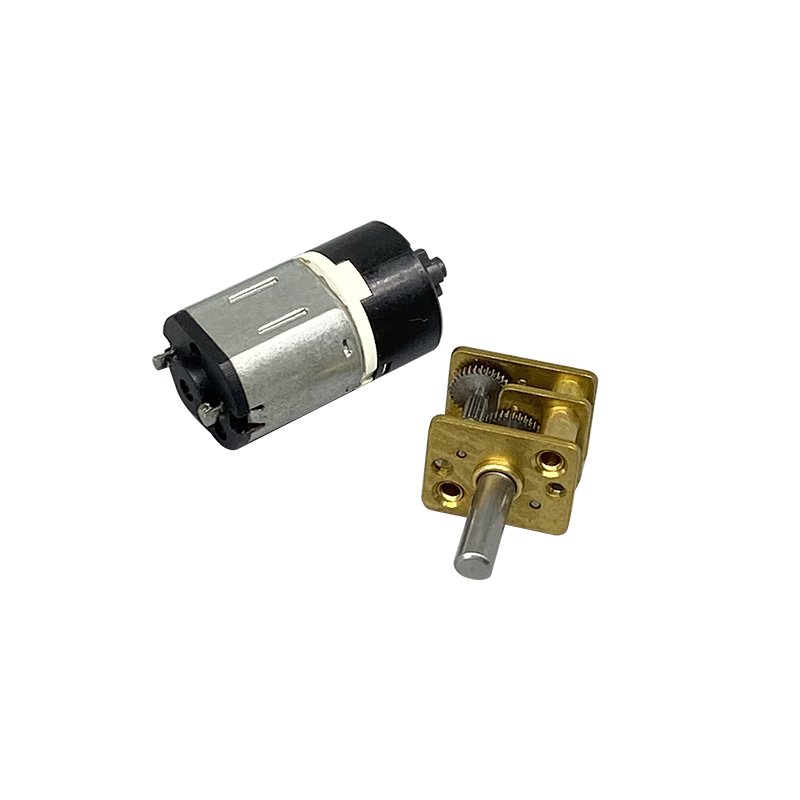
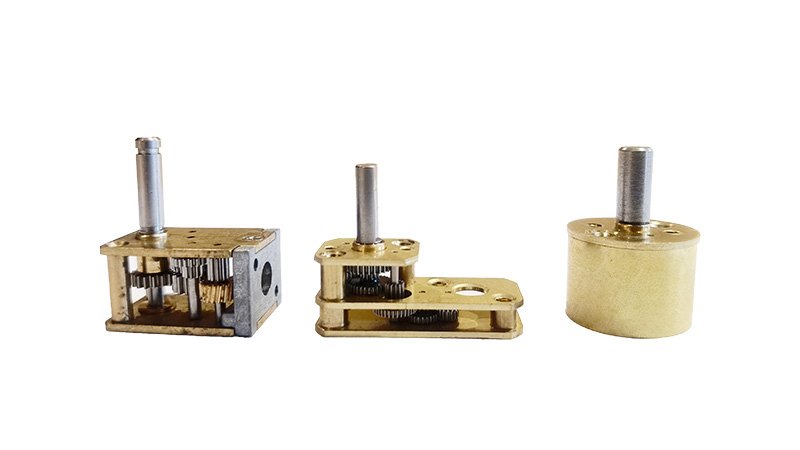
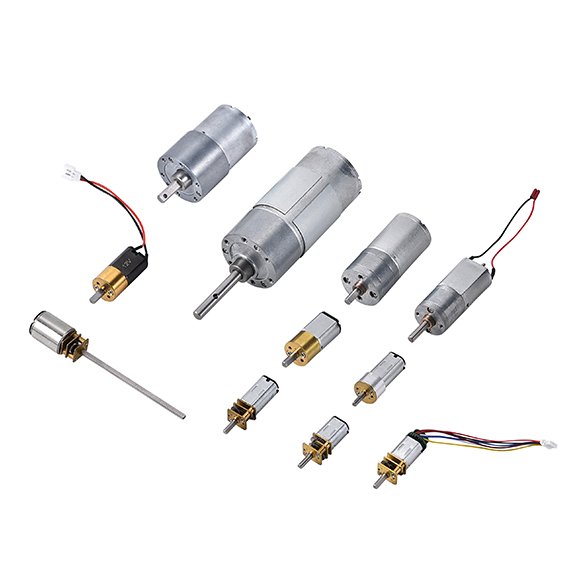
You need to choose Spur Gear Materials that deliver strength and stability when your gearbox faces high speed and heat. The right material resists wear and keeps your equipment running reliably, even during demanding cycles. INEED brings you expertise in designing customized, high-quality spur gear motors for advanced industries. You can trust INEED to help you select the best material for long-lasting performance and precise operation.
Key Takeaways
Select spur gear materials based on strength and hardness to ensure durability under heavy loads and fast rotations.
Consider wear and thermal resistance to extend gear life, especially in high-speed and high-temperature environments.
Evaluate machinability and cost to balance performance with budget, ensuring efficient production without compromising quality.
Utilize INEED’s expertise and customization options to tailor spur gear motors to your specific application needs for optimal performance.
Spur Gear Materials for High-Speed Gearboxes
When you select Spur Gear Materials for high-speed gearboxes, you must consider how each material performs under stress, heat, and demanding cycles. INEED uses steel and brass in its spur gear motors, but you can also choose from advanced alloys, stainless steel, and even plastics or composites. Each material offers unique benefits for different applications. You need to match material properties to your operating environment and performance needs. Industry standards and INEED’s quality control help you make reliable choices.
Alloy Steels and Advanced Alloys
Alloy steels and advanced alloys are popular Spur Gear Materials for high-speed gearboxes. You get high strength and excellent fatigue resistance. These materials handle repeated loads and fast rotations without failing. You can see their mechanical properties and performance characteristics in the table below:
Property | Details |
|---|---|
Material Grades | AISI 8620, 9310 |
High Strength | Yes, with excellent fatigue resistance |
Teeth Precision | AGMA 10–14 / ISO 6–8 |
Surface Hardness | 50–60 HRC |
Wear Resistance | Yes, ensuring long service life |
Module (Metric) | 0.5 – 3 |
Diametral Pitch | 4 – 120 DP |
Common Gear Ratios | 1:1 to 5:1 |
Applications | Industrial machinery, automotive systems, robotics, precision equipment |
Post-Processing | Carburizing, quenching, tempering |
You benefit from alloy steels because they resist fatigue and last longer in high-speed gearboxes. Advanced alloys add elements that improve hardness and corrosion resistance. You can use these materials for shafts and gears that need to withstand tough conditions.
Alloy steel gives you high strength and toughness.
Advanced alloys improve hardness and corrosion resistance.
Both types help your gearboxes last longer and perform better.
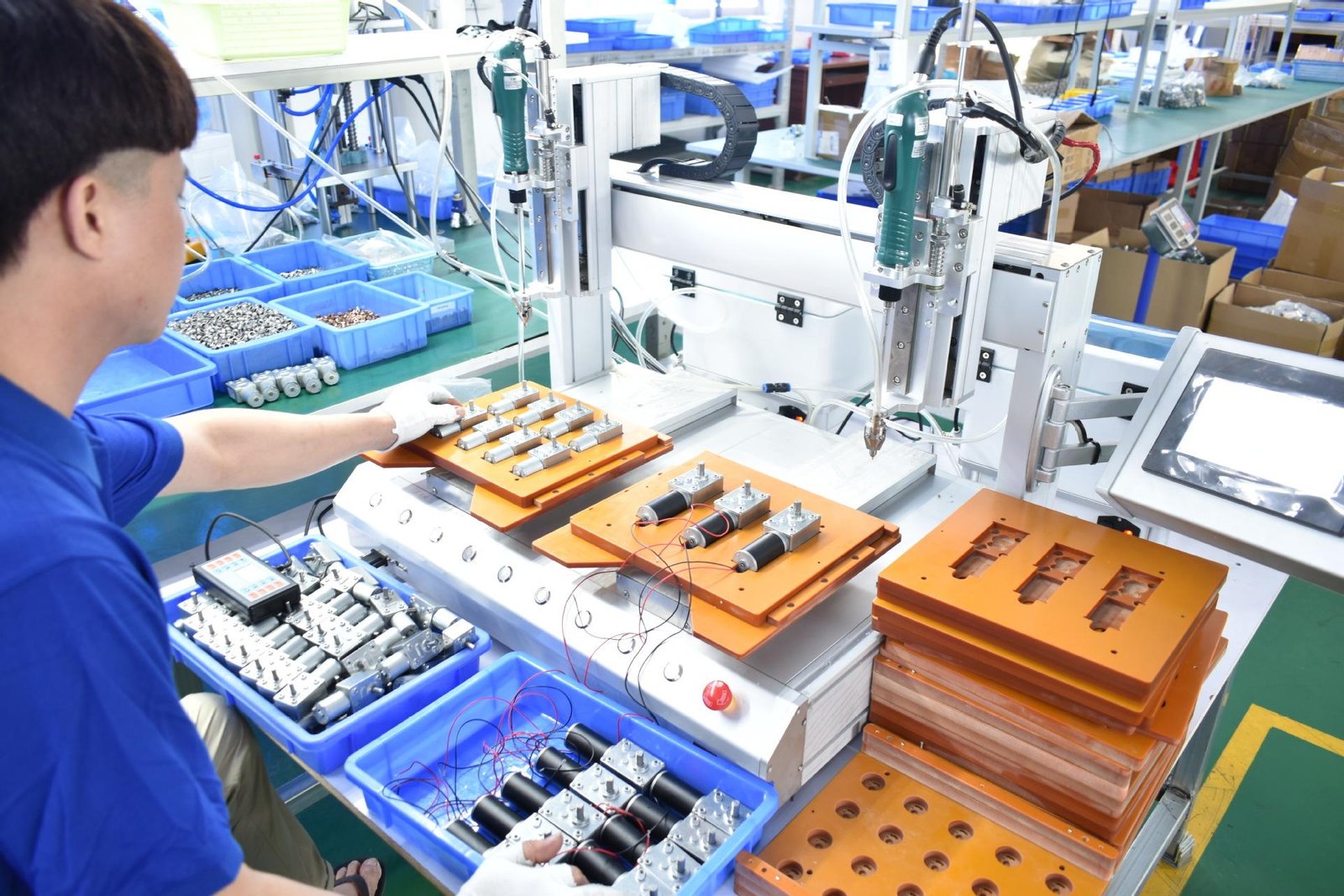
INEED follows strict quality control at every stage. You get gears that meet ISO 9001, REACH, and RoHS standards. INEED checks materials, tools, and finished products to ensure reliability and safety.
Stainless Steel and Corrosion Resistance
Stainless steel is another Spur Gear Material you can use for high-speed gearboxes. You get excellent resistance to corrosion, especially with grade 316. This grade contains molybdenum, which protects against chlorides, acids, and chemicals. You can use stainless steel gears in marine, chemical, or humid environments.
Stainless steel resists pitting and crevice corrosion.
Type 316 handles saline and aggressive chemicals.
You get superior weather resistance, including rain, humidity, UV, and temperature changes.
Chromium in stainless steel forms a protective layer that self-repairs.
You reduce maintenance costs and extend gear life.
Stainless steel gears work well in environments where moisture or chemicals threaten other materials. You can trust them to keep your gearbox running smoothly.
Plastics and Composites
Plastics and composites are Spur Gear Materials that offer unique advantages for high-speed gearboxes. You get lighter gears that reduce the load on your system. These materials do not need lubrication and provide quiet operation. Composites also resist chemicals and fatigue.
Advantages | Limitations |
|---|---|
Lower weight | Lower load bearing capacity |
No need for lubrication | Thermal sensitivity |
Better noise and vibration behavior | Inferior manufacturing tolerances |
Chemical resistance |
You can use lightweight composite gears to improve load carrying capacity. They operate smoothly and silently. Composites maintain high strength, which is important for aerospace and robotics. You enhance performance and reduce weight in your mechanical systems.
Composite gears reduce weight.
They maintain strength for demanding applications.
You get smooth, silent operation.
Composites resist corrosion and fatigue.
INEED ensures that all Spur Gear Materials meet industry standards. You get gears that comply with ISO 9001, RoHS, REACH, DIN 780/3960, and AGMA 2101-D04. These certifications guarantee strength, durability, and safety.
Tip: Always match your Spur Gear Materials to your application needs. INEED’s quality control and industry certifications help you choose materials that deliver reliable performance in high-speed, high-temperature gearboxes.
Key Selection Factors
Strength and Hardness
You need to focus on strength and hardness when selecting Spur Gear Materials for high-speed gearboxes. High strength ensures gears withstand heavy loads and torque. Hardness protects gear teeth from wear during fast rotations. Materials like case-hardened steel offer excellent durability and fatigue resistance. You can use these materials in applications that demand regular lubrication and high power. Brass provides moderate strength and corrosion resistance, making it suitable for systems with lower loads. Plastics such as nylon or PEEK reduce noise and eliminate lubrication needs, which is ideal for clean environments.
High strength and hardness increase gear durability.
Load capacity and torque requirements guide your material choice.
Speed and rotational forces affect wear resistance and heat generation.
Desired lifespan influences which material you select.
Wear and Thermal Resistance
Wear and thermal resistance play a critical role in gear longevity. You must consider how materials handle friction and heat. Case-hardened steel resists wear and fatigue, making it reliable for demanding cycles. Special alloys like Inconel perform well in high-temperature environments above 150°C. Stainless steel benefits humid or corrosive settings, such as marine or chemical plants. Self-lubricating plastics prevent abrasive wear in dusty conditions.
Tip: Always match the operating environment to your material. Temperature, humidity, and corrosive agents impact gear performance and lifespan.
Material | Key Properties | Ideal Applications |
|---|---|---|
Case-hardened steel | Excellent wear resistance and fatigue strength. | High-power applications requiring regular lubrication. |
Brass | Good corrosion resistance and moderate strength. | Low-to-medium load systems with limited maintenance. |
Plastic (nylon, POM, PEEK) | Reduces noise and eliminates lubrication needs. | Clean environments like medical devices or food processing. |
Cast iron | Cost-effective and vibration-dampening. | Older or low-speed industrial gearboxes. |
Special alloys (Inconel) | Required for high-temperature environments (>150°C). | High-performance applications. |
Stainless steel | Benefits in humid or corrosive environments. | Marine or chemical plants. |
Self-lubricating plastics | Prevents abrasive wear in dusty conditions. | Environments with dust or dirt. |
Machinability and Cost
Machinability and cost affect your decision when choosing gear materials. Higher strength materials allow you to use smaller gears, which can lower manufacturing costs even if the material price per pound is higher. Heat-treated steels provide better tolerances but require slower machining speeds. This impacts production time and cost. The optimal diameter range for precision gears is 25-60mm. Upgrading materials can be more economical than increasing gear size, since smaller gears need less material removal and shorter cycle times.
Heat-treated steels require slower machining, affecting cost.
Precision gears balance complexity and material costs.
Upgrading materials often saves money compared to increasing gear size.
You need to balance performance, durability, and budget. Spur Gear Materials must fit your application and manufacturing needs.
Material Comparison Table
Choosing the right material for your high-speed gearbox means understanding how each option performs under stress, heat, and during manufacturing. You want to avoid premature failure and ensure your gears last through demanding cycles. The table below compares common materials by their speed limits, temperature resistance, and machinability. This helps you select Spur Gear Materials that fit your application and can be produced reliably by suppliers like INEED.
Material | Max Speed (rpm) | Max Temp (°C) | Machinability | Typical Applications |
|---|---|---|---|---|
Alloy Steel (e.g. 4140) | 10,000+ | 200–250 | Moderate | Automotive, aerospace, robotics |
Carbon Steel (e.g. 1045) | 8,000–10,000 | 150–200 | Good | General gearboxes |
Stainless Steel (316) | 6,000–8,000 | 250–300 | Low | Marine, chemical, humid environments |
Brass/Bronze | 5,000–7,000 | 120–180 | Good | Low-noise, moderate load systems |
Engineering Plastics | 3,000–5,000 | 80–120 | N/A (molding) | Lightweight, quiet gearboxes |
Composites | 4,000–6,000 | 120–180 | N/A (molding) | Aerospace, robotics, specialty uses |
Note: Actual limits depend on gear size, lubrication, and design. Always consult your supplier for application-specific advice.
Speed and Temperature Limits
You need to match material speed and temperature limits to your gearbox’s operating conditions. Alloy steels handle the highest speeds and temperatures, making them ideal for demanding industrial and automotive uses. Stainless steel resists corrosion and works well in harsh or humid environments. Brass and bronze offer good machinability and moderate speed limits, which suits quieter or lower-load systems. Engineering plastics and composites reduce weight and noise but have lower temperature limits. These materials work best in clean, low-load, or specialty applications.
Machinability Overview
Machinability affects how easily a material can be shaped into precise gears. You want materials that balance strength with ease of manufacturing. The table below summarizes machinability for common gear materials:
Material | Machinability | Pros | Cons |
|---|---|---|---|
Carbon Steel (1045) | Good | Easy to machine, decent strength | May need hardening for heavy loads |
Alloy Steel (4140) | Moderate | High strength, heat-treatable | More expensive, trickier to machine |
Stainless Steel (316) | Low | Corrosion resistance, durability | Harder to machine, higher cost |
Brass/Bronze | Good | Good wear, easy to machine | Softer, lower torque capacity |
Engineering Plastics | N/A (molding) | Lightweight, quiet operation | Limited temperature, lower strength |
Composites | N/A (molding) | Improved strength, specialty uses | More expensive, specialized process |
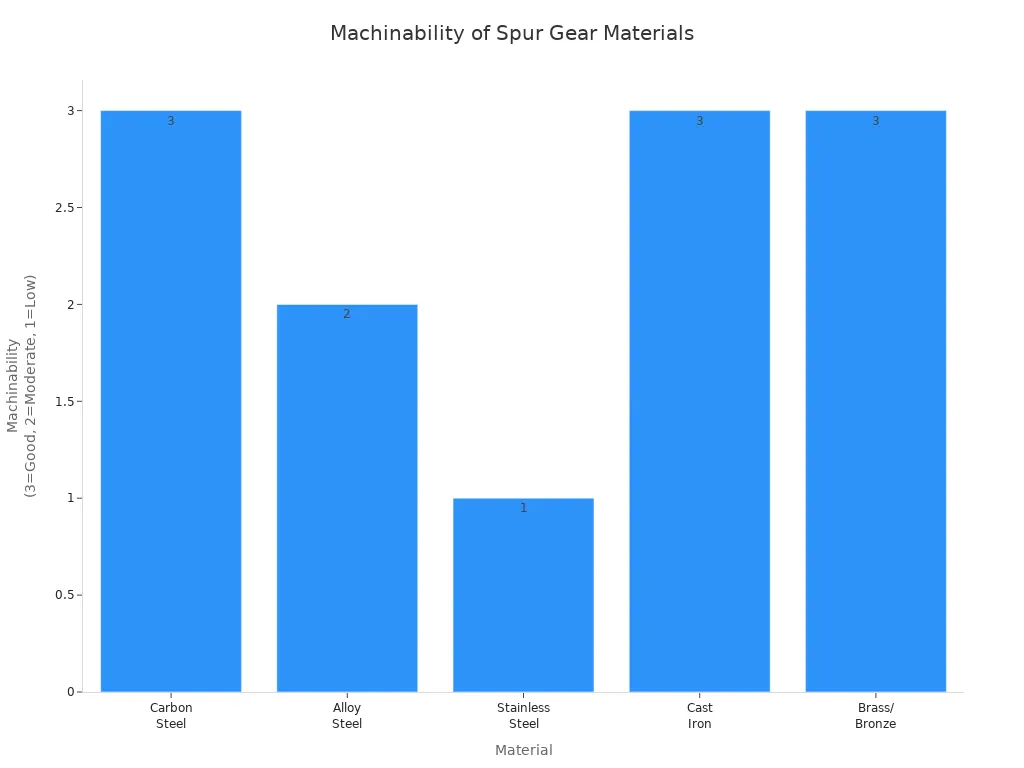
You can see that carbon steel, brass, and bronze offer good machinability for small, high-speed gearboxes. Alloy steels provide higher strength but require more careful machining. Plastics and composites use molding instead of cutting, which allows for complex shapes but limits their use to lower temperatures and loads. INEED’s advanced manufacturing supports all these material options, so you can specify gears that meet your speed, temperature, and reliability needs.
Matching Materials to Application
Assessing Operating Conditions
You need to start by understanding your gearbox’s operating conditions. Define the main parameters for your application:
Torque and load requirements
Speed and duty cycle
Environmental factors such as temperature, humidity, and exposure to chemicals
Match these parameters to the right material and precision level. For critical or high-load uses, consult with gear manufacturers or engineers. They can help you validate your choices using software simulations or load calculations. Always prioritize reliability over initial cost savings. Stress analysis is important when you finalize your material selection. For demanding applications, use finite element analysis (FEA) to check if the material’s fatigue strength meets your needs. Consider how the gear will perform after millions of rotations and under changing loads.
Tip: A careful assessment of your operating conditions helps you avoid premature gear failure and costly downtime.
Balancing Performance and Cost
You must balance performance and cost when selecting spur gear materials. Follow these steps to make an informed choice:
Check the load capacity and torque your application needs.
Consider the speed and rotational forces that affect wear and heat.
Evaluate the operating environment for factors like moisture or chemicals.
Decide on the desired gear lifespan and durability.
Ensure compatibility with other gear components.
Review your budget while meeting all performance criteria.
You can choose from materials like Acetal (POM) and Nylon for plastic gears, or Cast Iron and Carbon Steel for metal gears. Each option offers a different balance of cost, strength, and durability.
Note: Sometimes, investing in a higher-grade material saves money in the long run by reducing maintenance and replacement costs.
Customization with INEED Spur Gear Motors
INEED offers a wide range of customization options to help you meet unique application requirements. You can tailor your spur gear motor to fit your exact needs:
Customization Options | Description |
|---|---|
Output Shaft Design | Choose from round shaft, D-shaft, or other shapes. |
Gear Ratio | Select gear ratios from 5:1 up to 1000:1. |
Output Speed | Set speeds from 5 rpm to 5000 rpm. |
Stall Torque | Optimize torque from 5.0g.cm to 50.0kg.cm. |
Connectors | Add specific connectors as needed. |
Encoders | Specify custom encoder type and resolution. |
You can work with INEED’s engineering team to design a spur gear motor that matches your performance, size, and integration needs. This ensures your gearbox delivers reliable results in any environment.
Actionable Recommendations
Selection Checklist
You need a clear checklist to select the best spur gear material for high-speed, high-temperature gearboxes. Start by reviewing the key properties that matter most. Hardness resists surface wear. Toughness prevents fractures from impact. Wear resistance ensures a long service life. Corrosion resistance protects gears in chemical or humid environments.
Property | Why It Matters | Specific Demand |
|---|---|---|
Hardness | Resists surface wear | High-pressure contact points |
Toughness | Prevents fracture from impact | Shock-loading environments |
Wear Resistance | Ensures long service life | Continuous or abrasive operation |
Corrosion Resistance | Prevents degradation | Chemical or humid environments |
Use this checklist to guide your selection:
Load Analysis: Calculate torque, radial loads, and shock loading.
Material Compatibility: Confirm resistance to corrosion, wear, and temperature extremes.
Gear Ratio Accuracy: Verify the ratio meets speed and torque needs.
Space Constraints: Check gear dimensions fit your assembly.
Maintenance Access: Ensure gears can be lubricated or replaced easily.
Noise Requirements: Assess if quieter materials or alternative gear types are needed.
Cost vs. Lifespan: Evaluate the balance between upfront cost and long-term durability.
Tip: Always match material properties to your application’s demands. This approach helps you avoid premature failure and costly downtime.
Optimizing Gearbox Longevity
You can optimize gearbox longevity by following proven strategies. Choose materials based on your application requirements. High-strength alloy steel works well for heavy loads. Stainless steel suits corrosive environments. Consider operating conditions such as temperature, humidity, and load types. Evaluate cost effectiveness by comparing the benefits of high-performance materials with their price. Use modern technology like digital design tools and simulation software to analyze gear performance. Collaborate closely with suppliers for quality assurance and insights. Conduct continuous material testing to verify properties and adjust production as needed.
Assess environmental factors and load conditions for durability.
Compare costs and benefits to justify material choices.
Use digital tools and simulations for performance analysis.
Work with suppliers for quality and material insights.
Test materials regularly and adjust production for optimal results.
Note: You improve gearbox reliability and extend service life when you follow these steps. This process ensures your spur gear motors deliver consistent performance in demanding environments.
INEED Spur Gear Motors in Smart Locks
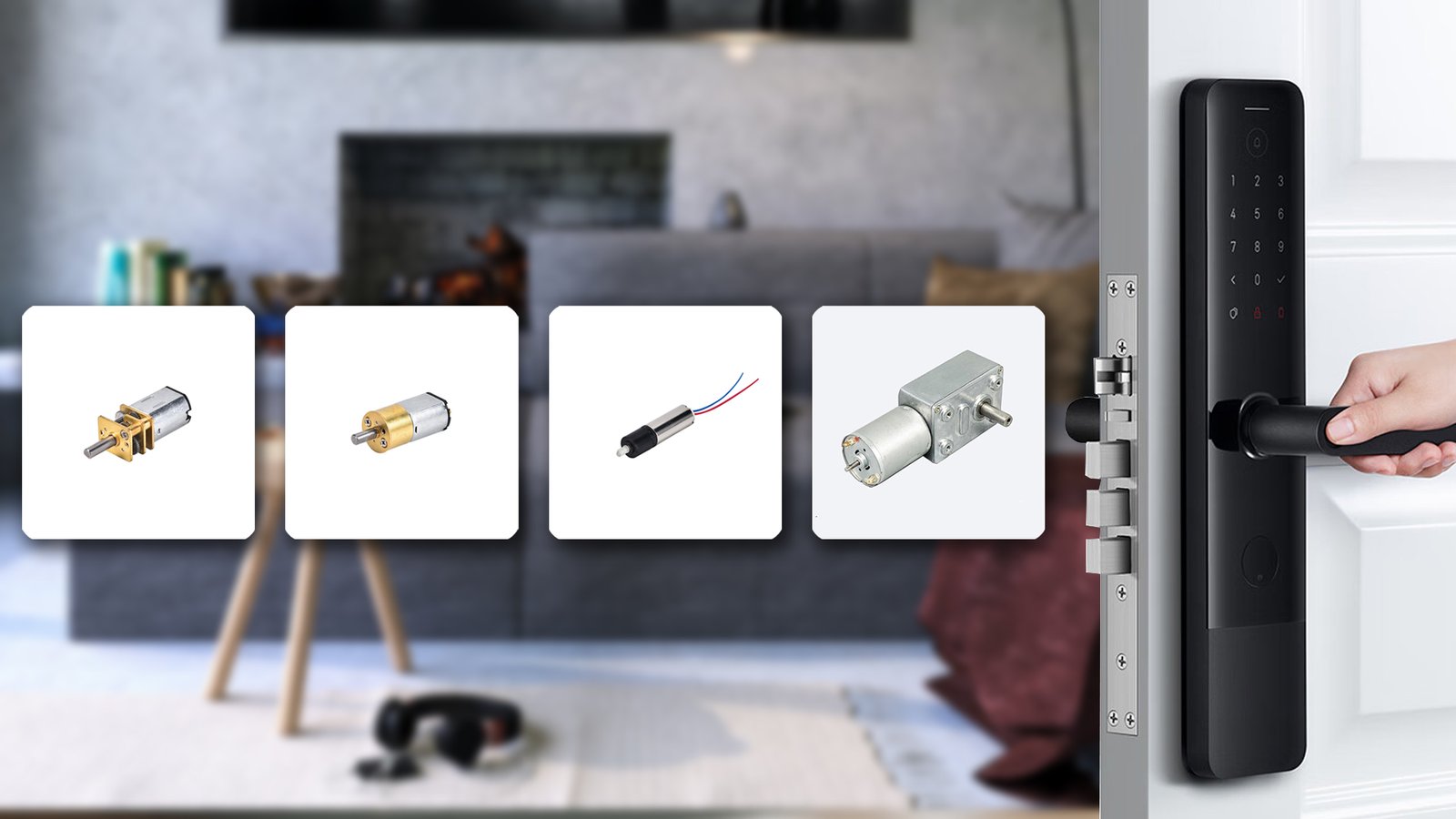
Application Case: Smart Lock Solution
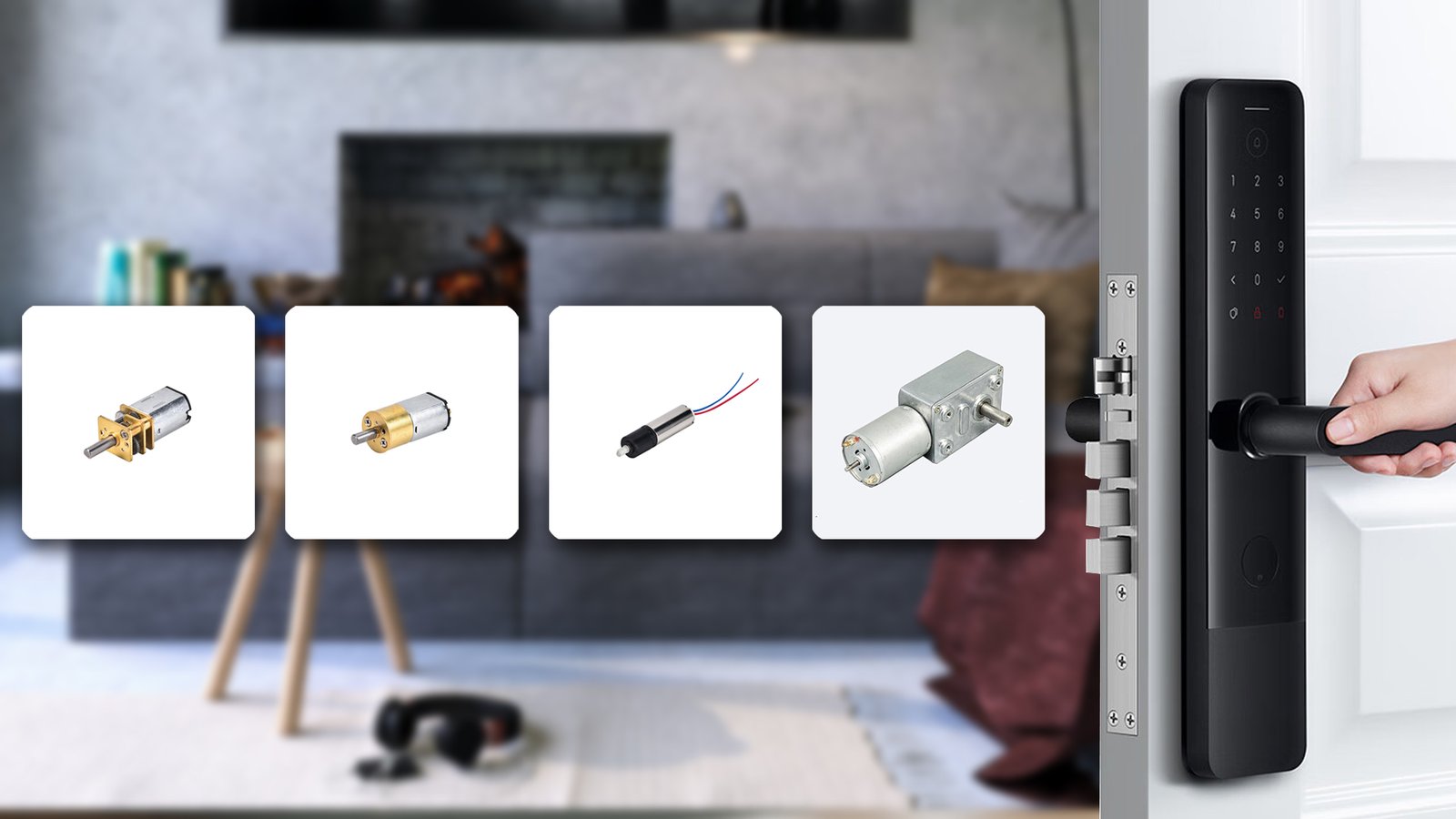
You see smart locks everywhere today, from apartment doors to office buildings. These devices need motors that work every time you unlock or lock your door. INEED’s spur gear motors power many of these smart locks. You get a compact motor that fits inside small spaces. The motor delivers precise movement, which is important for electronic locking systems.
You can choose a motor with a 1000:1 gearbox and a 12mm diameter. This design gives you high torque and accurate positioning. The high-resolution encoder helps the lock know its exact position. You avoid problems like misalignment or jamming. INEED’s engineers test each motor for long life and stable performance. You get a solution that meets strict standards for safety and reliability.
Smart locks must work in many conditions. You need a motor that handles frequent use, temperature changes, and even humidity. INEED’s motors pass these tests, so you can trust your smart lock to work every day.
Reliability and Performance Benefits
You want a smart lock that works smoothly and lasts for years. INEED’s spur gear motors give you that peace of mind. They offer high efficiency, which means less energy use and longer battery life. The motors deliver consistent torque, so your lock opens and closes with the same force every time.
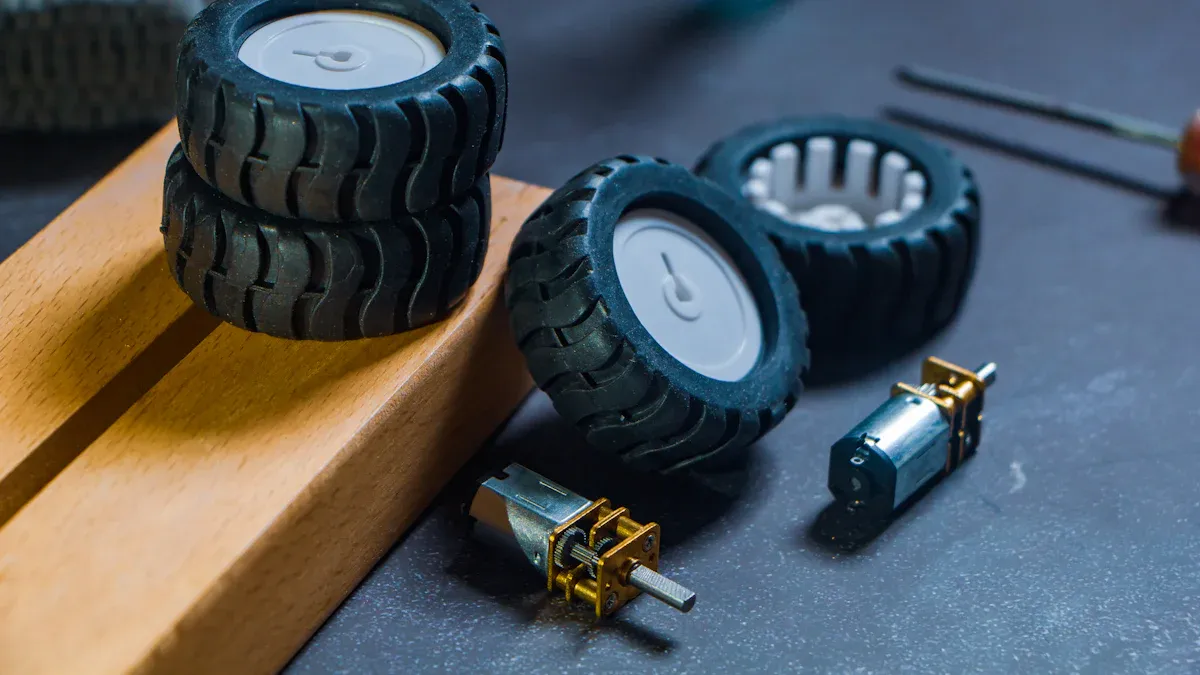
Here is how INEED’s Spur Gear N20 motors compare to other gear motors:
Characteristic | Spur Gear N20 Motors | Other Gear Motors |
|---|---|---|
Efficiency | High | Variable (lower in worm) |
Durability | High | Variable |
Torque Consistency | Consistent | Variable |
Maintenance Ease | Easy | Often complex |
Cost | Affordable | Higher (especially planetary) |
You save money because these motors are affordable and easy to maintain. You also reduce downtime since the motors last longer and need less service. The simple design means fewer parts can fail. You get reliable performance, even after thousands of cycles.
When you choose INEED’s spur gear motors for your smart lock, you invest in safety, convenience, and long-term value.
Choosing the right spur gear material shapes the reliability and lifespan of your high-speed, high-temperature gearbox. You should focus on these key factors:
Material strength handles heavy loads.
Wear resistance extends service life.
Corrosion resistance protects in harsh environments.
Machinability keeps production efficient.
INEED offers quality and customization you can trust:
Manufacturer | Customization Options | Minimum Order |
|---|---|---|
INEED Motor Manufacturer | 1. Length and shape; 2. Voltage, output speed, torque, etc. ; 3. Adding connectors, lead wires; 4. Adding gears to shaft; 5. Adding encoder. | 500 pieces |
You can explore resources like gear handbooks, AGMA and ISO standards, and supplier catalogs to specify the best material for your needs.
FAQ
What is the best material for high-speed spur gears?
You should choose alloy steel for high-speed spur gears. Alloy steel offers high strength and excellent fatigue resistance. It performs well under heavy loads and fast rotations. INEED uses quality alloy steel in its spur gear motors.
Can I use plastic gears in high-temperature gearboxes?
You can use engineering plastics like PEEK for moderate temperatures. For temperatures above 120°C, metals such as stainless steel or alloy steel work better. Plastics suit lightweight, low-load applications.
How does INEED ensure gear material quality?
INEED follows strict quality control. You benefit from material inspection, lifetime testing, and 100% inspection of key processes. INEED’s gears meet ISO 9001, REACH, and RoHS standards.
What customization options does INEED offer for spur gear motors?
You can customize output shaft design, gear ratio, speed, stall torque, connectors, and encoder type. INEED’s engineering team helps you match your gearbox to your application needs.