As a product design engineer, you know the devil’s in the details when pairing sensors with gear motors. Choosing between tachometers and encoders isn’t a toss-up—it’s all about matching the sensor to your application’s core requirements. Need a straightforward, budget-friendly solution for basic speed measurement? Tachometers are your go-to. They’re easy to integrate, cost-effective, and more than capable of meeting the speed-tracking needs of most standard industrial machines.
But when your design demands precision position feedback or high-accuracy speed control? Encoders take the lead, delivering the granular data you need for tight-tolerance applications.
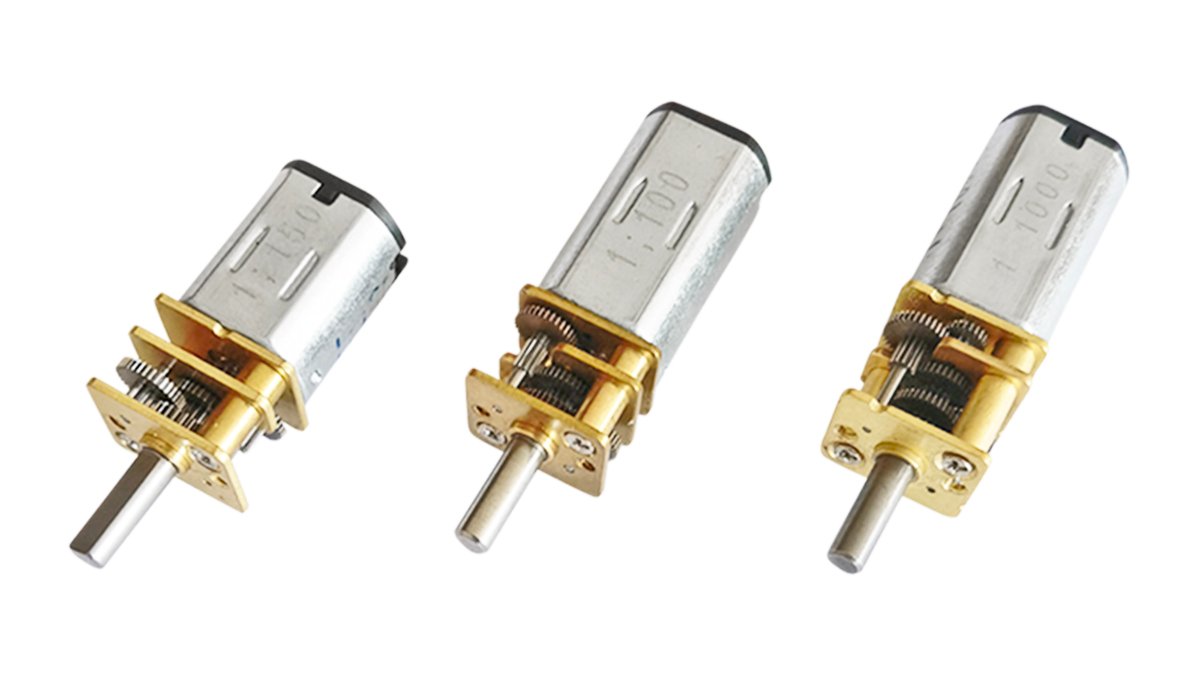
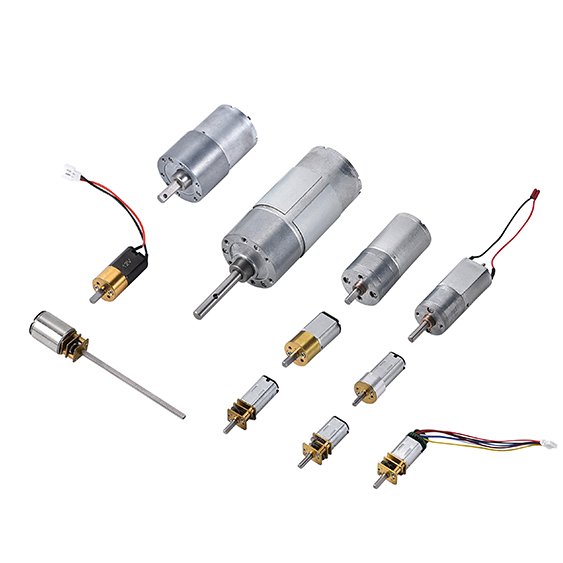
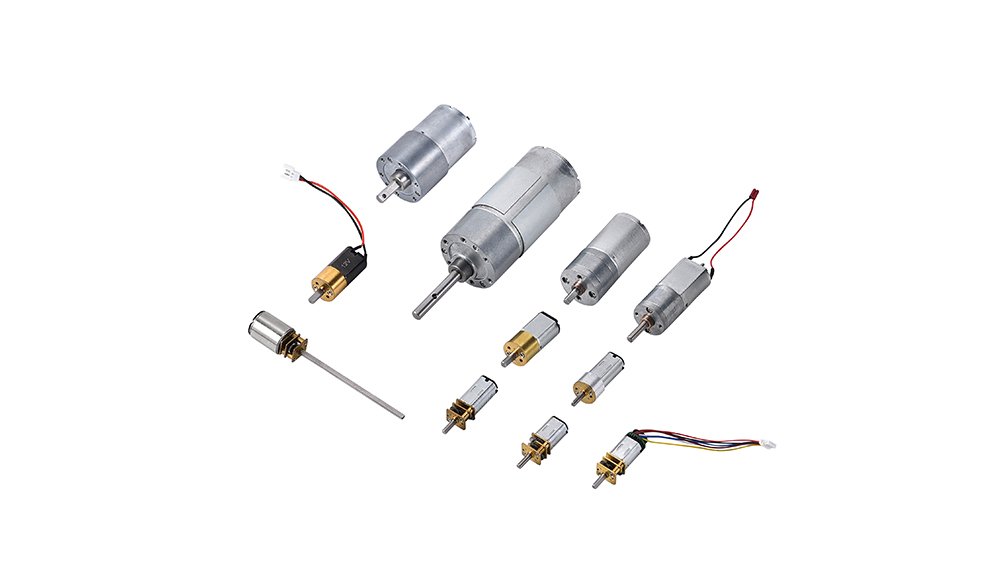
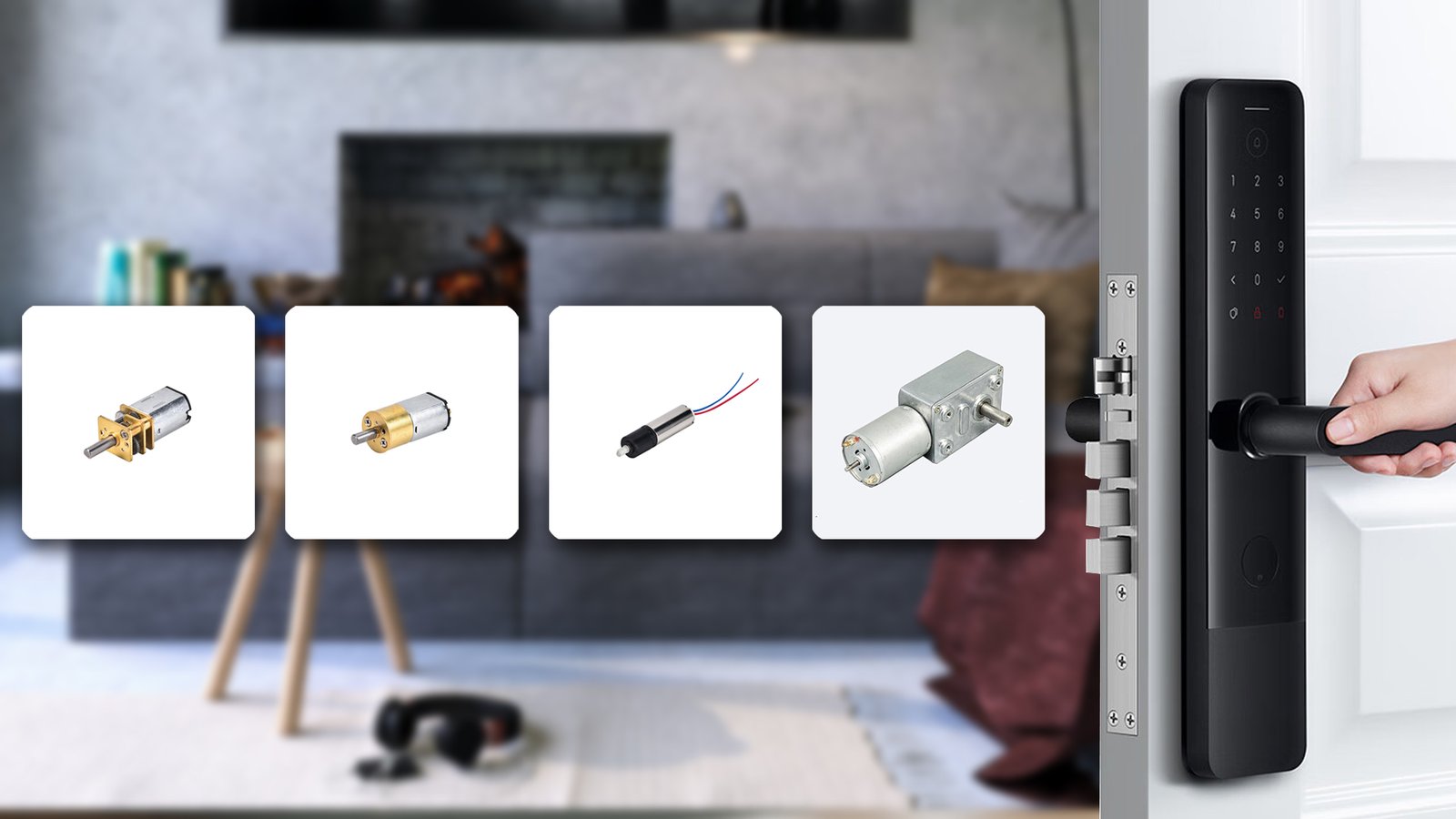
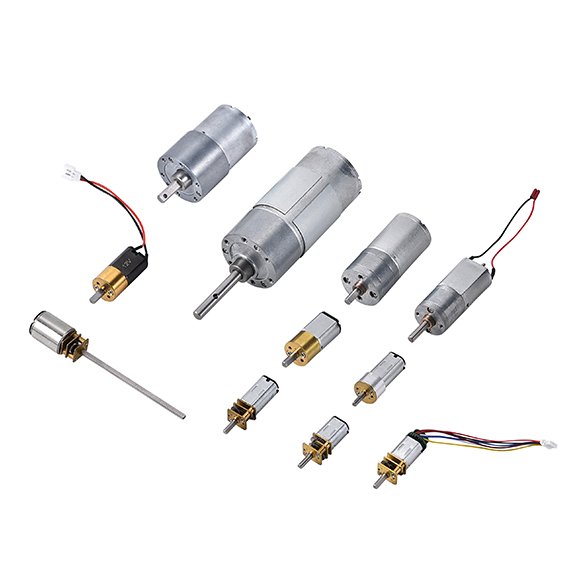
The good news? INEED gear motors are engineered to support both tachometer and encoder integration, making them a versatile pick for a wide range of industrial use cases.
Here is a quick look at where you might find these devices:
Industry | Application Description |
|---|---|
Industrial Robotics | Guides robot movements in welding and assembly. |
Spaceflight | Aligns axes for astronomical observations. |
Optical/Semiconductor | Provides precision in lens grinding for semiconductor production. |
Machine Tool Building | Ensures accuracy in 5-axis machines. |
Automotive | Used for vehicle performance testing and speed monitoring. |
Aerospace | Measures engine and turbine speeds. |
Reasons to use a tachometer:
Simplicity: Only one measurement per rotation.
Cost-effectiveness: Less expensive than encoders.
Perfect for basic speed monitoring.
Tachometers vs Encoders is a key decision for engineers and designers who want reliable results in their automation projects.
Key Takeaways
Choose a tachometer for simple speed measurement. It is easy to set up and cost-effective, making it ideal for basic applications.
Select an encoder when you need precise position tracking. Encoders provide high accuracy and are essential for advanced automation tasks.
Consider environmental factors. Tachometers perform well in dusty or dirty conditions, while encoders may require cleaner environments for optimal performance.
Understand the key differences: tachometers focus on speed, while encoders measure position and can also calculate speed.
Pair INEED gear motors with the right device. Use Spur Gear Motors with tachometers for speed monitoring and Planetary Gear Motors with encoders for precise control.
What Is a Tachometer?
Tachometer Function and Types
A tachometer is a device that helps you measure how fast something spins. You often see it in cars, machines, and industrial equipment. It gives you a direct reading of rotational speed, usually in revolutions per minute (RPM). This makes it easy for you to monitor and control motors or engines.
There are several types of tachometers, each with its own way of working. Mechanical tachometers use electromagnetic induction. They create an electromotive force (EMF) when a shaft moves inside a magnetic field. Digital tachometers use a photoelectric sensor and a reflective surface. They count the number of times light bounces back to calculate speed.
Here is a quick comparison of common types:
Type of Tachometer | Operating Principle |
|---|---|
Mechanical Tachometer | Induces EMF in a coil due to motion between a magnetic field and the shaft. |
Digital Tachometer | Uses a reflective body and photoelectric sensor to count reflected infrared signals. |
You can also find other types, such as contact, non-contact, laser, and hand-held tachometers. Each type has its own strengths and weaknesses.
Mechanical tachometers are simple and reliable.
Digital tachometers are precise and easy to use.
Contact tachometers require touching the shaft.
Non-contact and laser types work from a distance.
Hand-held tachometers are portable and fit many machines.
When to Use a Tachometer
You should use a tachometer when you need a simple and reliable way to measure speed. In dusty or dirty environments, tachometers often give you more reliable feedback than encoders. They do not rely on optical sensors, so dust and dirt do not block their readings. Tachometers also respond quickly to changes in velocity, making them great for monitoring machines that speed up or slow down often.
If you compare tachometers vs encoders, you will see that tachometers are best for basic speed monitoring. They are easy to install and maintain. You can use them in cars, fans, pumps, and many types of industrial equipment. When you want a direct link between output voltage and speed, a tachometer is the right choice.
Tip: Choose a tachometer for environments where dust or vibration might affect more sensitive devices.
What Is an Encoder?
Encoder Function and Types
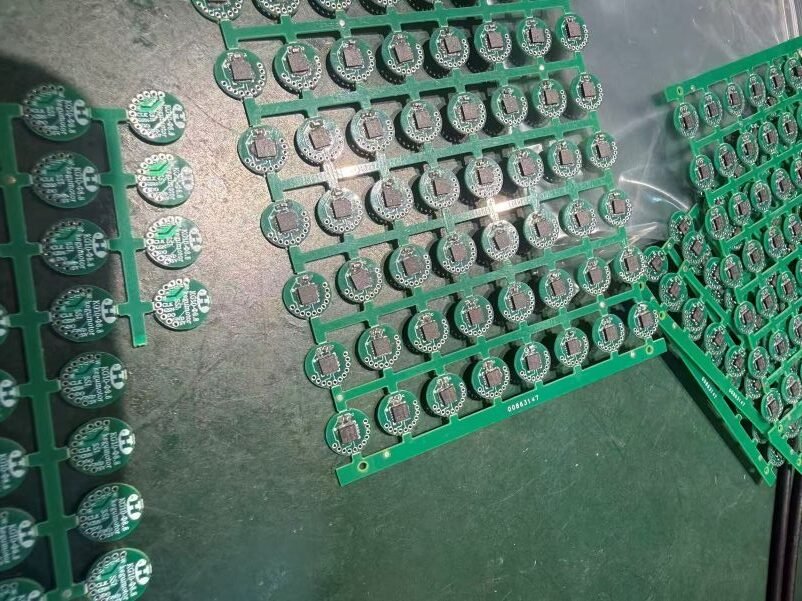
Encoders play a key role in modern automation and robotics. You use encoders to convert mechanical motion into electrical signals. These signals help control devices like PLCs, counters, and motor controllers. Encoders measure position, speed, direction, and count. This feedback is essential for precise motion control.
Most encoders use optical technology. A light beam shines through or reflects off a patterned disk. As the disk spins, it interrupts the light, creating pulse signals. Your control system reads these pulses to track movement.
You will find two main types of encoders: absolute and incremental. Each type serves a different purpose. The table below shows how they compare:
Feature | Absolute Encoders | Incremental Encoders |
|---|---|---|
Position Reporting | Reports actual position at a specific time | Indicates relative changes in position |
Power Loss Behavior | Retains position information after power-off | Requires a restart to establish a starting point |
Output Signal | Assigns a unique code to each position | Produces pulses for each specified angle |
Resolution | Higher resolution with more bits (e.g., 8-bits = 1024 positions) | Measures change in position but not absolute position |
Sensing Mechanism | Uses magnetic or optical sensors | Typically uses a simpler pulse output mechanism |
Application Suitability | Ideal for systems needing precise position tracking | Suitable for applications where relative position is sufficient |
Note: You should choose the type of encoder based on your need for absolute or relative position feedback.
When to Use an Encoder
You should use encoders when your application demands precise position or motion feedback. Encoders measure position with high accuracy, making them vital in advanced automation. For example, you need encoders in robotics to control arm movement. In CNC machines, encoders help track multi-turn positions and speed. You also find encoders in medical scanners, packaging lines, and scientific instruments.
Here are some common applications where encoders are preferred over tachometers:
Industry/Application | Description |
|---|---|
Automotive | Used for controlling speed and mechanical motion. |
Consumer Electronics | Found in office equipment like printers and scanners. |
Industrial | Utilized in labeling machines, packaging, and CNC machine control. |
Medical | Employed in medical scanners and automated devices. |
Military | Used for positioning antennas. |
Scientific Instruments | Implemented in the positioning of telescopes. |
Robotics | Essential for precise movement and control. |
CNC Machines | Critical for multi-turn position tracking and speed measurement. |
Testing Machines | Used for accurate feedback in testing applications. |
You should select encoders when you need more than just speed data. If your project requires tracking exact positions, directions, or complex movements, encoders offer the right solution. In the tachometers vs encoders debate, encoders stand out for applications where accuracy and position feedback matter most.
Tachometers vs Encoders: Key Differences
Speed vs Position Feedback
When you compare tachometers vs encoders, you see that each device serves a unique purpose in motion control. Tachometers measure speed. They give you speed information directly, usually as an analog signal. This makes them ideal for applications where you only need to know how fast a shaft spins. You can use a tachometer to monitor the RPM of a motor in real time.
Encoders, on the other hand, focus on position. They provide position information, which means you can track exactly where a shaft is at any moment. Encoders can also calculate speed by measuring changes in position over time. Most encoders offer digital output, which allows for more precise control and integration with modern automation systems.
Here is a quick comparison to help you decide which device fits your needs:
Feature | Tachometer | Encoder |
|---|---|---|
Measurement Focus | Speed only | Position (and can calculate speed) |
Output Type | Analog | Digital or analog |
Feedback Type | Speed information | Position information |
Application Suitability | Simple speed monitoring | Precise position tracking and control |
Tip: Choose a tachometer if you need to measure speed in a straightforward way. Select an encoder if your project requires detailed position feedback or advanced motion control.
Accuracy and Application Needs
Accuracy plays a key role when you select between tachometers vs encoders. Encoders usually provide higher resolution and accuracy than tachometers. You can use encoders for applications that demand precise position tracking, such as robotics, CNC machines, or medical devices. High-resolution encoders can reach up to 25 bits, supporting high-speed applications up to 10,000 rpm. However, remember that higher resolution does not always mean higher accuracy. Low resolution can reduce both speed and positional control.
Tachometers are less complex and often sufficient for basic speed measurement. You might choose a tachometer for fans, pumps, or automotive testing, where you only need to monitor how fast something spins. Encoders are more versatile. They can handle both speed and position tasks, making them suitable for advanced automation and feedback systems.
Environmental factors also matter. Optical encoders can be sensitive to dust, oil, or vibration. Magnetic encoders offer more durability in harsh conditions. Tachometers, especially mechanical types, often perform well in dirty or rugged environments.
You can pair INEED gear motors—such as Spur, Planetary, or Brushless models—with either tachometers or encoders. For example, you might use a Spur Gear Motor with a tachometer for simple speed monitoring in a conveyor system. You could match a Planetary Gear Motor with an encoder for precise robotic arm positioning. Brushless gear motors work well with both devices, supporting everything from basic speed feedback to advanced position control.
Note: Always consider your application’s accuracy needs, environmental conditions, and feedback requirements before making a choice.
Choosing for Your Application with INEED Gear Motors
Use Cases for Tachometers
You often choose tachometers when you need to monitor speed in a straightforward way. Many industries rely on these devices for basic speed feedback. For example, you can use a tachometer in fans, pumps, or automotive test benches. In medical devices, a tachometer helps you track the rotation of centrifuges or mixers. Smart locks also benefit from tachometers, especially when you want to confirm that the locking mechanism moves at the correct speed. You get reliable results in environments where dust or vibration might affect more sensitive sensors.
Tip: Select tachometers for applications where you need simple, real-time speed monitoring without complex position tracking.
Use Cases for Encoders
Encoders play a key role in advanced automation and robotics. You use encoders when you need precise position feedback and control. In robotics, encoders help you achieve accurate movement and positioning. You can control robotic arms, conveyor belts, and CNC machines with high precision. Encoders provide real-time feedback, allowing you to adjust position instantly. In medical devices, you need encoders for micron-level accuracy, which ensures consistent results. Smart locks use encoders to track the exact position of the locking mechanism, improving security and reliability.
Industrial automation: Encoders guide robotic arms and reduce waste by ensuring precise position.
Robotics and drones: Encoders enable accurate navigation and joint movement.
Medical devices: Encoders deliver the accuracy required for delicate procedures.
Note: Choose encoders when your application demands both speed and position feedback for advanced control.
INEED Product Integration
INEED gear motors give you flexibility for both tachometers and encoders. You can pair Spur Gear Motors with a tachometer for simple speed monitoring in conveyor systems. Planetary gear motors work well with encoders in robotics, where you need precise position control. Brushless gear motors support both devices, making them suitable for everything from smart locks to medical equipment. You can customize each motor to match your feedback needs. This versatility lets you optimize your design, whether you focus on speed or position.
Gear Motor Type | Best Paired With | Typical Application Example |
|---|---|---|
Spur Gear Motor | Tachometer | Conveyor speed monitoring |
Planetary Gear Motor | Encoder | Robotic arm position control |
Brushless Gear Motor | Tachometer/Encoder | Smart locks, medical devices |
You can address the tachometers vs encoders decision by matching the right INEED gear motor and feedback device to your project.
You should select a tachometer when you need simple speed feedback. Choose an encoder for precise position or advanced control. INEED gear motors work with both, giving you flexibility for any project. Industry experts recommend reviewing encoder types before deciding:
Feature | Incremental Encoders | Absolute Encoders |
|---|---|---|
Feedback Type | Pulsed signal | Unique position signal |
Cost | Less expensive | More specialized, costly |
Calibration | Needs homing | Unique signal anywhere |
Resolution | Up to 16,000 PPR | Up to 24 bits |
Availability | Widely available | Limited options |
Range | Infinite movement | Fixed output range |
If you still feel unsure, consider these common questions:
Optical encoders often replace tach generators for better position control.
Magnetic ring tachs give only basic position data.
Retrofitting to rotary encoders helps modernize older systems.
You can always contact INEED for expert support and custom solutions.
FAQ
What is the main difference between a tachometer and an encoder?
You use a tachometer to measure speed. You use an encoder to measure position. Encoders can also calculate speed, but tachometers cannot track position.
Can I use both a tachometer and an encoder on the same motor?
Yes, you can. You might use a tachometer for speed feedback and an encoder for position control. This setup gives you more flexibility in your application.
Which device should I choose for robotics projects?
You should choose an encoder. Encoders give you precise position and speed feedback. This helps you control robotic arms and movement with high accuracy.
Are INEED gear motors compatible with both tachometers and encoders?
Yes! You can pair INEED Spur, Planetary, or Brushless gear motors with either device. This lets you customize your motor solution for speed or position feedback.
How do I decide which feedback device is best for my application?
Need | Best Choice |
|---|---|
Simple speed check | Tachometer |
Position tracking | Encoder |
Both | Use both |
You should review your project’s requirements before making a decision.