Imagine you’re designing a robotic arm for surgery or automating smart curtains in your home. You need smooth, accurate, and reliable movement. The secret to achieving this lies not in the motor itself, but in understanding its Torque-Speed Curve.
Think of this curve as the motor’s unique “personality profile”—it reveals the critical trade-off between its strength (torque) and its speed (RPM) at any given moment. By learning to analyze this curve, you move beyond guesswork. You gain the power to predict performance under load, pinpoint the most efficient operating zone, and ultimately select the perfect motor that ensures precision without wasting energy or risking failure.
What does your project demand? Whether it’s maintaining precision under a heavy load or achieving rapid, responsive movement, the following guide will show you how to decode the torque-speed curve to make that happen. We’ll break down how to read these curves, extract key performance metrics, and apply this knowledge to optimize control and enhance the longevity of your system.
Key Takeaways
- Analyze torque speed curves to match motor performance with your project needs. This ensures smooth operation and efficiency.
- Identify critical points on the curve, such as continuous operable range and stall point. This helps prevent overheating and stalling.
- Consider practical factors like duty cycle and voltage. These affect motor performance and longevity in real-world applications.
- Use the right motor type for your application. Different motors excel in various tasks, from robotics to smart home devices.
- Monitor motor performance during operation. Regular checks help maintain efficiency and prevent issues.
Why Torque Speed Curves Matter in Motor Performance
Impact on Efficiency and Control
You want your motor to deliver the right amount of torque at the right speed for your application. Torque speed curves help you see how a motor behaves under different loads. When you look at these curves, you can match the motor’s capabilities to your needs. For example, in robotics, you need high stall torque to lift heavy objects. In medical devices, you want smooth and precise speed for delicate movements. Smart home products, like electric curtains, require quiet operation and steady torque for comfort.
- Torque speed curves are essential for choosing the best motor for your project.
- These curves show how the motor performs as the load changes.
- You can spot problems like stalling or overheating before they happen.
- The efficiency-torque relationship tells you that motors work best at medium torque and speed.
- This knowledge helps you save energy and improve performance.
INEED’s micro motors and gear motors benefit from this analysis. You can select a motor that gives you the right balance of torque and speed. This leads to longer motor life and better control.
Solving Common Motor Challenges
You may face challenges like motors not starting, stalling, or overheating. Torque speed curves help you avoid these problems. If the curve shows that the motor’s torque is less than the load torque, the motor will not start. If the intersection of the torque-speed curve and the load curve happens at the wrong speed, the motor can stall or overheat.
- Insufficient starting torque can stop the motor from working.
- If the starting torque is too low, the motor may stall or trip.
- Analyzing the curve helps you see the relationship between motor torque and load torque.
- This prevents overheating and ensures reliable performance.
- Voltage drops during starting can make these issues worse, so curve analysis is important.
By understanding torque speed curves, you can solve these challenges before they affect your device. You ensure your motor works smoothly, whether you use it in a robotic arm, a medical tool, or a smart home system.
Understanding Torque Speed Curves and Motor Types
Key Terms: Torque, Speed, Power
You need to understand three main terms when you look at a motor’s performance. These terms help you read and use torque speed curves for your project.
| Term | Definition |
|---|---|
| Torque | The rotational force exerted by the motor’s shaft, enabling it to rotate a load. |
| Speed | The rate at which the motor rotates, typically measured in revolutions per minute (RPM). |
| Power | The amount of work done per second, calculated as the product of torque and rotational speed. |
- Rotational speed tells you how many times the shaft turns in one minute.
- Output power shows how much work the motor does every second.
Power (P) is calculated using the formula: P = T × ω, where P is power in watts, T is torque in newton-meters, and ω is angular speed in radians per second.
Curve Types: Continuous, Peak, Stall
You will see different types of torque speed curves when you study motors. Each curve type tells you how the motor behaves in real situations.
| Torque Type | Description | Applications |
|---|---|---|
| Starting Torque | Initial torque to overcome inertia and start motion. | High-load startup applications like press machines, elevators, and conveyors. |
| Running Torque | Torque required to maintain constant speed under load. | Automation lines, packaging systems, and assembly robots. |
| Stall Torque | Maximum torque when the motor shaft is locked. | Servo systems, robotic joints, and load-testing environments. |
| Peak Torque | Maximum torque for a short duration under intense resistance. | Applications with cyclical loads like pick-and-place robotics and injection molding. |
You need enough starting torque for self start. Stall torque shows the highest force the motor can give when it stops moving. Peak torque is important for short, heavy tasks.
INEED Motor Solutions Overview
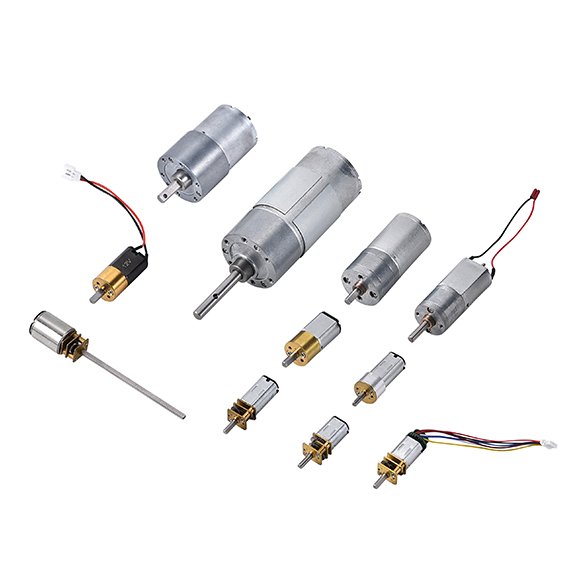
You will find that each motor type from INEED has its own torque speed curve. Micro motor curves show quick changes in speed and torque, which helps in small devices. Spur gear motors give steady running torque, making them good for automation. Planetary gear motor curves show high torque at low speed, which works well in robotics and heavy loads. Brushless gear motors keep a smooth curve, so you get quiet and efficient operation in smart home products.
If you use a stepper motor, you will see a curve with steps. This lets you control position and speed very precisely. By looking at these curves, you can pick the right motor for your needs. You make sure your motor can handle the torque and speed your project requires, whether you need continuous or short bursts of power.
- Motor speed-torque curves help you size and select the best motor.
- You avoid overheating and make sure your motor fits your application.
- You get better results by matching the curve to your task.
Reading and Interpreting Torque Speed Curves
Understanding how to read and interpret torque speed curves gives you the power to choose the right motor and get the best performance for your project. You can break down the process into clear steps and focus on the most important points.
Identifying Critical Points
When you look at a torque speed curve, you should focus on several key points. These points help you see how the motor will behave in real situations.
- Find the continuous operable range. This shows where the motor can run safely without damage.
- Notice the relationship between torque and speed. As torque increases, speed drops. This is a basic rule for all motors.
- Check how voltage affects the curve. Higher voltage can change the current, torque, and speed values.
- Study the T-N (torque vs. speed) curve. This curve shows how much torque the motor gives at different speeds.
- Look at the T-I (torque vs. current) curve. This helps you see how much current the motor draws as torque changes.
You should always check these points before you make a decision. They help you avoid problems like overheating or stalling.
Tip: Always compare the continuous range with your application’s needs. This ensures your motor will not run outside safe limits.
Curve Shape and Motor Control
The shape of the torque speed curve tells you a lot about how you can control your motor. Here are some things you should notice:
- The curve usually slopes downward. When speed goes up, torque goes down.
- At zero speed, the motor can give maximum holding torque. This is important for keeping a load in place.
- The pull-in torque region shows the most torque you can use for self start and stopping without losing steps.
- In the pull-out torque region, torque drops at high speeds. If you add more load here, the motor might lose steps.
- The stall point marks the highest torque the motor can give. If you go past this point, the motor will stall and stop moving.
You should use these curve features to plan your control strategy. For example, you can use the holding torque to keep a robotic arm steady, or you can use the pull-in region for smooth self start.
What to Look For in INEED Motors
When you read torque speed curves in INEED motor specifications, you should follow a step-by-step process. This helps you get the most out of your motor and avoid common mistakes.
| Parameter | Description |
|---|---|
| Speed (N) | Shows how speed drops as torque rises, ending at the stall point. |
| Efficiency (η) | Peaks at lower torque values. Use this to find the best working point for your application. |
| Torque (T) | Tells you how much load the motor can handle. Peak torque is the highest point on the curve. |
| Current (I) | Shows how current increases with torque, from no load to stall. |
| Output Power (P) | Peaks between maximum speed and stall torque. This is where you get the most work done. |
Here are some practical tips for reading and using these curves:
- Find the point of maximum efficiency. This is not always at the highest speed or torque.
- Always check the axes and legends on the curve. Make sure you read the data correctly.
- Focus on key data points like torque, current, speed, and voltage at no-load, rated, and stall conditions.
- Learn how to use motor constants from the datasheet. This helps you make smart choices.
- Check the units for torque (Newton-meters) and current (Amperes).
- If you see missing or unclear data, reach out to INEED’s support team for help.
Note: Do not rely only on holding torque when you plan your project. This value shows the force at zero speed, not when the motor is moving.
You should also avoid common mistakes. Many people think holding torque means the motor can always give that much force. In reality, the torque drops as speed increases. Always use the full torque speed curve to plan your motor control.
By following these steps and tips, you can use INEED’s torque speed curves to pick the right motor, avoid stalling, and get the best performance for your application.
Applying Curve Insights for Better Motor Selection
Matching Motor to Application
You need to match the right motor to your application by studying the motor performance curves. The slope of the curve tells you how the motor will react when you increase the load. A flatter slope means the motor can keep its speed even when you ask for more torque. This is important if you want steady performance in tasks like electric screwdrivers or dental handpieces. For example, INEED’s brushless gear motor for intelligent electric curtains uses a curve with a gentle slope. This lets the curtain move smoothly and quietly, even if the load changes.
If you work with a stepper motor, you can use the curve to check if it gives enough torque at the speed you need. Stepper motors are great for precise moves, like in smart lockboxes or pool cleaners. You should look for a curve that shows high torque at low speed if your project needs strong self start or must lift heavy loads from a stop.
Tip: Always compare the curve’s continuous range with your application’s needs. This helps you avoid picking a motor that will stall or overheat.
Practical Considerations: Duty Cycle, Voltage, Environment
You must consider several practical factors before you choose a motor. These factors affect how the motor will perform in your real-world application.
- Duty cycle sets the safe working time for your motor. If you run the motor too long without a break, it can overheat.
- Voltage changes the shape of the torque speed curve. Higher voltage raises the no-load speed and shifts the curve upward. If you increase the current, you get more torque, but too much current can damage the motor.
- Environmental factors like temperature, humidity, and vibration can change motor performance. High temperatures lower the continuous torque the motor can give. In places with lots of dust or moisture, you may need a sealed motor. If your project faces strong vibration, pick a motor with extra durability.
| Factor | Effect on Torque-Speed Curve |
|---|---|
| Armature Voltage | Increasing voltage raises the no-load speed, shifting the curve upward. |
| Armature Current | Higher current increases torque, but excessive current can cause damage. |
You should also watch for changes in the environment. If the temperature rises, the motor’s continuous torque drops. In high-vibration areas, like industrial machines, you need a motor built for tough conditions.
Real-World Tips from INEED
You can use these tips from INEED’s experience to get the best results from your motor-driven projects:
- Study how torque changes with speed to find the best operating point.
- Use the motor performance curves to spot the most efficient zones.
- Avoid running the motor outside the continuous range to prevent overheating.
- Pick a stepper motor if you need precise control and strong self start.
- Always check the efficiency zone on the curve and stay within safe limits.
- Monitor heat and performance during operation to keep the motor running well.
- Choose a motor that gives high torque at low speed if your application needs it.
- Review all torque speed data before making your final choice.
For example, INEED’s DC gear motor for electric screwdrivers uses a curve that shows high torque at low speed. This lets you drive screws smoothly without stalling. The brushless gear motor for pool cleaners uses a curve that supports steady speed and strong torque, so the cleaner can climb stairs and handle debris. The brushless DC motor for dental handpieces keeps a constant speed and torque, which helps dentists work with precision.
| Performance Indicator | Description |
|---|---|
| Speed (N) | Measured in rpm, shows the relationship between torque and speed. |
| Efficiency (η) | Ratio of input power to output power, expressed as a percentage. |
| Torque (T) | Load the motor can overcome, represented on the X-axis. |
| Current (I) | Reflects current draw from no load to stall conditions. |
| Output Power (P) | Amount of power (in Watts) the motor can deliver. |
Note: Always keep your motor within the recommended continuous usage range. This ensures safe operation and long life.
By following these steps and using the right data, you can select a motor that matches your needs. You will avoid common mistakes and get the best performance from your project.
To enhance motor control and selection, you should:
- Understand each part of the torque-speed curve.
- Identify your motor’s step angle and winding setup.
- Analyze torque and speed units on the graph.
- Check the maximum starting speed and holding torque.
- Review pull-in and pull-out torque to match your load.
INEED’s expertise helps you achieve optimal performance:
| Method | Description |
|---|---|
| Steady-State Analysis | Find the force needed at different speeds. |
| Duty Cycle Review | Ensure your motor runs safely and efficiently. |
You can rely on INEED’s support and resources to improve your motor applications and reach your project goals.
FAQ
What is a torque speed curve?
A torque speed curve shows how a motor’s torque changes as its speed changes. You can use this curve to see how your motor will perform under different loads.
Why should you analyze torque speed curves before choosing a motor?
You should analyze these curves to match the motor’s abilities to your project’s needs. This helps you avoid problems like stalling, overheating, or poor efficiency.
How do you find the best operating point on a torque speed curve?
Look for the area where efficiency is highest. This is usually at medium speed and torque. You get the most work done here without stressing the motor.
Tip: Always check the continuous operating range for safe use.
Can you use the same motor for different applications if the torque speed curves match?
Yes, you can use the same motor if the torque speed curves fit your needs. Always check other factors like voltage, duty cycle, and environment for best results.