You achieve worm gear self-locking vertical load through a precise balance of gear geometry and friction. The worm and gear interact so that the lead angle stays less than the friction angle, which depends on the materials’ friction coefficient. This prevents reverse motion, even under vertical loads. In many industrial settings, you find worm gear drives in lifts, gate operators, and safety-critical systems because they stop unwanted movement and meet strict safety standards. INEED’s Worm Gear Motors use these principles, giving you reliable solutions for secure load holding.
Key Takeaways
Worm gears achieve self-locking by ensuring the worm’s lead angle is smaller than the friction angle, preventing reverse motion under vertical loads.
Self-locking worm gear systems enhance safety by holding loads steady, even during power failures, eliminating the need for additional brakes.
Choosing the right transmission ratio (above 50:1) is crucial for effective self-locking, ensuring reliable performance in applications like lifts and gates.
Material selection and surface finish significantly impact friction and self-locking ability; higher friction coefficients improve load-holding capacity.
INEED Worm Gear Motors offer customization options and expert support, helping you select the best motor for your specific vertical load application.
Worm gear self-locking vertical load basics
What is self-locking
Self-locking means that the gear cannot drive the worm. In other words, back driving is not possible.
You see this effect in worm gears when the worm’s lead angle is smaller than the friction angle. This stops the worm wheel from turning the worm, even if a heavy load pushes on the gear. The result is a system that holds its position without slipping. You can rely on this feature for safety and control, especially when you need to keep something in place.
Here is a quick look at the main mechanical principles behind self-locking:
Evidence Description | Key Points |
|---|---|
Self-locking effect | The worm’s lead angle is smaller than the friction angle, preventing reverse motion of the worm wheel. |
Friction and backdriving | High friction from sliding motion prevents backdriving, crucial for load-holding applications. |
Torque transmission | Self-locking means torque can only be transmitted in one direction, preventing reverse motion. |
Why vertical loads matter
Vertical loads create special challenges. Gravity always tries to move the load downward. If you use a regular gear system, the load might slip or fall when the motor stops. With worm gear self-locking vertical load systems, you get a big safety advantage. The gear holds the load steady, even if the power fails.
Here are some reasons why self-locking is important for vertical loads:
Benefit | Description |
|---|---|
Safe Load Holding | The load remains steady even if the power fails, ensuring safety during lifting operations. |
No External Brake Required | These systems do not need additional mechanical brakes for load holding, enhancing reliability. |
Reliable Stability | The mechanism prevents unintended movement, ensuring smooth and controlled operation. |
Perfect for Vertical Lifting | Minimizes the chance of accidental load drops, crucial in high-risk vertical applications. |
INEED Worm Gear Motors overview
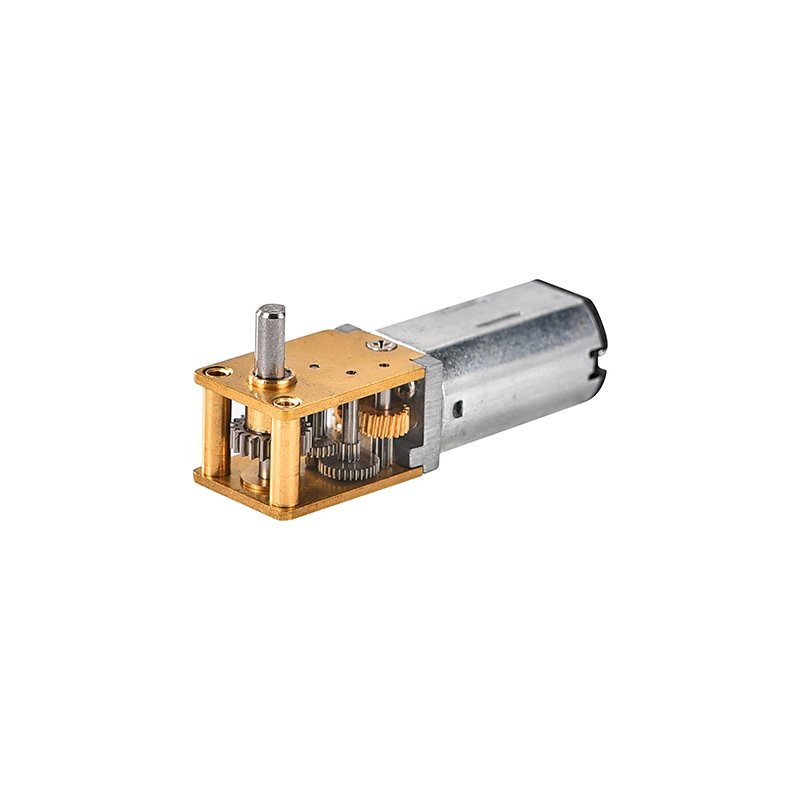
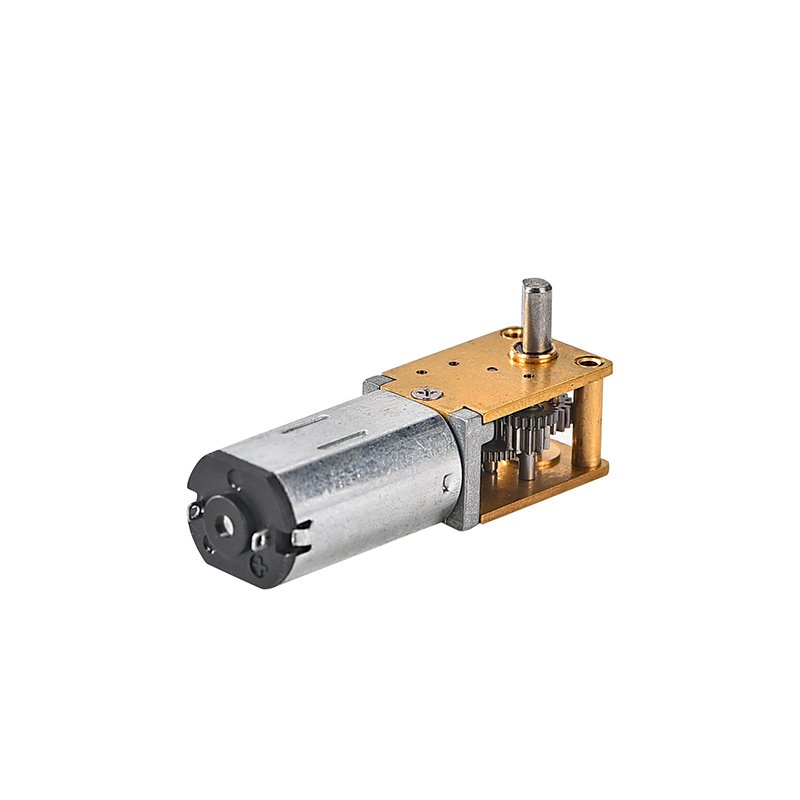
You can count on INEED Worm Gear Motors for reliable self-locking in vertical load applications. These motors use a special gear ratio and worm thread angle to boost self-locking strength. This means you do not need extra brakes or safety devices. You get a compact, quiet, and powerful motor that keeps your load secure.
The self-locking mechanism in INEED Worm Gear Motors prevents loads from moving when the motor is off.
This feature is especially useful in machines like lifts, jacks, and conveyor systems.
You can choose the right gear ratio for your needs, making sure your vertical load stays safe and steady.
If you want a motor that holds vertical loads without slipping, INEED Worm Gear Motors give you a dependable solution.
Self-locking principles and mechanics
Friction and gear geometry
You need to understand how friction and gear geometry work together to create self-locking in worm gears. Friction between the worm and gear surfaces is the main reason the gear cannot turn the worm in reverse. When you use a worm gear, the sliding contact between the worm and the gear creates resistance. This resistance stops the gear from moving backward, even if a heavy load pushes down.
Friction between the worm and gear surfaces prevents the worm wheel from rotating in reverse when power is off.
The self-locking effect depends on the lead angle of the worm and the friction coefficient between the surfaces.
If the lead angle is smaller than the friction angle, the worm can drive the gear, but the gear cannot drive the worm.
The geometry of the gear also plays a big role. The helix angle of the worm must be less than the friction angle for self-locking to happen. You get a resisting moment that holds the load in place. This is why worm gear self-locking vertical load systems are so reliable for holding heavy objects safely.
INEED Motors designs worm gear motors with optimal gear geometry and high-quality materials. This ensures you get strong friction and reliable self-locking, even under vertical loads.
Helix angle vs. friction angle
You can think of the helix angle as the slope of the worm thread. The friction angle comes from the materials used and how slippery or rough they are. When the helix angle is less than the friction angle, the worm gear self-locking vertical load effect works best. If the helix angle gets too large, the gear can lose its self-locking ability. The forces of friction must always be greater than the forces trying to turn the worm backward.
The coefficient of friction is also important. It affects how much force is needed to move the gear. In worm gears, the sliding contact means friction is always present. Both the helix angle and the friction angle must work together to keep the gear from back driving.
You usually see worm gears with lead angles from 1° to 25°. Lower angles give you higher gear ratios and better self-locking. If the lead angle is too small, the system can jam. If it is too large, you lose the self-locking effect. INEED Motors carefully selects the right helix and friction angles for each application, so you get the best balance of efficiency and safety.
Transmission ratio effects
The transmission ratio tells you how many times the worm must turn to rotate the gear once. High transmission ratios make worm gear self-locking vertical load systems even more effective. When you use a ratio above 50:1, you get strong self-locking. The worm can drive the gear, but the gear cannot drive the worm.
Here is a table showing common transmission ratios and their self-locking properties:
Transmission Ratio | Self-Locking Capability |
|---|---|
20:1 | Partial self-locking |
30:1 | Improved self-locking |
50:1 and above | Complete self-locking (no backdrive) |
You find these high ratios in elevators, powered gates, and smart lockboxes. These systems must hold loads safely without slipping. INEED Motors uses high transmission ratios in their worm gear motors to give you reliable performance and peace of mind.
Tip: Always choose a worm gear motor with the right transmission ratio for your vertical load application. This ensures your system stays safe and stable.
INEED Motors combines advanced gear geometry, optimal friction angles, and high transmission ratios. You get worm gear motors that deliver dependable self-locking for vertical loads in every application.
Conditions for effective worm gear self-locking
Material and surface finish
You need to pay close attention to the materials and surface finish in worm gear systems. The type of metal or polymer you choose affects the friction between the worm and the gear. A higher friction coefficient helps maintain self-locking, especially under vertical loads. The surface finish also plays a big role. If you use a very smooth finish, you might reduce friction too much, which can make self-locking less reliable. In environments with vibration, the difference between static and dynamic friction becomes important. A sudden shift can lower the friction angle and cause the gear to slip.
A smoother surface finish can reduce friction, making self-locking harder to achieve.
High sliding speeds lower friction, which can weaken the self-locking effect.
Vibrations can cause the gear to lose its grip, especially if the surface is too smooth.
INEED Motors selects the right material pairs and optimizes the surface finish for each worm gear motor. This ensures you get reliable worm gear self-locking vertical load performance, even in demanding conditions.
Lubrication impact
Lubrication is essential for worm gear operation. You need the right lubricant to keep the gear running smoothly and to maintain self-locking. Compounded oils, which contain mineral oil, fatty acids, and rust inhibitors, work well for most applications. These oils reduce wear and help the gear resist corrosion. For heavy-duty use, you can choose extreme-pressure oils, as long as they are safe for the gear materials. Lubrication reduces friction and heat, but too much lubrication can lower the static friction needed for self-locking. You want a balance that protects the gear but still keeps it from back driving.
Worm gears operate with sliding contact, which creates heat and friction.
Good lubrication forms a protective layer, but it is hard to achieve a perfect hydrodynamic wedge.
The type and amount of lubricant affect both static and dynamic friction, which changes how well the gear can self-lock.
INEED Motors uses high-quality lubricants and tests each motor to make sure you get the right balance of efficiency and self-locking.
Load and direction factors
The load you apply and its direction have a big impact on self-locking. If you put too much weight on the gear, you can overcome the friction and cause movement. The direction of the load matters too. Worm gears are designed so that the worm can drive the gear, but not the other way around. This is especially important for vertical loads, where gravity always pulls down.
The table below shows how different material pairs and friction coefficients affect the maximum lead angle for self-locking:
Material Pair | Friction Coefficient (μ) | Maximum Lead Angle for Self-locking (°) |
|---|---|---|
Steel vs. Bronze | 0.6 | 3.5 |
Steel vs. Cast Iron | 0.7 | 4.1 |
Hardened Steel vs. Polymer | 0.8 | 4.6 |
You should always check the load and the helix angle to make sure your system stays self-locking. INEED Motors engineers help you select the right configuration for your application, so your worm gear self-locking vertical load system works safely and reliably.
INEED Worm Gear Motors in vertical load applications
Smart lockbox solution
You can see the value of worm gear self-locking vertical load technology in smart lockboxes. These lockboxes need to keep doors or panels secure, even when the power is off. INEED Worm Gear Motors use a self-locking mechanism that holds the lock in place and prevents unwanted movement. This feature keeps your property safe and reduces the risk of unauthorized access.
Feature | Description |
|---|---|
Self-locking mechanism | Prevents unwanted movement when the motor is off, ensuring heavy doors or panels remain locked. |
Security enhancement | Reduces the risk of unauthorized access and accidents by keeping the lock secure. |
You can rely on this technology for smart lockboxes in real estate, commercial buildings, and other security-focused environments.
Safety and reliability benefits
You want your vertical load systems to be safe and dependable. INEED Worm Gear Motors deliver both. The self-locking feature prevents slipping during power failures. You do not need extra brakes or complicated safety devices. These motors handle heavy loads without losing control, which means you can trust them in demanding situations.
Benefit | Description |
|---|---|
Self-locking feature | Prevents slipping during power failures, enhancing safety. |
Heavy load handling | Designed to lift heavy loads without losing control, contributing to reliability. |
Regular maintenance checks | Tools like vibration checks and heat scans help identify issues early, ensuring ongoing safety. |
You also reduce the risk of load failure. The self-locking design keeps the load stable, even if the power goes out. This stability is essential for applications where you must maintain load position at all times.
Customization and support
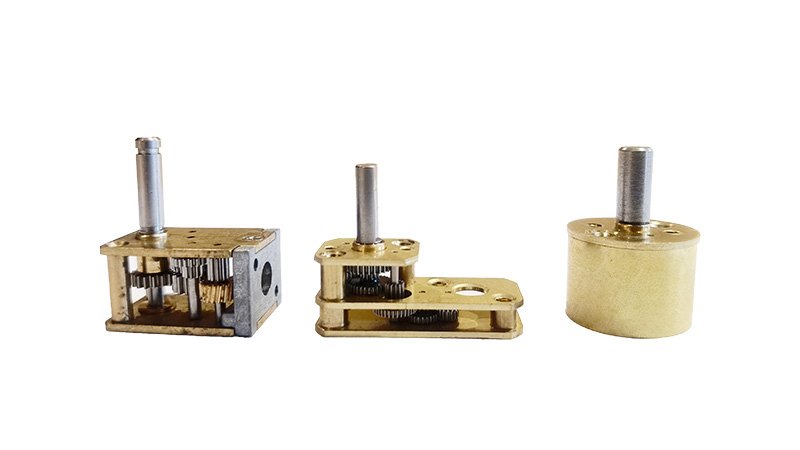
You may need a motor that fits your unique project. INEED offers many customization options for worm gear motors. You can choose from different gearbox types to match your load and space requirements:
Gearbox Type | Description | Considerations |
|---|---|---|
Non-throated | Suitable for standard applications with moderate load requirements. | Weight, speed, and power needed. |
Single-throated | Offers better torque for specific applications, ideal for heavier loads. | Turning force and speed requirements. |
Double-throated | Provides maximum torque and is suitable for the heaviest loads. | Space constraints and load types. |
Custom Gearboxes | Mixing worm and planetary gears for unique applications. | Tight spaces or odd load requirements. |
You also get support from INEED’s engineering team. They help you select the right motor, answer technical questions, and provide guidance from design to production. This support ensures your worm gear self-locking vertical load system works exactly as you need.
Tip: You can use INEED Worm Gear Motors in many industries, such as factories, renewable energy, healthcare, and transportation. These motors power conveyor belts, adjust wind turbine blades, move hospital beds, and control vehicle speed.
You see how worm gear self-locking vertical load systems keep loads secure and prevent back driving. This feature is critical for safety and reliability in industrial applications. INEED Worm Gear Motors offer compact design, smooth operation, and cost-effective load holding. You benefit from customization and expert support for your project needs.
Challenges and Limitations | |
|---|---|
Enhanced Safety | Efficiency Losses |
Compact Design | Wear and Heat Generation |
Smooth and Quiet Operation | Limited Reversibility |
Cost Effective Load Holding | Load and Speed Limitations |
When you select a worm gear motor, check torque, speed, voltage, physical constraints, and control precision. Regular maintenance and quality materials help your system last longer. INEED supports you with technical guidance and tailored solutions.
FAQ
What makes worm gears self-locking?
You get self-locking when the worm’s lead angle is less than the friction angle. This stops the gear from turning the worm in reverse. Friction and gear geometry work together to hold the load securely.
Where do you use self-locking worm gear motors?
You use self-locking worm gear motors in lifts, smart lockboxes, gates, and conveyor systems. These motors keep loads steady and safe, especially in vertical applications where you need to prevent slipping or falling.
How do you choose the right worm gear motor for vertical loads?
You should check the required torque, speed, voltage, and space. Pick a motor with a high transmission ratio for better self-locking. INEED’s engineers can help you select the best option for your project.
Does lubrication affect self-locking?
Yes. Lubrication reduces wear and heat, but too much can lower friction and weaken self-locking. You need the right balance. INEED uses tested lubricants to keep motors efficient and reliable.
Can you customize INEED Worm Gear Motors?
Absolutely! You can request custom gear ratios, shaft designs, and gearbox types. INEED’s team supports you from design to production, ensuring your motor fits your unique application.