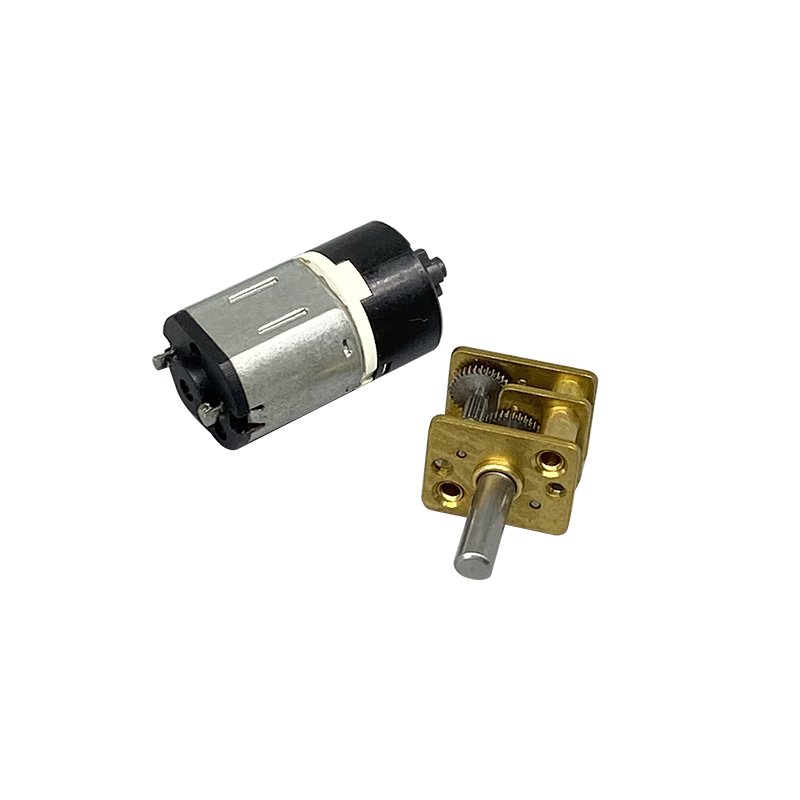
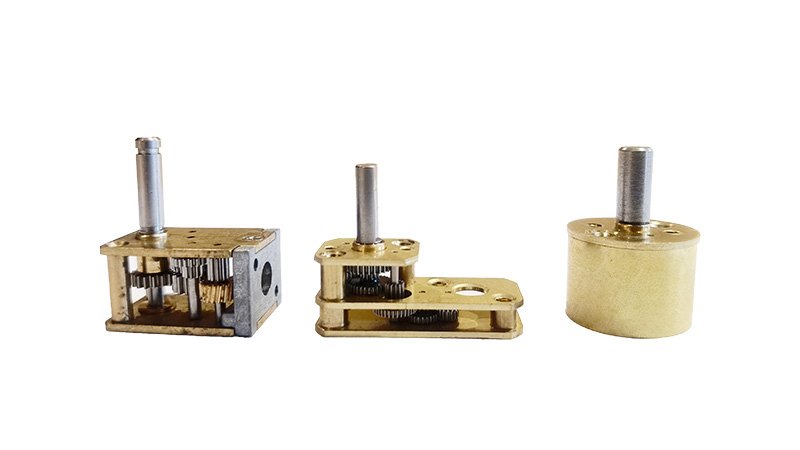
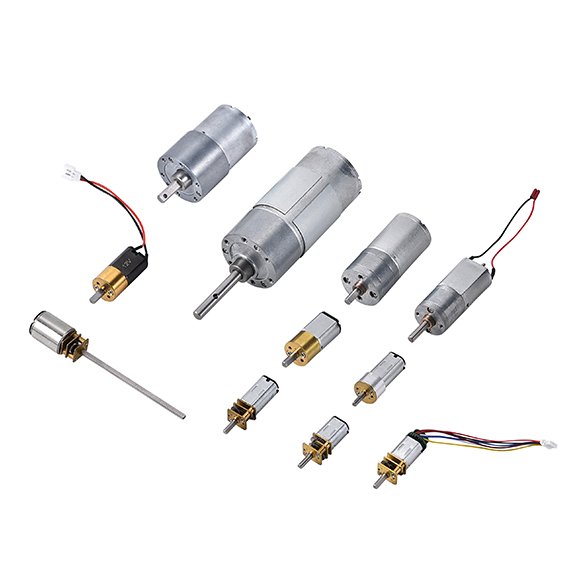
You have tough goals when you pick spur gear motors for OEM projects. Using design standards for spur gear motors in OEM projects helps you get exact sizes, strong materials, and good reliability.
Benefit | Description |
|---|---|
Tolerances | Important sizes are within ±0.001 inches for exact jobs. |
Material Strength | Strong gears last longer and do not wear out fast. |
Quality Assurance | Special tools check that gear teeth are shaped right and work well. |
Good spur gear motors give steady power, break less often, and make things safer.
A trusted design guide helps you make changes, lower noise, and make motors last longer.
INEED helps you win with smart engineering, strict quality checks, and custom solutions.
Key Takeaways
Use design standards like AGMA and ISO. These help make sure your spur gear motors are strong and work well.
Pick the right materials and treatments. This helps your gears last longer and work better.
Make your project needs clear early. This helps you avoid mistakes and makes sure your gear system works as you want.
Work closely with your supplier. This helps you follow standards and keep good quality during production.
Test your gear system in real-life situations before making a lot. This helps make sure it works the same every time.
Overview of Design Standards for Spur Gear Motors in OEM Projects
AGMA and ISO Standards
You should know the main rules for gear design. AGMA and ISO are important for spur gear motors.
AGMA checks how much torque your gear system can take. This helps you build strong gears that work well in many places.
ISO helps you check safety steps. ISO 6336 needs you to do hard math. You must do these steps if you want to track every part, like in planes or medical tools.
AGMA 2101-D04 lets you change designs faster. This rule is used a lot in North America. It helps you save time and money when making gears.
INEED’s Compliance and Certifications
INEED follows strict rules for each gear system. You get motors with ISO 9001 certification. This means you can trust the whole process from start to finish. INEED also meets REACH and RoHS rules. Your gear system is safe and good for the planet. You can trust INEED for tracking and strong checks at every step.
Tip: Always ask your supplier to show proof they follow the rules. This helps you avoid trouble with laws and keeps your project safe.
Comparing Standards for OEM Needs
You need to pick the right rule for your gear system. AGMA is good if you want fast changes and lower costs. ISO is best when you need careful records and safety checks.
Here is a simple comparison:
Standard | Focus | Best For |
|---|---|---|
AGMA | Maximum torque | Fast design, North America |
ISO | Safety factors, traceability | Aerospace, medical, global use |
Today, people want gear systems that work very well in cars and factories. Many engineers want gears that follow strict rules for better results. There is also a move to custom gear designs and new types, like helical and planetary, for less noise and better work.
Custom Gear Design Principles
Gear Geometry and Tooth Profile
When you design a custom gear, focus on gear geometry. The right tooth profile helps power move smoothly. It also makes gears last longer. Design standards talk about important things to check. Use the table below to help you pick the right values:
Parameter | Description |
|---|---|
Pitch Diameter | Diameter of the pitch circle where meshing gears make contact, critical for proper gear meshing. |
Module | Ratio of pitch diameter to the number of teeth, used to specify gear size in the metric system. |
Pressure Angle | Angle at which tooth profiles make contact, affecting load distribution and tooth contact. |
Number of Teeth | Determines gear size and gear ratio; more teeth generally lead to better load distribution. |
Pick these values based on how much torque, speed, and space you have. A good tooth profile makes less noise and stops fast wearing.
Material Selection and Treatment
You need to pick the best material and treatment for your spur gear motor. This helps your gear last longer and work better. There are many ways to treat gears so they stay strong:
Case hardening (carburizing, nitriding) makes the outside tough for high stress.
Induction hardening makes the tooth surface hard for big gears.
PVD or CVD coatings (like TiN, TiCN) give a hard, smooth surface for tough jobs.
Shot peening makes the surface stronger and helps stop cracks.
Surface treatments like case hardening, nitriding, or carburizing help stop wear.
Choose the right treatment for where and how your gear will work.
Application Factors and Calculations
Think about all the things that affect your custom gear. Look at load, speed, how often it runs, and space. Figure out the gear ratio, torque, and how long it should last. Use these numbers to choose the right gear size and material. This helps you stop problems and makes sure your spur gear motor works for your project.
Tip: Write down your math and choices. This helps you fix problems or make changes later.
Applying Design Standards in OEM Projects
Specification Clarification
You need to start every OEM project by making your gear system requirements clear. This step helps you avoid mistakes and ensures your spur gear motors work as expected. You should focus on these points:
Define the gear profile for your gear system. Use full-fillet-root gears to boost bending strength and extend fatigue life.
Check the dynamic loads that your gear system will face. These loads can change how your gears perform over time.
Specify a full-fillet-root-radius between each tooth. This design reduces stress concentration and helps your gear system last longer.
Calculate the force on each gear tooth. Use the formula: Gearbox Tooth Load = Input Torque (lb-ft) ÷ Input Gear Pitch Circle Radius (feet).
Remember that dynamic gear loading can increase the force on gear teeth. Plan for these extra forces to keep your gear system reliable.
A clear design guide helps you set these rules early. You can then match your gear system to the real needs of your OEM project.
Integration with INEED Spur Gear Motors
You can make your project stronger by choosing INEED spur gear motors. INEED follows strict design standards for spur gear motors in oem projects. You get motors that meet ISO 9001, REACH, and RoHS requirements. These certifications show that your gear system will be safe and reliable.
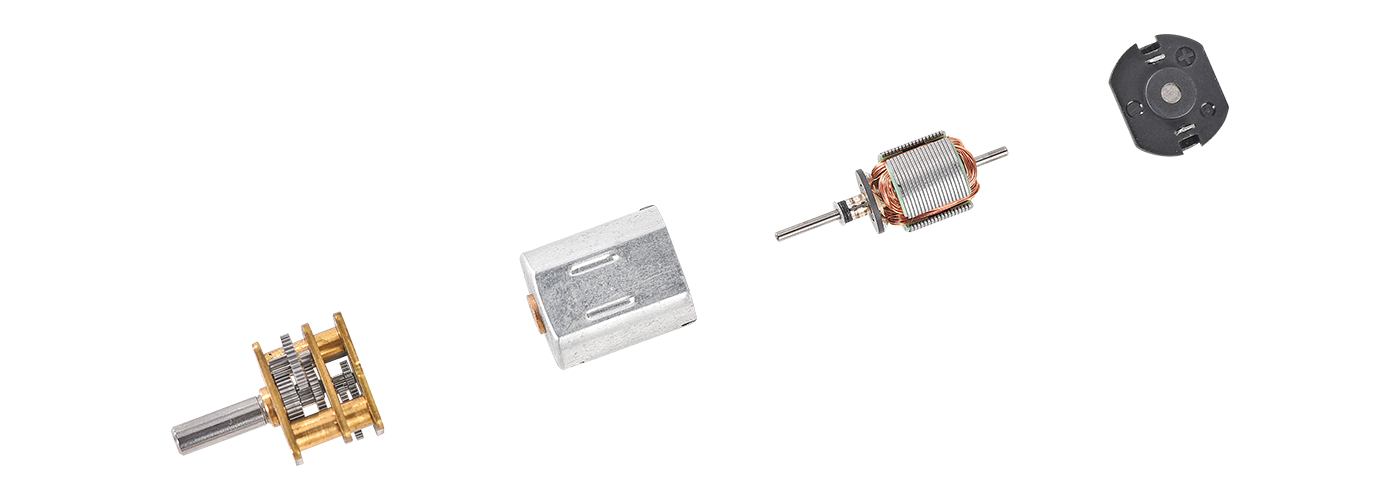
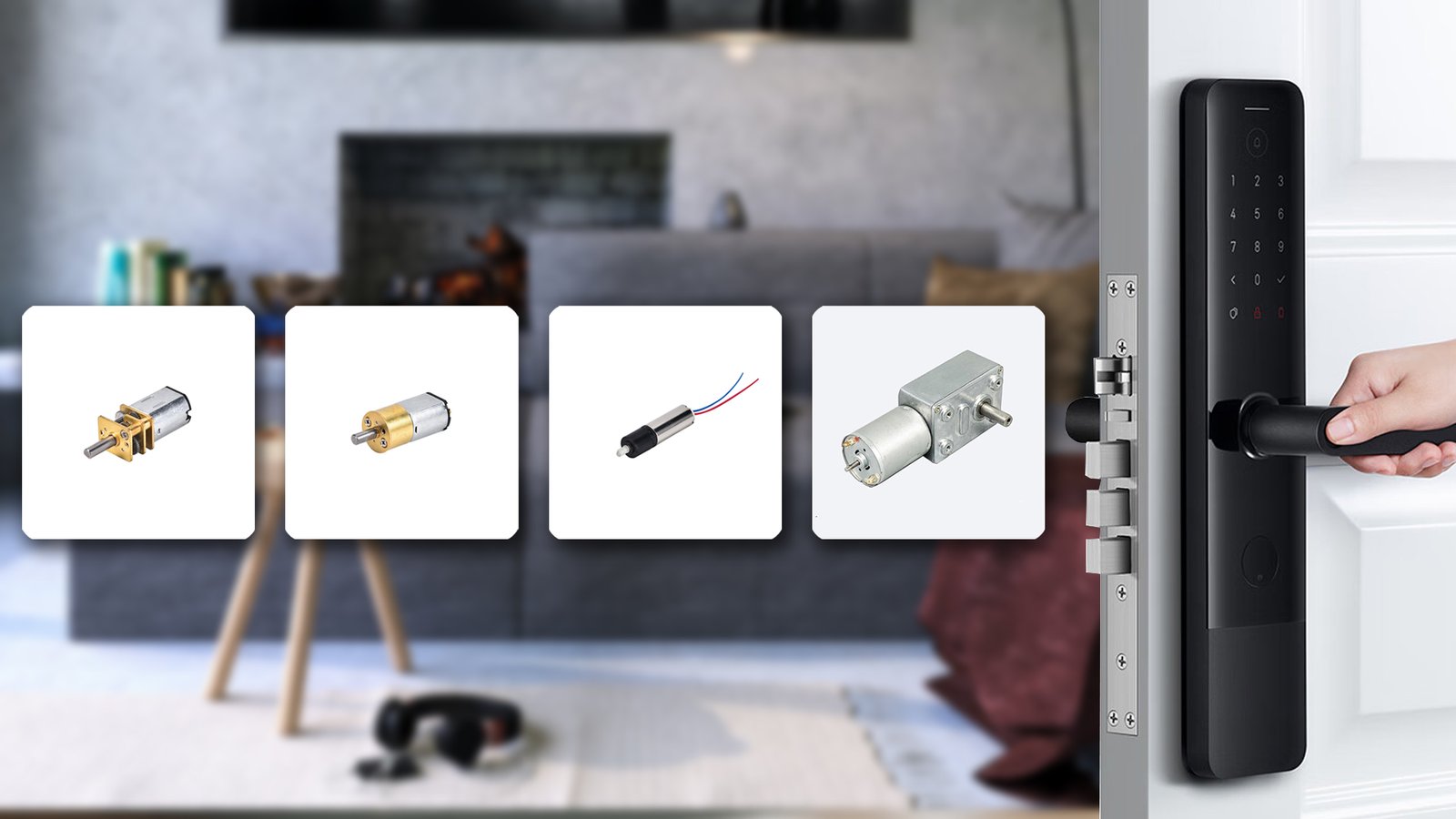
INEED offers many customization options. You can pick the right shaft length, gear type, encoder, or connector for your gear system. The motors come in different sizes and designs, so you can fit them into small spaces or special devices. You can also choose the right voltage, torque, and speed for your application.
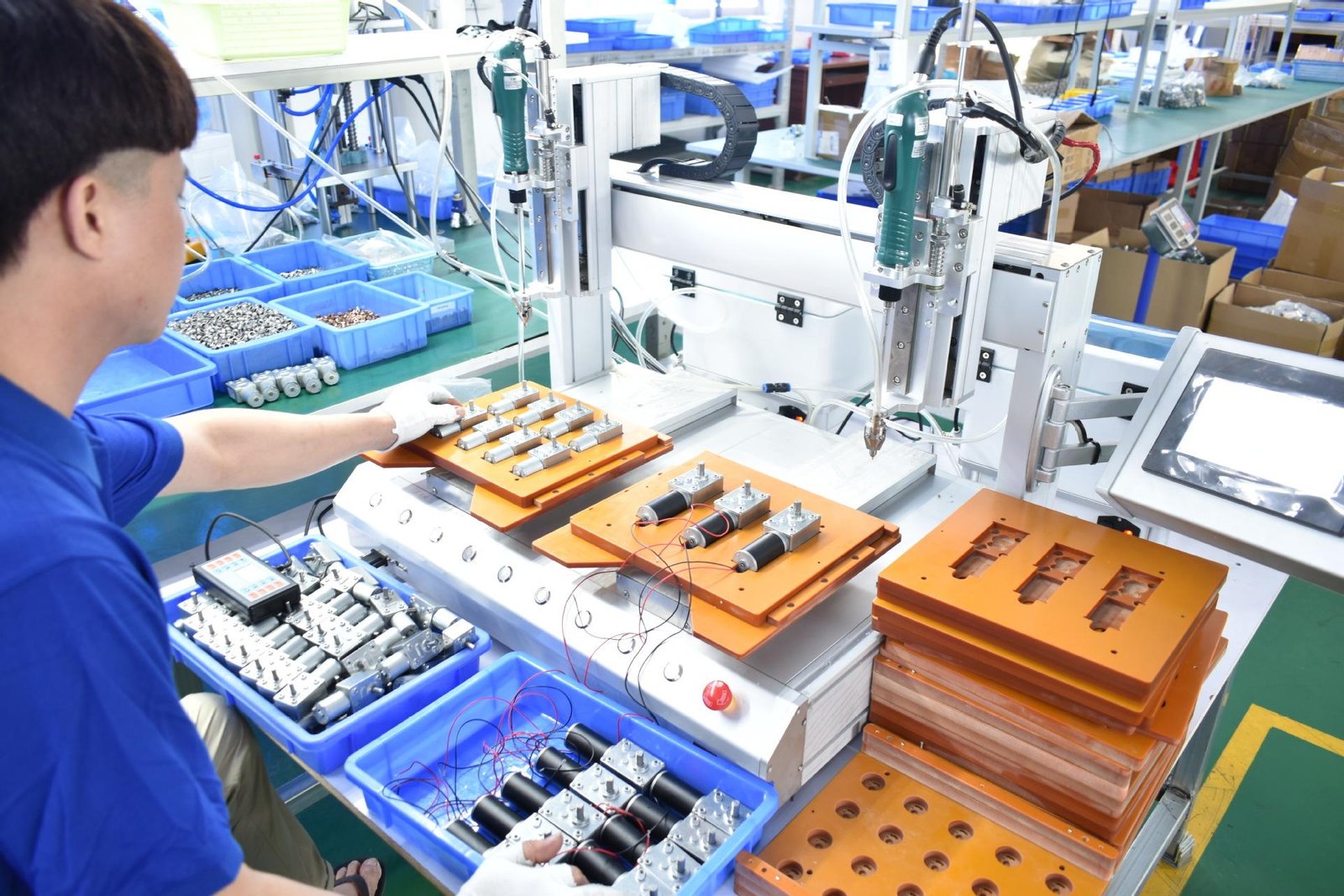
INEED supports you with technical help at every step. The team checks each motor with advanced tools. They test for size, strength, and performance. You get free samples for prototypes, so you can test your gear system before full production. INEED’s quality control process covers material checks, lifetime tests, and final inspections. You can trust that your gear system will meet your project’s needs.
Documentation and Traceability
You need good records to prove your gear system meets all design standards for spur gear motors in oem projects. This step protects your project and helps you pass audits or customer checks. You should collect these documents:
Certification papers from your supplier.
Material test reports that show what your gears are made of.
Heat treatment records that explain how your gears were made stronger.
Quality inspection reports that confirm your gear system passed all checks.
INEED gives you full traceability for every gear system. You can track each part from the start of production to the final shipment. This process makes it easy to solve problems and show proof of quality. You can feel confident that your gear system will perform well and meet all rules.
Practical Considerations for OEM Applications
Balancing Performance and Cost
You need to find the right balance between performance and cost when you design a gear system for your OEM project. You want your gear system to last, work well, and stay within your budget. You can use the following table to see the main factors that help you make smart choices:
Factor | Description |
|---|---|
Expected Service Life | How long your gear system will last in real use. |
Maintenance Frequency | How often you need to check or replace parts in your gear system. |
Energy Efficiency | How much energy your gear system saves by reducing friction. |
Downtime Risk | The chance your gear system will stop working and need repairs. |
Long-term Value | The savings you get from using strong materials and good designs. |
You should also look at key metrics for your spur gear motors. These include speed, torque, current draw, power, and efficiency. These numbers help you see how your gear system will perform in your application.
Customization Options with INEED
You can make your gear system fit your exact needs with INEED’s customization options. INEED lets you change many parts of your spur gear motors. You can adjust the size, shape, and technical details to match your project. Here is a quick look at what you can customize:
Customization Options | Description |
|---|---|
Dimensions | Change the size to fit your gear system. |
Internal Structures | Modify the inside for special uses. |
Technical Parameters | Set torque and speed for your gear system. |
Encoders | Add feedback for better control. |
Custom Accessories | Get extra parts for your gear system. |
You can work with INEED’s team to pick the best options. This helps your gear system meet all your project goals.
Supplier Collaboration
You need to work closely with your supplier to make sure your gear system meets all standards. Good teamwork helps you avoid problems and get the best results. Here are some best practices:
Ask for material certifications for your gear system.
Check some gears yourself when you get the first batch.
Set up a plan for handling any parts that do not meet your needs.
Choose suppliers with ISO 9001 and strong technical skills.
Keep open and clear communication with your supplier.
You can build trust and solve issues faster when you follow these steps. Your gear system will stay reliable and ready for your OEM project.
Quality Assurance and Testing
Inspection Methods at INEED
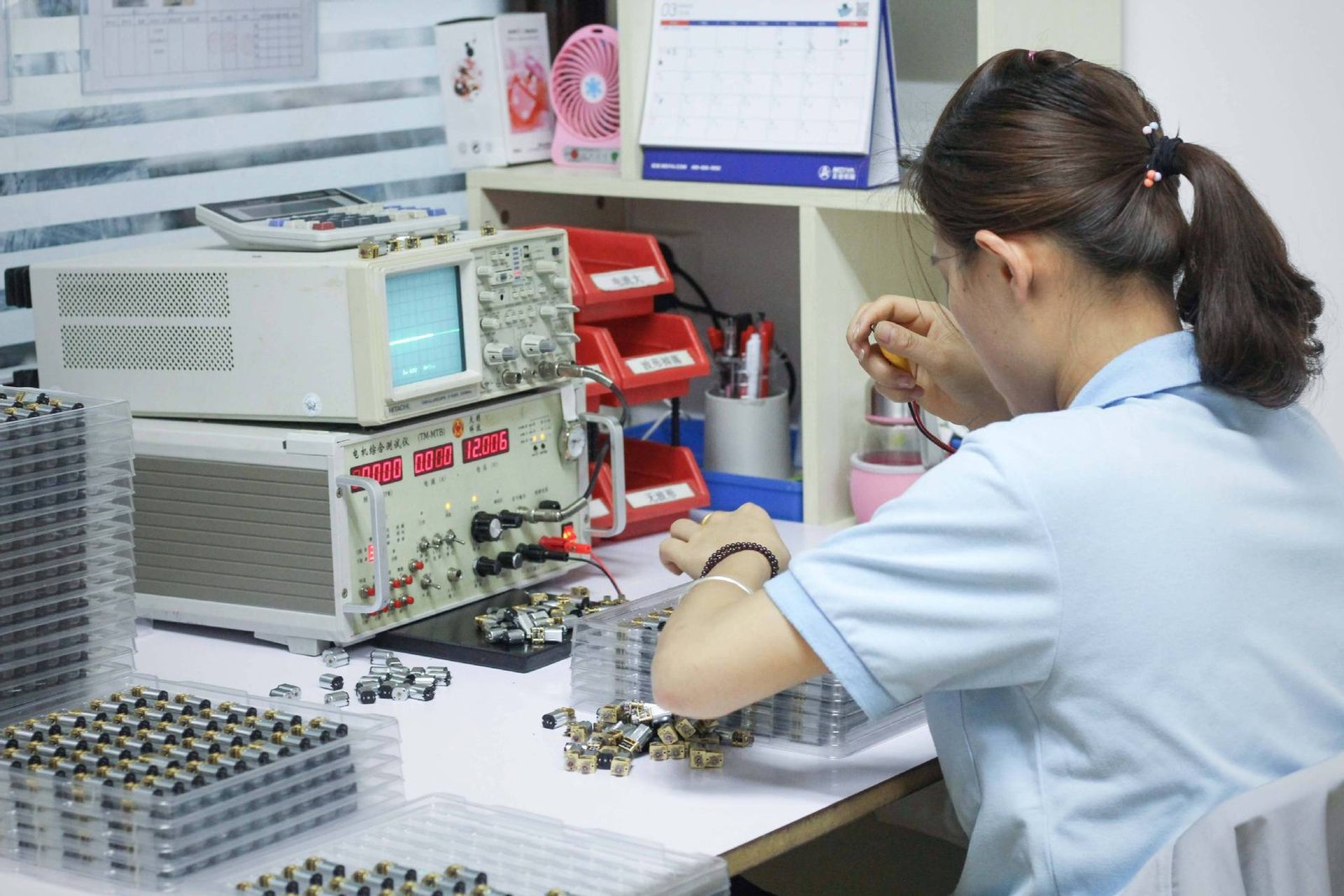
You need to be sure your gear system is high quality. INEED checks every gear with special inspection tools. Laser systems, like Gleason’s GRSL, scan gear profiles and leads without touching them. This gives quick and accurate results. Automated visual inspection systems work all day and night. These systems find tiny defects, even ones as small as 150 microns. You get full visual defect detection. Every gear system gets checked before leaving the factory.
Tip: Automated inspection finds problems early. This helps you avoid expensive failures later.
Reliability Testing
You want your gear system to last a long time. INEED tests each motor for strength and performance. The team runs lifetime tests to see how gears handle stress. They check for wear, noise, and smooth movement. You get motors that pass tests for vibration, temperature, and load. This makes sure your gear system works well in real life. These tests help lower downtime and maintenance costs.
Regulatory Compliance
You must follow global rules when using spur gear motors. INEED helps you meet rules in North America, Europe, and Asia-Pacific. The company follows strict environmental rules, like REACH and RoHS. These rules affect how gears are treated and finished. In the European Union, you must follow product standards, GDPR, and green rules. These requirements change how you design and report your gear system. You may pay more to meet these rules, but your products will be safe and legal.
Regulatory Aspect | Description |
|---|---|
Compliance Design | Follows NA, EU, and APAC rules |
Environmental Regulations | Meets global standards for heat treatment and finishing |
EU Regulations | Follows product, privacy, and green rules |
Compliance Costs | Shows higher costs from global environmental rules |
Common Challenges and Solutions
Conflicting Standards
You can run into problems with different rules. Each region and industry has its own standards. This makes it hard to build one gear system for all needs. You may have trouble with noise, efficiency, or how much load your gear can handle. The table below shows some common problems you might face:
Challenge | Description |
|---|---|
High Noise Levels | Spur gears are loud, especially when they spin fast. |
Impact on Efficiency at High Speeds | Teeth hit suddenly, which lowers efficiency and causes more wear. |
Limited Load Capacity | Spur gears can break if they get too much torque. |
Poor Tolerance for Misalignment | Small mistakes in alignment can cause gears to fail or not work well. |
Limited Design Flexibility | Spur gears do not let you change designs as much as other types. |
Tip: Work with your supplier early to check all rules. This helps you avoid expensive changes and makes sure your gear system meets every need.
Manufacturing Constraints
You will face limits when making gears. These limits can change how you use design standards. Here are some common problems:
Small gears can break or wear out fast when loads change.
Strong materials can make gears smaller but cost more money.
Fixed distances between centers can limit gear choices and force you to change your design.
You need to balance these things to keep your gear system strong and not too expensive.
Ensuring Consistent Performance
You want your gear system to work well every time. You can use different ways to reach this goal:
Pick the motor that matches your voltage, speed, and torque needs.
Change your motor with the best options for your project.
Add more slots and commutator bars in brushed motors for smoother slow speeds.
Skew the rotor or stator to lower noise and make the motor work better.
Choose the gearbox that fits your job. Spur gearboxes are good for saving money and moving power. Planetary gearsets are better for high torque in small spaces.
Ask for better rotor balancing if you need high speeds or less shaking.
Note: Test your gear system in real life before making lots of them. This helps you make sure it works well every time.
You can get good results if you use a clear design guide for your gears. INEED helps you with custom choices, strong quality checks, and expert advice. Here are ways INEED helps your OEM projects:
Benefit Type | Description |
|---|---|
Custom Solutions | Special options for your own needs. |
Technical Support | Help from start to finish, plus free samples. |
Quality Assurance | Careful checks for reliable work. |
Expert Support | Advice for speed and lasting power. |
Application Versatility | Works in security, robots, and home devices. |
To do well, you should:
Find out how much torque you need first.
Pick the best gear ratio for speed and torque.
Choose gearbox type and material for your job.
Match motor size and rating to your plan.
Keep track of maintenance and use feedback tools for accuracy.
You make better projects when you follow rules and talk often with your supplier.
FAQ
What is a spur gear motor?
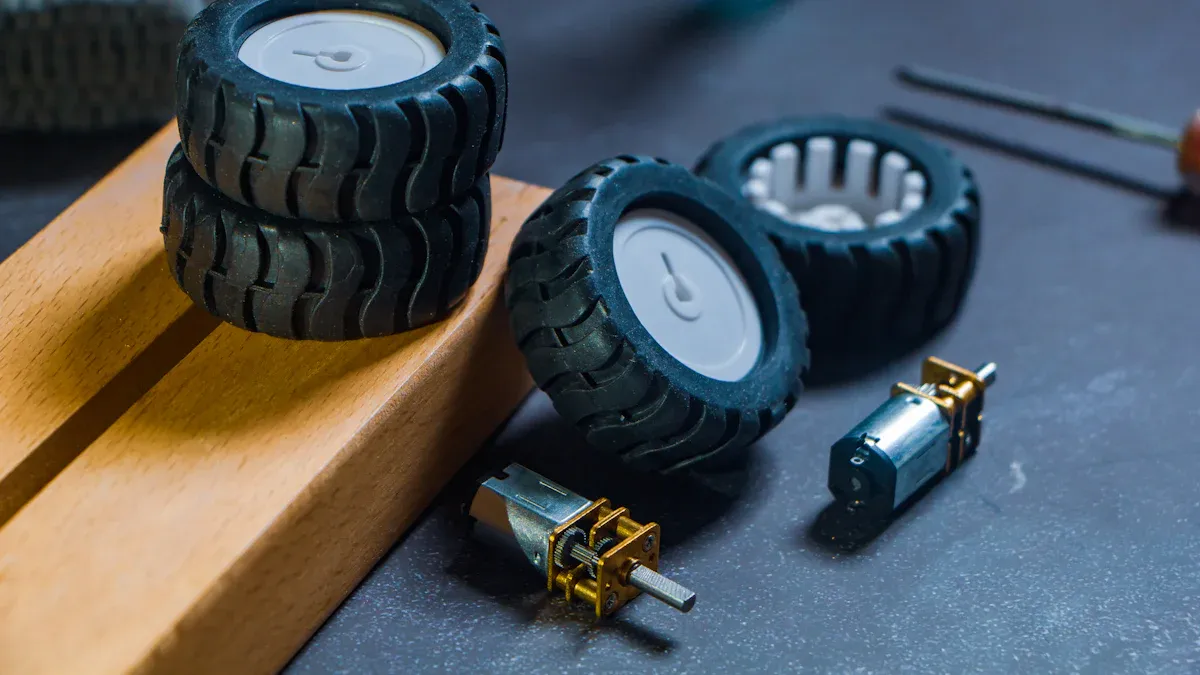
A spur gear motor has gears with straight teeth. These gears move power between two shafts that are side by side. This motor gives steady speed and good torque. You can use these motors in robots, machines, and medical tools.
How do you choose the right spur gear motor for your OEM project?
First, think about how much torque and speed you need. Check how much space you have for the motor. Look at the gear ratio and what the gears are made of. You can ask INEED for help to find the best motor for your needs.
Why do design standards matter for spur gear motors?
Design standards help keep your gear motor safe and reliable. They make sure you follow important rules. Standards help you avoid big mistakes and compare different products easily.
Can you customize INEED spur gear motors?
Yes, you can change many things on INEED spur gear motors. You can pick the size, type of gear, encoder, or connector. This way, your motor will fit your project just right.
What certifications do INEED spur gear motors have?
INEED spur gear motors have ISO 9001, REACH, and RoHS certifications. These motors pass tough quality and safety checks for the environment.