You should always take a systematic approach when you evaluate ISO 9001 claims from any gear motor supplier. Verifying these claims protects your business from risks like operational failures, poor supplier selection, and potential legal issues due to non-compliance. Suppliers with immature ISO 9001 systems may deliver motors that fail to meet quality standards, leading to breakdowns and loss of trust. A structured supplier evaluation process, as practiced by INEED, helps you maintain high quality and reliability. Use practical steps and checklists to ensure your supplier meets your expectations every time.
Key Takeaways
Always verify ISO 9001 certification by requesting valid documents and checking authenticity through official sources.
Use a structured supplier evaluation process to assess quality management systems and ensure consistent product reliability.
Watch for red flags in supplier claims, such as expired certificates or vague language, to avoid unreliable partners.
Request key documents like audit results and compliance records to confirm a supplier’s commitment to quality standards.
Regularly evaluate suppliers to identify risks early and support continuous improvement in your supply chain.
ISO 9001 Claims and Supplier Evaluation Basics
What ISO 9001 Means for Gear Motor Suppliers
ISO 9001 sets the global standard for quality management systems. When you see a gear motor supplier claim ISO 9001 certification, it means the company has built processes to ensure consistent quality and continual improvement. For suppliers like INEED, ISO 9001 certification shows a commitment to meeting customer needs and industry standards. You should understand that ISO 9001 supplier evaluation focuses on more than just paperwork. It requires you to look at how the supplier manages every step of production, from design to delivery.
Key requirements for ISO 9001 supplier evaluation include:
Implementation of a quality management system that drives improvement.
Meeting or exceeding ISO 9001 standards, especially for industries with strict requirements.
Consistent application of quality controls across all facilities.
You need to check these elements during your supplier evaluation process. This approach helps you avoid risks linked to nonconforming products and unreliable suppliers.
Why ISO 9001 Matters for Quality and Reliability
ISO 9001 claims play a central role in supplier evaluation and quality assurance. When you evaluate a supplier, you want to see proof that their quality management systems work in practice. ISO 9001 supplier evaluation helps you confirm that the supplier can deliver reliable gear motors for your applications.
Tip: Always ask for evidence of ISO 9001 certification and review how the supplier applies quality management in daily operations.
The impact of ISO 9001 on quality and reliability is clear. The certification leads to better safety metrics, structured processes, and stronger supplier relationships. You can see the benefits in the table below:
Evidence Type | Description |
|---|---|
Improved Safety Metrics | ISO 9001 certification leads to enhanced safety metrics, which are crucial for reliable product performance. |
Systematic Quality Management | Establishes structured processes that ensure consistent product quality and reliability. |
Enhanced Supplier Relationships | Focuses on selecting competent suppliers, which is vital for maintaining high product standards. |
When you use a structured ISO 9001 supplier evaluation, you reduce the risk of failures and improve the reliability of your supply chain. You also support your company’s long-term quality assurance goals.
Types of ISO 9001 Claims in the Gear Motor Industry
Fully Certified vs. In-Progress ISO 9001 Claims
You will often see two types of iso 9001 claims from gear motor suppliers. Some suppliers hold a fully certified status. Others are still in progress toward certification. Understanding the difference helps you make better decisions.
A fully certified supplier has completed all audits and received an official certificate from a recognized body. You can ask for a copy of this certificate. You should also check the validity dates and the certifying agency. This type of supplier usually has mature quality systems in place. You can expect consistent product quality and reliable delivery.
An in-progress claim means the supplier is working toward certification but has not finished the process. You may see statements like “ISO 9001 pending” or “certification in progress.” These suppliers might have some quality controls, but their systems are not yet fully tested. You should treat these claims with caution. Always ask for proof of progress, such as audit schedules or gap analysis reports.
Note: Always request documentation to support any iso 9001 claims. This protects your business from unreliable suppliers.
Red Flags in Supplier ISO 9001 Claims
You need to watch for warning signs when evaluating iso 9001 claims. Some suppliers may exaggerate or misrepresent their status. Here are common red flags:
The supplier cannot provide a valid certificate.
The certificate is expired or issued by an unknown agency.
The supplier uses vague language, such as “compliant” instead of “certified.”
The supplier avoids sharing audit results or quality records.
Red Flag | What It Means for You |
|---|---|
No certificate | Risk of poor quality or non-compliance |
Expired certificate | Outdated quality system |
Vague language | Possible misrepresentation |
No audit records | Lack of transparency |
If you see these signs, you should investigate further or consider other suppliers. Careful review of iso 9001 claims helps you avoid costly mistakes and ensures you work with reliable partners.
Step-by-Step ISO 9001 Supplier Evaluation Process
A structured iso 9001 supplier evaluation process helps you select reliable gear motor suppliers and maintain high quality standards. You can use this process to verify iso 9001 claims, assess supplier capabilities, and ensure consistent performance for your applications. The following steps guide you through a thorough supplier evaluation, using INEED’s approach as a reference.
Verifying Certification Authenticity
You should always start your evaluation by confirming the authenticity of the supplier’s ISO 9001 certificate. This step protects your business from unreliable partners and ensures you work with suppliers who meet international quality standards.
Follow these steps for verification:
Request complete purchase documentation, including invoices that specify part numbers, descriptions, and manufacturer details.
Investigate the supplier’s credentials and business history. Look for certifications, manufacturer authorizations, and industry association memberships.
Use digital authentication tools like QR codes or serial numbers to check certificates and parts on official manufacturer websites.
Conduct facility inspections or request virtual tours to observe storage and inventory management.
Establish open communication channels to discuss authenticity concerns and verification protocols.
Confirm that the ISO 9001 certificate comes from an accredited body. Check validity dates and the certifying agency.
A valid certificate shows the supplier’s commitment to quality management. Always verify certificates through accredited sources to avoid risks.
Reviewing Supplier Documentation and Records
You need to review key documents during your iso 9001 supplier evaluation. These records provide evidence of compliance and help you understand the supplier’s quality management system.
Request the following documents:
RoHS compliance records
REACH compliance statements
CE Marking documentation
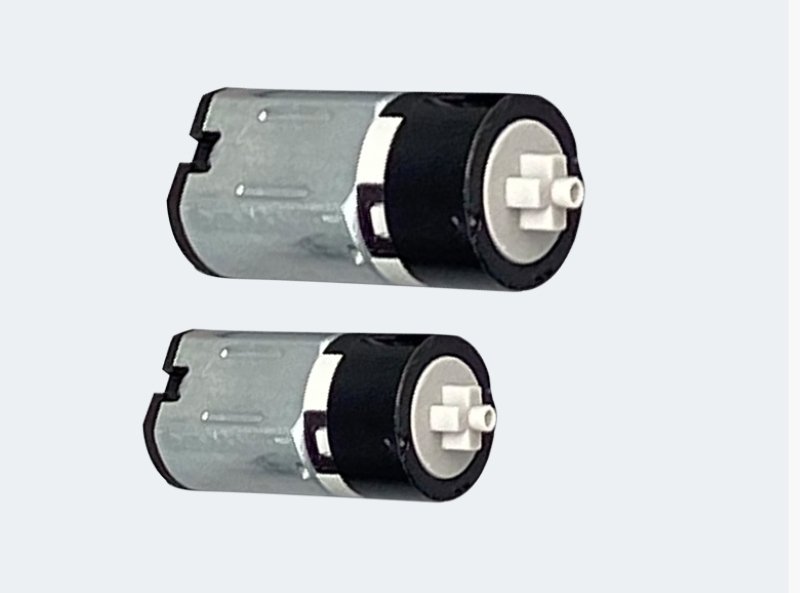
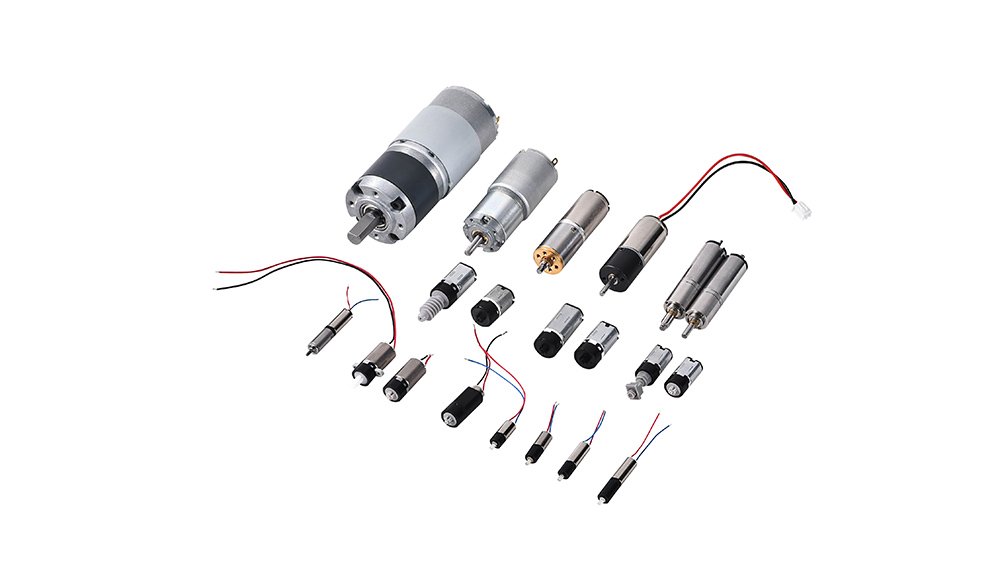
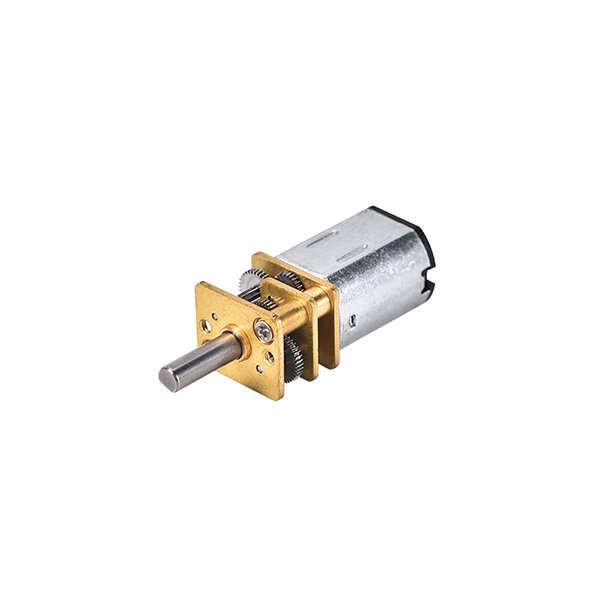
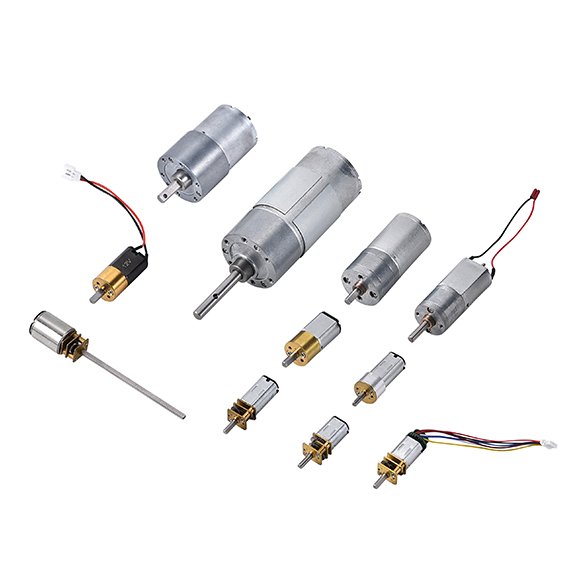
These documents show that the supplier meets quality, safety, and environmental standards. For example, INEED provides ISO 9001 certificates and ensures all gear motors, such as small gear motors and planetary gear motors, comply with RoHS and REACH requirements.
Assessing Quality Management System Maturity
A mature quality management system is essential for consistent product quality. You should evaluate how well the supplier’s system works in practice. Look for comprehensive documentation, including procedures, training records, and quality manuals.
During your initial assessment, ask for:
Documented procedures for production and inspection
Training records for staff involved in quality control
Evidence of regular system reviews and updates
INEED’s quality control process includes tool inspection, material lifetime tests, and 100% inspection of key processes. These practices demonstrate a mature system that supports reliable gear motor production.
Evaluating Performance Metrics and Audit Results
You should examine the supplier’s performance metrics and audit results as part of your evaluation. These records show how well the supplier maintains quality over time.
Request data on:
Product defect rates
On-time delivery rates
Results from internal and external audits
Reviewing these metrics helps you compare suppliers and identify those with strong performance. INEED, for example, tracks motor performance through lifetime tests and outgoing control, ensuring consistent quality for products like spur gear motors and worm gear motors.
On-Site Audits and Remote Assessments
On-site audits and remote assessments give you a direct view of the supplier’s operations. These evaluations help you confirm that the supplier follows documented processes and maintains high standards.
Best Practice | Description |
|---|---|
Relevant Experience | Use audit teams with experience in the gear motor industry. |
Two-Step Audit Approach | Start with a document review, then conduct an on-site or remote readiness review. |
Well-Documented Management System | Ensure the supplier has a comprehensive quality management system for effective assessment. |
Consulting Firm Assistance | Consider using consultants for guidance during the iso 9001 supplier evaluation process. |
You can request a tour of the supplier’s facility or arrange a remote assessment using video calls. INEED welcomes both on-site audits and remote assessments, allowing you to see their production lines and quality control in action.
Considering Supplier History and Customer Feedback
Supplier history and customer feedback play a key role in iso 9001 supplier evaluation. These sources help you understand the supplier’s track record and responsiveness to quality issues.
You should:
Review customer feedback to identify critical characteristics that need monitoring, such as gear tooth profiles and lead measurements.
Examine the supplier’s history for evidence of consistent quality and documented procedures.
Check how the supplier responds to quality issues and whether they adjust processes proactively.
INEED maintains long-term relationships with customers by providing reliable gear motors and responding quickly to feedback. This approach supports continuous improvement and helps you select suppliers who meet your quality requirements.
Tip: Always document your supplier evaluation process and keep records of all assessments, audits, and communications. This practice ensures traceability and supports future supplier reviews.
By following these steps, you can build a robust iso 9001 supplier evaluation process. You will protect your business, ensure high quality standards, and select suppliers who deliver reliable gear motor solutions.
Interpreting In-Progress ISO 9001 Claims
Key Milestones and Documents to Request
When you evaluate a supplier with an in-progress ISO 9001 claim, you need to focus on clear milestones. These milestones show the supplier’s progress toward full certification. You should ask for specific documents at each stage. This approach helps you judge if the supplier takes quality management seriously.
Here are the key milestones you should look for:
Gap Analysis Report: This report shows what the supplier must improve to meet ISO 9001 standards.
Implementation Plan: You need to see a timeline for when the supplier will finish each step.
Internal Audit Results: These results show how the supplier checks its own processes.
Management Review Records: These records prove that leaders review and support the quality system.
Pre-Assessment Audit Report: This report comes from an outside auditor before the final certification.
Tip: Always request copies of these documents. If the supplier cannot provide them, you should consider this a warning sign.
You can use a simple table to track progress:
Milestone | Document to Request | Status |
|---|---|---|
Gap Analysis | Gap Analysis Report | Complete/In Progress |
Implementation | Implementation Plan | Complete/In Progress |
Internal Audit | Audit Results | Complete/In Progress |
Management Review | Review Records | Complete/In Progress |
Pre-Assessment | Audit Report | Complete/In Progress |
Identifying High-Risk Suppliers
You need to spot high-risk suppliers early in your evaluation. These suppliers may not finish ISO 9001 certification or may lack strong quality systems. Watch for these warning signs:
The supplier gives vague answers about their certification timeline.
The supplier cannot show progress documents or audit results.
The supplier changes their story or avoids questions about quality management.
The supplier has a history of missed deadlines or poor customer feedback.
If you see these signs, you should proceed with caution. You may want to choose a different supplier or ask for extra guarantees before moving forward.
Note: High-risk suppliers can cause delays, quality problems, and extra costs for your business. Always check their progress and demand clear evidence before making a decision.
Importance of Supplier Evaluation for Quality Assurance
Risk Mitigation and Continuous Improvement
You need a structured supplier evaluation process to protect your business from unexpected failures and disruptions. This process helps you focus on quality and reliability. When you use iso 9001 supplier evaluation, you assess quality standards and certifications to ensure your supplier follows recognized quality management systems. You also evaluate reliability by checking the supplier’s track record and the consistency of sample components. Reviewing compliance with regulatory standards, such as environmental and labor laws, supports lawful and sustainable manufacturing. Considering logistics and supply chain management practices ensures timely delivery and responsiveness to disruptions. Building a strong supplier network through this evaluation process supports your manufacturing goals and enhances supply chain efficiency.
Continuous improvement plays a key role in maintaining quality standards. You should expect your supplier to show progress in quality management and adapt to new challenges. The table below highlights how continuous improvement supports quality in the gear motor industry:
Aspect | Description |
|---|---|
Focus on Quality Control | Product research and development go hand in hand with quality control. |
Testing Equipment | Top-tier testing labs and imported equipment ensure precise evaluation. |
Supplier Management | Strict incoming material inspection and supplier management strengthen quality strategy. |
Employee Commitment | Every employee dedicates effort to maintaining quality standards. |
Quality Management Systems | Dual systems, including ISO 9001, drive continuous improvement and reliability. |
By using iso 9001 supplier evaluation, you support continuous improvement and reduce risks. This approach helps you maintain high quality and reliability in your supply chain.
Maintaining High Quality Standards with INEED
INEED sets a benchmark for quality in gear motor production. You benefit from rigorous inspection methods, including advanced laser systems that scan gear profiles for accuracy. Automated visual inspection systems operate around the clock, detecting defects as small as 150 microns. Each motor undergoes strength and performance testing, including lifetime tests to assess wear, noise, and smooth operation.
INEED adheres to ISO 9001 certification, ensuring a reliable production process. The company complies with REACH and RoHS regulations, promoting safety and environmental responsibility. These practices support continuous improvement and help you achieve your quality goals. By choosing INEED, you gain access to a supplier committed to maintaining high quality standards and mitigating risks in every stage of production.
Actionable Tips and ISO 9001 Supplier Evaluation Checklist
Practical Steps for Buyers
You can improve your supplier evaluation process by following a clear set of steps. Start by selecting which suppliers to evaluate. Focus on those who play a critical role in your production process. Assign your purchasing and quality teams to handle the evaluation, and set a regular schedule, such as once a year.
Next, define your evaluation criteria. Look at factors like price, performance, service, innovation, quality, delivery reliability, risk potential, and complaint rate. Use supplier contracts and delivery records to gather data. Assign a weight to each criterion based on its importance to your business. Quality and price often carry the most weight.
After scoring each supplier, classify them into categories such as A, B, C, or D. This helps guide your supplier selection and development plans. Finally, communicate the results of your evaluation to your suppliers. Sharing feedback encourages improvement and builds stronger partnerships.
Tip: Regular supplier evaluation helps you spot risks early and supports long-term quality improvements.
Supplier Evaluation Checklist
Use this checklist to guide your next ISO 9001 supplier evaluation:
Identify key suppliers for evaluation.
Assign roles and set an evaluation schedule.
Define evaluation criteria and gather supporting documents.
Score suppliers based on each criterion.
Apply weighting to reflect business priorities.
Classify suppliers by total score.
Share evaluation results with suppliers.
Monitor progress and update evaluations regularly.
Step | Description |
|---|---|
Select Suppliers | Focus on critical suppliers |
Define Criteria | Set clear evaluation criteria |
Assign Weighting | Prioritize quality and price |
Score and Classify | Use scores to guide supplier selection |
Communicate Results | Share feedback for improvement |
Following these steps ensures your supplier evaluation process remains effective and supports your quality goals.
You protect your business when you verify ISO 9001 claims from gear motor suppliers. Always request valid certificates, check certification numbers, and confirm status through official databases. A systematic supplier evaluation process ensures you maintain high quality and reliability. Use the checklist and tips for every supplier review. INEED stands behind its ISO 9001 certification and delivers reliable gear motor solutions you can trust.
FAQ
How can you verify a supplier’s ISO 9001 certificate?
You should request a copy of the certificate. Check the certifying body’s website for authenticity. Confirm the certificate’s validity dates and ensure the supplier’s name matches the certificate.
What documents should you ask for besides the ISO 9001 certificate?
You should request:
RoHS and REACH compliance records
CE Marking documentation
Internal audit results
Management review records
These documents show the supplier’s commitment to quality and compliance.
Why does an in-progress ISO 9001 claim require extra caution?
An in-progress claim means the supplier has not completed certification. You may face risks like inconsistent quality or missed deadlines. Always ask for milestone documents and proof of progress before making decisions.
What are common red flags in ISO 9001 claims?
Red Flag | What It Means |
|---|---|
No certificate | Possible non-compliance |
Expired certificate | Outdated system |
Vague language | Lack of transparency |
No audit records | Weak quality control |
Tip: Investigate further if you see any of these signs.