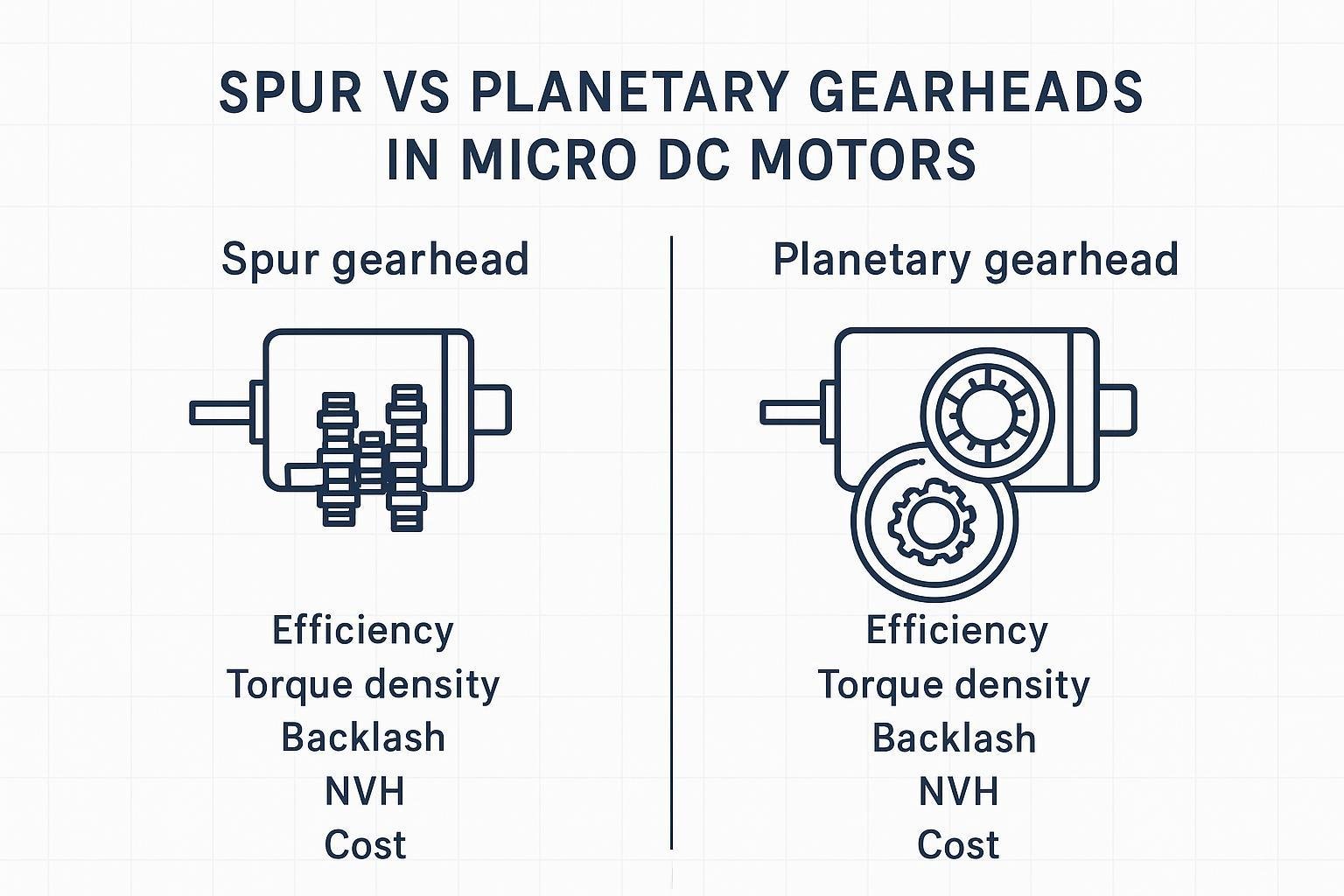
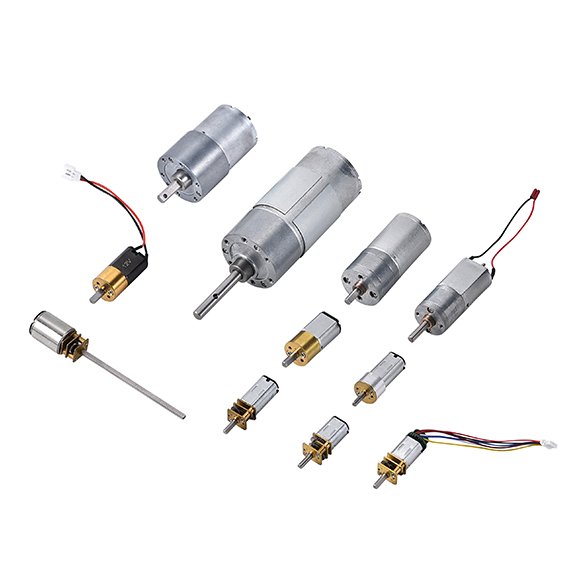
Technical buyers often face difficulties when comparing planetary gear motors due to inconsistent reporting of torque, backlash, and efficiency. Suppliers use different measurement methods and standards, which can lead to confusion. Standardization helps engineers make fair evaluations and select the best solution for their applications. By normalizing torque and related specifications, professionals gain confidence in their decisions. INEED demonstrates a strong commitment to quality and accurate specification reporting, helping ensure reliable product selection.
Key Takeaways
Standardize torque values by converting them to the same unit, like Newton-meters, for accurate comparisons.
Align backlash data by confirming measurement units and using dynamic testing for real-world performance insights.
Normalize efficiency by identifying test conditions and converting values to percentages for straightforward evaluation.
Verify test conditions from suppliers to ensure data reflects real-world application needs, preventing costly errors.
Document the normalization process to maintain clarity and support informed decision-making in gear selection.
Common Discrepancies in Planetary Gearbox Specs
Torque Measurement Differences
Manufacturers often report torque values for a planetary gearbox using different standards. Some suppliers provide ill-defined ratings, which can make direct comparison difficult. True rated torque should reflect the endurance limits of the gearbox, but artificial ratings sometimes lack clear definitions. The industry uses duty cycles to describe operating conditions. For example:
Duty Cycle | Description |
|---|---|
S1 | Continuous duty |
S2–S10 | Varying load cycles |
A detailed analysis of load cycles is essential for safe gear selection. As torque passes through the gear system, losses occur due to internal friction and heat. The efficiency of a gearbox can be evaluated by measuring torque loss or power loss. The size of the gearbox also influences these values. INEED follows standardized reporting, ensuring that buyers receive accurate and reliable torque data.
Backlash Definitions in Gearboxes
Backlash remains a critical factor in planetary gearbox performance. Suppliers use different definitions and measurement methods, which can lead to significant discrepancies. Common definitions include the maximum angle the input shaft can rotate without moving the output shaft. In high-precision applications, backlash can cause positioning errors and oscillation during direction changes. Most suppliers measure backlash in arc-minutes, with a growing demand for low backlash solutions, especially in robotics.
Variations in backlash definitions can lead to different reported performance metrics.
Evaluation methods include fixed values, normal distribution, or fractal analysis.
Backlash affects dynamic characteristics, wear rates, and operational accuracy.
Suppliers use static or dynamic methods to measure backlash. Dynamic measurements under load better represent real-world performance.
Buyers should request low backlash data measured dynamically for accurate comparison.
Low backlash planetary gearboxes are essential for applications requiring high precision and minimal play.
Efficiency Reporting Variations
Efficiency reporting practices also vary among planetary gearbox suppliers. Manufacturers often highlight efficiency peaks in mid-speed and mid-load regions, known as the “efficiency island.” Efficiency changes across gear ranges. Mid-range gears usually show higher efficiency due to minimized internal torque splits, while low and high gears experience specific losses. Design choices, such as winding size and materials, impact copper losses and overall efficiency. Dynamic loads require more torque and cause fluctuating efficiency, while static loads maintain steady torque and higher efficiency. Duty cycles affect heat generation, and longer running times can reduce efficiency and lifespan. Proper lubrication reduces friction and heat, supporting higher efficiency.
These discrepancies matter because they affect how buyers compare planetary gearbox options. Without normalization, engineers may select a gearbox that does not meet their application’s true requirements. INEED’s standardized approach helps buyers make informed decisions by providing consistent and transparent specifications.
Normalizing Torque, Backlash, and Efficiency
Standardizing Torque Values
Engineers often encounter different torque values when comparing planetary gearbox suppliers. To achieve accurate results, they must follow a systematic approach for normalizing torque. First, they should identify the type of torque reported. Suppliers may list stall torque, rated torque, or peak torque. Each value represents a different aspect of gearbox performance. For example, stall torque shows the maximum force before the motor stops, while rated torque reflects continuous operation.
Next, engineers should convert all torque values to the same unit, such as Newton-meters (Nm) or ounce-inches (oz-in). This step eliminates confusion and allows direct comparison. They should also check the test conditions. Some suppliers measure torque at room temperature, while others use elevated temperatures or different duty cycles. INEED planetary gear motors provide clear torque ratings under standardized conditions, making the process easier.
Engineers should adjust torque values based on the duty cycle. For instance, S1 (continuous duty) ratings differ from S2 (short-term duty) ratings. They can use correction factors or refer to industry standards like ISO 6336 for guidance. By normalizing torque, they ensure that the selected planetary gearbox delivers high torque and reliable performance in real-world applications.
Aligning Backlash Data
Backlash plays a critical role in planetary gearbox selection. Suppliers often report backlash using different definitions and measurement methods. To align backlash data, engineers should first confirm the measurement unit. Most suppliers use arc-minutes, but some may use degrees or milliradians. Converting all values to arc-minutes ensures consistency.
Next, they should determine whether the supplier measured static or dynamic backlash. Static measurements occur without load, while dynamic measurements happen under operating conditions. Dynamic values provide a more accurate picture of gearbox performance. INEED planetary gear motors specify backlash using dynamic testing, which reflects real-world scenarios.
Engineers should also consider the distribution of backlash values. Some suppliers report maximum values, while others provide average or typical values. For high precision applications, they should use the maximum value for safety. By aligning backlash data, engineers can compare planetary gearbox options and select models with minimal play and high efficiency.
Efficiency Normalization Steps
Efficiency remains a key factor in planetary gearbox performance. Suppliers may report efficiency at different speeds, loads, or temperatures. To normalize efficiency, engineers should first identify the test conditions. They should look for details such as input speed, output load, and ambient temperature.
Next, they should convert all efficiency values to a percentage. This step allows for straightforward comparison. Engineers should focus on the efficiency range that matches their application. For example, high efficiency at mid-range speeds benefits most industrial uses. INEED planetary gear motors consistently deliver high efficiency across a wide range of speeds and loads.
If suppliers report efficiency under different duty cycles, engineers should adjust the values using correction factors. They can refer to standards like AGMA 6006 or ISO 14830 for guidance. By normalizing efficiency, engineers ensure that the selected planetary gearbox meets the required performance and energy-saving goals.
Reconciling Units and Test Conditions
Suppliers often use different units and test conditions when reporting planetary gearbox specifications. Engineers must reconcile these differences to make fair comparisons. They should start by converting all units to a common standard. For torque, they can use Nm or oz-in. For backlash, arc-minutes work best. For efficiency, percentages provide clarity.
Engineers should also review the test conditions. They should check if the supplier tested the gearbox at the same voltage, speed, and temperature as their application. INEED planetary gear motors include detailed test conditions in their datasheets, supporting accurate normalization.
A simple checklist can help:
Convert all units to a common standard.
Confirm test conditions match application requirements.
Adjust values using correction factors if needed.
Document all changes for transparency.
By following these steps, engineers can compare planetary gearbox options with confidence. They ensure that the selected model provides high torque, high efficiency, and reliable performance in the intended application.
Tip: Always request detailed datasheets and test reports from suppliers. This practice supports accurate normalization and helps avoid costly mistakes.
Tools and Resources for Spec Normalization
Industry Standards and References
Industry standards help engineers compare planetary gearbox specifications with confidence. ISO 6336 and AGMA 6006 provide guidelines for torque measurement and efficiency calculation. These standards define test conditions and reporting methods for gear performance. Engineers use these references to align torque, backlash, and efficiency values across suppliers. Precision planetary gearboxes require strict adherence to these standards for accurate comparison. INEED offers technical documentation that follows these guidelines, supporting buyers who demand quality and reliability.
Note: Always check if the supplier follows recognized standards. This practice ensures consistent data and reduces risk when selecting a gearbox.
Software and Calculators
Software tools simplify the normalization process for planetary gearbox specifications. Engineers use online calculators to convert units, adjust values, and compare gear performance. Programs like GearCalc and KISSsoft allow users to input torque, backlash, and efficiency data for precision planetary gearboxes. These tools generate reports that highlight differences between suppliers. Many calculators include built-in correction factors for duty cycles and temperature. Engineers rely on these resources to verify gearbox quality and optimize gear selection.
GearCalc: Converts torque and backlash units.
KISSsoft: Analyzes gear performance and efficiency.
INEED’s online tools: Support quick comparison of planetary gearbox specs.
Supplier Data Sheets and Support
Supplier data sheets provide detailed information about planetary gearbox performance. Engineers review these documents to confirm torque, backlash, and efficiency values. Precision planetary gearboxes often include test conditions and measurement methods in the datasheet. INEED supplies comprehensive data sheets that outline gear specifications and quality control procedures. Technical support teams answer questions and help buyers interpret data. Reliable suppliers offer sample reports and guidance for normalization.
Supplier | Data Sheet Detail | Technical Support | Quality Control |
|---|---|---|---|
INEED | ✔️ | ✔️ | ✔️ |
Other Brands | Varies | Varies | Varies |
Tip: Request sample data sheets and technical support before making a final gearbox selection. This step ensures the gear meets application requirements and quality standards.
Practical Example: Comparing INEED Planetary Gear Motors
Reviewing Supplier Data
Engineers often start by collecting specification sheets from both INEED and another supplier. They focus on the most critical data points for a planetary gearbox comparison. These include torque ratings, gear ratio, efficiency, backlash, and thermal capacity. The table below summarizes the main factors to review:
Selection Factor | Key Considerations | Impact / Importance |
|---|---|---|
Torque | Continuous, peak, starting, braking | Determines load capacity and lifespan |
Gear Ratio | Affects torque and speed output | Defines performance characteristics |
Efficiency | Overall efficiency of motor and gearbox | Impacts energy use and operational costs |
Backlash Tolerance | Acceptable backlash levels | Influences precision in applications |
Thermal Capacity | Maximum heat dissipation | Essential for continuous operation |
Duty Cycle | Operating time vs. rest time | Sets operational limits |
They also check inertia, IP rating, controller compatibility, and warranty terms. Reviewing these points ensures a thorough understanding of each motor and gearbox option.
Applying Normalization Steps
After gathering the data, engineers apply normalization to compare the planetary gearbox options accurately. They convert all torque values to Newton-meters and ensure gear ratio values match the application requirements. Efficiency numbers are standardized to percentages. Backlash values are converted to arc-minutes. They adjust all data to reflect the same duty cycle and test conditions.
This process often involves using software tools or calculators. By normalizing the data, engineers can see the true differences between each motor and gearbox. For example, when they normalize real-world data to a common scale, they reveal unique performance characteristics that might not appear in raw numbers. This approach highlights both strengths and weaknesses in each gear solution.
Interpreting Results for Decision-Making
Once the data is normalized, engineers interpret the results to select the best planetary gearbox for their needs. They look for the motor and gear combination that delivers the required torque, minimal backlash, and high efficiency under the intended operating conditions. They also consider thermal capacity and duty cycle to ensure long-term reliability.
A clear, normalized comparison allows engineers to make informed decisions. They can justify their choice to stakeholders and reduce the risk of selecting a gearbox that does not meet application demands. INEED’s transparent data and support make this process straightforward, helping buyers achieve the best results for their projects.
Best Practices for Accurate Comparison
Verifying Test Conditions
Engineers must verify test conditions before comparing planetary gear motors. Each supplier may use different environments or procedures when testing gear performance. Reviewing voltage, speed, temperature, and load ensures that the data reflects real-world application needs. INEED provides detailed test reports for every gear motor, supporting buyers who demand transparency. Engineers should request these reports and check if the test conditions match their intended use. A mismatch in test conditions can lead to inaccurate conclusions about gear efficiency or torque.
Tip: Always confirm that the test conditions align with the operational requirements of the project. This step prevents costly errors and ensures reliable gear selection.
Documenting Your Process
Accurate comparison requires careful documentation. Engineers should record every step taken during the normalization process. This includes unit conversions, correction factors, and any assumptions made about gear specifications. Using a simple table helps organize the data:
Step | Action Taken | Result |
|---|---|---|
Unit Conversion | Converted torque to Nm | Standardized values |
Duty Cycle Adjust | Applied correction factor | Comparable ratings |
Backlash Alignment | Used arc-minutes | Consistent measurements |
Documenting the process allows engineers to revisit decisions and justify their gear selection. INEED’s technical support team assists buyers in maintaining clear records, which improves traceability and confidence.
Communicating with Suppliers
Effective communication with suppliers ensures accurate data and smooth project execution. Engineers should ask for clarification on gear specifications, test methods, and quality control procedures. Suppliers who provide comprehensive answers and detailed datasheets demonstrate reliability. INEED’s support team responds promptly to technical inquiries and offers guidance on gear motor selection. Engineers should maintain a list of questions and share their application requirements with suppliers. Clear communication reduces misunderstandings and helps buyers select the best gear for their needs.
Note: Building a strong relationship with suppliers leads to better support and access to high-quality gear solutions.
Understanding Torque Density and Its Impact
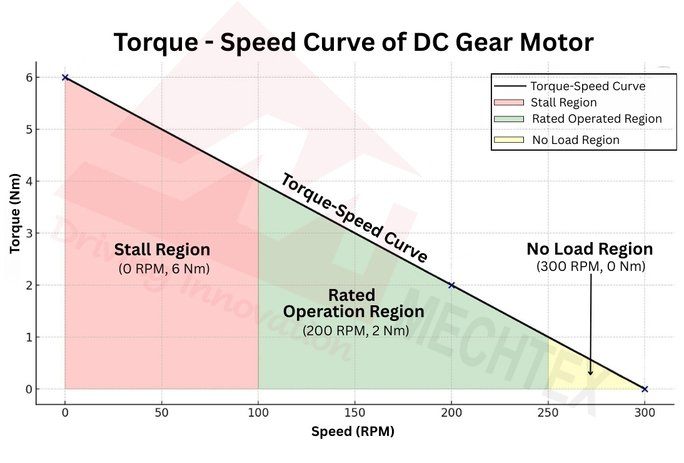
Torque Density in Planetary Gear Motors
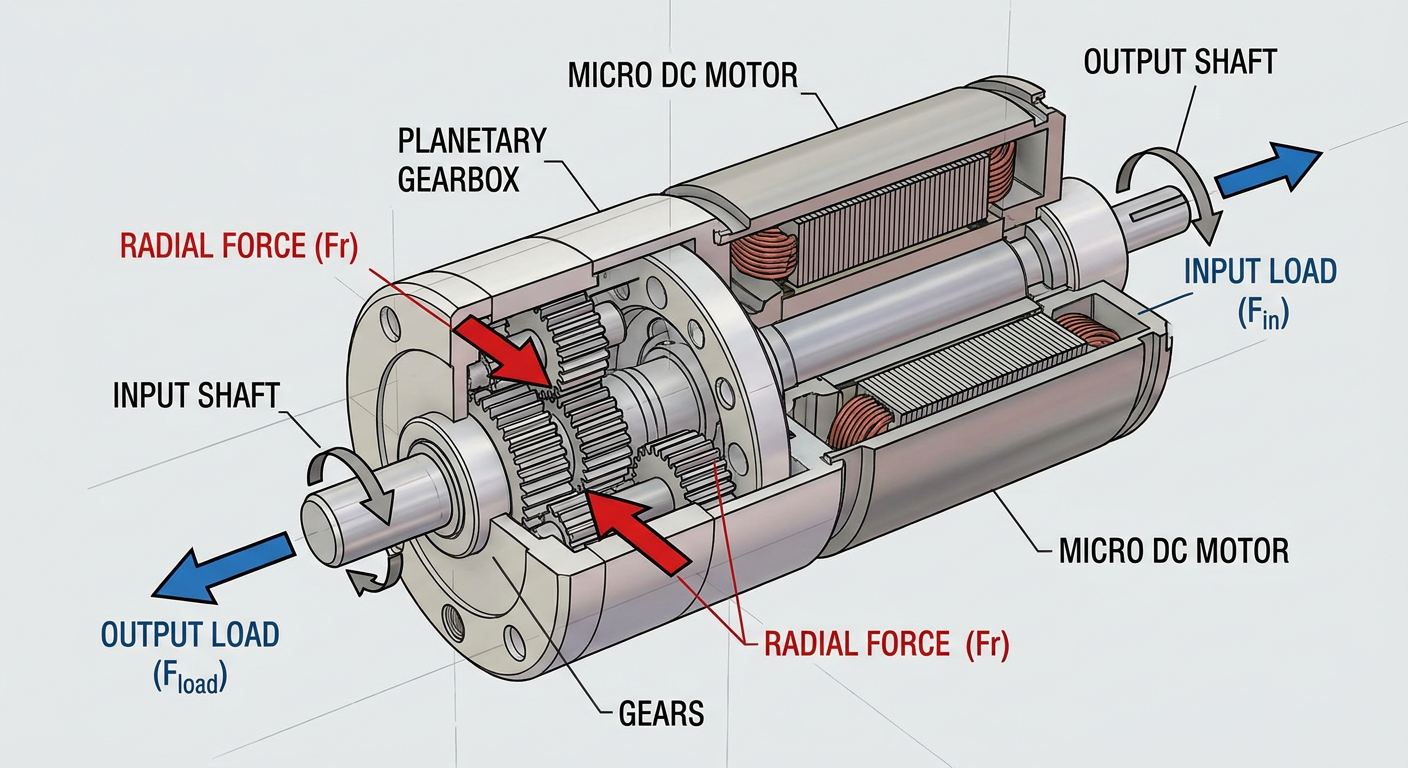
Torque density stands as a critical factor when selecting planetary gear motors for demanding applications. This metric describes the amount of torque a motor can deliver relative to its size or weight. High torque density allows engineers to achieve powerful performance in a compact package. Planetary gear motors excel in this area because their design distributes the load across multiple planet gears. This arrangement increases the total torque output without requiring a larger motor.
Several advantages come from high torque density in planetary gear motors:
These motors deliver strong torque in small spaces, which benefits robotics, medical devices, and other applications where space is limited.
The load sharing among planet gears boosts torque capability and overall torque density.
Even mass distribution within the motor increases stability and rotational stiffness, reducing unwanted movement and minimizing stress on gear teeth.
Multiple contact points between gears help share the load, improve power transmission, and reduce wear, which extends the motor’s lifespan.
INEED planetary gear motors use advanced engineering to maximize torque density, making them ideal for industries that demand both power and compactness.
Application Insights for Buyers
Buyers can use torque density data to optimize their selection of planetary gear motors for specific needs. Torque density indicates how much power a motor provides for its size or weight. A higher torque density means the motor can lift heavier loads or move faster while keeping the device lightweight.
For example:
In robotic arms, higher torque density improves lifting capacity, especially when the arm must reach far from its base.
In portable medical equipment, high torque density allows for smaller, lighter devices without sacrificing performance.
In industrial automation, motors with high torque density enable compact machines that still deliver strong output.
By focusing on torque density, buyers ensure their chosen planetary gear motor meets both performance and space requirements. INEED’s product range offers solutions that balance these factors, supporting efficient and reliable operation in a variety of fields.
Engineers achieve accurate planetary gear motor comparisons by normalizing torque, backlash, and efficiency specifications. They review all specifications, convert units, and align test conditions. Standardization of specifications leads to better decisions and reduces risk. INEED provides clear specifications and supports buyers with reliable data. Consistent specifications help engineers select the right motor for each application. They should always request detailed specifications from suppliers. This process ensures that all specifications match real-world needs.
For every project, use these steps to compare planetary gear motor specifications with confidence.
FAQ
What makes planetary gear motors ideal for applications requiring high precision?
Planetary gear motors deliver high precision due to their unique design. Multiple planet gears distribute the load evenly. This arrangement reduces backlash and increases stability. Engineers rely on these motors for tasks demanding accurate positioning and consistent gearbox performance.
How does torque multiplication benefit a power transmission system?
Torque multiplication allows a power transmission system to handle heavier loads without increasing motor size. The planetary arrangement achieves this by maximizing precision and efficiency. This feature supports reliable operation in robotics, medical devices, and industrial machinery.
Why is quality control important for planetary gear motor reliability?
Quality control ensures planetary gear motors meet strict technical specifications. Rigorous testing verifies precision and reliability. Manufacturers like INEED implement comprehensive inspection processes. These steps guarantee consistent gearbox performance and long-term durability.
What technical specifications should buyers review when selecting an epicyclic gearbox?
Buyers should examine torque ratings, efficiency, backlash, and gear ratio. Reviewing technical specifications helps engineers assess precision and reliability. Comparing these factors ensures the epicyclic gearbox matches application requirements and delivers optimal performance.
How does precision impact the reliability of planetary gear motors?
Precision directly affects reliability. Accurate gear alignment and minimal backlash reduce wear and extend lifespan. Engineers select planetary gear motors with high precision to maintain consistent gearbox performance and avoid unexpected failures.