You can verify the lifetime of a micro planetary gear motor in your own lab with the right tools and preparation. In-house testing gives you more accurate results than relying only on supplier data. INEED’s strong focus on product quality and advanced testing methods helps you achieve reliable outcomes. With careful planning, you gain confidence in your results and make better decisions for your projects.
Key Takeaways
Review gear motor specifications before testing. Focus on torque, speed, voltage, and efficiency to ensure proper setup.
Maintain a controlled test environment. Monitor temperature and humidity to prevent damage and ensure accurate results.
Use consistent testing conditions for all gear motors. This helps you compare results and make informed decisions.
Document every test result and anomaly. Accurate records support better analysis and improve future motor selection.
Perform regular maintenance and inspections. This proactive approach helps catch issues early and extends motor life.
Preparing for Micro Planetary Gear Motor Testing
Reviewing INEED Gear Motor Specifications
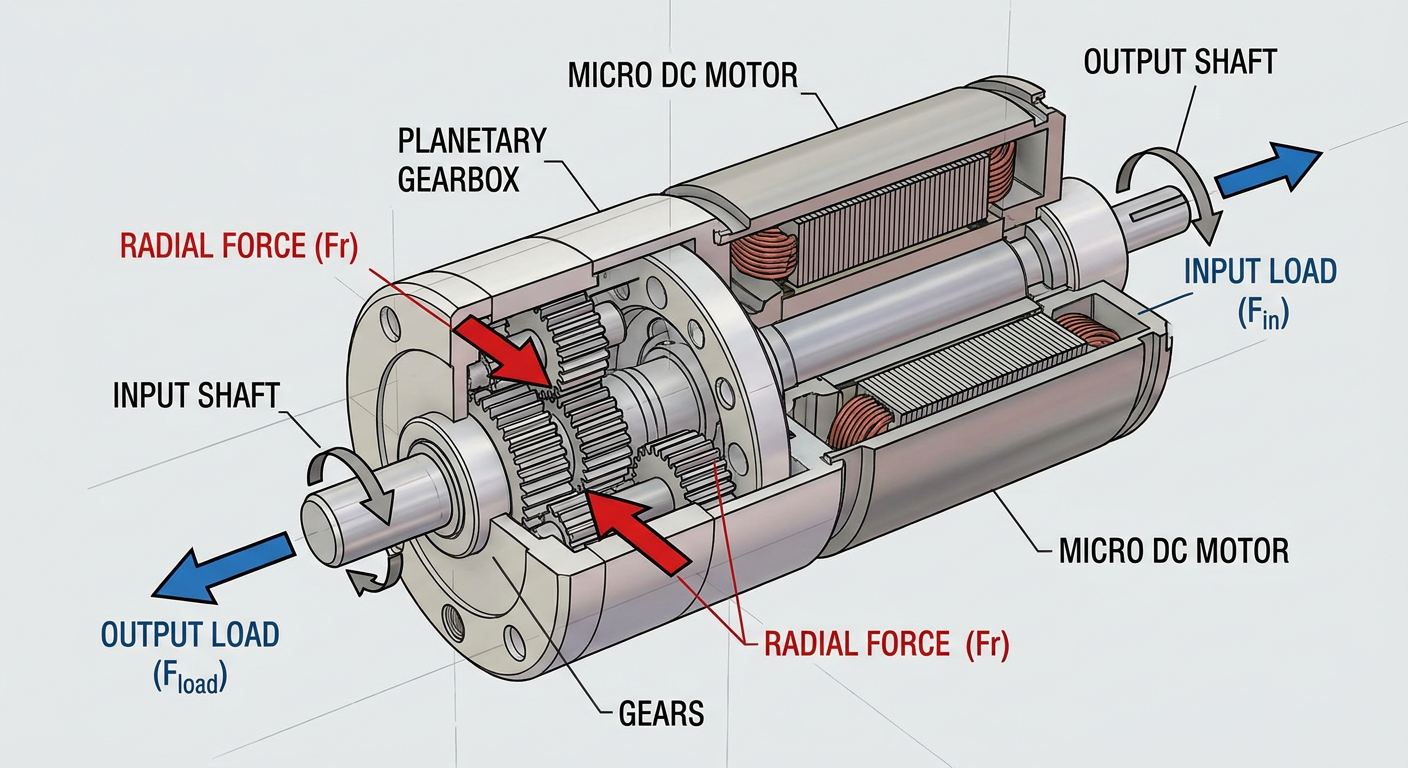
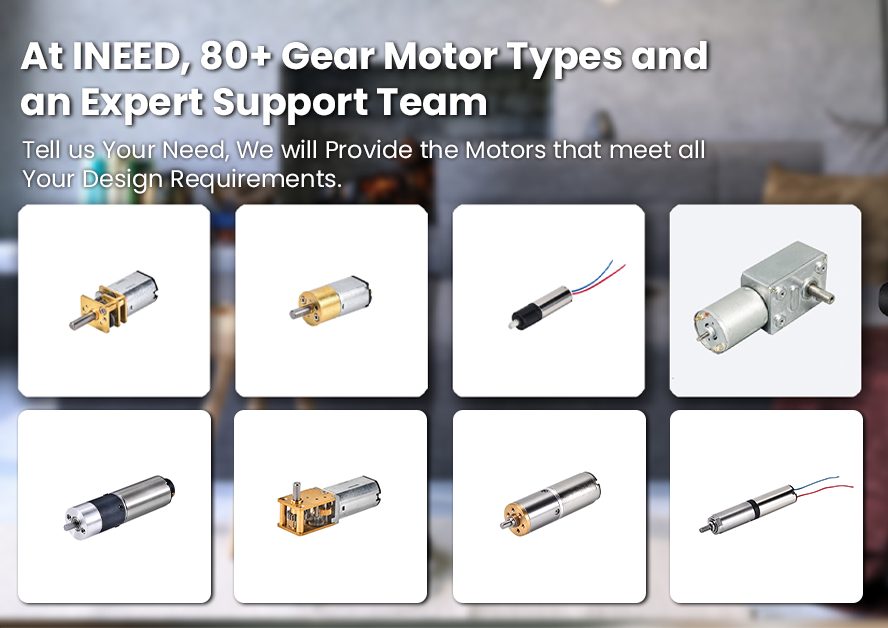
Start your testing process by reviewing the specifications of the gear motor you plan to test. INEED offers a wide range of micro planetary gear motor options, including planetary right angle dc gear motors and various planetary gearboxes. You should check the following key specifications:
Specification | Description |
|---|---|
Torque | Measures the force the motor can apply to move or lift a load. |
Speed | Indicates how fast the motor can spin. |
Voltage | The electrical potential required for operation. |
Power | The rate at which the motor can perform work. |
Efficiency | How effectively the motor converts electrical energy into mechanical energy. |
Size | Physical dimensions of the motor, affecting installation and application. |
You should also perform an initial health check. Inspect the gear motor for any visible damage. Test the basic operation at the recommended voltage. This step helps you confirm that the motor is in good condition before starting the lifetime test.
Setting Up the Test Environment
A controlled environment ensures accurate and repeatable results. You need to monitor temperature, humidity, and cleanliness. High temperatures can reduce torque and increase power losses. Humidity can cause insulation damage or rust. Dust and debris may lead to internal wear. Use the table below to understand the impact of each factor:
Environmental Factor | Impact on Gear Motor |
|---|---|
High Humidity | Insulation damage, rust |
High Temperature | Faster insulation breakdown |
Low Temperature | Brittle components |
Dust/Debris | Internal corrosion, wear |
Set up your test area with proper ventilation and dust protection. Use reliable power supplies and measurement tools. For planetary right angle dc gear motors, make sure the mounting is secure and the load matches your application.
Defining Lifetime Test Criteria
You need clear objectives for your lifetime test. Decide what “end of life” means for your gear motor. Common criteria include a drop in torque, a change in speed, or increased noise. Set thresholds based on your application needs and INEED’s datasheet values. For example, you might define failure as a 20% drop in torque or a 10% decrease in speed.
Tip: Use a checklist to track test steps and results. This helps you stay organized and ensures you do not miss important details.
Select the right instrumentation. You will need a power supply, a tachometer for speed, a torque sensor, and a data logger. For planetary gearboxes, you may also need tools to measure backlash and efficiency. Plan your test cycles and document each step. This approach gives you reliable data for comparing different gear motor models.
Lifetime Test Setup and Execution
Accelerated Life Testing Methods
You can set up lifetime testing for your micro planetary gear motor by following industry best practices. INEED’s testing processes use advanced calibration jigs and precise measurement tools. Begin by removing any attached components that might interfere with the test. This ensures you measure only the gear motor’s performance.
Accelerated life testing helps you simulate years of operation in a shorter time. You run the gear motor continuously under controlled loads and conditions. This method reveals how the motor responds to stress and wear. You can use higher loads or faster cycles to speed up the aging process. Make sure you set clear thresholds for torque, speed, and noise. For example, you might decide that a 20% drop in torque signals the end of life.
Tip: Use a calibration jig to keep the load consistent. This improves the accuracy of your results.
Accelerated testing saves time and reduces costs. You can quickly compare different gear motor models and identify the most reliable option for your application. INEED’s approach aligns with industry standards, ensuring you get trustworthy data.
Monitoring Gear Motor Performance
During the test, you need to monitor several parameters to track the gear motor’s health. Temperature is a key factor. If the motor operates at low temperatures, power losses can increase by up to 300%. You should watch for changes in torque, speed, and noise. These shifts can signal wear or damage.
You can use the following tools to monitor performance:
Tachometer for measuring speed
Torque sensor for tracking force output
Thermocouple for temperature readings
Vibration sensor for detecting abnormal movement
Data logger for recording all measurements
Set up your instruments to collect data at regular intervals. You should check for sudden drops in efficiency or spikes in temperature. If you notice unusual vibration, inspect the gear motor for possible faults. Monitoring these parameters helps you catch problems early and ensures accurate lifetime assessment.
Recording Test Data
Accurate data collection is essential for evaluating the micro planetary gear motor’s lifetime. You should record every measurement, including torque, speed, temperature, and efficiency. Use a data logger to automate this process and reduce human error.
Create a table to organize your results:
Test Cycle | Torque (g.cm) | Speed (rpm) | Temperature (°C) | Efficiency (%) | Noise (dB) |
|---|---|---|---|---|---|
1 | 50 | 2000 | 25 | 85 | 40 |
2 | 48 | 1980 | 27 | 83 | 41 |
… | … | … | … | … | … |
You should set thresholds for each parameter. For example, if efficiency drops below 80%, you may consider the gear motor near the end of its useful life. Document every anomaly or unexpected result. This record helps you analyze trends and make informed decisions.
Note: Consistent data recording improves the reliability of your test results and supports better motor selection.
You can use INEED’s testing templates and procedures to streamline your process. These tools help you maintain high standards and ensure your results match industry expectations. By following these steps, you gain valuable insights into the performance and durability of your gear motor.
Maintenance and Monitoring During Testing
Regular Inspection and Lubrication
You need to keep your gear motor in top condition during lifetime testing. INEED recommends a proactive approach to maintenance, which helps you catch problems early and avoid unexpected failures. Regular inspection and lubrication are essential steps. You should:
Inspect the gear motor for signs of wear or damage.
Lubricate moving parts to ensure smooth operation.
Check for unusual noises or overheating.
Keep the test area clean to prevent dust and debris from entering the motor.
The frequency of these tasks depends on how you use the gear motor. Use the table below to guide your schedule:
Frequency | Conditions |
|---|---|
Daily | For motors operating over 12 hours/day; check cleanliness, fasteners, and sounds. |
Weekly | For harsh environments or high loads; inspect bearings, brushes, and commutators. |
Monthly | General usage; check insulation resistance, lubrication, and cable insulation. |
Quarterly | Comprehensive performance tests; check power, speed, and cooling system. |
Annual Overhaul | Complete internal cleaning, component replacement, and parameter recalibration. |
Staying consistent with these checks helps you prevent issues like overheating and keeps your gear motor running efficiently.
Identifying Failure Modes
You should learn to recognize common failure modes during testing. This knowledge helps you with troubleshooting an overheating motor and other issues before they cause major problems. The table below lists typical failure modes you might encounter:
Description | Impact on Performance | |
|---|---|---|
Cracks in gear teeth | Can lead to sudden failures and affect load sharing. | Changes how the gears share force. |
Maintenance issues | Poor maintenance practices can exacerbate failures. | Increases likelihood of gear damage. |
Material quality | Low-quality materials can lead to premature wear and failure. | Reduces overall durability of the motor. |
If you notice any of these signs, stop the test and investigate further. Early detection helps you avoid costly downtime.
Documenting Anomalies
You must document every anomaly you observe during testing. This includes changes in noise, speed, torque, or temperature. Recording these details helps you track patterns and identify root causes. Use a logbook or digital spreadsheet to note:
Date and time of the event
Description of the anomaly
Actions taken
Results after intervention
Tip: Consistent documentation supports better analysis and helps you improve future gear motor tests.
By following INEED’s approach to ongoing quality control, you ensure accurate results and extend the life of your gear motor. Regular maintenance, careful monitoring, and thorough documentation form the foundation of reliable lifetime testing.
Data Analysis and Motor Selection Insights
Interpreting Wear and Performance Data
After you finish your lifetime test, you need to analyze the data you collected. Start by looking for patterns in torque, speed, and temperature. These patterns help you spot early signs of gear motor degradation. You can use a table to organize the main indicators:
Indicator | Description |
|---|---|
Gear Wear and Material Fatigue | Tooth edge rounding, micro-cracks, and heat deformation can cause torque drop and gear skipping. |
Torque Drop Under Battery Voltage Decay | Lower voltage leads to less torque and speed, which may cause incomplete movement and more wear. |
Brushed Motor Carbon Erosion | Worn carbon brushes reduce efficiency and make torque output unstable. |
Gearbox Backlash Accumulation | Axial play and uneven load sharing can make torque unstable. |
Lubrication Failure Under Temperature Cycles | Changes in temperature can break down lubricant, leading to faster wear. |
You should compare these indicators with your test results. If you see a steady drop in torque or a rise in noise, you may have found the start of a problem.
Comparing Results to INEED Supplier Claims
Next, compare your test data to the values in INEED’s datasheets. Check if your gear motor meets or exceeds the expected lifetime, torque, and speed. If your results match the supplier’s claims, you can trust the motor’s reliability. If you find differences, look for reasons such as test conditions or load settings. This step helps you validate the quality of your gear motor and gives you confidence in your findings.
Tip: Use case studies from INEED to see how other users performed similar tests. These examples can help you understand what to expect and how to solve common issues.
Applying Findings to Future Motor Selection
Use your analysis to guide future motor selection. If a gear motor performs well in your test, you can choose it for similar projects. If you find weak points, you can adjust your requirements or try a different model. Reviewing case studies and your own results helps you make better choices for your application. This process ensures you pick the right gear motor for each task and avoid costly mistakes.
Note: Careful data analysis leads to smarter motor selection and better long-term performance.
Best Practices for Gear Motor Lifetime Verification
Ensuring Consistent Test Conditions
You should keep your test conditions the same for every gear motor you evaluate. This helps you compare results and make the right selection for your project. Use the same load, voltage, and temperature for each test. Record every setting in a logbook. If you change any condition, note it right away. Consistency gives you reliable data and helps you spot real differences between motors. When you follow the same process each time, you can trust your selection results.
Tip: Use a checklist for each test run. This keeps your process organized and repeatable.
Avoiding Overload and Material Issues
You can prevent overload and material problems by following a few simple steps. These actions protect your gear motor and improve your selection process:
Keep the test area clean to stop dust and debris from entering the gearbox.
Use the right lubricant and never mix different types.
Watch temperature, noise, and vibration during every test cycle.
Inspect the gear motor often and replace worn parts as soon as you find them.
Repair any issues quickly to avoid bigger problems and reduce downtime.
When you take these steps, you help your gear motor last longer. You also make your selection more accurate because you avoid false failures.
Tips for Reliable Reporting
Accurate reporting is key for good selection decisions. Write down every test result, even if it looks normal. Use tables to organize your data. Include the date, test cycle, and any changes you see. If you find an anomaly, describe it in detail. Share your findings with your team so everyone can learn from your tests.
Reporting Step | Why It Matters |
|---|---|
Record all data | Supports clear selection |
Note anomalies | Helps spot early problems |
Share results | Improves team knowledge |
When you follow these best practices, you support INEED’s commitment to quality and customization. You also make your selection process stronger and more reliable. Systematic testing and careful reporting help you choose the best gear motor for your needs every time.
You can verify micro planetary gear motor lifetime in your lab by following a clear process. Regular checks, careful material selection, routine maintenance, and smart load management all help you get reliable results:
Check motor parameters before and during testing.
Use quality materials for longer life.
Service motors regularly.
Avoid overloading.
INEED supports you with efficient gearboxes and strong product quality:
Metric | Description |
|---|---|
Gearbox Efficiency | Efficient gearboxes minimize energy losses, enhancing performance and prolonging motor life. |
Energy Conversion | 12V DC motors convert a higher percentage of electrical energy into mechanical energy than AC motors. |
Operational Costs | Higher efficiency motors may have a higher upfront cost but lead to significant long-term savings. |
Apply these best practices to gain confidence in your motor choices and ensure long-term device performance.
FAQ
How long does a typical micro planetary gear motor last in testing?
You can expect a quality micro planetary gear motor from INEED to last thousands of hours under normal conditions. Actual lifetime depends on load, speed, and maintenance. Always check your test results against INEED’s datasheet for accurate comparison.
What tools do I need for lifetime testing?
You need a power supply, tachometer, torque sensor, thermometer, and a data logger. These tools help you measure speed, torque, temperature, and efficiency during your test cycles.
Can I use accelerated testing for all gear motors?
Accelerated testing works for most micro planetary gear motors. You should always match the test method to your application. For sensitive devices, use standard loads and cycles to avoid unrealistic wear.
How do I know when my gear motor reaches end of life?
Watch for a drop in torque, slower speed, or increased noise. If you see a 20% decrease in torque or a 10% drop in speed, your gear motor may have reached its end of life.
Where can I find more support for INEED gear motor testing?
Visit INEED’s official website for technical guides, datasheets, and customer support. You can also request free samples or contact the engineering team for advice.