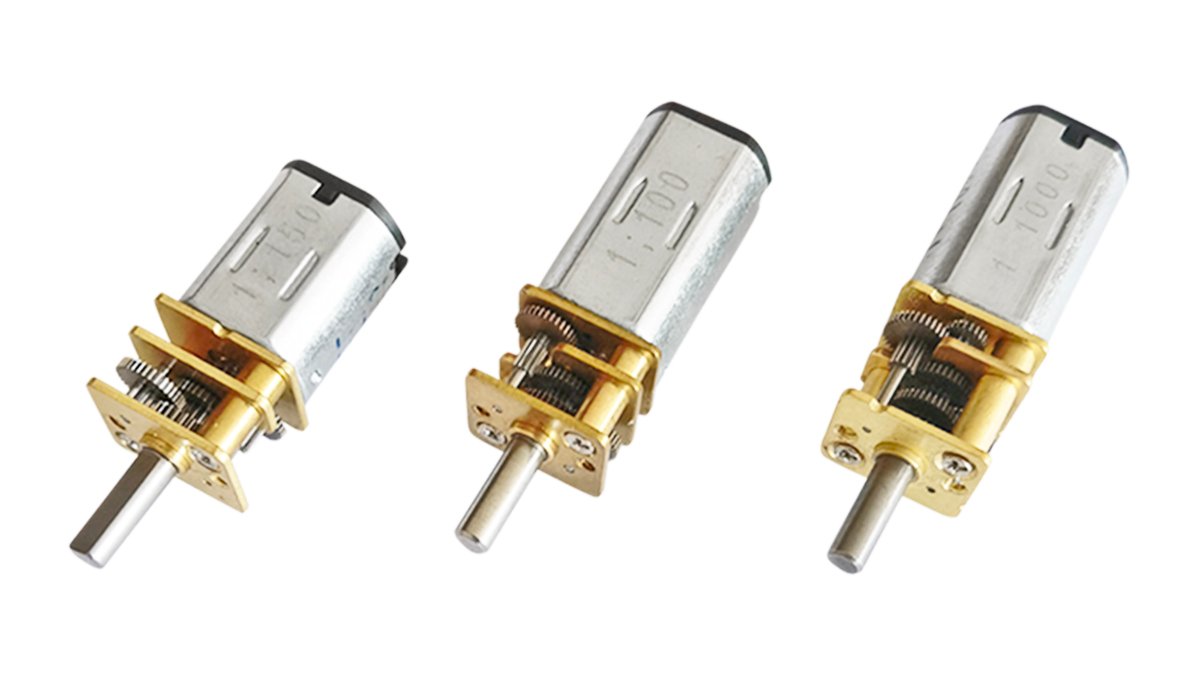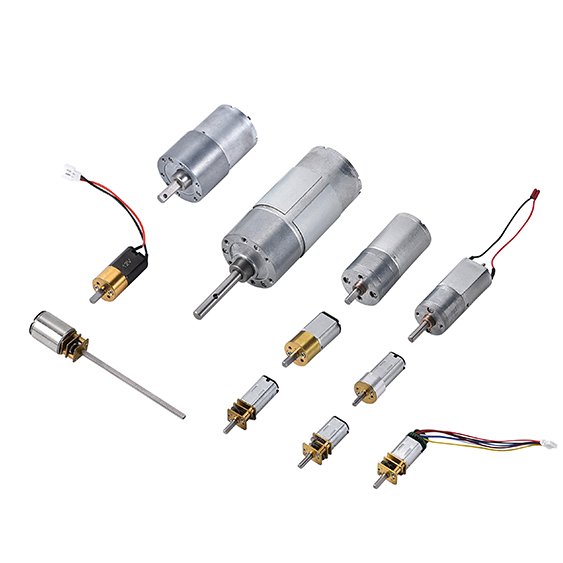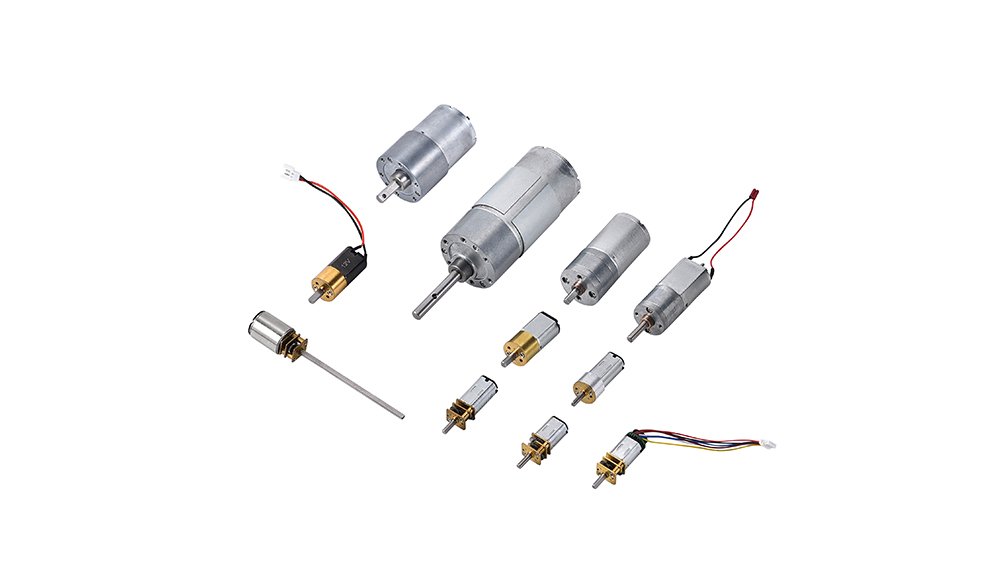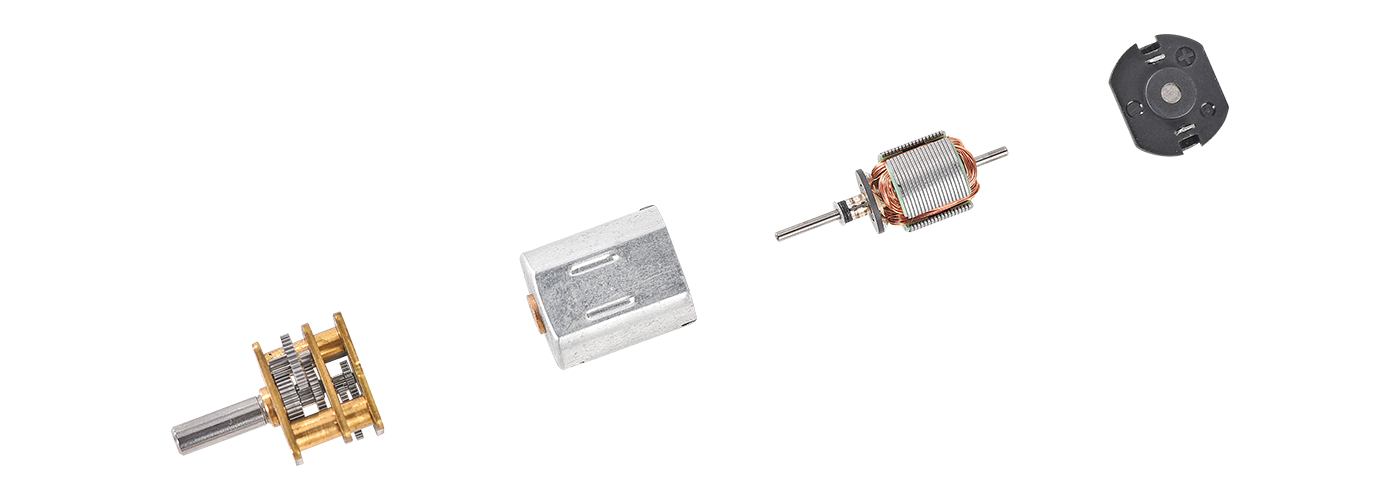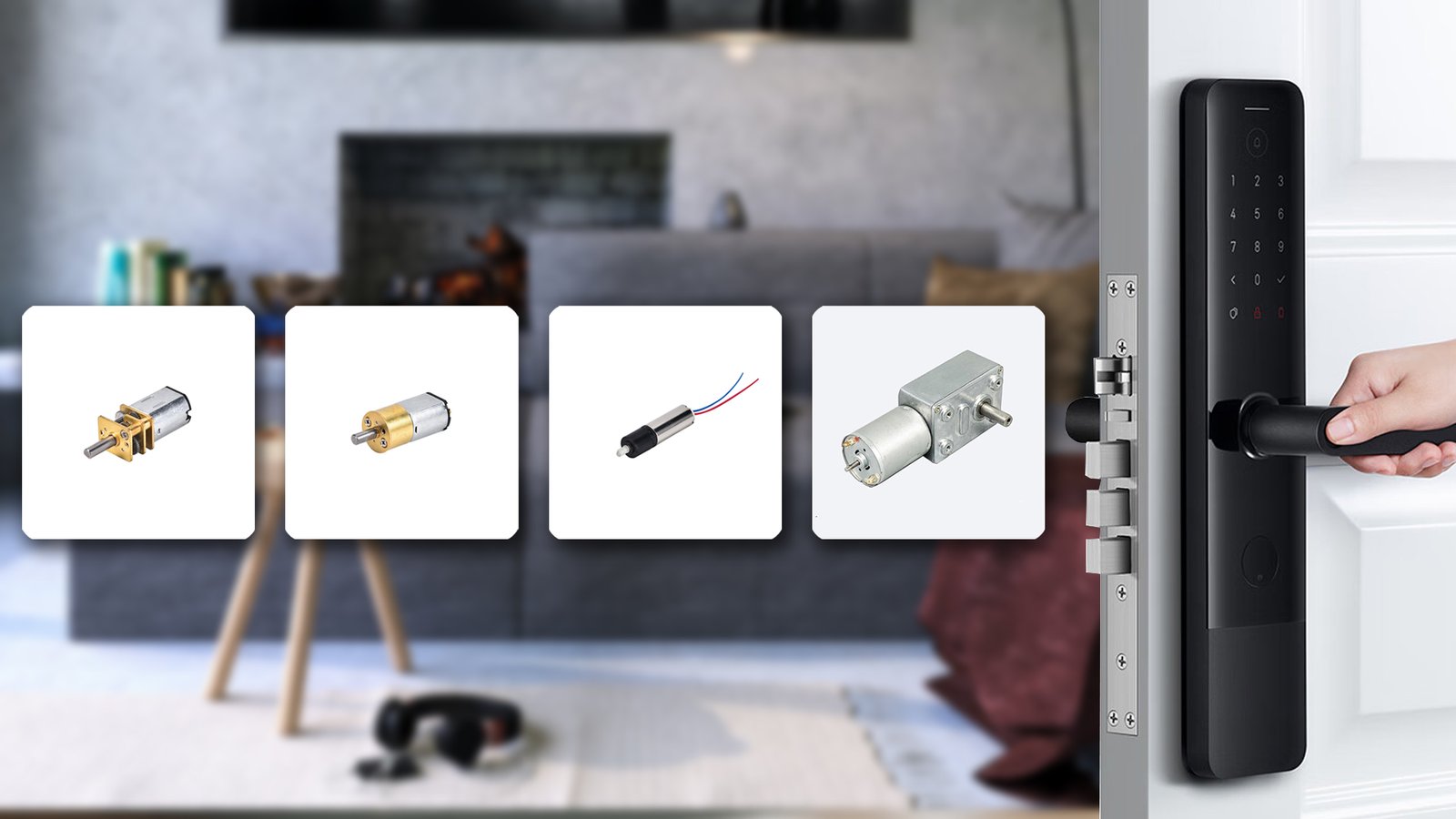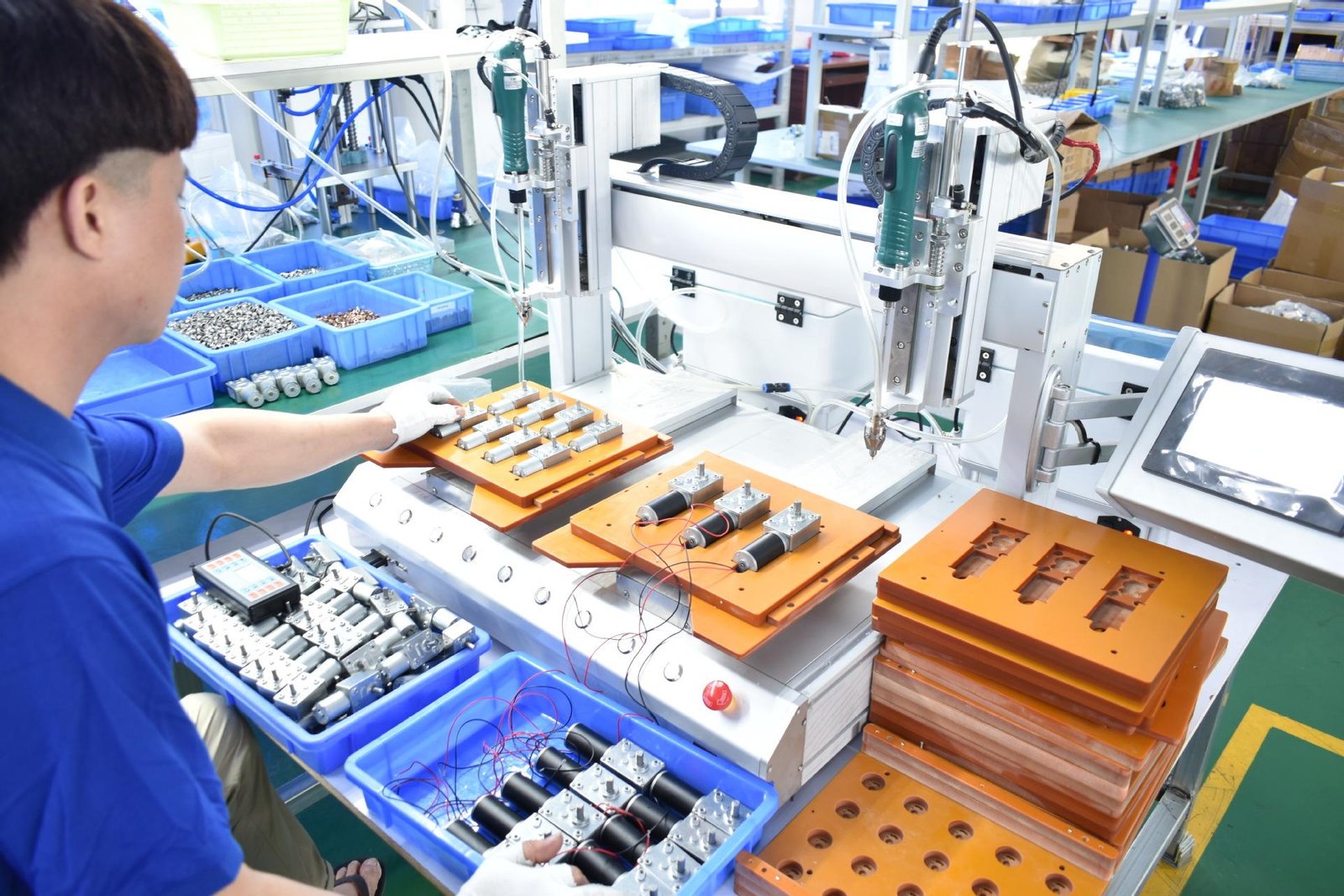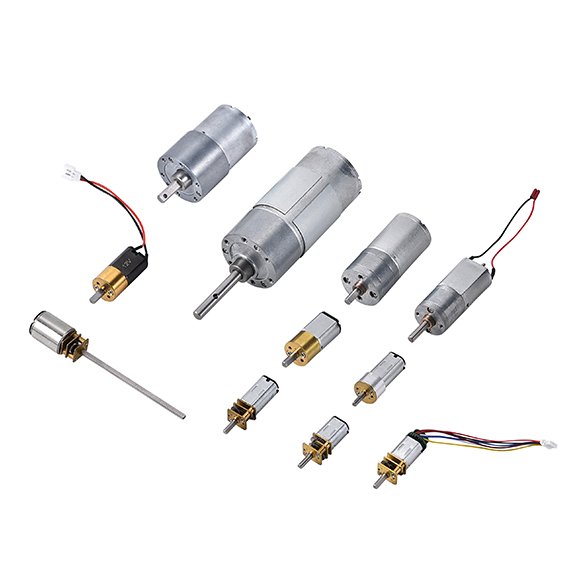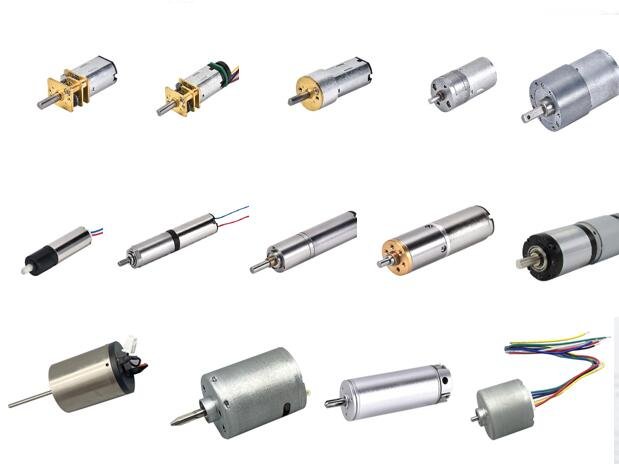
Imagine you need to choose between motors for your next project. You see spur, planetary, and worm motors on the market. You ask yourself, “How do I choose between motors that seem so similar?” You want gear motors that fit your needs. You need to choose between motors based on torque, efficiency, size, cost, and maintenance. You know the right motor can make your design work perfectly. You must choose between motors that offer unique strengths.
Key Takeaways
Understand your torque needs. Choose spur gear motors for light loads, planetary gear motors for high torque, and worm gear motors for self-locking safety.
Prioritize efficiency. Planetary gear motors offer the best efficiency for heavy loads, while spur gear motors excel at high speeds for lighter tasks.
Consider size constraints. Planetary and worm gear motors are compact and fit into tight spaces, making them ideal for limited installations.
Evaluate costs carefully. Spur gear motors are the most affordable, planetary gear motors provide long-term value, and worm gear motors balance price with unique features.
Plan for maintenance. Spur gear motors require the least upkeep, while planetary and worm gear motors need regular checks to ensure optimal performance.
1. Torque Requirements for Gear Motors
Choosing the right gear motors starts with understanding your torque needs. Torque is the force that helps your motors turn loads. Each type of gear motor—spur, planetary, and worm—handles torque in a unique way. Let’s break down how each one performs.
Spur Gear Motors and Torque
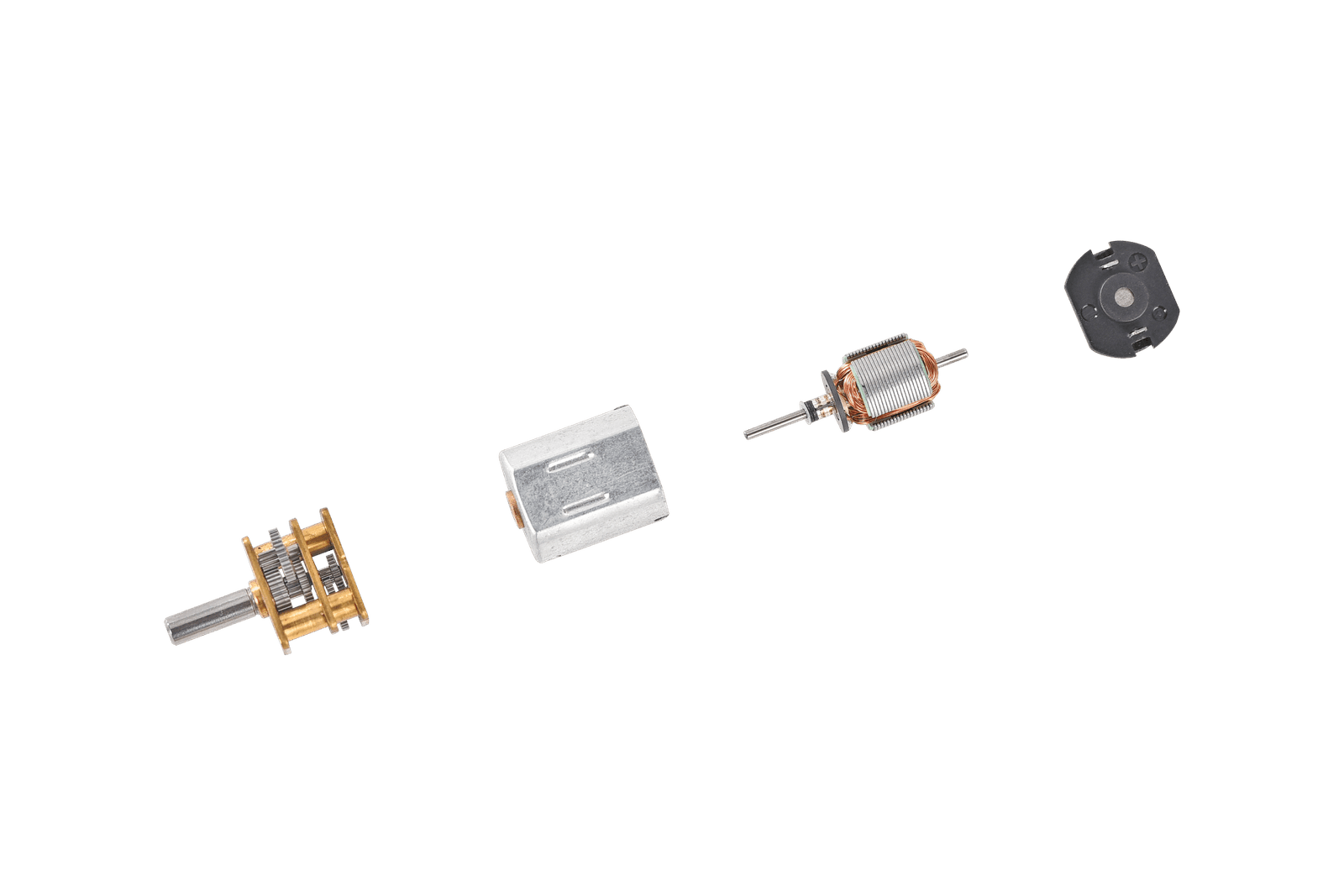
Spur gear motors use straight teeth and a simple design. You get reliable performance for light to medium loads. Spur gear motors work best when you need steady torque at moderate speeds. The spur gear setup gives you a direct transfer of power, but it does not handle high torque as well as other types. If your project needs a basic gear ratio and you do not expect heavy loads, spur gear motors offer a cost-effective solution.
Planetary Gear Motors and High Torque

Planetary gear motors shine when you need high torque. The planetary design uses a sun gear in the center, planet gears around it, and an outer ring gear. This setup spreads the load across multiple gears. You get efficient power transfer and a higher gear ratio. Planetary gear motors can handle much higher torque than spur gear motors. You often see planetary gear motors in robots and automation equipment where high torque is crucial. Some industrial planetary gear motors reach torque ratings up to 5,200 kNm, making them ideal for demanding jobs.
Worm Gear Motors and Self-Locking Torque
Worm gear motors offer a unique advantage. The worm gear design uses a steel worm and a bronze worm wheel. This creates a self-locking feature. When you stop the motor, the gear holds its position and prevents back drive. You get steady torque and extra safety for applications like lifts or gates. Worm gear motors also provide a high gear ratio in a compact space, but they do not match planetary gear motors for high torque output.
Tip: If you need high torque for heavy-duty tasks, choose planetary gear motors. For simple, steady torque, spur gear motors work well. If you need self-locking for safety, worm gear motors are your best bet.
2. Efficiency When You Choose Between Motors
When you compare gear motors, efficiency plays a big role. Efficiency tells you how much input energy turns into useful work. If you want to save energy or reduce heat, you need to look at how each type of gear motor performs.
Spur Gear Motors Efficiency
Spur gear motors give you good efficiency, especially at high speeds and low loads. The simple design means less friction between the gears. You get more power out for every bit of energy you put in. If your project needs fast movement and does not require heavy lifting, spur gear motors can help you save energy. Many conveyor belts and fans use spur gear motors for this reason.
Planetary Gear Motors Efficiency
Planetary gear motors stand out for their peak efficiency. The unique planetary gear setup spreads the load across several gears. This design reduces energy loss and keeps the system running smoothly. You get high efficiency even when you need to move heavy loads. If your application demands both power and energy savings, planetary gear motors are a smart choice. You often see these motors in robotics and electric vehicles.
Worm Gear Motors Efficiency
Worm gear motors have lower efficiency compared to the other types. The sliding action between the worm and the wheel creates more friction. This means more energy turns into heat instead of useful work. If you need self-locking ability or compact size, you might accept lower efficiency. However, for tasks where energy savings matter most, worm gear motors may not be the best fit.
Tip: If efficiency is your top priority, choose planetary gear motors for heavy-duty jobs or spur gear motors for lighter, high-speed tasks. Use worm gear motors only when you need their unique self-locking feature.
3. Size Constraints of Gear Motors
When you select gear motors, you must consider the available space in your project. The physical design of each type affects how easily you can install them. Some motors fit into tight spots, while others need more room. Let’s look at how spur, planetary, and worm gear motors compare when space is limited.
Spur Gear Motors Design
Spur gear motors use a straightforward design with gears arranged in a line. You often see these motors in applications where space is not a big concern. The simple layout makes them easy to mount, but they can take up more width compared to other types. If you have plenty of room and want a basic setup, spur gear motors work well. However, they may not be the best choice for cramped spaces.
Planetary Gear Motors Space-Saving
Planetary gear motors stand out for their compact and efficient design. The gears in these motors rotate around a central sun gear, which allows for a longer and narrower build. This unique structure lets you fit high-torque gear motors into tight spaces. Many industrial applications use planetary gear motors because they save space and offer flexible gear ratios. For example, the XP series planetary gear units provide high torque in a compact form. Some designs, like the Uni Wheel, connect directly to the drive motor and eliminate extra joints, which expands interior space.
Feature | Planetary Gear Motors Benefit |
|---|---|
Gear arrangement | Compact, two or three-stage design |
Direct connection to drive | Saves space, no extra joints needed |
Flexible gear ratios | Customizable for your application |
High torque in small package | Ideal for limited installation space |
Worm Gear Motors Compactness
Worm gear motors offer a compact solution for many projects. The worm sits at a right angle to the gear, which allows the motor to fit into small or awkward spaces. You often use worm gear motors when you need to save space and still get reliable performance. The worm gear design also helps you mount the motor in different positions, making it easier to fit into your equipment. If you need a motor that can squeeze into a tight spot, worm gear motors give you that flexibility.
Scenario: Imagine you need to install gear motors inside a small enclosure. You want to maximize every inch. Planetary gear motors and worm gear motors both help you save space, but worm gear motors give you even more mounting options. Spur gear motors may not fit as easily in this situation.
4. Cost of Spur, Planetary, and Worm Gear Motors
When you choose gear motors, cost often plays a big role. You want to balance your budget with the performance you need. Each type of gear motor comes with its own price range and long-term value.
Spur Gear Motors Cost
Spur gear motors usually offer the lowest initial cost. The simple design and easy manufacturing process keep prices down. You can use spur gear motors for basic applications where you do not need advanced features. If you want to keep your project affordable, spur gear motors give you a strong value for simple setups. You also spend less on repairs because the parts are easy to find and replace.
Planetary Gear Motors Price
Planetary gear motors cost more up front. The advanced design and higher torque capacity raise the price. You pay extra for the precision and durability these motors provide. If your project needs high performance and long life, planetary gear motors can save you money over time. You may spend less on replacements and downtime because these gear motors last longer under heavy loads.
Worm Gear Motors Affordability
Worm gear motors fall in the middle for cost. You pay a moderate price for their compact size and self-locking feature. These gear motors work well when you need safety and flexibility. You might spend a bit more on maintenance because the worm and wheel can wear out faster than other types.
Real-World Example:
Imagine you need gear motors for a conveyor system. Spur gear motors cost the least and work for light loads. Planetary gear motors cost the most but handle heavy loads and last longer. Worm gear motors offer a balance between price and special features.
Gear Motor Type | Initial Cost | Long-Term Value | Best For |
|---|---|---|---|
Spur | Low | Moderate | Simple, low-load tasks |
Planetary | High | High | Heavy-duty, long-term |
Worm | Medium | Medium | Compact, self-locking |
You should always compare both the upfront price and the long-term value when you select gear motors for your project.
5. Maintenance Needs for Gear Motors
When you choose a gear motor, you must think about how much time and effort you will spend on maintenance. Each type of gear motor has different needs. You want to keep your equipment running smoothly and avoid unexpected breakdowns. Let’s look at what you can expect for each type.
Spur Gear Motors Maintenance
Spur gear motors have a simple design. You will find them easy to maintain. The straight gears mean fewer moving parts and less chance of failure. You can often inspect and lubricate these motors without special tools. Most users only need to check for wear and keep the gears clean. You will not spend much time on repairs. If you work in a clean environment, spur gear motors can last a long time with basic care.
Key Maintenance Tasks for Spur Gear Motors:
Inspect gears for wear or damage
Lubricate gears as needed
Clean dust and debris from housing
Tip: Use spur gear motors in environments where you want low maintenance and quick repairs.
Planetary Gear Motors Upkeep
Planetary gear motors have a more complex setup. You get high performance, but you must pay attention to regular upkeep. The multiple gears inside the housing need proper lubrication. You should check for even wear on all gears. If you use these motors in dusty or wet places, you may need to service them more often. Some planetary gear motors have sealed housings, which help keep out dirt and reduce maintenance.
Checklist for Planetary Gear Motor Maintenance:
Monitor lubricant levels
Inspect for gear misalignment
Check seals for leaks
Worm Gear Motors Servicing
Worm gear motors stand out for their self-locking feature. You get reliable holding power, but the sliding action between the worm and wheel causes more wear. You should check the lubricant often and replace it when it looks dirty. The bronze worm wheel can wear faster than steel gears. If you use worm gear motors in hot or dirty environments, you may need to service them more frequently.
Gear Motor Type | Maintenance Frequency | Complexity | Best Environment |
|---|---|---|---|
Spur | Low | Simple | Clean, dry |
Planetary | Medium | Moderate | Sealed, controlled |
Worm | Medium-High | Moderate | Hot, dusty, or variable |
Note: Always match your gear motor choice to your environment. Clean areas need less maintenance. Harsh conditions require more frequent checks and servicing.
You have learned how torque, efficiency, size, cost, and maintenance shape your choice of gear motor. Each type fits different needs. Use this table to match gear units to your project:
Gear Unit Type | Key Features | Application Suitability |
|---|---|---|
Planetary Gear | High torque, compact, flexible positioning | High-torque, flexible setups |
Spur Gear | Simple, low cost, easy maintenance | Basic, low-load tasks |
Worm Gear | Self-locking, compact, moderate cost | Space-saving, safety-focused applications |
Common uses for gearmotors include:
Driving conveyor lines
Lifting and lowering loads
Moving goods in different systems
Think about your application’s needs. Review these five factors before you decide. If you need help, talk to a gear motor expert.
FAQ
What is the main difference between spur, planetary, and worm gear motors?
You get different gear arrangements and performance. Spur gear motors use straight gears for simple tasks. Planetary gear motors handle high torque in compact spaces. Worm gear motors offer self-locking ability for safety.
When should you choose a planetary gear motor?
You should select planetary gear motors when you need high torque and space-saving design. These motors work well in robotics, automation, and heavy-duty equipment.
Are worm gear motors good for safety applications?
You can rely on worm gear motors for safety. The self-locking feature prevents back drive, which helps hold loads in place. Use them for lifts, gates, and other safety-focused systems.
How often do you need to maintain spur gear motors?
You need to check spur gear motors regularly for wear and keep them clean. Most spur gear motors require simple maintenance, such as lubrication and inspection.
Can you use spur gear motors in tight spaces?
You may find spur gear motors too wide for tight spaces. Planetary and worm gear motors fit better in small or awkward areas.