You want your electric actuator to perform smoothly and reliably. Choosing the right high torque miniature motor for electric actuator makes a big difference. When you match motor performance to your actuator’s needs, you boost system efficiency and reliability.
Electric seat adjustments need high torque for smooth movement.
Power window lifts require strong torque for quiet operation.
Cooling pumps in electric vehicles depend on consistent torque for reliable fluid flow.
Packaging machines and conveyor systems rely on dependable torque to avoid costly downtime.
Key Takeaways
Understand your application requirements. Define load, speed, and space constraints before selecting a motor.
Calculate the necessary torque and speed. Use formulas to ensure the motor meets your actuator’s demands.
Evaluate motor options carefully. Compare specifications like torque, efficiency, and size to find the best fit.
Test the motor in real-world conditions. Validate performance to ensure reliability and efficiency before finalizing your choice.
Consider customization options. INEED offers tailored solutions to meet specific actuator needs, enhancing performance.
Key Factors for High Torque Miniature Motor Selection
Selecting the right high torque miniature motor for your electric actuator involves understanding several technical criteria. Each factor plays a role in how well your actuator performs in real-world applications. The table below summarizes the most important criteria you should consider:
Criteria | Description |
|---|---|
Motor Accuracy | Achieve precise rotational positions and repeat motions consistently. |
Motor Efficiency | Maximize mechanical power output while minimizing electrical power input. |
Motor Footprint | Fit the motor into the available space without sacrificing performance. |
Motor Lifetime | Ensure the motor operates reliably over its expected lifespan. |
Motor Output Torque | Deliver the necessary force for both continuous and peak demands. |
Motor Speed | Match the speed of the motor shaft to your application’s needs. |
Torque and Load Requirements
You must start by defining the torque and load requirements for your actuator. Torque is the force that causes rotation. In electric actuators, the right torque ensures smooth and reliable movement. For example, a 6-inch ball valve in water treatment may need about 250 Nm of torque, while oil refinery valves can require up to 400 Nm. Some steam systems need actuators that handle thrust forces over 8,000 Newtons. HVAC systems usually need less, often under 3,000 Newtons.
You should also consider the motion profile. This includes how fast the actuator moves, how long it operates, and the distance it travels. Load calculations must include inertial load, friction load, external applied load, and gravitational load. These factors help you determine the exact torque your application needs. The duty cycle, or how often the actuator runs, affects system life and helps prevent overheating or early failure.
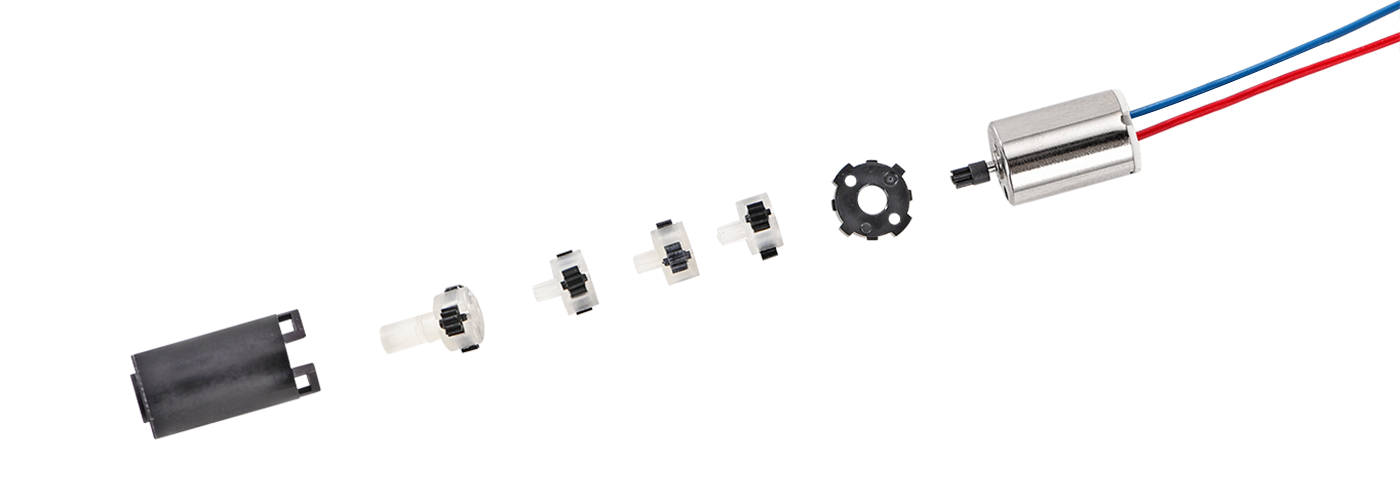
INEED’s micro motors and small gear motors are designed to deliver high torque in compact spaces. Their gear reduction systems boost torque output, making them ideal for demanding actuator applications.
Size and Space Constraints
Space is often limited in electric actuator designs. Many devices, such as medical equipment or portable electronics, require motors that fit into very small spaces. For example, a Size 6 linear actuator may only have 16mm of space available. You may face challenges fitting a motorized actuator into a tight spot, especially if you need to move a load with high accuracy.
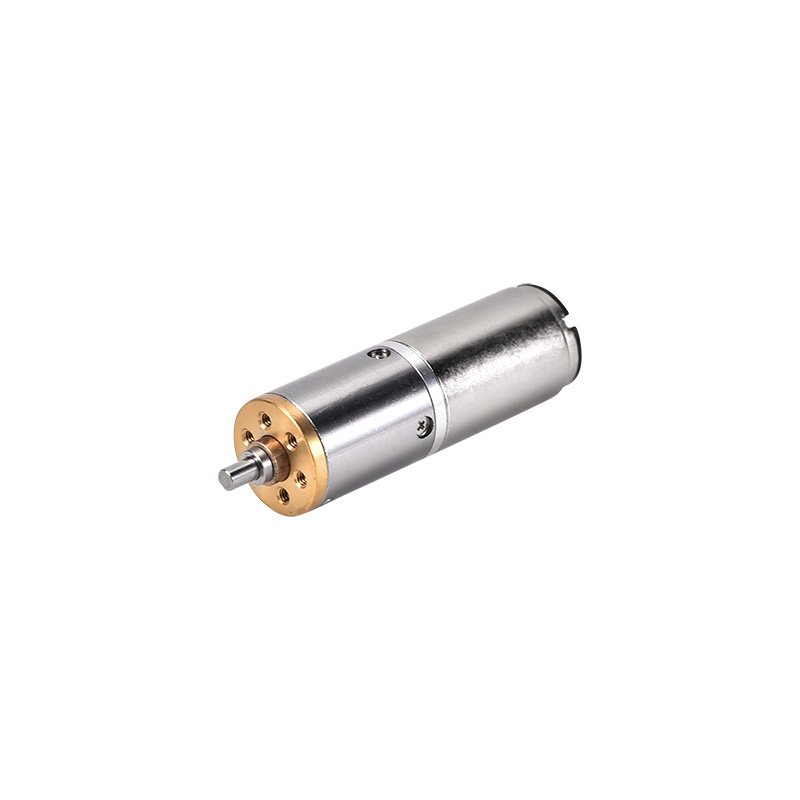
INEED’s micro motors and small gear motors address these constraints. Their compact designs allow you to maximize performance without increasing the device footprint. You can choose from a range of diameters, including ultra-small options like the 6mm planetary gear motor, to fit your specific space requirements.
Efficiency and Power Consumption
Efficiency measures how well a motor converts electrical energy into mechanical power. High efficiency means less energy wasted as heat, which is important for battery-powered or energy-sensitive devices. Efficient motors also run cooler and last longer.
INEED’s micro motors are engineered for low power consumption and high efficiency. This helps you extend battery life and reduce operational costs. When you select a motor, look for models that offer the best balance between torque output and energy use.
Precision and Control Needs
Precision and control are critical in many actuator applications. You may need your actuator to move to a specific position and repeat that movement accurately every time. Servo systems provide accurate positioning and velocity control, which is essential for high repeatability. Electromechanical linear actuators are designed for precision, efficiency, and repeatability.
INEED’s small gear motors can be equipped with encoders for feedback, giving you precise control over speed and position. This is especially useful in robotics, medical devices, and other applications where accuracy matters.
Lifetime and Reliability
You want your actuator to work reliably for a long time. Motor lifetime depends on factors like actuation voltage, speed, force, and resistance to failure modes such as fracture, friction, fatigue, shock, and stiction. Compliance with standards like ISO 16750 ensures that actuators can withstand harsh conditions, including shock loads up to 50g.
INEED’s motors undergo strict quality control and performance testing. Their robust designs help resist common failure modes, ensuring long operational life. You can trust these motors to deliver consistent torque and performance throughout their service life.
Tip: Always match the motor’s rated torque and lifetime to your application’s demands. This ensures reliable operation and reduces maintenance needs.
By considering these key factors—torque and load, size, efficiency, precision, and reliability—you can select the best high torque miniature motor for your electric actuator. INEED’s wide range of micro motors and small gear motors gives you the flexibility to meet any application challenge.
Comparing Miniature Motor Types for Electric Actuators
Choosing the right miniature motor for your electric actuator means understanding the strengths of each motor type. You want to match the motor’s performance to your application’s needs. Let’s look at the main options and see how they compare.
Brushed vs. Brushless DC Motors
You also need to decide between brushed and brushless DC motors. The table below compares their main features:
Feature | Brushed Motors (PMDC) | Brushless Motors (BLDC) |
|---|---|---|
Efficiency | Lower, energy losses from brushes | Higher, less energy loss |
Maintenance | Regular maintenance, brushes wear out | Minimal maintenance, no brushes |
Reliability | Limited operational life | Higher reliability, fewer failure points |
Lifespan | Shorter due to wear and tear | Longer, reduced wear components |
Suitability | Less suitable for high-duty cycles | Ideal for continuous, demanding applications |
Brushless DC motors give you high torque at low speeds, long life, and less maintenance. They are perfect for electric actuators that need precise motion control and reliability, such as industrial robots and medical devices.
Planetary, Spur, and Worm Gear Motors from INEED
Gear motors change speed and torque to fit your actuator’s needs. Here’s how the main types compare:
Gear Type | Key Advantages | Key Disadvantages |
|---|---|---|
Worm Gear Motor | Compact, high torque at low RPM, self-locking | Lower efficiency, heat retention |
Planetary Gear Motor | High torque, efficient, compact, versatile | More complex design |
Spur Gear Motor | Simple, cost-effective, widely used | Noisy at high speeds, less efficient |
INEED’s 6mm planetary gear motor stands out for its high torque output and compact size. You can use it in tight spaces where you need strong, reliable performance. Worm gear motors from INEED offer self-locking features and smooth, quiet operation, making them ideal for applications that require holding loads in place.
Tip: Choose planetary gear motors for high torque and efficiency in small spaces. Select worm gear motors when you need self-locking and quiet operation.
By understanding these differences, you can select the best motor type for your electric actuator and ensure reliable, efficient performance.
Step-by-Step Guide to Choosing a High Torque Miniature Motor for Electric Actuator
Selecting the right high torque miniature motor for electric actuator applications requires a structured approach. You can follow these five steps to make sure your actuator delivers reliable performance and meets your project goals.
Define Application Requirements
Start by gathering all the critical details about your actuator application. This step forms the foundation for successful linear actuator selection. You need to answer these questions:
What load or force will the actuator move or control?
What speed does the actuator need to achieve?
What is the required stroke length or travel distance?
How is the load distributed? Are there moment loads or side forces?
What is the operating environment? Will the actuator face dust, moisture, chemicals, or extreme temperatures?
How much space is available for the actuator and motor?
Will the actuator mount horizontally, vertically, or at an angle?
What are the requirements for accuracy, repeatability, and resolution?
Does the actuator need to accelerate or decelerate quickly?
You should also consider the actuator’s position control needs. For example, medical devices may require precise position control for safety, while industrial actuators may need high repeatability for automation.
Tip: Write down all requirements before you move to the next step. This will help you avoid costly mistakes later.
Calculate Torque and Speed
Next, calculate the torque and speed your actuator needs. This step ensures you select a high torque miniature motor for electric actuator that matches your application.
Calculate the load inertia for each moving part, such as the screw, table, and load. Add them together for total system inertia.
Use the load torque equation for your actuator type. Fill in the values for load, friction, and acceleration.
Determine the required speed. Convert the actuator’s linear speed to motor RPM using the screw pitch or lead.
Calculate acceleration torque. Use the rotor inertia value from the motor’s datasheet.
Add the load torque and acceleration torque. Apply a safety factor to cover unexpected loads or conditions.
This process helps you find the motor output torque and speed needed for your actuator. Accurate calculations lead to better linear actuator selection and longer system life.
Evaluate INEED Motor Options
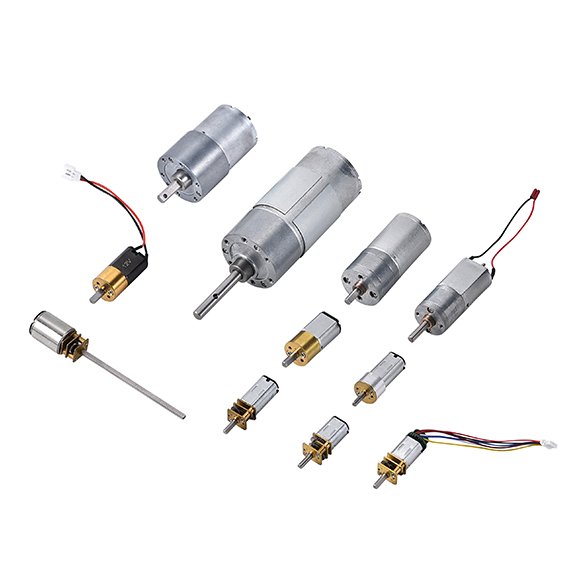
Now, review the available motor options from INEED. You can choose from a wide range of high torque miniature motor for electric actuator solutions, including micro motors, small gear motors, and specialized gear types.
Use the INEED product catalog to compare specifications like torque, speed, size, and efficiency.
Look for motors that fit your space constraints and meet your torque and speed requirements.
Consider special features such as encoders for position control, overload protection, or low-noise operation.
Take advantage of INEED’s customization services. You can request custom shaft designs, gear ratios, or integrated connectors to match your actuator perfectly.
If you need help, INEED’s support team can guide you through the selection process. You can send your requirements and receive expert advice within hours.
Test and Validate Performance
Before finalizing your choice, test the selected high torque miniature motor for electric actuator in real-world conditions.
Perform electric motor efficiency testing to check energy use and response speed.
Run torque and load tests to see how the motor performs under different loads.
Use a dynamometer test system to measure efficiency and performance.
Simulate actual operating conditions. Check if the actuator meets your position control and speed requirements.
Assess the system’s reliability by running it through multiple cycles.
Testing helps you confirm that your linear actuator selection will work as expected. You can identify any issues early and make adjustments before full-scale production.
Final Selection and Sourcing
After successful testing, make your final selection. Choose the high torque miniature motor for electric actuator that best fits your needs.
Review all test results and confirm the motor meets your torque, speed, and position control requirements.
Check that the motor fits within your space and budget constraints.
Place your order with INEED. You can request free samples for prototypes or move directly to bulk orders.
Use INEED’s support services for technical questions, risk management, and logistics tracking.
Checklist:
Application requirements documented
Torque and speed calculated
Prototype tested and validated
Final motor sourced and support arranged
By following these steps, you ensure your high torque miniature motor for electric actuator delivers reliable, efficient, and precise performance. INEED’s customization and support services make the process smooth, from initial selection to final sourcing.
INEED Solutions and Real-World Applications

Medical Devices and Healthcare
You see INEED high torque miniature motors making a difference in medical devices and healthcare equipment every day. These motors power electric linear actuator systems that require steady and precise movement. You find them:
In infusion pumps, where they deliver fluids at a controlled rate, which is vital for patient safety.
Inside surgical robots, where they help perform delicate tasks with accuracy.
In testing machines, where they ensure reliable and repeatable operation.
Powering insulin pumps for accurate medication delivery.
Supporting portable medical tools, thanks to their small size and low energy use.
You can rely on INEED’s 6mm planetary gear motor for applications that demand both compactness and high torque. This motor helps you design smaller, more efficient electric linear actuator solutions for healthcare.
Consumer Electronics and Power Tools
You benefit from INEED’s high torque miniature motors in many consumer electronics and power tools. These motors drive electric linear actuator mechanisms in:
Electric screwdrivers, giving you the torque needed for quick assembly.
Automated locks, where reliability and quiet operation matter.
Electric toothbrushes and robot vacuum cleaners, where compact size and efficiency are key.
Fitness equipment, such as treadmills, using 12V DC motors for consistent performance.
Spur gear motors, which you find in various household appliances.
You can choose from a range of INEED small gear motors to match the needs of your electric linear actuator projects in consumer electronics.
Construction and Survey Instruments
You depend on INEED high torque miniature motors for accuracy and durability in construction and survey instruments. These motors provide strong output at low speeds, which is essential for electric linear actuator systems that require precise control. The robust construction of these motors allows them to withstand harsh environments. This durability means you spend less time on repairs and maintenance, and your equipment lasts longer.
You can use INEED’s 6mm planetary gear motor in land survey instruments to achieve reliable and accurate measurements. Worm gear motors also offer self-locking features, which help maintain position during critical tasks.
When you choose INEED, you get proven solutions for electric linear actuator applications across healthcare, consumer electronics, and construction. You can trust INEED’s expertise to deliver performance, reliability, and innovation.
You can choose the best high torque miniature motor for your electric actuator by following a clear process. Start with your application’s torque needs. The table below shows common minimum torque requirements:
Motor Type | Minimum Torque Requirement |
|---|---|
Thigh Motor | 150 Nm |
Knee Motor | 35 Nm |
Ankle Motor | 10 Nm |
INEED helps you with technical support, custom gear ratios, and many gear motor options. Use the checklist and INEED’s guidance to make a confident decision for your project.
FAQ
What is a high torque miniature motor?
You get a compact motor that delivers strong rotational force. These motors fit into small spaces and move heavy loads. You often use them in electric actuators for precise and reliable motion.
How do I calculate the torque needed for my actuator?
You start by identifying the load, speed, and distance your actuator must move. Use the formula:Torque = Force x Distance.
Add a safety factor to cover unexpected loads. You can ask INEED for help with calculations.
Can I customize a miniature motor for my application?
Yes, you can. INEED offers customization for shaft design, gear ratios, and connectors. You get a motor that matches your exact requirements. Contact the INEED team for support.
What are the benefits of using INEED’s 6mm planetary gear motor?
You gain high torque in a very small size. This motor works well in tight spaces and delivers reliable performance. You can use it in medical devices, survey instruments, and portable electronics.
Tip: Always test your motor in real conditions before finalizing your design.