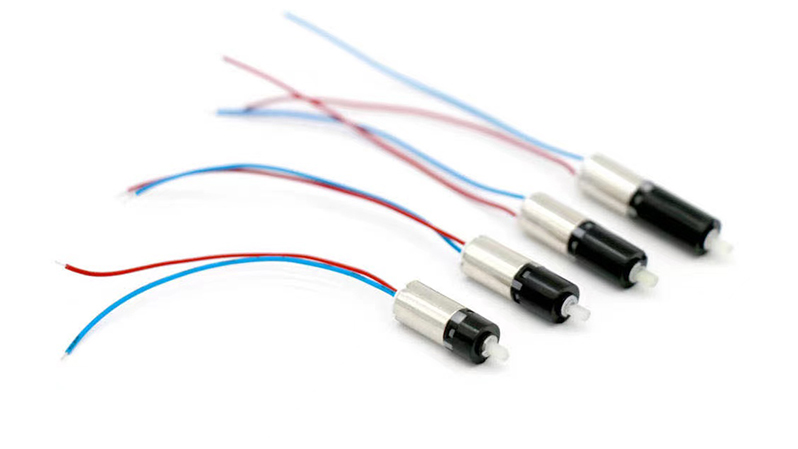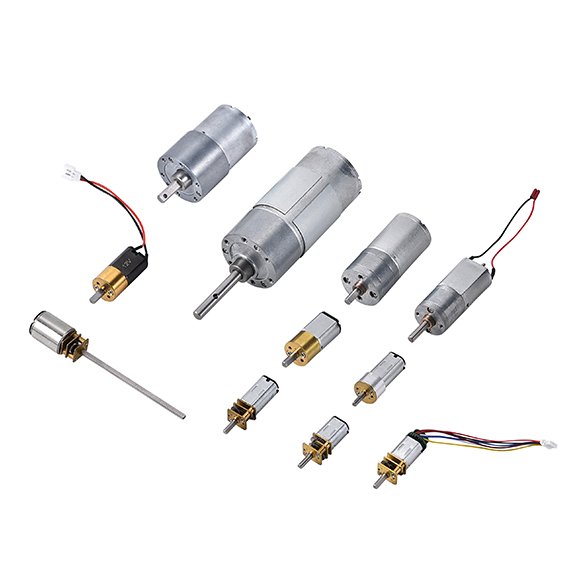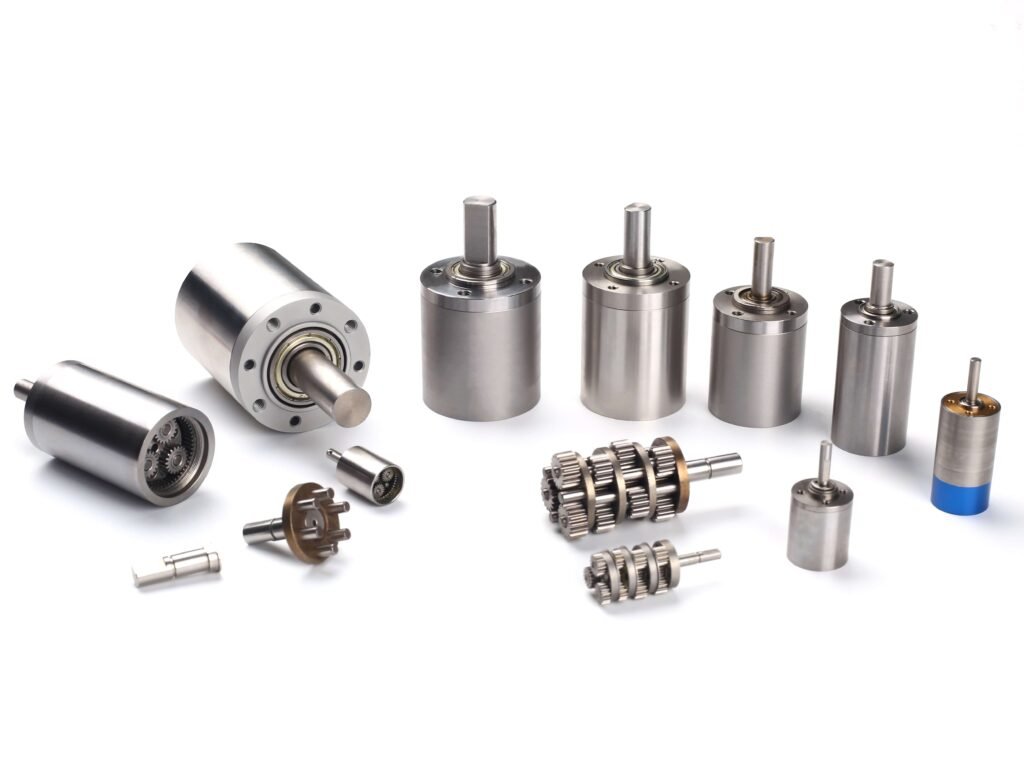
You can boost the efficiency of your reduction gear system by using small planetary gear motors from INEED. These motors increase output torque through reduction, giving your devices the driving force they need. The unique design lets each planet gear share the load, which reduces wear and energy loss. When the sun gear transmits power to the planet gears, they rotate and mesh with the ring gear, ensuring precise and efficient torque distribution.
Key Takeaways
Small planetary gear motors boost efficiency by increasing output torque and reducing energy loss, making them ideal for various applications.
The unique design of planetary gear motors allows for optimal load distribution, which extends the lifespan of the system and enhances performance under high-torque conditions.
Customizable features, such as shaft length and gear ratios, enable you to tailor planetary gear motors to meet specific project requirements and improve overall efficiency.
Regular maintenance, including lubrication and inspections, is essential to maintain the efficiency and longevity of your planetary gear motors.
Planetary gear motors are versatile and can be used in robotics, medical devices, and consumer electronics, providing precise control and reliable performance.
Planetary Gear Motors and Gearbox Basics
What Is a Planetary Gear Motor?
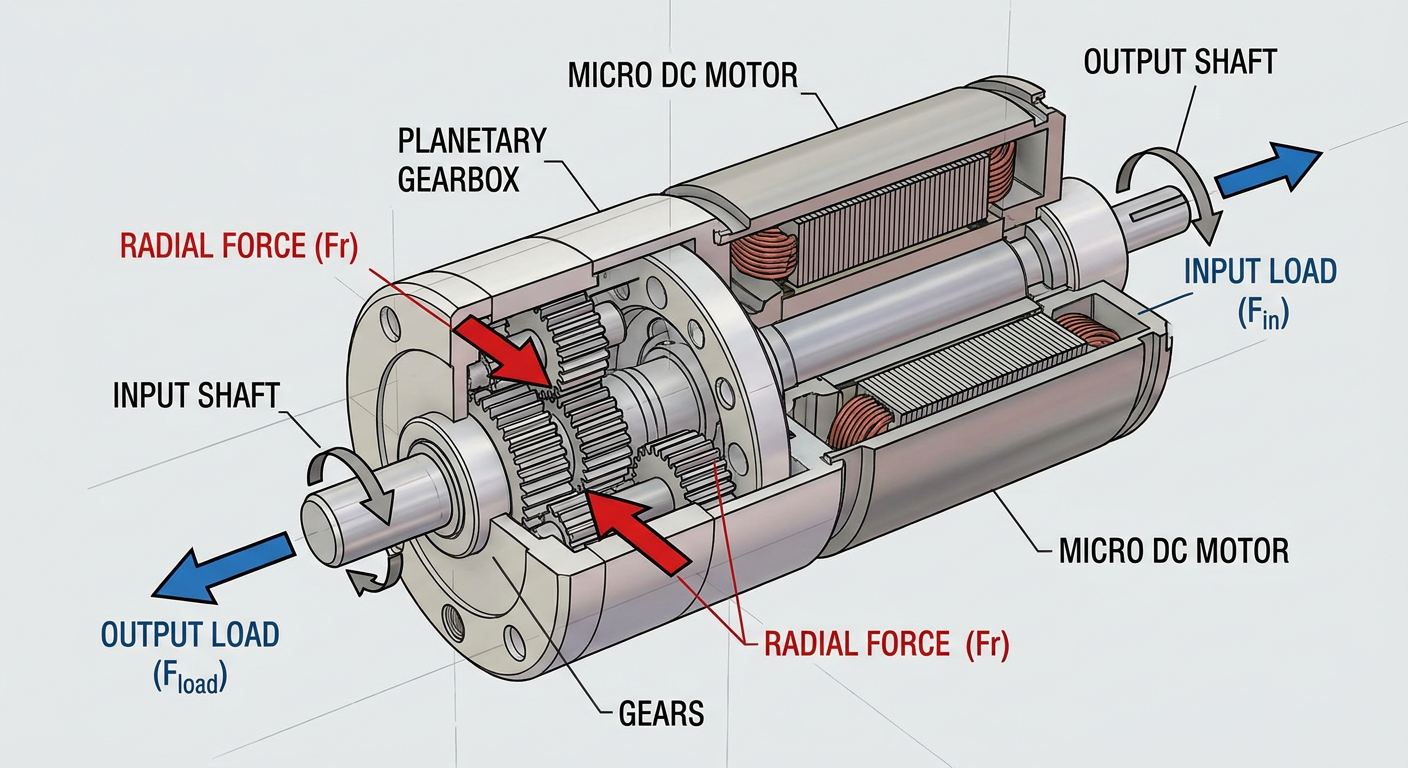
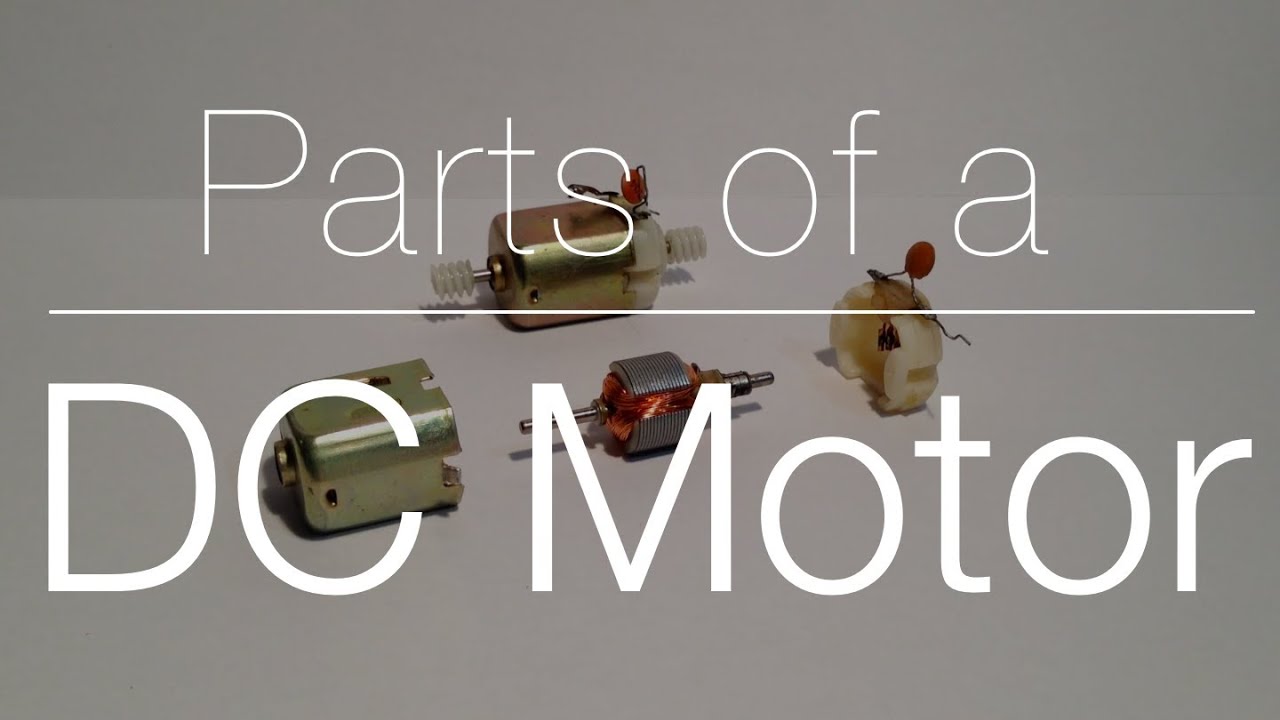
You can use planetary gear motors to achieve precise control and strong power transmission in your devices. These motors combine a micro DC motor with a planetary gearbox. The gearbox uses a central sun gear surrounded by several planet gears, all enclosed by a ring gear. This compact design lets you fit the motor into tight spaces while still handling heavy loads. You will find planetary gear motors in robotics, medical devices, and consumer electronics because they offer high torque and reliable performance.
How a Planetary Gearbox Works
A planetary gearbox works by distributing force through multiple gears. The sun gear sits in the center, and the planet gears rotate around it, meshing with the ring gear. When you power the input shaft, the sun gear turns, causing the planet gears to spin and move along the ring gear. This arrangement allows the gearbox to share the load among several gears, which increases torque and reduces wear. You get efficient power transmission and smooth operation. Compared to spur gear motors, planetary gear motors handle higher loads and offer up to 97% efficiency. The compact structure also helps you save space in your design.
Tip: If you need to balance speed and torque, you can adjust the gear ratio in the planetary gearbox. This flexibility makes it easy to match the gearbox to your application.
INEED’s Planetary Gear Motor Features
INEED gives you many options to customize planetary gear motors for your project. You can choose the shaft length and shape, set the voltage, output speed, and torque, and add connectors or lead wires for compatibility. You can also add gears to the shaft or include an encoder for precise feedback. The table below shows some customization choices:
Customization Item | Description |
|---|---|
Length and shape of shaft | Modify for specific applications |
Voltage, output speed, torque | Set to meet your performance needs |
Adding connectors, lead wires | Include for better compatibility |
Adding gears to shaft | Enhance functionality |
Adding encoder | Get precise control and feedback |
You can also request encapsulation and sealing to protect the motor from environmental factors. INEED’s planetary gear motors deliver compact size, high torque, and efficient power transmission, making them a smart choice for many industries.
Efficiency Advantages of Planetary Gear Motors
Optimal Torque and Load Distribution
You can achieve optimal torque output and load distribution by choosing planetary gear motors for your reduction gear systems. The unique design uses a central sun gear surrounded by multiple planet gears. These planet gears share the load evenly, which means each gear handles less pressure. This setup increases the torque output and reduces wear on individual gears. You get a system that lasts longer and performs better under high-torque conditions.
Planetary gear systems influence torque and load distribution through the gear ratio.
When you increase the gear ratio, you decrease output torque, so you can balance speed and torque for your needs.
The torque output depends on both the input torque and the gear ratio.
Power output changes with both torque and rotational speed, so you can adjust the system for the best efficiency.
You will notice that the symmetrical load distribution across several contact points helps the gearbox last longer. The planet gears distribute the load around the sun gear, which reduces wear and extends the life of your system. This design gives you reliable torque output, even in demanding applications.
High Mechanical Efficiency and Low Energy Loss
You can count on planetary gear motors to deliver high mechanical efficiency. These motors outperform spur gear motors, especially when you need high torque output and maximum stall torque. You get better performance under load, which is important for industrial and robotics applications.
When you compare planetary gear motors to other types, you see that they maintain higher transmission efficiency. The design reduces friction and energy loss, so more of the input power turns into useful work. The table below shows how planetary gear motors reduce energy loss compared to other gear-head types:
Gear-head Type | Gear-head Efficiency (ηG) | System Efficiency (ηS) | Total System Loss Reduction |
|---|---|---|---|
Planetary 20/1 | 71% | 46% | 33%–46% |
Orbitless V3 | 95% | 66% | 33%–46% |
Loss Reductions | Gear-head: 43%–59% | Motor winding: 24%–45% |
You can see that planetary gear motors help you achieve high transmission efficiency and reduce total system losses. This means your devices use less energy and generate less heat, which is important for long-term operation.
Durability and Low Noise Operation
You want your reduction gear system to last and run quietly. Planetary gear motors help you reach both goals. The design reduces vibration and noise by using a meshing phase difference between the planet gears. This means you get smoother operation and less noise, even when the system runs for long periods.
Applying a meshing phase difference to planet gears reduces vibration and noise.
The noise and vibration levels stay low, even when the gear teeth have different contact ratios.
Improving gear accuracy and tooth face roughness lowers noise and vibration even more.
You also get excellent durability. The even load distribution reduces wear and stress on each gear. High-quality materials and advanced lubrication systems help the gearbox handle high torque output and frequent reversals. The gearbox absorbs mechanical load, which protects the motor and extends its life.
Tip: For high-precision or high-cycle applications, choose a low-backlash planetary gearbox. This helps you minimize positioning errors and keeps performance consistent, even during frequent start-stop cycles.
You can rely on planetary gear motors from INEED to deliver high-torque output, long service life, and quiet operation. These features make them ideal for robotics, medical devices, and other demanding applications where efficiency and reliability matter most.
Maximizing Efficiency with the Right Gearbox
Selecting Gear Ratios for Performance
You can maximize efficiency in your system by choosing the right gear ratio for your gearbox. Each application has unique requirements, so you need to match the gear ratio to your desired output speed and torque. If you select the wrong gear ratio, you risk reducing gearbox efficiency and shortening the lifespan of your system. To get the best performance, follow these steps:
Calculate both peak and continuous torque needs, including safety factors.
Determine the reduction ratio needed for your desired output speed and torque.
Consider the physical space and mounting type for your gearbox.
Assess environmental factors like temperature, dust, and moisture.
Choose low-backlash models if you need precise control and high positional accuracy.
Ensure proper lubrication to maintain gearbox efficiency.
In industrial automation, the most common configuration fixes the ring gear, uses the sun gear as input, and the carrier as output. You can calculate the gear ratio with the formula: i = 1 + Zr/Zs, where Zr is the number of teeth on the ring gear and Zs is the number on the sun gear. This setup helps you achieve the right balance of speed, torque, and power for your application.
System Configuration and Customization
You can further maximize efficiency by configuring your gearbox to fit your system. Proper installation and alignment reduce friction and wear, which boosts gearbox efficiency. Multi-stage planetary gearboxes distribute the load evenly, optimizing torque transfer and minimizing wear. When you need unique solutions, INEED offers customization options:
Tailored designs for specific operational requirements.
Compact and efficient multi-stage planetary gearboxes for tight spaces.
Enhanced durability with special materials and coatings.
Custom torque and speed ratios for your performance needs.
Specialized mounting configurations for better integration.
Lubrication solutions for reliable operation.
Size adjustments for perfect fit.
Multiple shaft outputs for driving several components.
Premium materials for high-performance needs.
You can work with INEED to design a gearbox that delivers precise control, high reduction ratios, and energy consumption reduction.
Maintenance for Long-Term Efficiency
You need to maintain your gearbox to keep maximizing efficiency and performance. Regular checks and proper care prevent efficiency loss and extend the life of your planetary gear motors. Use the table below to guide your maintenance routine:
Maintenance Practice | Description |
|---|---|
Check for early signs of wear and misalignment. | |
Lubrication | Add oil as scheduled to keep parts moving smoothly. |
Cleaning and Seal Replacement | Prevent dirt and water from entering, which protects components. |
Torque and Alignment Checks | Make sure all parts are aligned and secured for optimal gearbox efficiency. |
Component Inspections | Examine bearings, seals, and bolts for wear and tear. |
Common causes of efficiency loss include gear set loss, seal loss, bearing loss, lubrication issues, mechanical losses, electrical losses, and thermal losses. You can reduce these risks by following a strict maintenance schedule and using the right lubricants. This approach keeps your system running smoothly, maintains precise control, and ensures long-term power and performance.
Real-World Applications and INEED Solutions
Robotics and Industrial Automation
You can boost the performance of your robotic and industrial systems by using planetary gear motors. These motors give you precise motion control and high torque, which are essential for robotic arms, automated guided vehicles (AGVs), and conveyor systems. You will notice that the compact design allows you to fit them into tight spaces, making your automation projects more flexible. The low backlash feature helps your robots move accurately, so they do not overshoot their targets. You also benefit from quiet operation and steady power, which keeps your machines reliable.
Table: How planetary gear motors improve efficiency in key industries
Application Area | Description | Efficiency Improvements |
|---|---|---|
Robotics and Automation | High torque and accuracy for robotic arms, AGVs | Increased productivity, reduced downtime |
Industrial Equipment | Conveyor systems, CNC machines | Improved throughput, lower maintenance costs |
Medical Devices and Consumer Electronics
You can use planetary gear motors to make medical devices and consumer electronics smaller and more precise. These motors provide the fine control needed for surgical robots and imaging machines. Their high torque and compact size help you design lighter, more ergonomic tools. For example, the PGM-12-3-256-49-02E motor works well in single-use surgical tools, offering strong torque and a long operational life. In consumer electronics, you can use these motors in smart devices and drones to achieve longer battery life and smoother operation.
Planetary gear motors enable precise motion control in medical and electronic devices.
Their compact design supports miniaturization.
High torque output ensures reliable performance in demanding tasks.
Custom Solutions from INEED
You can solve unique engineering challenges by working with INEED for custom planetary gear motors. INEED lets you adjust voltage, speed, torque, and output shaft design to match your exact needs. You can request encoders for position feedback or special packaging for large orders. INEED offers samples for testing, so you can verify performance before full production. This approach helps you achieve the best efficiency and adaptability for your application.
Customization Aspect | Description |
|---|---|
Voltage | Custom voltage options |
Speed | Adjustable speed settings |
Torque | Tailored torque specifications |
Output Shafts | Special designs for your project |
Encoders | Position feedback for precision |
Sample Testing | Try before bulk ordering |
Tip: You can contact INEED to discuss your project and receive a tailored solution that fits your industry requirements.
You can enhance your reduction gear systems by choosing small planetary gear motors with advanced design and quality manufacturing. Recent advancements offer you:
Unique designs that boost torque and efficiency
Superior load sharing for less wear and longer life
Compactness for tight spaces and versatile applications
Selecting the right gearbox configuration helps you minimize energy loss and maximize performance. Many users report quiet operation, excellent speed control, and long-term durability. For efficient, reliable, and adaptable solutions, consider INEED’s planetary gear motors for your next project.
Benefit | User Feedback |
|---|---|
Quiet Operation | Essential for noise-sensitive tasks |
Longevity | Minimal maintenance, long service |
Energy Efficiency | Noticeable cost savings |
FAQ
How do you choose the right planetary gear motor for your project?
Start by listing your torque and speed needs. Measure the available space for the motor. Check voltage and power requirements. You can contact INEED for custom options that match your application.
What maintenance steps keep your planetary gear motor efficient?
Inspect the motor regularly for wear. Lubricate gears as recommended. Clean the housing to prevent dust buildup. Replace seals if you see leaks. These steps help you maintain high efficiency and long service life.
Can you customize planetary gear motors from INEED?
Yes, you can. INEED lets you adjust voltage, speed, torque, shaft design, and add encoders. You can request samples to test before ordering in bulk. Customization ensures the motor fits your exact needs.
Where can you use small planetary gear motors?
You can use them in robotics, medical devices, consumer electronics, and industrial automation. Their compact size and high torque make them ideal for applications that need precise control in limited spaces.
What should you do if your gear motor makes unusual noise?
Stop the system and inspect the motor. Check for loose parts, worn gears, or lack of lubrication. Tighten bolts and add lubricant if needed. If the noise continues, contact INEED for technical support.