You need to customize the shaft and connectors on a gear motor with care and attention. Compatibility, safety, and precision matter in every step. INEED provides expertise in tailored gear motor solutions for many industries. Small gear motors and spur gear motors play important roles in specialized applications. Industries that rely on customizable gear motor solutions include:
Industrial manufacturing
Automated conveyors
Packaging equipment
Machine tools
Sorting systems
Lifting mechanisms
Robotic equipment
You benefit from actionable guidance and professional support as you customize the shaft for your project.
Key Takeaways
Assess your gear motor before customization. This step helps you choose the right shaft and connector options.
Identify the shaft type you need. Common types include round, D-shaped, and keyed shafts, each serving different purposes.
Measure dimensions accurately. Use tools like calipers to ensure the shaft and connector fit perfectly.
Customize the shaft shape and features. Adding flats, holes, or threads can improve performance and reliability.
Choose compatible connectors. Ensure they match your shaft type to prevent slipping and ensure smooth operation.
Assess Your Gear Motor
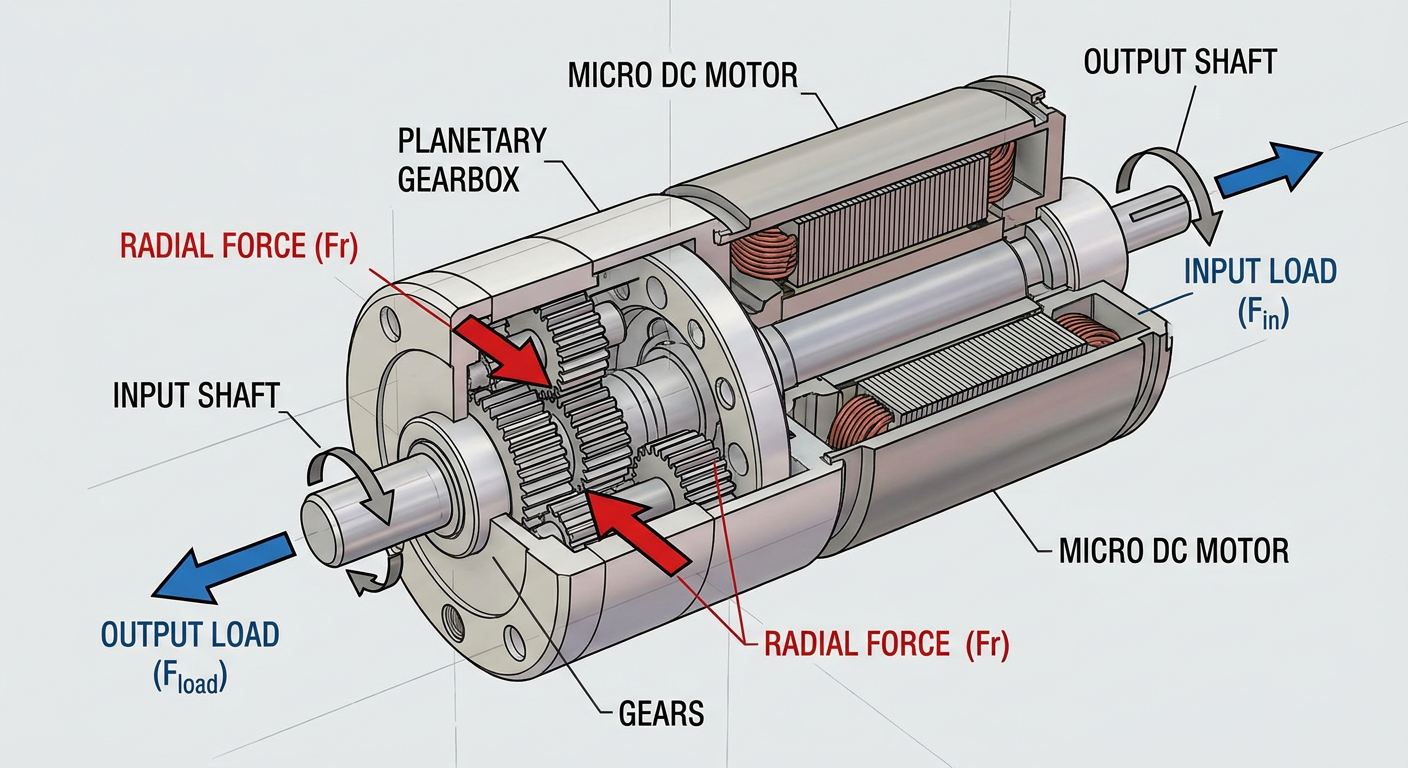
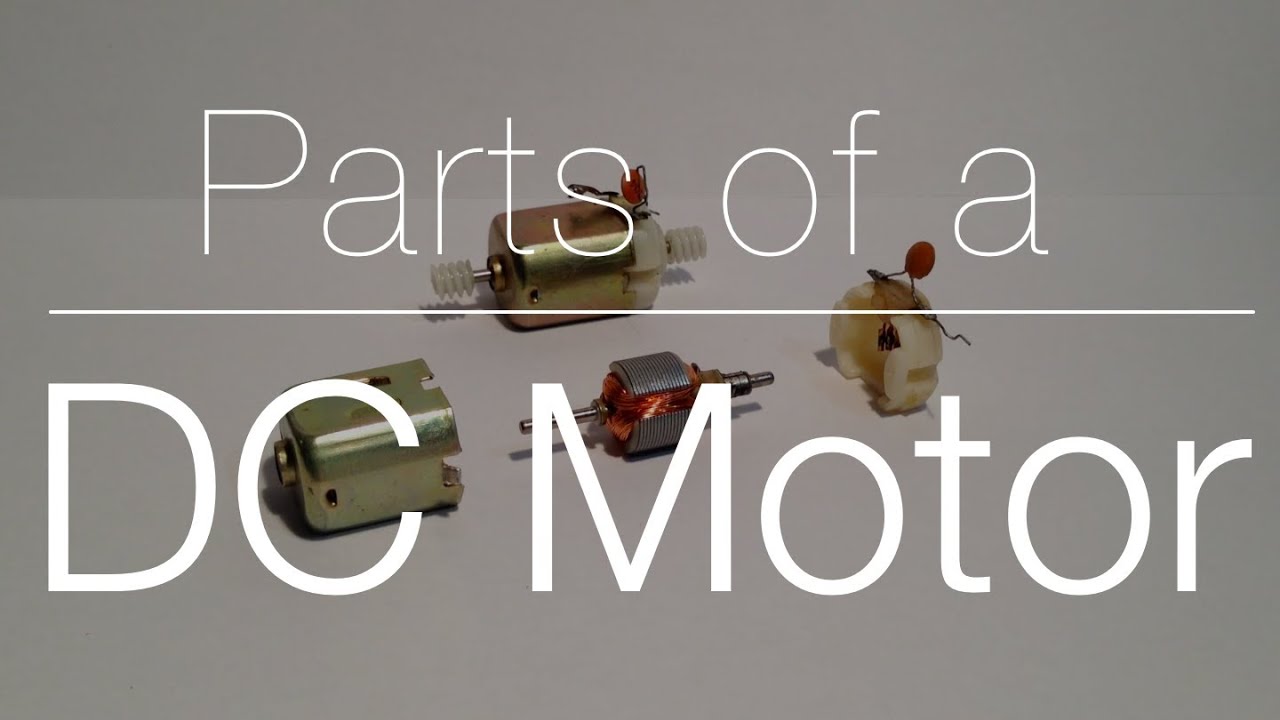
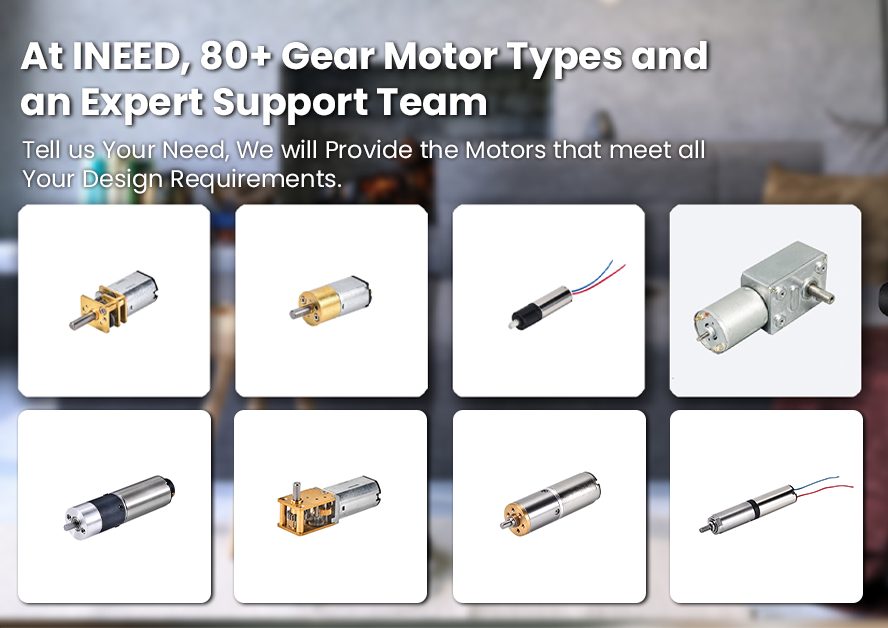
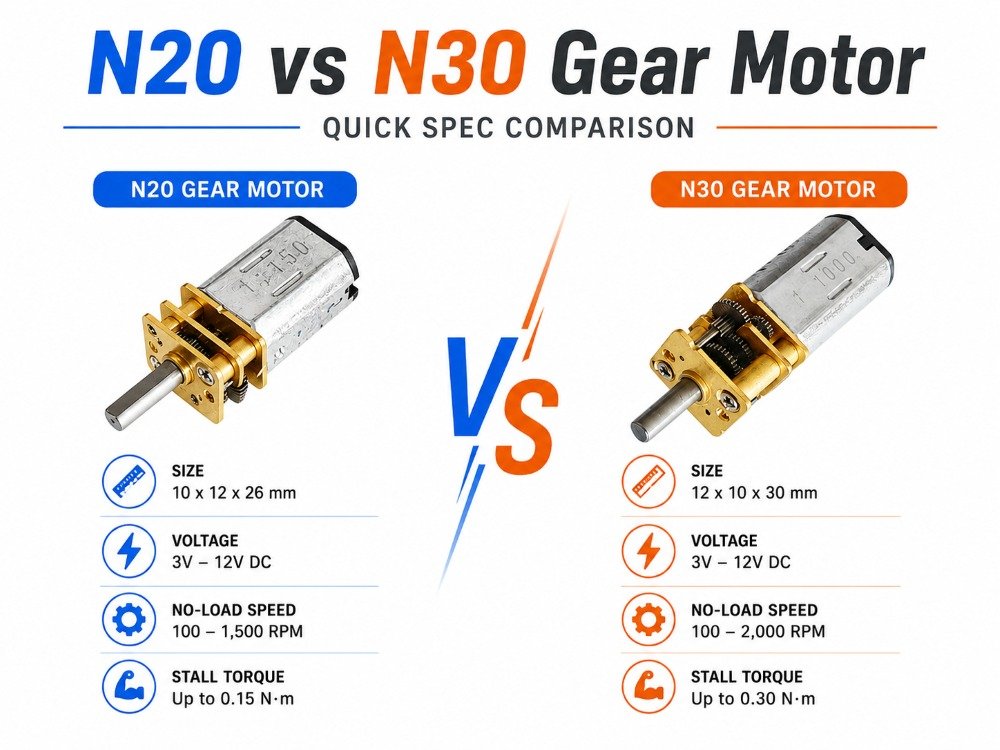
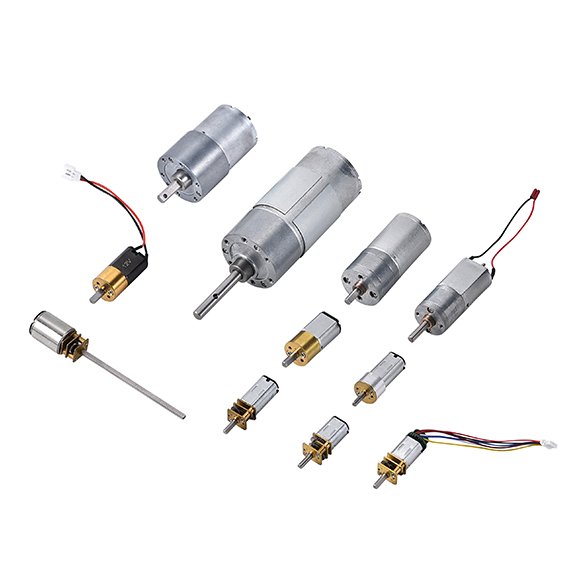
Before you start customizing, you need to assess your gear motor. This step helps you choose the right options and avoid mistakes. INEED offers a wide range of customizable gear motors, including small gear motors and spur gear motors. These motors fit many applications, from medical devices to robotics.
Identify Shaft Types
You should first identify the type of shaft your gear motor uses. Common shaft types include round, D-shaped, and keyed shafts. Each type works best for certain connectors and couplers. For example, a D-shaped shaft prevents slipping, while a keyed shaft provides extra security for high-torque tasks.
Tip: Check your application’s needs before choosing a shaft type. Some projects require special shapes or features for better performance.
Here is a table showing common gear motor types and their features:
Gear Motor Type | Features | Typical Applications |
|---|---|---|
Micro Gear Motor | Small size, high torque, low noise | Medical equipment, small robots |
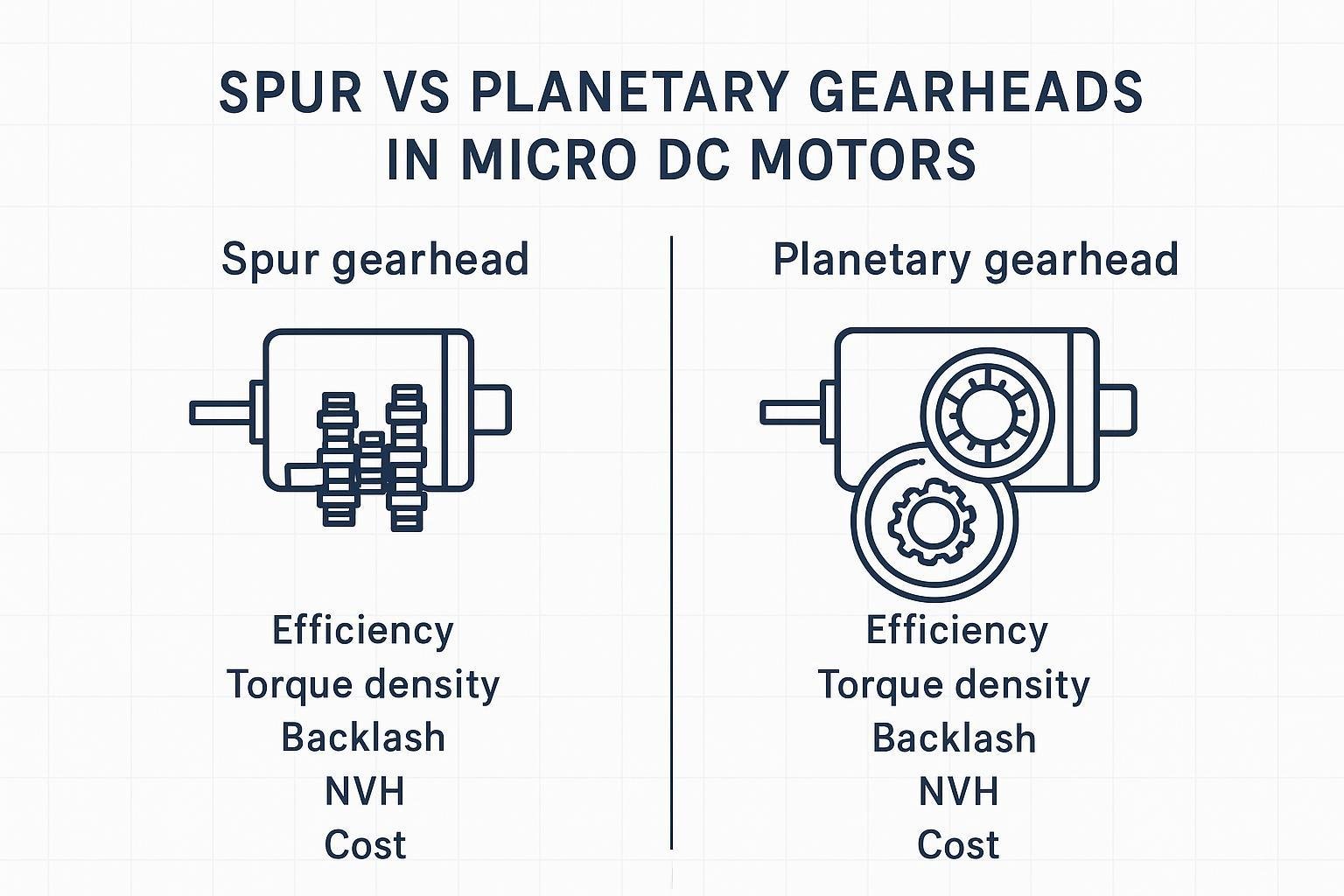
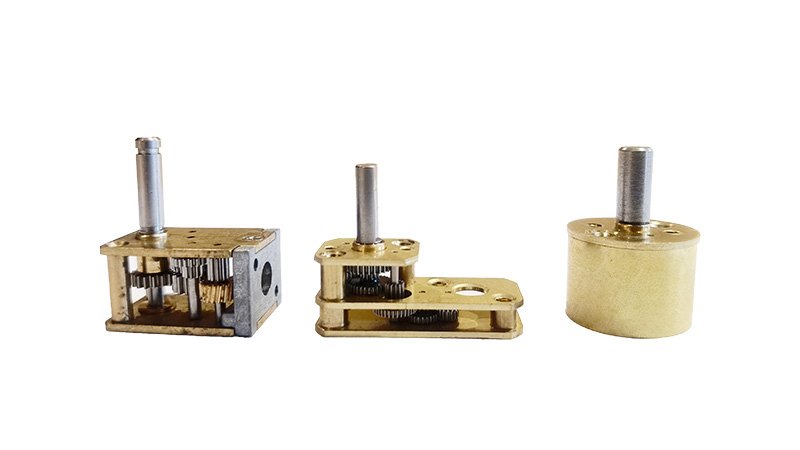
Spur Gear Motor | Simple design, high efficiency | Robotics, automation, consumer electronics |
Planetary Gear Motor | Compact, high torque density | Robotics, automation |
Worm Gear Motor | Self-locking, high gear ratios | Lifts, hoists, security devices |
Right-Angle Gear Motor | Changes direction, efficient transmission | Conveyor belts, industrial equipment |
Measure Dimensions
You must measure the shaft and connector dimensions with care. Use a caliper or micrometer for accuracy. Measure the shaft’s length, diameter, and any special features like flats or threads. Write down these numbers. Accurate measurements help you avoid fitting problems later.
Measure the shaft diameter and length.
Check for special features (flats, holes, threads).
Record connector sizes and wire lengths.
Define Customization Needs
Think about what your project requires. Do you need a longer shaft? Does your application need a special connector or wire length? INEED Motors lets you customize many aspects, such as gear ratios, shaft shape, and wire configurations. You can also choose materials like plastic or metal and add features like encoders.
Customization Aspect | Details |
|---|---|
Gear Ratios | Adjustable for your application |
Shaft Shape/Length | Custom length, diameter, and shape |
Wire Configurations | Custom wire length and connector type |
Materials | Plastic or metal options |
Additional Features | Encoder integration, voltage tuning |
By assessing your gear motor, you set a strong foundation for successful customization. Accurate information leads to better results and a smoother process.
Customize the Shaft on INEED Gear Motors
You can customize the shaft on INEED gear motors to match your project needs. INEED offers custom shaft solutions for both small gear motors and spur gear motors. You gain flexibility and precision when you tailor the shaft for your application. Many industries rely on these options to improve performance and reliability.
Cut or Resize Shaft
You may need to cut or resize the shaft to fit your design. INEED lets you customize the shaft length and diameter for your gear motor. You can use a hacksaw, rotary tool, or precision cutting machine to trim the shaft. Always measure twice before you cut. You avoid mistakes and ensure a proper fit. Customizing the shaft length helps you fit the motor into tight spaces or match the requirements of your device.
Tip: Wear safety goggles and gloves when cutting the shaft. Secure the shaft in a vise to prevent movement.
Here is a table showing common customization requests for INEED gear motor shafts:
Customization Type | Description |
|---|---|
Shaft Configurations | Round, D-shaped, and keyed shafts |
Length Modifications | Custom shaft lengths for design constraints |
Diameter Modifications | Custom diameters for specific applications |
Threaded/Hollow Shafts | Unique solutions for specialized projects |
Modify Shaft Shape
You can modify the shaft shape to improve compatibility with connectors and couplers. INEED supports custom shapes such as D-shaped and keyed shafts. These shapes prevent slippage and provide secure connections. You can use broaching tools to cut slots or keyways in the shaft. Keyways help attach gears to shafts and keep them aligned. You may also use pins, such as spring pins or compression pins, to secure connections.
Broaching tools cut slots and keyways.
Keyways attach gears and prevent movement.
Pins secure the shaft and connector.
You customize the shaft shape to match your mechanical requirements. This step ensures smooth operation and reduces wear.
Add Flats, Holes, or Threads
You can add flats, holes, or threads to the shaft for better functionality. INEED allows you to customize the shaft with these features. Adding a flat surface helps couplers grip the shaft and prevents rotation. Drilling a hole in the gear prevents slippage of the setscrew, giving a more secure fit. Adding a second setscrew balances forces and keeps the gear aligned. You can also thread the shaft to attach nuts or other components.
Flats improve grip and prevent rotation.
Holes secure setscrews and prevent slippage.
Threads allow for easy attachment of parts.
You customize the shaft to enhance performance and reliability. These features help you achieve precise control and stable operation.
You can customize the shaft on INEED gear motors using many methods and tools. You select the right shaft configuration, modify the shape, and add special features. INEED provides support for small gear motors and spur gear motors, making it easy to meet your project requirements.
INEED Small Gear Motor Connectors
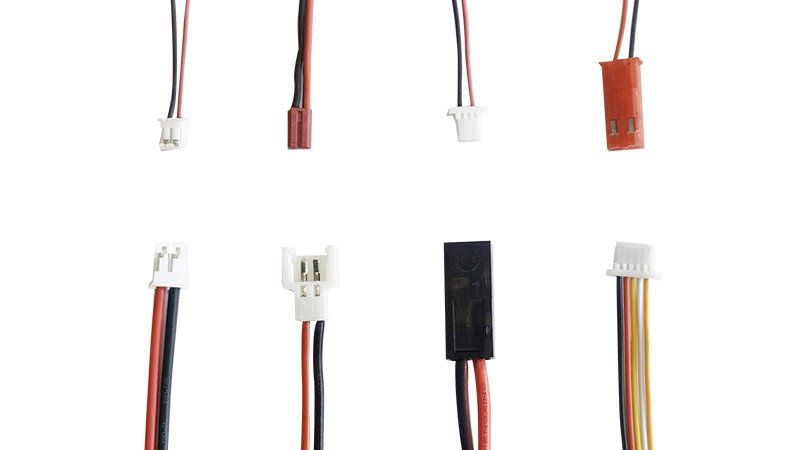
INEED gives you many ways to customize connectors for small gear motors. You can select the right connector for your project, adjust wire lengths, and add features like encoders. INEED’s team helps you design or choose connectors that meet industry standards. You get technical advice and support for reliable electrical terminations. This support ensures your gear motor works well in any application.
Choose Compatible Couplers
You must pick couplers that match your shaft and connector type. The right coupler prevents slipping and keeps your motor running smoothly. INEED offers many connector options, so you can find one that fits your needs. You should check the shaft shape, diameter, and connector style before making a choice.
Tip: Always match the coupler to both the shaft and the device you want to drive. This step avoids problems during operation.
Here is a table showing how INEED supports custom connector fabrication for gear motors:
What INEED Provides | How It Helps You |
|---|---|
Helps select or design connectors for reliability | Ensures your connection stays strong and stable |
Offers technical advice and customization options | Guides you to the best connector for your application |
Lets you choose connector type, wire length, and add encoders | Gives you flexibility for different projects |
Designs connectors to meet industry standards | Makes sure your motor meets safety and quality requirements |
You can read more about connector options and selection on the INEED website.
Modify or Fabricate Connectors
Sometimes, you need a connector that does not exist off the shelf. INEED can help you modify or fabricate connectors to fit your gear motor. You can change the connector type, adjust the wire length, or add special features like encoders. This customization helps you solve unique challenges in your project.
You can ask INEED to design a connector for high reliability.
You can request custom wire lengths for easy installation.
You can add encoders for position feedback.
INEED specializes in making connectors that work well with small gear motors and spur gear motors. You get a solution that matches your technical and safety needs.
Secure Connections
You must secure the connection between the shaft and connector to prevent failures. Many problems happen at the coupling point. These failures often come from using the wrong attachment method. You should choose the best way to attach your connector based on your application.
Here is a table of common attachment methods and their best use cases:
Attachment Method | Description | Best Use Case |
|---|---|---|
Press-fitting | Creates a strong, permanent bond using friction | Simple setups needing a solid connection |
Keyed shafts | Uses a key for a removable, robust connection | Projects needing gear changes or moderate-high torque |
Splined shafts | Gives the highest torque capacity and precise alignment | High-performance or demanding systems |
Note: Frequent starts, stops, or changes in torque direction can increase the risk of failure at the connection point. Always check your attachment method for your application.
You can use set screws, pins, or adhesives to add extra security. Make sure you test the connection after assembly. A secure connection keeps your gear motor reliable and safe.
INEED’s support for custom connectors and secure attachment methods helps you build a dependable system. You get expert advice, quality components, and solutions that fit your project.
Tools, Safety, and Testing
Essential Tools and Materials
You need the right tools and materials to meet the requirements for gear motor customization. Start by gathering these items:
Allen wrenches help you loosen and tighten fasteners.
A socket set lets you remove and install nuts and bolts.
A torque screwdriver ensures you apply the correct torque for secure connections.
Protective gloves and eyewear keep you safe during custom work.
Labels help you organize disassembled parts for easy reassembly.
You must select materials that match your requirements. Choose connectors and shafts that fit your custom design. Always check the torque specifications for each component.
Safety Best Practices
Safety is a priority when you customize gear motor shafts and connectors. You must follow requirements for reliability and durability. Consider these points:
High reliability needs a safety factor of 1.50 to 2.00 for gear contact and bending fatigue strength.
Relatively high reliability uses a safety factor of 1.25 to 1.60.
General reliability requires a safety factor of 1.00 to 1.25.
Low reliability uses a safety factor of 0.85 to 1.00.
You must check for discrepancies in machining accuracy and material quality. Think about the consequences of gear damage, especially in applications with high torque like cranes or elevators. Verify compatibility with motor specifications to avoid safety hazards. An improperly selected coupling can cause premature failure, increased vibration, and energy loss.
Safety Hazard | Description |
|---|---|
High temperature | Overheating reduces insulation life and motor efficiency. |
Low temperature | Lubricant performance drops, affecting gearbox operation. |
High humidity | Insulation materials degrade, raising short circuit risk. |
Low humidity | Static electricity may affect electronic control systems. |
Corrosion and chemical exposure | Special coatings or materials protect in corrosive environments. |
Dust and pollution | High vibration needs extra mechanical stability and durability. |
Test and Troubleshoot
Testing ensures your custom gear motor meets requirements for performance and safety. INEED uses rigorous quality control to deliver reliable results.
Quality Control Aspect | Description |
|---|---|
Rigorous Testing | Each unit undergoes extensive testing to meet strict quality standards. |
ISO9001 Certification | Certification ensures reliable performance and adherence to quality norms. |
Consistent Spare Parts Process | All spare parts are subjected to a quality control process for reliability. |
You must test your custom shaft and connector after assembly. Use these procedures:
Test Type | Parameters Measured |
|---|---|
No-load Speed (rpm), No-Load Current (A or mA) | |
On-Load Testing | On-Load torque (kg.cm, Nm), Stall torque (kg.cm, Nm), On-Load Speed (rpm), On-Load Current Draw (mA, A), Stall Current (mA, A), Output Power (W), Efficiency (%) |
Load Simulation Test | On-Load torque (kg.cm, Nm), On-Load Speed (rpm), On-Load Current Draw (mA, A), Output Power (W), Efficiency (%) |
You must troubleshoot any issues that arise. Check for vibration, incorrect torque, or loose connections. Always verify your custom work meets the requirements for your application.
You ensure success by following each step for customizing gear motor shafts and connectors with care. Precision matters at every stage. Use processes like turning, milling, and grinding to achieve tight tolerances:
Process Type | Description | Tolerances | Importance |
|---|---|---|---|
Turning | CNC lathes shape the blank into a cylindrical form | ±0.01 mm | Maintains concentricity and precise dimensions |
Milling | Multi-axis CNC machines create keyways, splines, etc. | ±0.02 mm | Essential for fitting gears or couplings |
Grinding | Delivers smooth surfaces and tight tolerances | ±0.0002 mm | Critical for high-speed applications |
INEED’s team brings over a decade of R&D expertise, flexible production, and strict quality control to every project. You can reach out by phone or email for technical support. Professional help gives you custom solutions that boost durability, efficiency, and long-term performance.
FAQ
What is the difference between a gearmotor and a standard motor?
You get a gearmotor when you combine a motor with a gearbox. This setup lets you control speed and increase output torque. A standard motor only provides speed and torque based on its design. Gearmotors fit applications that need precise movement and higher torque.
How do you customize a motor for unique application needs?
You start by sharing your motor application requirements with the manufacturer. You can request changes to shaft length, output speed, or connector type. INEED offers custom motor solutions to match your application running requirements and ensure the motor fits your project.
Why should you choose a modified standard motor?
You choose a modified standard motor when you need small changes for your application. This option saves time and cost. You get the benefits of a proven design with adjustments for output, shaft, or connectors. It works well for many gearmotor projects.
What tests should you perform after customizing a gearmotor?
You should check output speed, torque, and current draw. Test the motor under real application running requirements. Make sure the gearmotor meets all safety and performance standards. This step helps you avoid problems in your final application.
Can you use one gearmotor for different applications?
You can use one gearmotor for several applications if the output matches your needs. Always check the motor’s specifications and compare them to your application. Custom motor options let you adjust features for better performance in each project.